



Ebola in eastern DRC: An outbreak unfolding amid conflict, displacement and multiple health emergencies
Since Ebola disease was declared in the Democratic Republic of Congo (DRC) on 15 May 2026, the outbreak has spread through a region already facing armed conflict, repeated displacement and an overstretched health system.
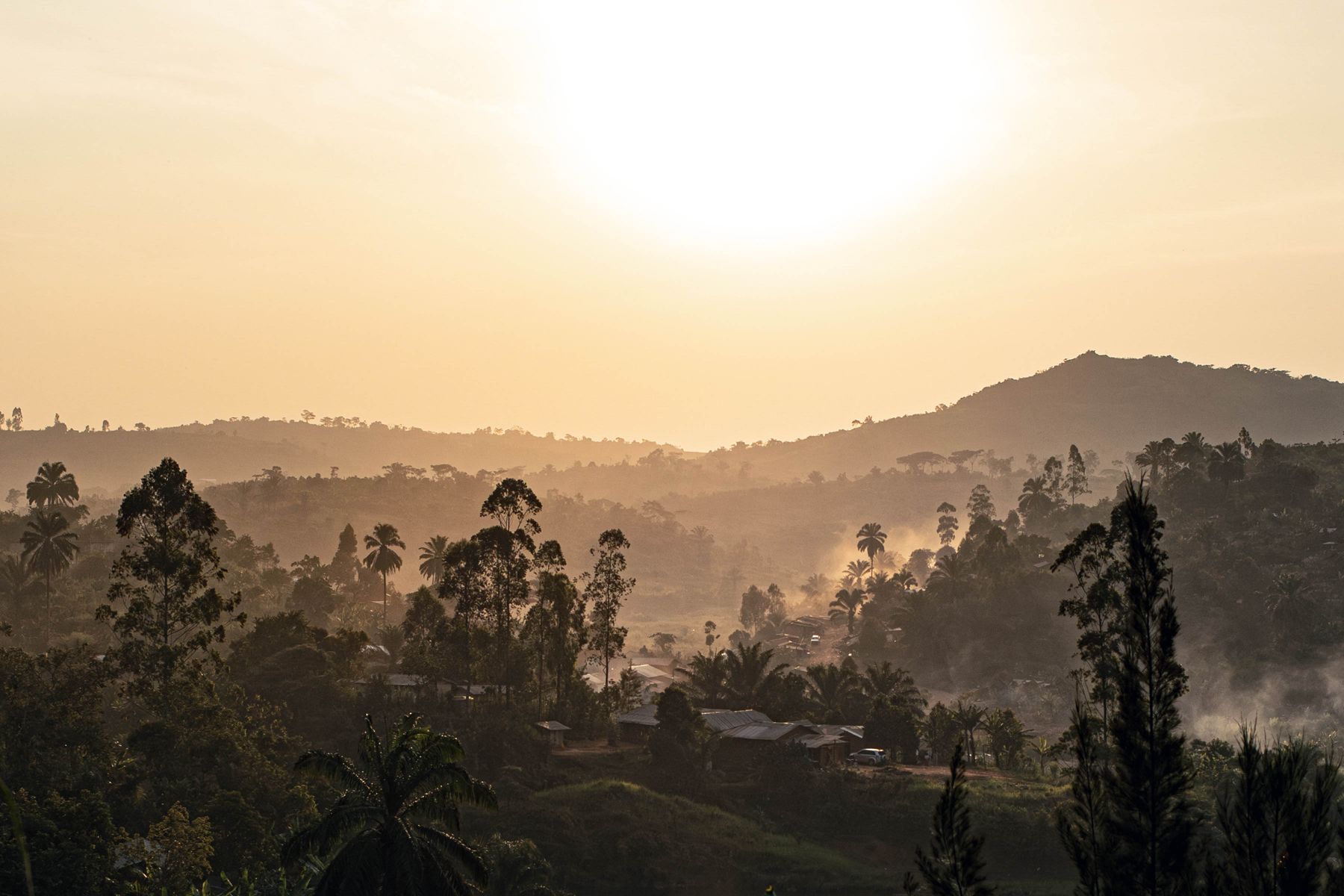
The timeline below traces the evolution of the outbreak and MSF’s response, while highlighting how insecurity, displacement and other health emergencies are shaping efforts to contain Ebola.
15 May 2026
An Ebola outbreak is declared in northeastern DRC
On 15 May, health authorities in DRC officially declared an outbreak of Ebola disease caused by the Bundibugyo virus.
Days earlier, MSF had received alerts of unusual deaths linked to a suspected viral haemorrhagic fever in Mongbwalu health zone, northwest of Bunia in Ituri province. An assessment with the Ministry of Health found that 55 people had died in the area since the beginning of April.
By the declaration, authorities had reported hundreds of suspected cases and more than 80 deaths across Mongbwalu, Bunia and Rwampara health zones. A case had also been confirmed in neighbouring Uganda.
MSF began preparing a large-scale response, deploying specialised teams, medical supplies and protective equipment while expanding isolation and patient-care capacity.
29 May 2026
Two weeks in, the outbreak is moving faster than the response
By 28 May, confirmed and suspected cases had been reported across Ituri, North Kivu and South Kivu. Limited testing and difficulties reaching some areas meant the full scale of transmission remained unclear.
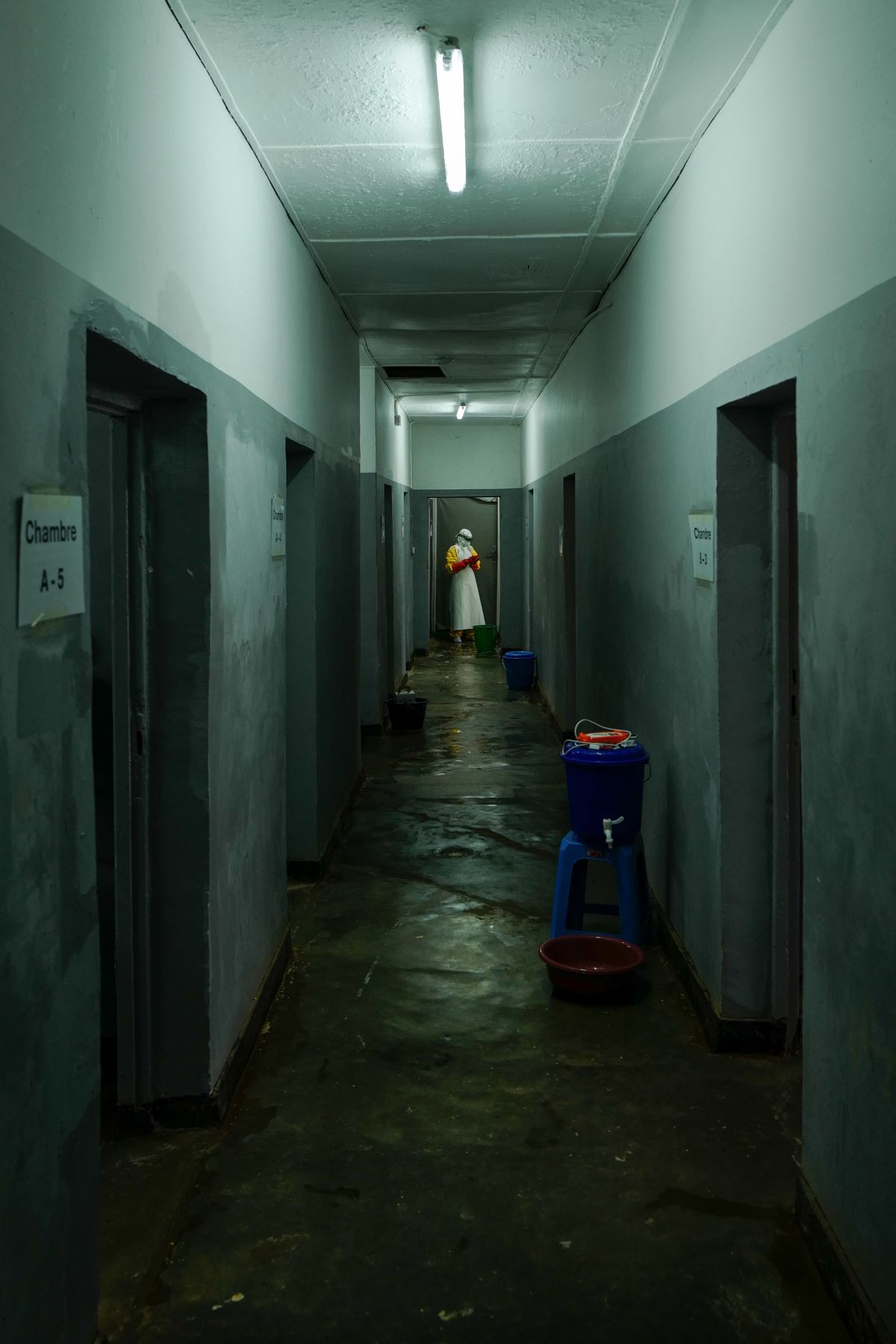
MSF rapidly expanded activities. A 65-bed Ebola treatment centre was under construction in Ituri, while temporary isolation structures were established in Mongbwalu and Fataki. Teams also reinforced infection prevention and treatment capacity in Bunia and several locations in North Kivu.
Yet hundreds of samples were awaiting laboratory processing, and isolation and treatment capacity remained insufficient.
15 June 2026
One month on, major gaps remain
One month after the declaration, MSF warned of major gaps in surveillance, diagnosis, contact tracing and community engagement.
Treatment centres in Ituri were under intense pressure, with many patients arriving only after becoming severely ill. Testing remained particularly limited in areas affected by insecurity, while access constraints prevented response teams from reaching some communities.
Conflict changes the response
Ebola is unfolding in a region where armed conflict has disrupted healthcare for years. Fighting can make communities inaccessible, interrupt roads and services, separate families from health facilities and complicate contact tracing.
Insecurity can also slow the movement of specialised staff, protective equipment and laboratory materials. These constraints directly affect the core tools needed to contain Ebola: early detection, testing, safe referral, treatment and sustained engagement with communities.
Trust is equally important. Effective Ebola responses depend on communities understanding and participating in health measures. Community leaders, patients, families and health workers need to be involved in how cases are identified, referred and cared for.
15 July 2026
Two months into the outbreak, cases continue to rise
By the two-month mark, more than 2,000 confirmed Ebola cases and 750 deaths had been reported.
In less than five weeks, confirmed cases had approximately tripled. In Bunia, the 90-bed Elikya Ebola treatment centre was regularly operating close to capacity, and some people delayed seeking care because they feared no bed would be available.
MSF called for a broader response, including expanded testing, treatment capacity, surveillance, contact tracing, community engagement and survivor care.
July–August 2026
Displacement adds another layer of vulnerability
As Ebola continued to spread, hundreds of thousands of people in eastern DRC were already living with the consequences of repeated displacement.
Displaced families may face overcrowding, reduced access to clean water, interrupted vaccination and difficulty reaching healthcare. Repeated movement can also make surveillance and contact tracing more difficult.
At Rho displacement camp near Drodro, Ituri, where nearly 50,000 people were living, community leaders worked with MSF to encourage early testing and treatment and strengthen infection prevention.
Their involvement showed that displaced communities are not simply recipients of emergency assistance. Their knowledge, participation and trust are essential to making the response effective.
14 August 2026
Ebola is not the only health emergency
As international attention focused on Ebola, MSF warned that other urgent health needs in eastern DRC could not be neglected.
Cholera, measles and malaria continued to affect communities in North Kivu and South Kivu, alongside conflict-related injuries and the health consequences of displacement and sexual violence.
From January to 19 July, official figures recorded more than 108,000 suspected measles cases and 1,394 deaths across DRC. More than 35,000 suspected cholera cases and over 1,000 deaths had also been reported.
For people living in eastern DRC, these emergencies overlap. A family displaced by violence may simultaneously need clean water, malaria treatment, childhood vaccination, maternity care or treatment for cholera or measles.
Fear of Ebola can also discourage people from visiting health facilities for other illnesses. Routine healthcare therefore needs to continue alongside the outbreak response. Stopping Ebola cannot mean allowing other urgent health needs to go untreated.
21 August 2026
Approaching 100 days, the response must become more flexible
Nearly 100 days after the outbreak was declared, Ebola had become the largest and deadliest outbreak recorded in DRC’s history.
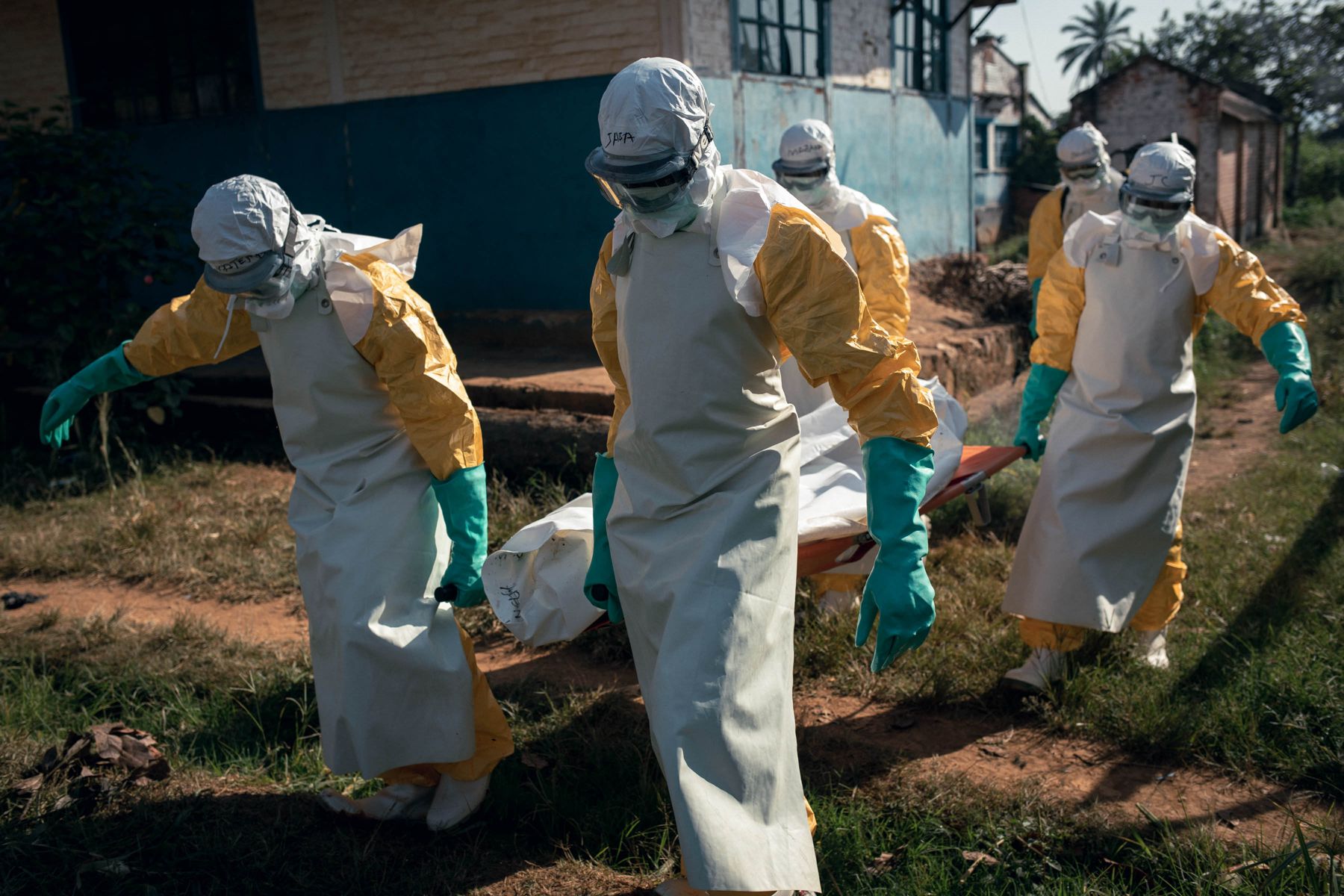
As of 16 August, national authorities had reported more than 5,000 confirmed cases and more than 2,400 deaths. MSF reported that more than 60 per cent of Ebola deaths had occurred outside treatment centres, often far from specialised facilities.
By August, more than 1,400 MSF staff were supporting the response across several affected provinces, operating treatment centres and isolation units while strengthening local health facilities and community-based activities.
The situation underscored the need to bring testing, isolation, referral and treatment closer to affected communities.
The emergency is Ebola—and everything surrounding it
The outbreak has exposed the pressures already affecting eastern DRC’s health system. Ebola requires rapid detection, testing, treatment, infection prevention and strong community engagement, but each becomes harder when insecurity restricts access, people are repeatedly displaced and other diseases continue to spread.
Responding to Ebola therefore requires more than containing one virus. Resources for the outbreak need to reinforce, rather than eclipse, the wider medical response.
For communities living through the crisis, there is no neat separation between Ebola, cholera, measles, malaria, maternity needs or injuries caused by conflict. Each requires timely access to care.
The Ebola outbreak and the response are ongoing.