



South Yemen:
five things
you need to know
Renewed fighting, mass displacement and rising medical needs are deepening an already devastating humanitarian crisis.
Explore the story ↓People in Yemen urgently need humanitarian assistance.
People are displaced across the country.
People displaced in the past month amid escalating insecurity.
Figures reflect the reporting period cited in the October 2026 article.
A new escalation.
An ongoing crisis.
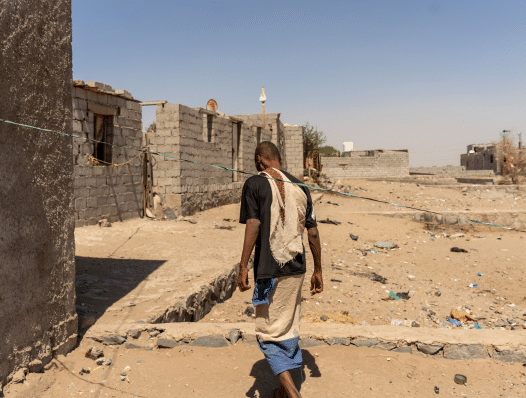
People fleeing violence along Yemen's western coast are reaching Aden, Lahj and other areas after difficult journeys, often with little food, water or shelter.
Health facilities are struggling to meet existing needs while responding to growing numbers of patients.
Explore five questions to understand the humanitarian situation and how MSF is responding.
What is happening in the south of Yemen?
The recent escalation in Yemen has intensified an already severe humanitarian situation. Insecurity along the western coast has forced people to flee their homes and disrupted access to essential services.
Many communities are facing the consequences of years of conflict, economic hardship and a weakened healthcare system.
The latest fighting is placing additional pressure on health facilities that were already struggling to meet people's needs.
The latest escalation is unfolding on top of years of humanitarian and healthcare emergencies.
How are families being affected?
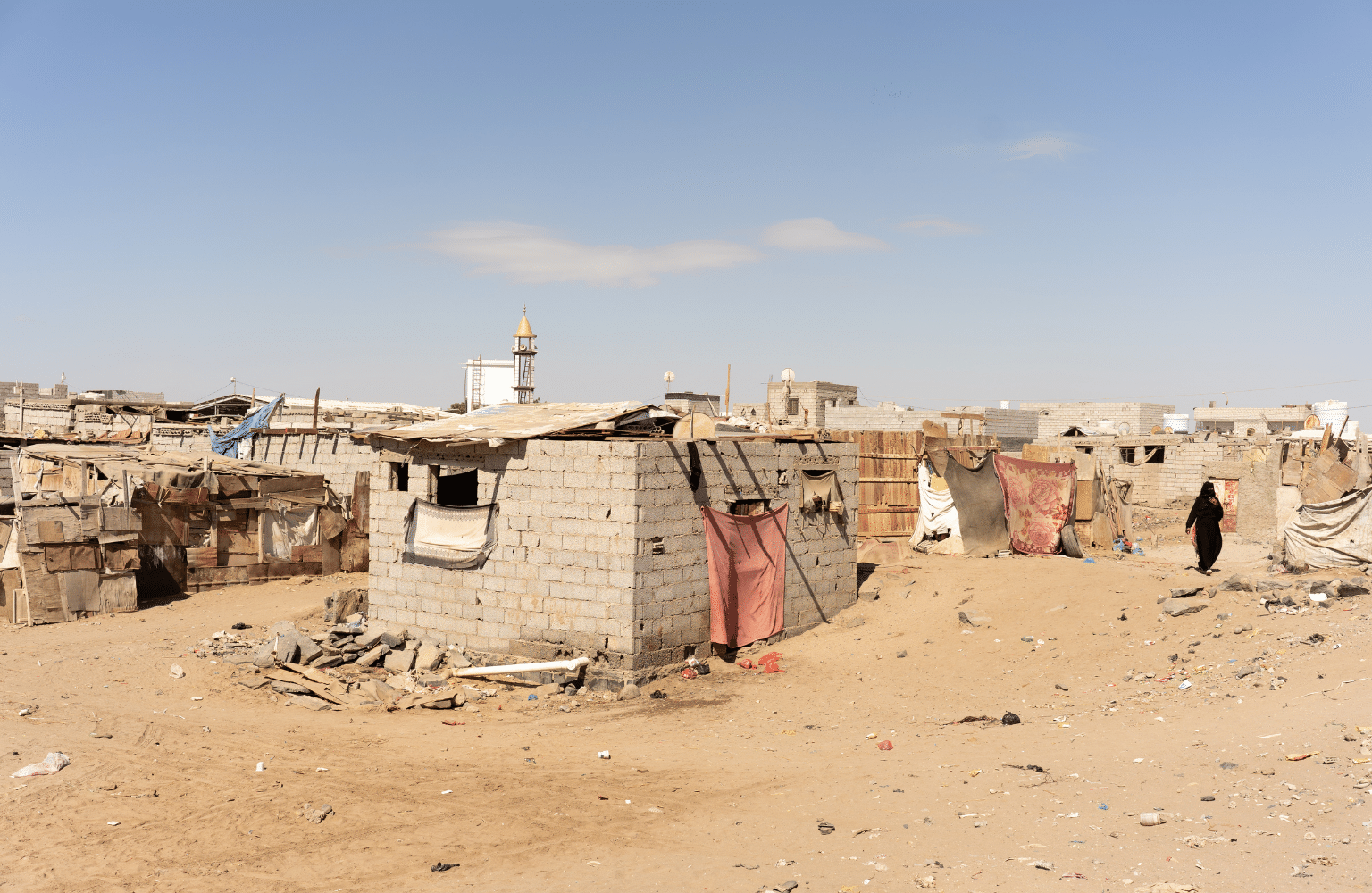
Families are leaving their homes in search of safety, often travelling long distances under difficult conditions.
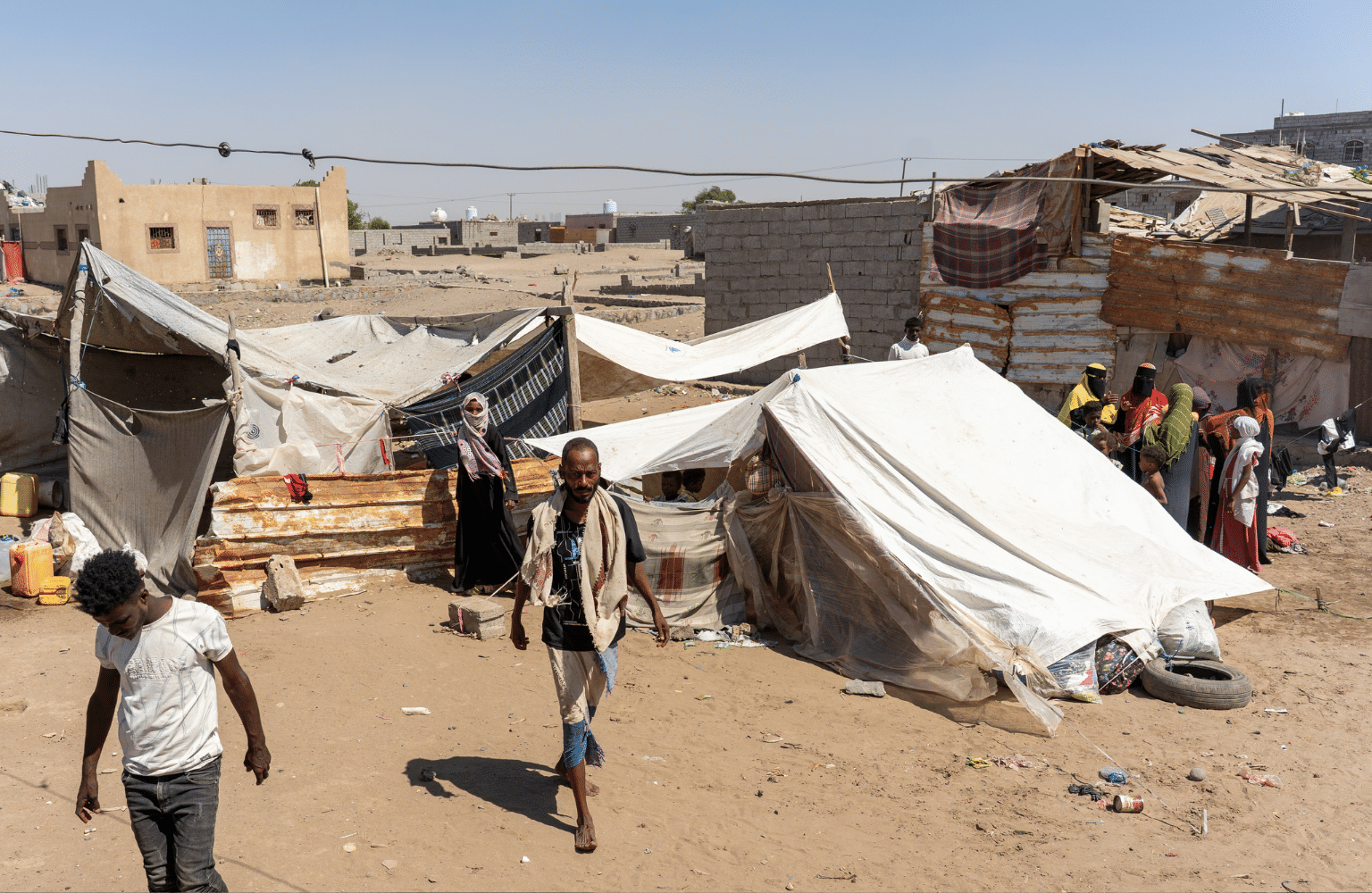
Some arrive in displacement sites without adequate shelter, food, clean water or sanitation facilities.
People who have already experienced years of hardship are now facing further displacement and uncertainty.
Displacement is not only about losing a home. It can also mean losing access to food, healthcare, livelihoods and safety.
What medical needs are most urgent?
Food insecurity and the loss of livelihoods are contributing to malnutrition, while overcrowding and poor sanitation are increasing the risk of disease.
Medical teams are seeing patients with diarrhoea, fevers, skin conditions and other infectious diseases. Cholera also remains a serious concern.
Women and children are particularly affected, while pregnant women continue to require timely access to safe maternal healthcare.
70% of patients treated in camps across Aden and Lahj governorates are women and children.
Risks linked to inadequate access to safe water and sanitation.
Worsening food insecurity and disrupted livelihoods.
Diarrhoea, fever, skin infections and other medical needs.
Difficult journeys and strained healthcare facilities.
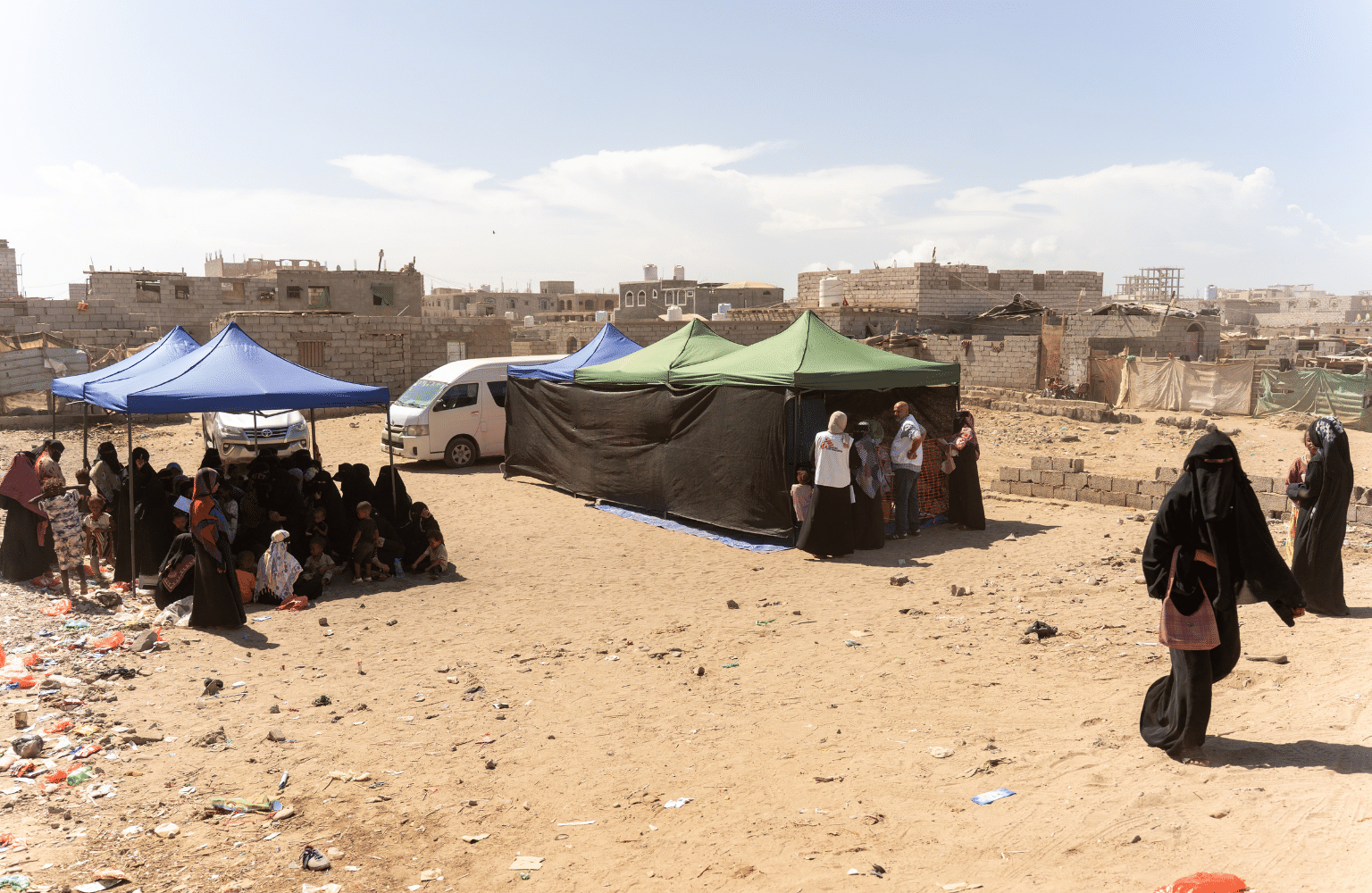
How is MSF responding?
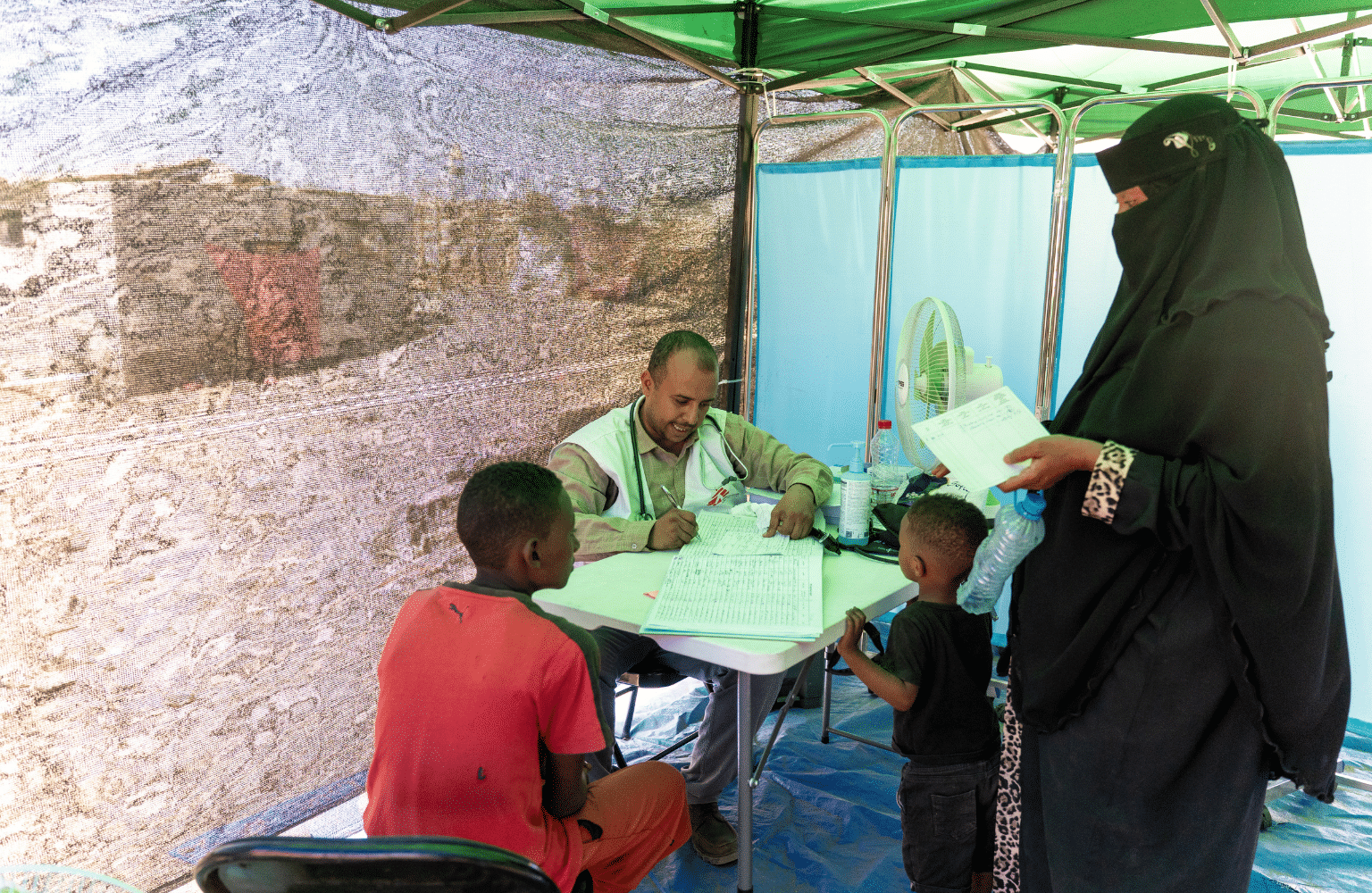
MSF is adapting its activities to respond to rising needs, supporting healthcare facilities and providing medical services to displaced communities.
Explore the response in different locations. Select each card to learn more.
Mocha General Hospital
Seen in the emergency department between 10 September and 6 October.
MSF also assisted 45 deliveries.
MSF continues supporting maternity and paediatric services to ensure women and children can access essential medical care.
Many women arriving in labour were already facing malnutrition before the latest escalation.
Khokha Health Centre
Average primary healthcare consultations per day.
2,122 patients were seen at triage between 10 September and 6 October.
The cholera treatment unit has been reactivated.
Emergency medical kits were pre-positioned in Khokha, Mafraq al Mocha and Dhubab primary healthcare centres.
Aden & Lahj Mobile Clinics
Provided since 15 September.
20 children were diagnosed with severe acute malnutrition.
MSF mobile medical teams are reaching displaced families who face difficulties accessing existing healthcare facilities.
MSF is also assessing the needs of communities living in camps and informal settlements.
Aden, Lahj & Taiz
Sent to hospitals in Taiz to support emergency care.
MSF is supporting capacity at Ibn Khaldoun Hospital in Lahj.
MSF is also supporting trauma services and providing supplies to Al-Jumhouria Hospital's emergency department in Aden.
At the time of the original report, MSF was not directly treating trauma injuries.
Operational figures reflect the reporting periods in the original October 2026 article.
What needs to happen now?
Humanitarian assistance must be urgently expanded to respond to people's increasing needs.
Families displaced by the conflict need safe water, adequate sanitation, food, shelter and essential supplies.
Access to healthcare must remain possible despite insecurity and displacement.
MSF continues to assess needs and adapt its medical activities to support affected communities.
Civilians and healthcare must be protected at all times.
Maintain essential healthcare for affected populations.
Improve water and sanitation in displacement sites.
Protect civilians, patients and medical workers.
Enable assistance to reach communities in need.
People need care.
And they need it now.
As humanitarian needs rise across Yemen, protecting patients, medical workers and access to essential services remains critical.