23 June, Jerusalem – As international focus shifts to the escalating conflict between Israel and Iran, Israeli forces have ramped up their activities in the West Bank. Increased military operations in Jenin, Nablus, and Tulkarem governorates, along with additional troop deployments, have led to heightened restrictions on Palestinians. Médecins sans Frontières (MSF) warns that these actions exacerbate the already dire situation for Palestinians in the West Bank, who face significant barriers to accessing healthcare and essential services, especially since October 2023. MSF urges an immediate halt to measures that contribute to forced displacement and a system of annexation, including prolonged military presence, movement restrictions, demolitions, excessive use of force, and denial of basic services.
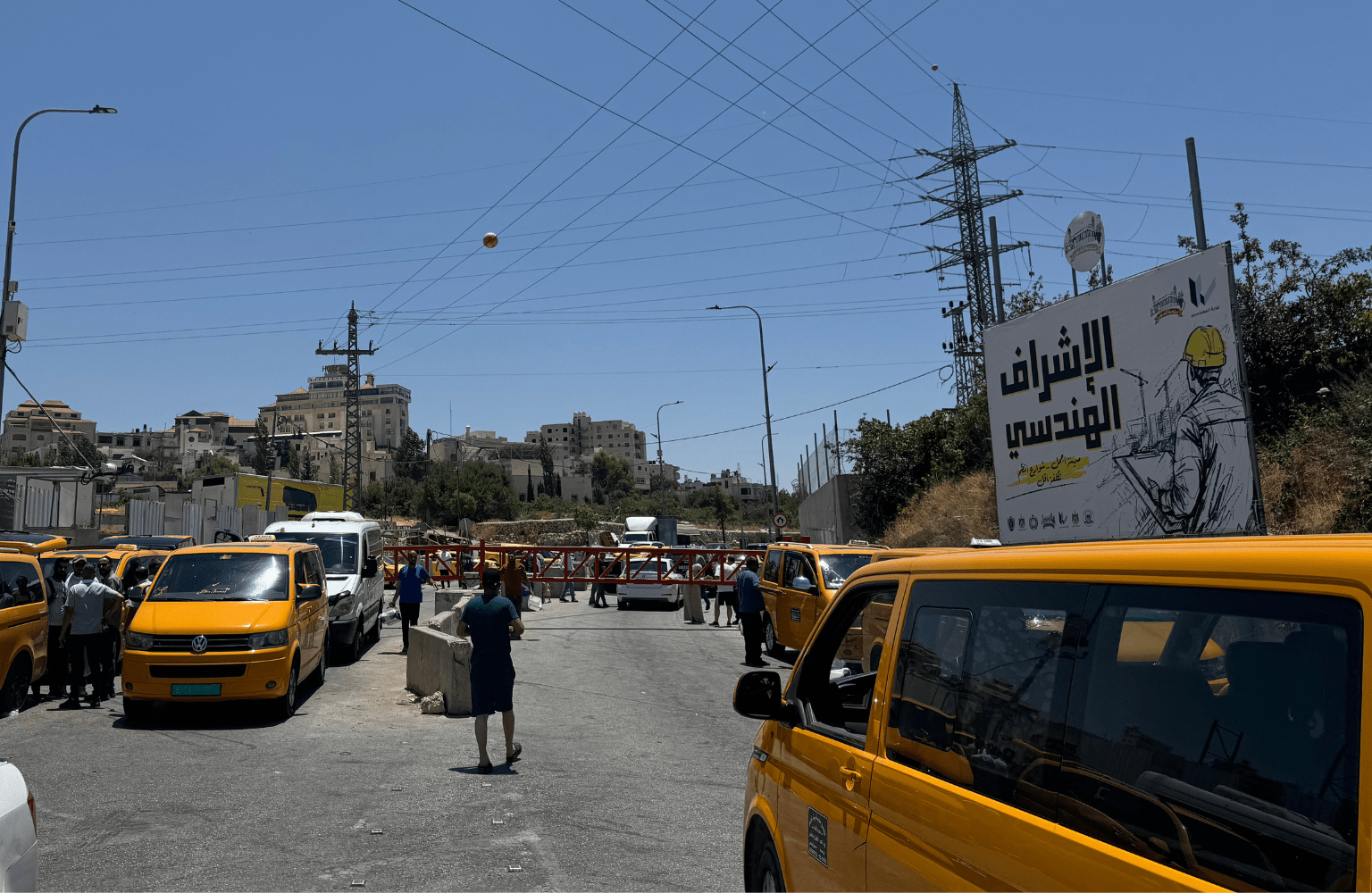
On 13 June, the day the escalations started, the Israeli authorities blocked all major Israeli checkpoints and road gates entrances to Hebron for four days. This forced people seeking medical care to cross between areas on foot, forcing critically ill people to walk long distances, taking the risk of being shot at, or being prevented from crossing at all.
On June 13 the Israeli forces raided my village in Tulkarem, they took over two residential buildings and turned them into military barracks, displacing the people who were living there. Since then, they have been patrolling the village regularly, conducting investigations, interrogations, arrests, searches, and detentions.
Karim*, MSF Staff Member
MSF has suspended mobile clinics in Hebron and Nablus that provide mental health, sexual reproductive care, and basic healthcare due to these checkpoint closures and security concerns from the intensified military operations. In Jenin and Tulkarem, mobile clinics had to adapt working hours, running on some days, not others, because of Israeli forces presence in nearby villages. This has forced patients to rely on phone consultations.
On 14 June, I tried to take my brother from Bethlehem to a medical appointment in Hebron - a trip that should take 25 minutes. But due to the new Israeli restrictions, all main entrances and exits were closed. It took us three hours, and in the end, despite being very ill, he had to walk through a closed checkpoint on foot, like many others, which is not safe.
Oday Al-Shobaki, Communications Officer
Military operations and violent raids by the Israeli army have been going on for years in the West Bank. 2022 saw a then-record number of Palestinian deaths due to violence by Israeli forces or settlers. Since October 2023, Israeli forces have increased the number of coercive measures and use of extreme physical violence against Palestinians in the occupied West Bank including severe movement restrictions, military raids, and systemic barriers to essential services.
In January 2025, the Israeli forces began the ‘Iron Wall’ military operation in northern West Bank, which is still ongoing. Violently emptying well-established camps and preventing any return, more than 42,000 people have been forcibly displaced and left without stable homes and with limited access to food, water, and medical care.
This latest wave of restrictions and violence over the last week, seems to be an opportunity for Israeli forces to entrench control, deepen the fragmentation of Palestinian communities and further the system that the International Court of Justice has described as amounting to racial segregation and apartheid.
We urge third states to move beyond words of condemnation and put real pressure on Israeli authorities to end excessive force and lift movement restrictions blocking access to essential services and humanitarian aid, scaling up support for displaced and isolated communities across the West Bank.
Simona Onidi, Project Coordinator, Jenin and Tulkarem