Inhabited Border Villages in Southern Lebanon Remain Isolated as Residents Struggle to Access Water and Essential Services

Inhabited Border Villages in Southern Lebanon Remain Isolated as Residents Struggle to Access Water and Essential Services

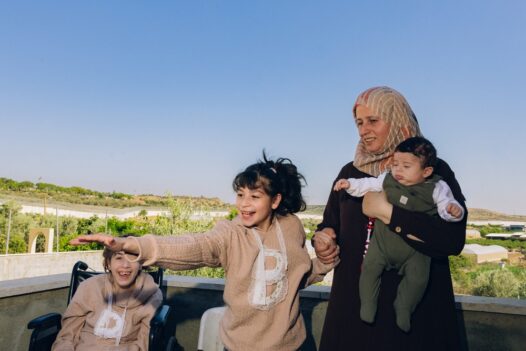
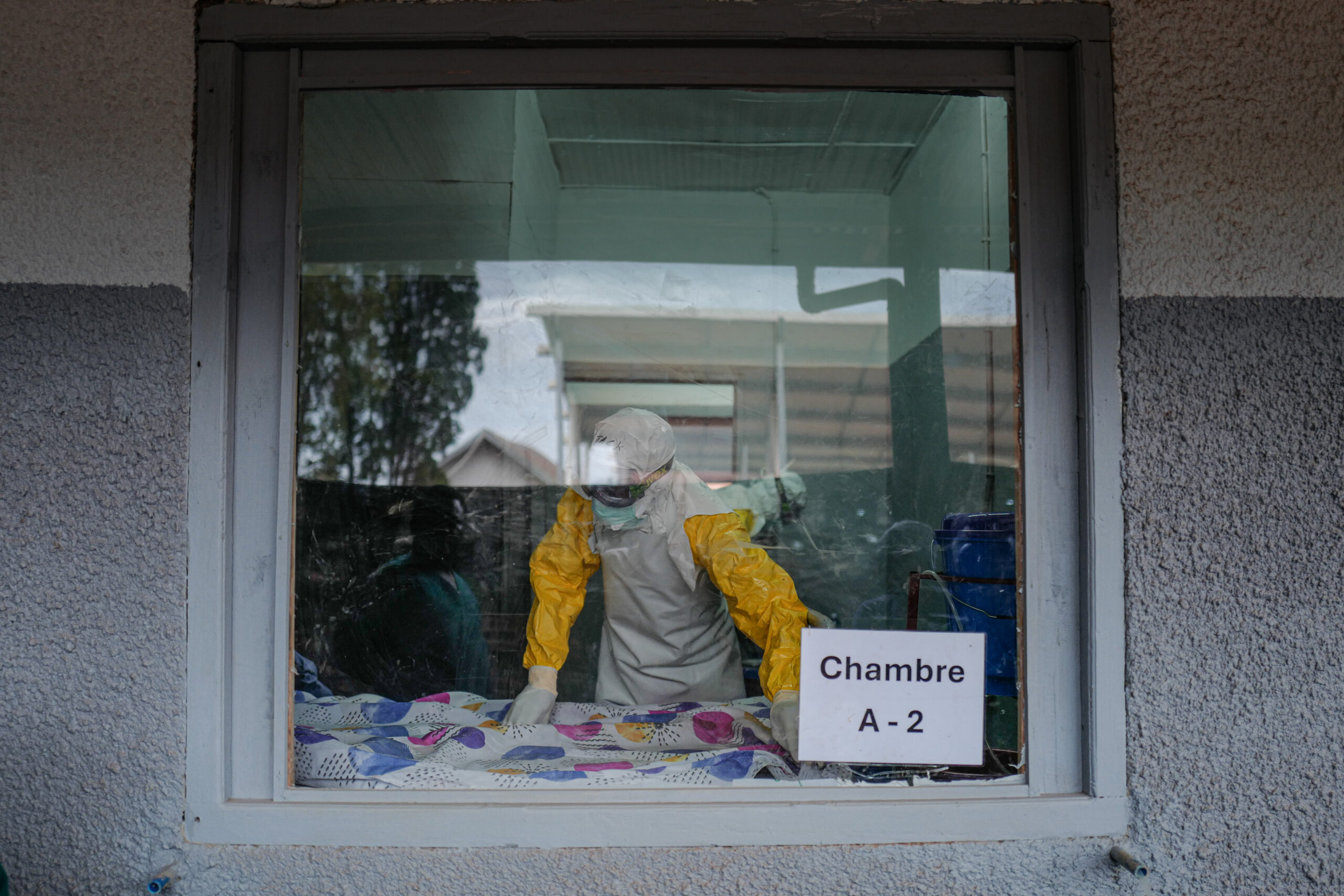
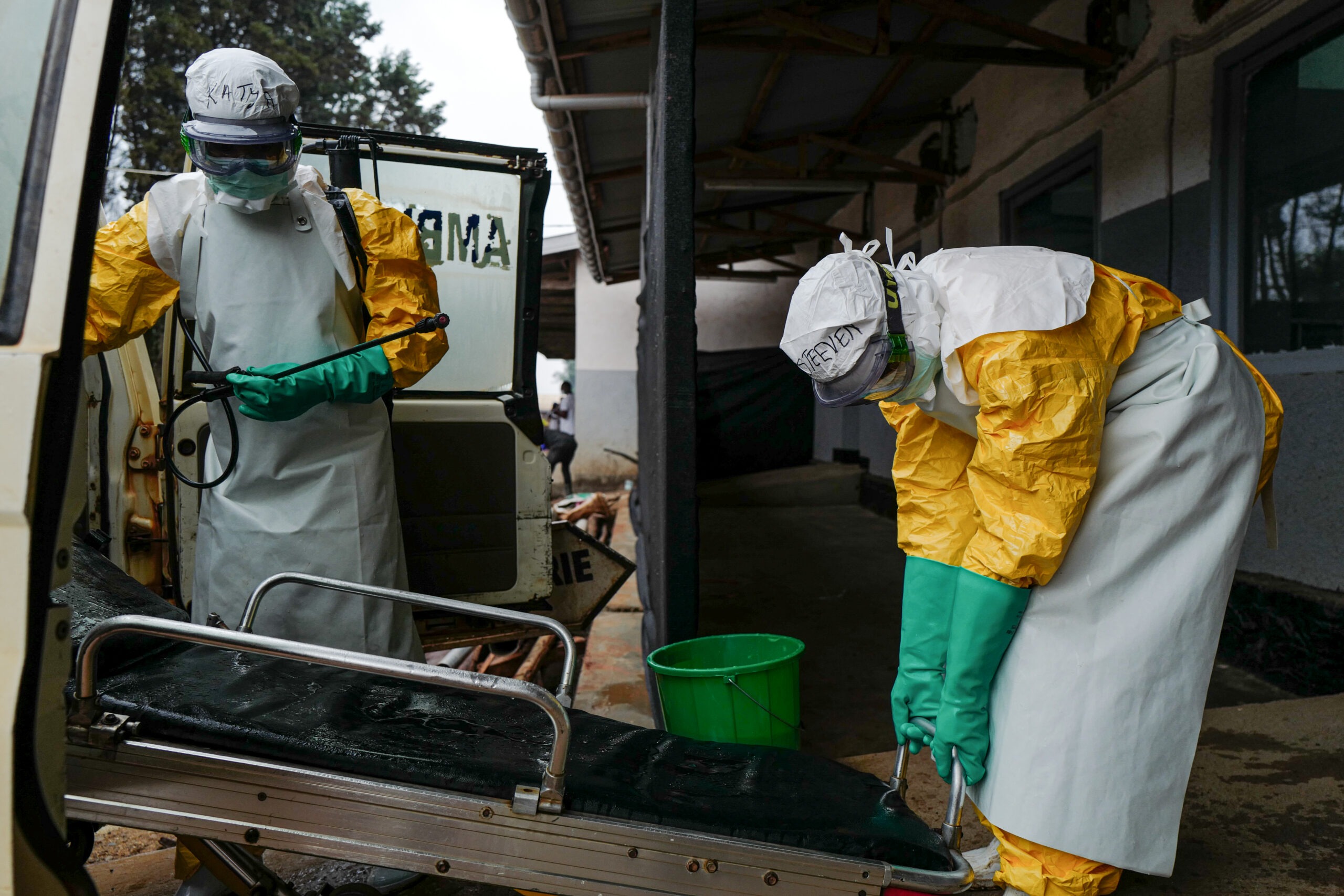
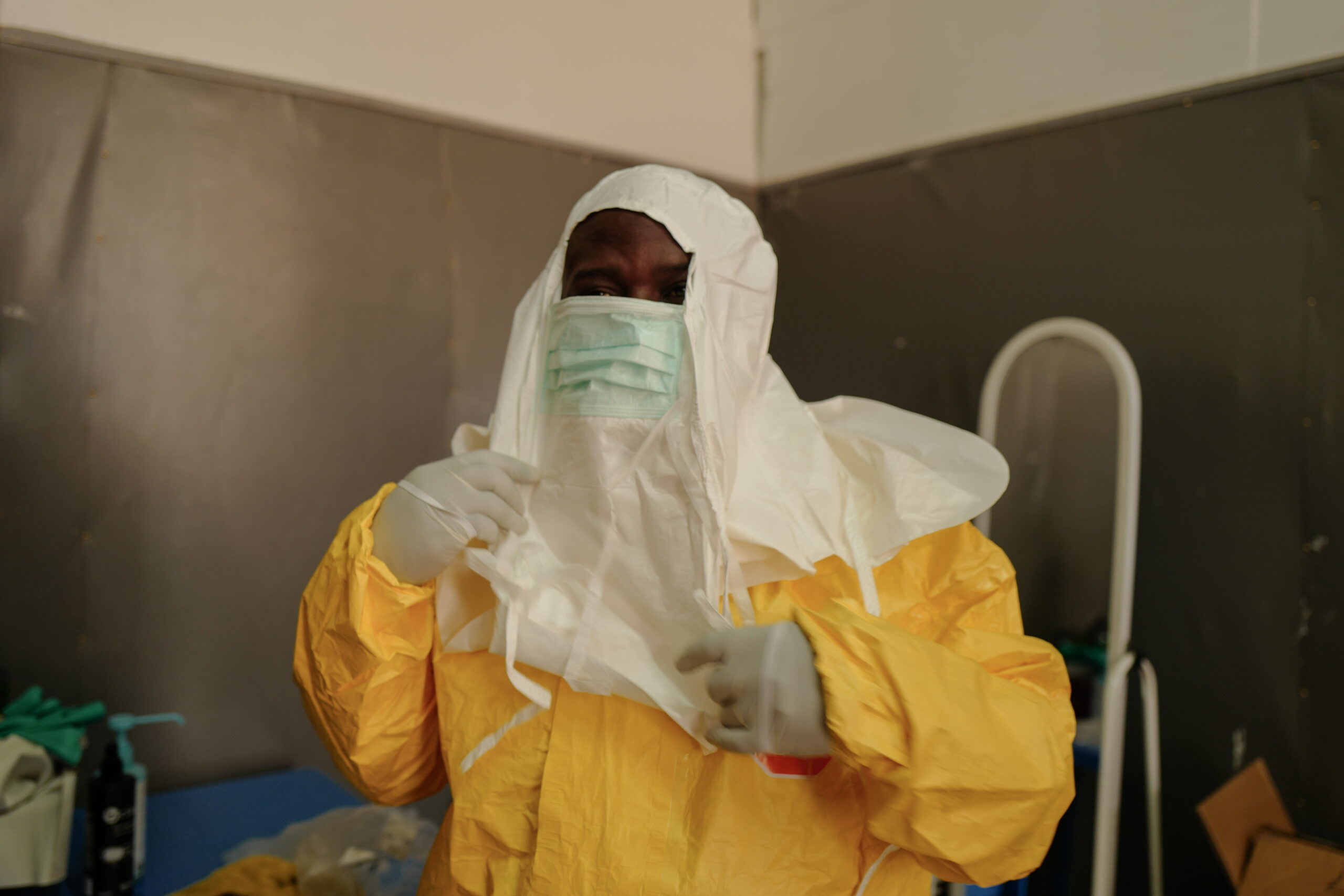
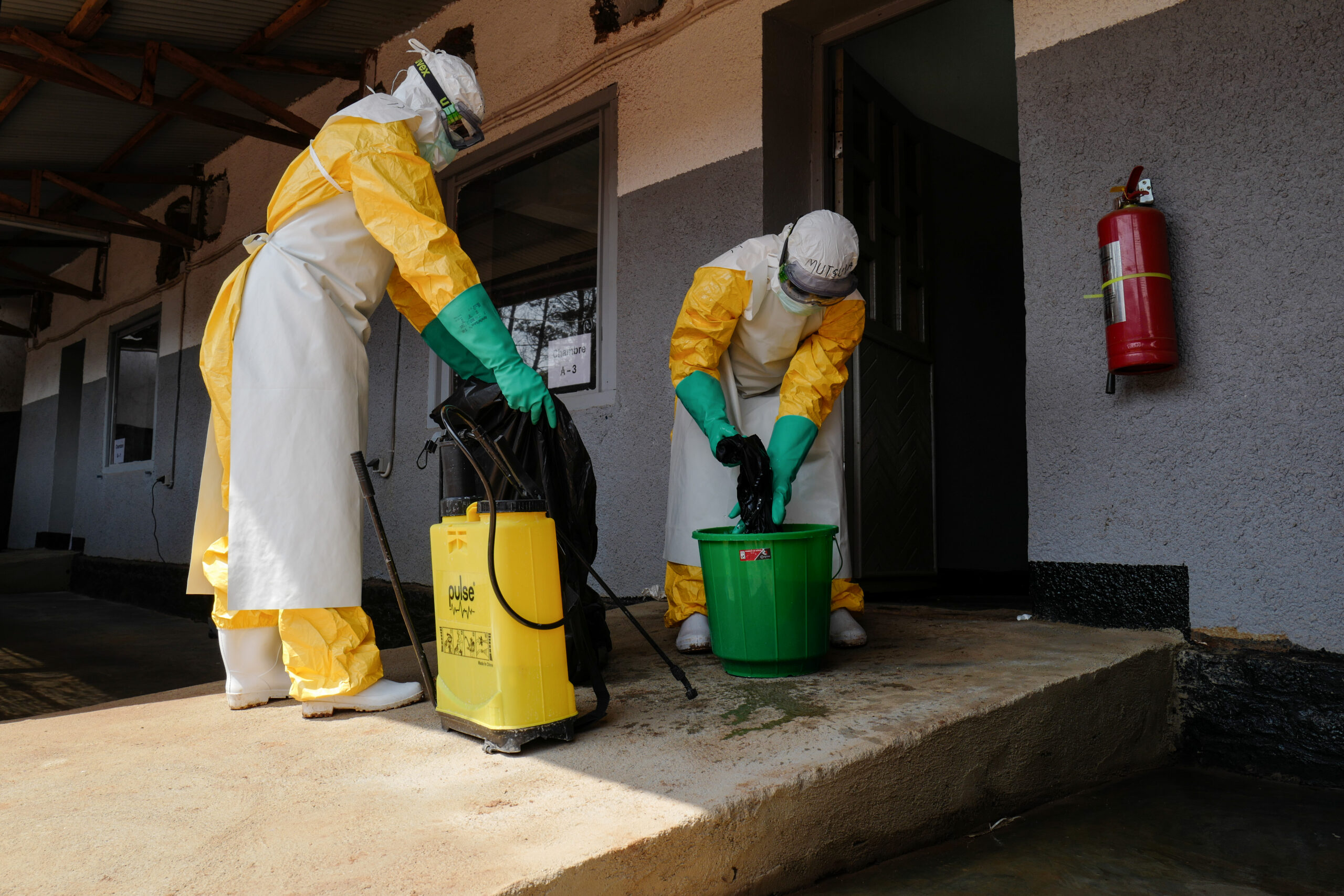
For months, the villages of Rmeich, Debel, and Ain Ebel in southern Lebanon have endured the consequences of Israeli military operations, repeated attacks, and ongoing movement restrictions. Located only a few kilometres from the southern borders, these communities found themselves trapped throughout the war, cut off from essential services, while facing severe limitations on their ability to move safely and access basic necessities.

While most residents of the border areas were forcibly displaced following Israeli evacuation orders, these villages remained inhabited. Families stayed behind despite Israeli attacks, widespread destruction, and damage to civilian infrastructure. “Residents described living in a state of uncertainty, with emergency medical referrals delayed for days and access to healthcare, markets, and essential services severely restricted,” says Guilherme Botelho, MSF Emergency Coordinator.

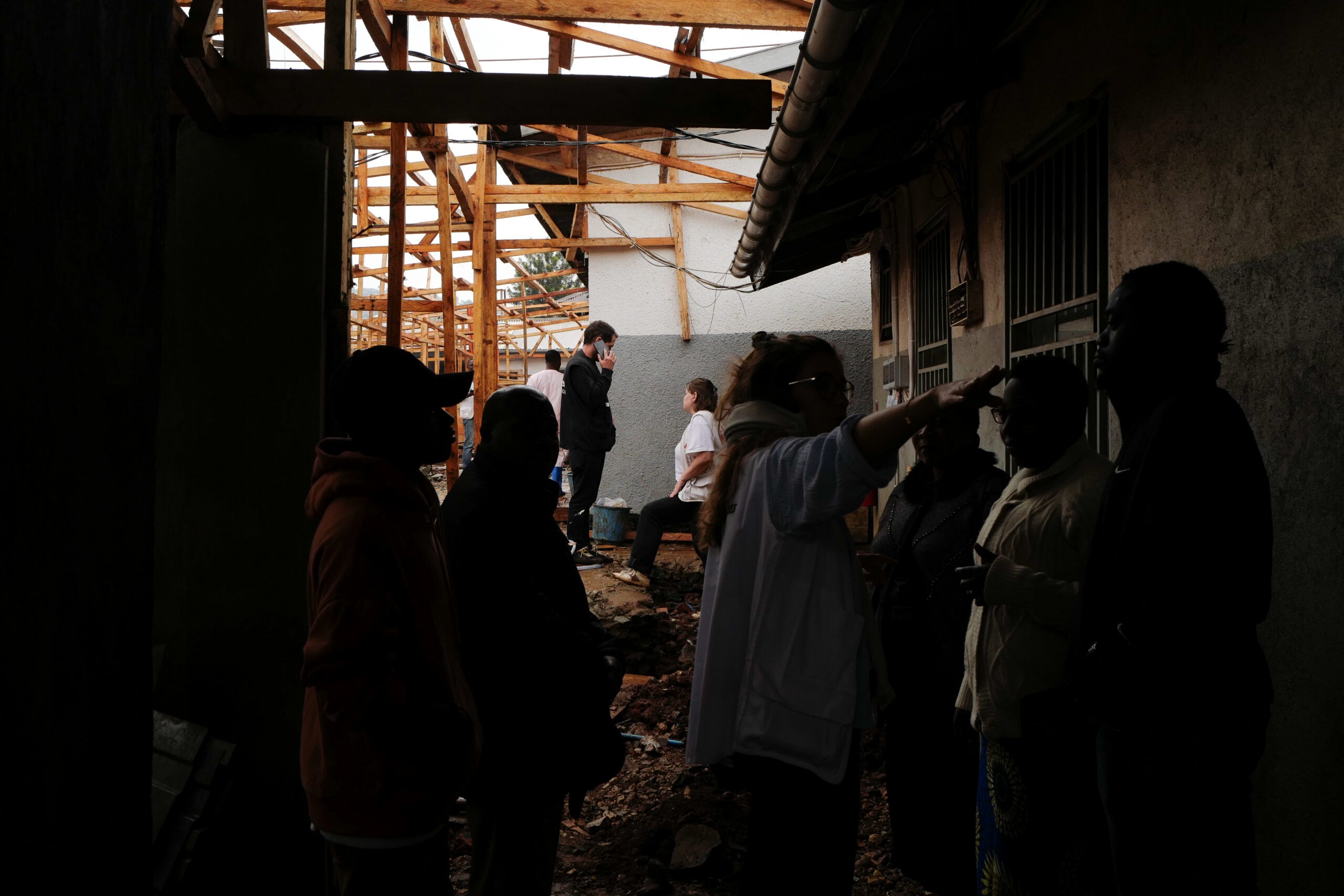
Despite the insecurity and severe movement controls imposed on the area, MSF teams were able to gain access to Rmeich, Debel, and Ain Ebel on two separate occasions to assess humanitarian needs and better understand the challenges that communities face. The journey itself revealed the devastating impact of the war.

“Along the route, we witnessed damaged roads, destroyed infrastructure, and extensive signs of destruction resulting from Israeli military operations. Months of attacks and restrictions have left these communities largely isolated, forcing thousands of residents to navigate daily life with limited access to healthcare, water, and other essential services,” adds Botelho.

One of the most urgent concerns identified by MSF teams was access to water.

Across the three villages, water infrastructure has been damaged or rendered inoperable. In Debel, the main municipal water source is in an area that residents can no longer safely access, while the water pump, solar system, and supply network have all sustained damage. Most families now depend on expensive water trucking to meet their daily needs.

In Ain Ebel, the village’s primary borehole is no longer functioning, further exacerbating water scarcity. In Rmeich, only one of two boreholes remains operational, while damaged equipment threatens the continuity of supply. Communities repeatedly expressed their fears that access to water could deteriorate even further if repairs cannot be carried out safely.

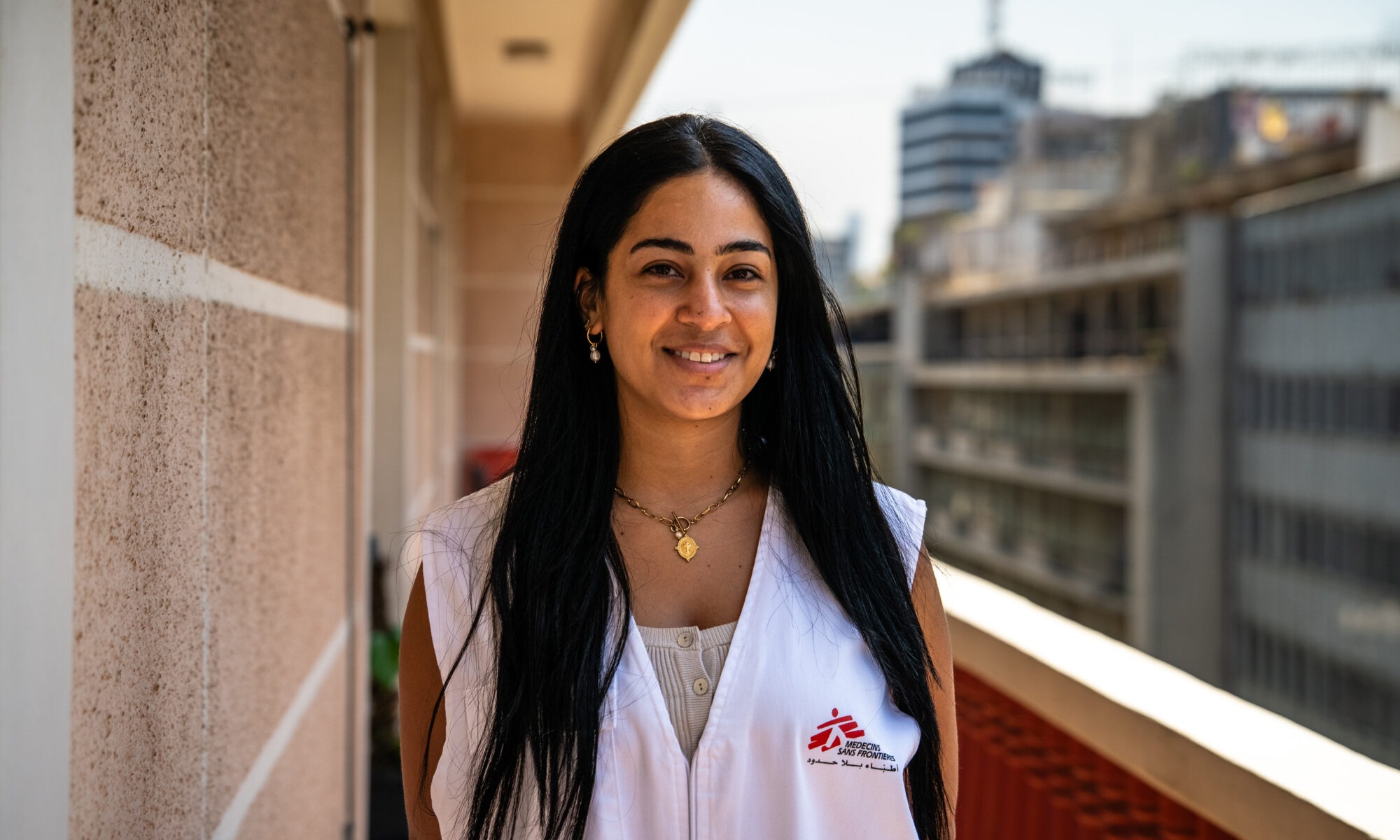
“The destruction and disruption of water infrastructure have had serious consequences for civilians. Families are paying increasingly high costs to secure water, while vulnerable groups—including displaced people, elderly, and refugees—face additional barriers to meeting their basic needs,” says Yara Thebian, Deputy Project Coordinator.

Beyond water, MSF teams identified growing humanitarian concerns linked to limited healthcare access, increasing mental health needs, rising living costs, and deteriorating living conditions. Communities reported high levels of anxiety and stress after months of insecurity and isolation, while local health structures continue to operate under significant constraints.

Access to emergency and hospital care remains a critical concern. The three villages rely largely on local primary healthcare services, while access to secondary and tertiary care is severely restricted by movement controls. Patients requiring urgent hospitalization or specialist care have faced delays of up to 72 hours or more while awaiting authorization for medical referrals. Local healthcare workers reported cases in which delayed transfers had life-threatening consequences, underscoring the urgent need for timely access to emergency medical care and functioning referral pathways.

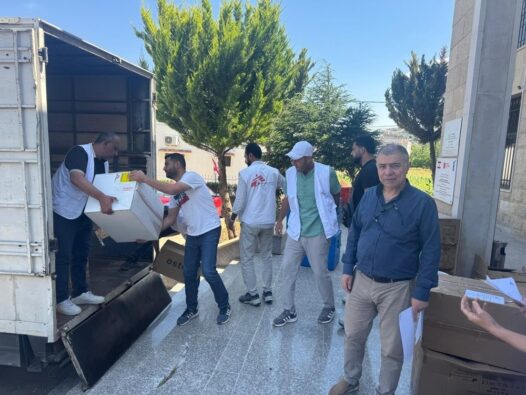
 MSF distributed hygiene kits, flour, diapers, dignity items, and other essential relief supplies to vulnerable households. Medical and first-aid materials were provided to local health facilities and emergency responders to strengthen their ability to respond to community needs.

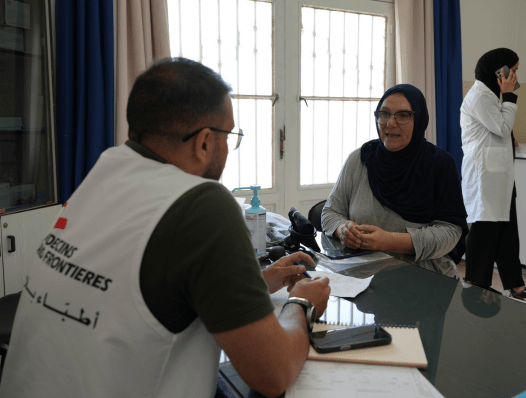
During the visit, MSF teams conducted health, environmental health, and community assessments across the three villages to better understand existing needs and identify priorities for support. The findings highlight the devastating humanitarian consequences of attacks and restrictions that have affected civilian infrastructure and essential services. Access to water, healthcare, and humanitarian assistance remains a critical concern for communities living along Lebanon’s southern border.

For the people of Rmeich, Debel, and Ain Ebel, who remain trapped by conflict and movement restrictions, access to water and emergency medical care is a matter of survival. Delays in accessing these essential services can have life-threatening consequences.


Facebook
Twitter
LinkedIn
WhatsApp
Print

Médecins Sans Frontières (MSF) warns of deadly conditions in Nabatiyeh, southern Lebanon

Médecins Sans Frontières (MSF) warns of deadly conditions in Nabatiyeh, southern Lebanon

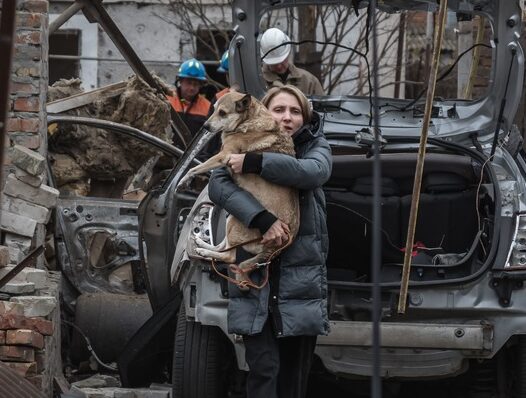
“Since the morning of 19 June, 25 killed and 37 wounded have been brought into Najdeh Al-Shaabiyeh Hospital, many in critical condition. Our team is responding to an influx of patients of all ages, including paramedics wounded during rescue missions. People are arriving with severe head injuries, heavy bleeding, shrapnel injuries and in need of amputations, while others are suspected to be trapped under rubble as bombardment continues.

Just yesterday, 18 June, our teams witnessed people returning to their towns in Nabatiyeh governorate and searching through the rubble of their destroyed homes. They had gone back in the hopes that it might finally be safe. Instead, many are now once again trapped under bombardment.

Meanwhile, some search-and-rescue and ambulance teams MSF supports and works closely with are unable to reach some of the wounded or evacuate some of civilians because moving through the area is simply too dangerous, and because responders have repeatedly been put at risk of coming under Israeli fire while doing their job.

The ongoing situation in Nabatiyeh is devastating. What our teams are describing resembles a death trap. People are caught under heavy shelling, while rescue teams are unable to safely reach them. Civilians and first responders must be protected, and unhindered access for rescue teams is urgently needed.”

Pierre Boulet-Desbareau
MSF Emergency Coordinator in Lebanon

Facebook
Twitter
LinkedIn
WhatsApp
Print

South of Lebanon: “They stayed” – a healthcare system strained after 46 days of bombardments.

South of Lebanon: “They stayed” – a healthcare system strained after 46 days of bombardments.

The war in Lebanon – now under a fragile 10-day ceasefire – had a devastating impact on Lebanon’s healthcare system and staff. While bombings by Israeli forces killed and injured people, attacks on first responders and the vicinity and on hospitals, also put healthcare workers at risk, leaving many wounded and killed. Despite this, Lebanese health workers continued to provide life-saving care under immense pressure.

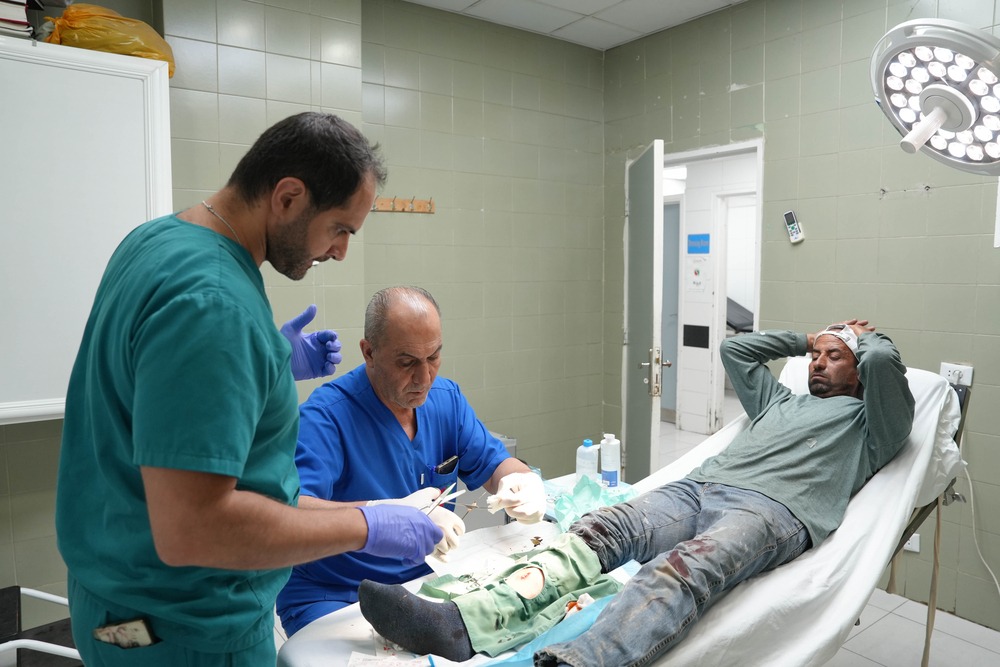
In southern Lebanon, working around the clock, healthcare staff responded to near-daily influx of injured and killed people brought to the hospital. Patients, including children, arrived with severe injuries, including heavy bleeding, traumatic amputations, and complex wounds. Healthcare workers often feared that among the injured could be family members or people they knew.

“Healthcare staff in Nabatiyeh’s hospitals slept inside the hospitals for a total of 46 days,” says Tania Hachem, MSF medical program responsible. “Some couldn’t go see their families, while others had relatives staying with them in the hospital.”

In Nabatiyeh, southern Lebanon, thousands were forcibly displaced following Israeli forces’ massive bombardment and then blanket evacuation orders. Yet, many families chose to stay behind, and healthcare workers remained at their posts, working round the clock to keep life-saving services running. At the Nabatiyeh Governmental Hospital, around 42 families, medical staff and their children, sheltered inside the hospital. Just a few kilometers away staff at the Najdeh Chaabiye Hospital were also responding to mass casualty events while sheltering inside the facility, as moving inside the city was extremely dangerous, due to ongoing strikes by Israel forces, and even obtaining basic supplies required ambulances to travel to other cities.

“Part of our emergency-preparedness plan was for everyone to remain inside the hospital, so no one had to go back and forth. Doctors slept here, and their children stayed with them,” explains Dr Mona abu Zeid, director of the Najdeh Chaabiye Hospital, Nabatiyeh, who also stayed at the hospital throughout the escalation. Patients injured by Israeli strikes would be brought in with devastating injuries, heavy bleeding and life-aletering wounds.

“ Sometimes children would come to the hospital with both their parents killed.”

Providing care while under attack

From 2 March, the World Health Organization reported near daily attacks on healthcare – a total of 147 – up until the recent 10-day ceasefire, damaging hospitals, killing over 100 and injuring

233 health care workers, including cases where teams were struck during repeated attacks on the same locations while responding to injured patients. At least six hospitals were forced to close, while many others sustained damage.

At Nabatiyeh Governmental Hospital, just hours after speaking with a paramedic, Dr. Ahmad received the body of his colleague – killed.

“We spent the morning outside together, just chatting,” explains Dr Ahmad Zreik, general medicine doctor at Nabatiyeh Governmental Hospital. “Then he left to respond to an emergency. He suffered severe trauma and was killed as a result. We had just seen him that very morning; we had just spent time together. Imagine, you see someone and everything is perfectly normal, until suddenly it isn’t. He was a paramedic. He left and never came back. He returned in body, but without his soul.”

Hospitals supported by MSF in Sour and Nabatiyeh sustained some damages due to strikes in close proximity. In Sour, Hiram Hospital, medical staff were wounded by shattering glass; in Lebanese Italian Hospital , bombings in the vicinity damaged medical equipment including kidney dialysis machines, and in Jabel Amel Hospital, medical staff swept up glass and reinforced windows after they were shattered by the force of nearby blasts.

The 10-day temporary ceasefire remains fragile, during which healthcare workers in hospitals are trying to rest as well as prepare in case hostilities resume. MSF continue to support hospitals, including Jabal Amel, Lebanese Italian in Sour/Tyre, Nabatiyeh Governmental Hospital and Najdeh al Shaabiyeh Nospital in Nabatiyeh, as well as Rafik Hariri Hospital and Baalbek Governmental Hospital among others, with donations, as well as trauma and emergency care.

Facebook
Twitter
LinkedIn
WhatsApp
Print

Healing Colors: Stories of Hope and Courage

Sham, 12 years old This is a sad monster with a gunman's weapon pointed at him. And around him are hearts we embrace with love, because even a monster deserves to be loved and not feared. I am only scared of the weapon.

Healing Colors: Stories of Hope and Courage

This exhibition shares the voices and feelings of children we meet through our mental health and psychosocial support activities in the Baalbek-Hermel region, where MSF runs fixed and mobile clinics. 

Each drawing tells a personal story — of home, memories, hope, and resilience. These children have faced displacement and change, yet through their art they express what they miss, what they dream of, and what gives them strength. 

Here you will see trees that once gave shade and fruit, homes filled with love, skies with birds and butterflies, and eyes that hold sadness but also courage — and new dreams growing like leaves on a tree. Their drawings remind us that mental health is about feelings, identity, and healing — even when life has been difficult. 

This exhibition is more than images; it is an invitation to pause, listen, and connect with the inner worlds of these young artists. 

Thank you for joining us in honoring their strength, creativity, and the importance of supporting mental health for every child and community. 

Enter: WORLD MENTAL HEALTH DAY | artspaces | kunstmatrix 

Facebook
Twitter
LinkedIn
WhatsApp
Print

Ceasefire in Gaza: Humanitarian aid must flow immediately

Ceasefire in Gaza: Humanitarian aid must flow immediately

The announcement of the first phase of the ceasefire in Gaza brings a welcome moment of relief for exhausted, starved, and grieving Palestinians and a great relief to the families of all hostages — but it comes after more than two years and over 67,000 lost lives.  

While we welcome the ceasefire, it does not mark the end of this horrendous suffering — people in Gaza are left to survive amid the ruins of what was once their home, facing immense medical, psychological, and material needs. 

The feeling of our colleagues and the people around us is one of hope, a lot of hope, wishing that this nightmare will finally stop and they will be able to be at peace, be able to recover from their trauma, both physical and mental. But there's also a lot of uncertainty of what is going to happen, what are the next steps.
Jacob Granger, MSF emergency coordinator in Gaza

The ceasefire must be respected and sustained because it’s the only way that will allow care to be provided at the scale people desperately need — something that was impossible under siege and bombardment. In the long term, we hope to see this ceasefire leading to efforts to rebuild the Strip, including restoring the shattered healthcare system. 
 
The most basic necessities are still urgently needed in Gaza: medical equipment, medicines, food, water, fuel, and adequate shelter for two million people who will face the approaching winter without a roof over their heads.  

This ceasefire must be accompanied by an immediate massive and sustained scale-up of aid into and across the Strip, including the north. We urge the Israeli authorities to allow a sufficient and unimpeded flow of humanitarian assistance and to authorize medical evacuations for patients in need of urgent specialist care. At the same time, the UN-led humanitarian coordination mechanism must be reinstated to guarantee safe and impartial access to aid for those in need, wherever they are in the Gaza Strip.

Facebook
Twitter
LinkedIn
WhatsApp
Print

MSF forced to suspend activities amid intensified Israeli offensive in Gaza City

Logistics staff dismantle and evacuate tents often used for triage and overflow, are no longer available to the influx of wounded from continued Israeli airstrikes.

MSF forced to suspend activities amid intensified Israeli offensive in Gaza City

Gaza – The relentless Israeli offensive in Gaza City, Palestine, has forced Médecins Sans Frontières (MSF) to suspend vital medical activities in the area due to the rapidly deteriorating security situation. The situation includes continued airstrikes and advancing tanks less than one kilometre from our healthcare facilities. The escalating attacks from Israeli forces have created an unacceptable level of risk for our staff, forcing us to suspend lifesaving medical activities. 

“We have been left with no choice but to stop our activities, as our clinics are encircled by Israeli forces,” says Jacob Granger, MSF Emergency Coordinator in Gaza. “This is the last thing we wanted, as the needs in Gaza City are enormous, with the most vulnerable people – infants in neo-natal care, those with severe injuries and life-threatening illnesses – unable to move and in grave danger.” 

While large numbers of people have fled south due to evacuation orders, there are still hundreds of thousands of pople in Gaza City, who are unable to leave and have no other option but to stay. Those who are able to leave face an impossible choice: either remain in Gaza City under intense military operations and the deterioration of law and order, or abandon what’s left of their houses, their belongings, and their memories, to move to areas where humanitarian conditions are rapidly collapsing. 

 
We have been left with no choice but to stop our activities, as our clinics are encircled by Israeli forces... This is the last thing we wanted.
Jacob Granger, MSF Emergency Coordinator in Gaza

At the same time, partially functional hospitals across the Strip are overwhelmed due to severe shortages of staff, supplies, and fuel. Patients also face enormous obstacles reaching care, often arriving late and in critical condition.

Last week alone, and despite the mounting offensive, our clinics in Gaza City carried out over 3,640 consultations and treated 1,655 people with malnutrition. We have also treated patients with severe trauma injuries, burns, as well as pregnant women and others requiring ongoing medical care who are unable to leave the city. This shows the scale of medical needs. Although we have been forced to suspend our activities in Gaza City, we aim to continue supporting key services in Ministry of Health facilities, including Al-Helou and Al-Shifa hospitals, while they continue to function.

Access to and the provision of safe drinking water, food, shelter and care is increasingly restricted. People in Gaza City have been repeatedly and relentlessly bombed. They are exhausted and are being deliberately deprived of the essentials needed to survive.

We call for an immediate halt to the violence and concrete measures at the necessary scale to protect civilians. Israeli authorities must immediately guarantee unhindered access and security for humanitarian organisations operating in Gaza City, and acceptable conditions for the safe and sustained delivery of medical care and humanitarian aid, conditions that are clearly not in place today.

In southern Gaza, MSF teams continue to provide critical care. In Khan Younis, MSF supports Nasser hospital and runs three healthcare centres. In the Middle Area, MSF supports Al-Aqsa hospital’s emergency department and wound care clinic, and operates two field hospitals in Deir Al-Balah.

Facebook
Twitter
LinkedIn
WhatsApp
Print

Sudan War: A Story of Sexual Violence in Darfur

Illustration of a patient testimonies on the sexual violence that MSF she faced during her long path from El Fashir, Sudan

Sudan War: A Story of Sexual Violence in Darfur

A Médecins Sans Frontières (MSF) midwife in Tawila, North Darfur, Sudan, recalls the harrowing story of a girl who was raped repeatedly by her abuser, moments after he ordered his driver to run over her mother. The two had been trying to flee to Tawila from the nearby Zamzam camp, just outside El Fasher, the capital of North Darfur, which the Rapid Support Forces (RSF) and its allies had been besieging and attacking for over a year. On 13 April, the RSF attacked Zamzam, triggering the displacement of around 380,000 people to Tawila. In just five weeks, more than 300 victims and survivors of sexual violence sought care at MSF-supported services in Tawila.

Days that will never be forgotten

April 2025 is seared into Anna’s* memory. Anna, a midwife with 18 years of MSF experience, was urgently called to the emergency room, where victims of sexual violence were arriving in large numbers following the assault on Zamzam camp.

The room was filled with women shouting, most of them seeking care after being raped. And in the middle of it all, a girl sat in silence, barely daring to meet my eyes.
Anna, a midwife with 18 years of MSF experience

“I asked, ‘What is happening? What is this smell?’ A woman answered, ‘There is a dead body here’”, Anna continues. “It was at that moment that the girl finally lifted her gaze. I asked her, ‘Are you okay?’ And she replied, ‘Will you come with me so we can talk?’”

Ethnic targeting and atrocities faced by civilians

The girl explained to Anna that her abuser first asked if she belonged to the Zaghawa tribe.

“I denied it; the commander kept insisting,” says the girl. “My mother tried to defend me. He ordered his driver to run her over, killing her instantly, right before my eyes. After that, he took me to a place and raped me again and again.”

“It was only when he went after other people that his driver brought me back to my dead mother and the others escaping with us,” the girl continues recounting to Anna. “We placed my mother’s body on a donkey and continued our journey toward Tawila.”

Since the outbreak of war in April 2023, non-Arab ethnic groups, including the Masalit, Zaghawa, and Fur, many of whom survived the violence in Darfur two decades ago, have been particularly targeted. The RSF, which is besieging El Fasher and controls much of the Darfur region, dominates most exit routes from the city, attacking those trying to flee. This includes communities who face rape, torture, and even killings along the way. This situation is detailed in the MSF report Besieged, Attacked, Starved: Mass Atrocities in El Fasher and Zamzam, Sudan, published in early July 2025.

Scaling up care for victims and survivors of sexual violence amid crisis

By the end of June, MSF had reinforced referral pathways through four community-based centres in displacement camps, allowing better engagement with communities. At Tawila hospital, only nine victims/survivors received care between January and March 2025. That number rose sharply to 121 between April and June, and reached 339 in July and August. With strengthened referral systems

explaining part of this increase, the numbers indicate improved access to care, but also how widespread is sexual violence. Many victims and survivors reported brutal assaults by multiple armed perpetrators while attempting to flee. Assaults did not stop with the attack on Zamzam, and every week sees new episodes of violence in and around El Fasher, such as increased bombings and attacks at Abu Shouk displacement camp, and new victims and survivors arriving in Tawila.

Anna has observed a shift in the patterns of sexual violence.

“In April and May, most survivors were women and girls arriving within 72 hours of the attacks,” says Anna. “By August, they came forward later with support from our community centres.”

“Sexual violence against men remains largely unseen,” she continues. “Stigma and fear keep many silent, but there are hints during conversations and consultations when people seek care for other issues, that this is ongoing.”

Urgent needs: Protection, care, and accountability

Despite immense barriers to accessing medical care, over 600 victims and survivors of sexual violence have sought care at MSF-supported health facilities between April and August 2025 in the conflict-ravaged region of North Darfur.

The brutality in Darfur cannot be ignored. It must be documented and urgent action taken. Humanitarian donors, organisations, and all stakeholders must urgently work to restore and scale up services provided to victims and survivors, and strengthen protection and accountability measures.  Civilians must be protected, and perpetrators of sexual violence held accountable.

Survivors urgently need comprehensive, free, and timely support, including medical care, psychological and social assistance,” says Anna. “Darfur’s survivors face relentless atrocities. The world cannot look away.
Anna, a midwife with 18 years of MSF experience

* The name has been changed for security reasons

Facebook
Twitter
LinkedIn
WhatsApp
Print

Lebanon one year on: Growing needs amid uncertainty

MSF donations in the war-ravaged Tibnine girls’ orphanage

Lebanon one year on: Growing needs amid uncertainty

Rubble scattered with a teddy bear
Tebnine, Nabatieh 23 January 2025
I came back to repair the damages to my house, But without safety and the ability to afford basic things like medicines, how can anyone really start over?
Abdel Karim - His words almost drowned out by the hum of an Israeli drone overhead.

One year has passed since Israel escalated its war in Lebanon, yet the humanitarian crisis is far from over. Despite the ceasefire agreement in November 2024, Israeli attacks are almost a daily reality, hindering people’s ability to recover and restricting their access to care. Israeli forces are still occupying several points along the southern border preventing people’s return and leaving more than 82,000 displaced.

Lifting the rubble

In southern Lebanon, war has devastated infrastructure, including healthcare facilities. At the height of the escalation, eight hospitals, mostly in the southern areas, were evacuated, while 21, or around 13 per cent of the country’s total, were damaged, drastically reduced their services or were forced to close. Another 133 primary healthcare facilities also shut their doors, and Nabatieh alone lost 40 per cent of its hospital capacity. Today, many damaged facilities remain closed, and many need rehabilitation.

After the escalation, MSF set up new activities in the hardest-hit governorates—Nabatieh, the South, and Baalbek-Hermel, while maintaining its presence and provision of services in Beirut, Bekaa and the North. In the southern governorates, where available services remain financially out of reach for many returnees, MSF set up mobile clinics to ensure communities’ access to vital medical and mental health services. MSF is also rehabilitating and supporting three primary healthcare centres to restore provision of services in areas of return.

Heavy burden

Wars leave an immense toll on the communities that are directly impacted,
Tharwat Saraeb, a psychologist with MSF’s mobile clinic in the Nabatieh governorate

Here, not a day goes by without people re-experiencing the devastation. Drone sounds, continued occupation of lands and non-stop airstrikes all deepen the suffering of people.”

MSF teams on the ground continue to witness the human cost of the escalation and the lasting impacts of a war that has not fully abated. Many patients live in fear and uncertainty, many unable to begin recovery. Mental health needs are also profound, as children and adults alike experience stress, anxiety and constant fear.

My daughter faints at the sound of any strike, even if it’s far away, she has a child of her own, and we all tremble with fear – it affects us all deeply.
Samira another patient of MSF’s mobile clinic.

A shared plight

The war devastated Lebanese families, refugees and migrants alike. Lebanon is home to more than a million Syrian refugees, hundreds of thousands of Palestinians, and many migrants who already live in precarious conditions. These communities were excluded from many relief efforts during the escalation, despite facing the same urgent needs for food, shelter and healthcare. One year on, refugees’ and migrants’ needs are neglected. Their access to secondary healthcare through humanitarian organisations is at risk.

By the end of 2025, the UN Refugee Agency and the International Organization for Migration will cease covering secondary healthcare, while UNRWA and UNICEF face unprecedented funding cuts. The severe global funding cuts for humanitarian programs leave enormous needs unmet, create new vulnerabilities and deepen existing ones.

For people like Abdel Karim and Samira, rebuilding their lives remains an uphill battle. MSF teams remain committed to providing services wherever they’re needed, ensuring that communities are not left without access to vital healthcare. Yet true recovery will only be possible when people can live free from fear and can access the medical, mental health and essential services they so urgently need to start over.

Facebook
Twitter
LinkedIn
WhatsApp
Print

Beirut Demonstration in Solidarity with Gaza: Doctors Can’t Stop Genocide. World Leaders Can.

MSF staff demonstrate in Beirut for Gaza

Beirut Demonstration in Solidarity with Gaza: Doctors Can’t Stop Genocide. World Leaders Can.

Solidarity demonstration in Beirut

Médecins Sans Frontières (MSF), in cooperation with Amel Association International, organised a demonstration at Martyrs’ Square in downtown Beirut on Monday, 15 September 2025, calling on world leaders to urgently stop the ongoing genocide in Gaza and to express support for the Palestinian people and the medical teams working under fire. United behind the message “Doctors can’t stop genocide. World leaders can,” participants stressed that the world’s silence is no longer acceptable and that the time has come for governments to fulfil their moral and legal obligations.

During the demonstration, Dr Kamel Mohanna, President of Amel Association International, delivered a joint statement on behalf of both organisations, saying:

What is happening in Gaza is not just a humanitarian catastrophe, but the systematic destruction of an entire people. The Israeli war has killed more than 64,000 people, including 20,000 children, while thousands more remain under the rubble
Dr Kamel Mohanna

He added: “hospitals protected under international law have become direct targets of Israeli bombardment. No health facility is operating at full capacity, and those that remain are suffering severe shortages of medicines and fuel.”

Dr Mohanna also denounced the complicity of governments and world leaders: “This is not Israel’s crime alone. Governments around the world are complicit in this genocide through their political, military or material support to Israel. They have a moral and legal obligation to respond. This means real political pressure, not empty words, using every available political, diplomatic, and economic measure to stop these atrocities. There is no justification for silence and no excuse for delay.”

MSF doctor, Dr Aida Hassouna, shared testimony about the suffering of colleagues working in Gaza:

More than 1,500 health workers have been killed, including 12 MSF staff members. Some have been displaced more than eleven times, while MSF orthopaedic surgeon Dr Mohammed Obeid has been detained without charge by Israeli authorities since October 2024
Dr Aida Hassouna

She added: “Despite their sacrifices, my 1,118 colleagues feel powerless in the face of the ongoing genocide and overwhelming suffering. They cannot protect patients from death or ease their pain. People in Gaza are dying in hospitals, on the streets and in lines for aid.”


Participants called on world leaders to act immediately to:

• Stop the genocide against Palestinians in Gaza.
• Stop ethnic cleansing and forced displacement.
• Ensure an immediate and sustained ceasefire.
• Lift the siege and allow immediate, unhindered delivery of large-scale, independent humanitarian aid.
• Stop the attacks on medical facilities and health workers.
• Dismantle the Gaza Humanitarian Foundation.
• Allow medical evacuations for those in need of urgent care.
• Stop arms transfers that kill and maim our patients.
• End the occupation in the West Bank and uphold the legitimate rights of the Palestinian people.

The two organisations concluded their joint statement:

From Beirut, from Martyrs’ Square, we say with one voice: Doctors can’t stop genocide. World leaders can. Stop the genocide.

Click here to learn more about the global campaign.

    Facebook
    Twitter
    LinkedIn
    WhatsApp
    Print