MSF facilities looted, medical activities impeded by violence in Sudan

MSF facilities looted, medical activities impeded by violence in Sudan

KHARTOUM – Médecins Sans Frontières (MSF) condemns the unacceptable harassment of our staff and the violent looting and occupation of our medical premises and supported facilities in Sudan. Staff and patients are repeatedly facing the trauma of armed groups entering and looting MSF premises, with medicines, supplies and vehicles being stolen. This shocking disregard for humanitarian principles and international humanitarian law has impeded our ability to provide healthcare to people at a time when it is desperately needed.

MSF, which runs medical projects in 10 states in Sudan, has been attempting to scale up our medical activities since intense fighting broke out between the Sudanese military and the Rapid Support Forces on 15 April. Our scale up efforts have been continually hampered by violence, aggressive armed incursions, looting or armed occupation of our premises, as well as administrative and logistical challenges.  

We call on all warring parties to ensure the safety of medical personnel and health facilities, to allow safe passage of ambulances and people seeking healthcare and to facilitate access and rapid and unimpeded movement for humanitarian workers, organisations and supplies. Although a nationwide ceasefire was announced between the warring parties on 20 May, local ceasefires have not always been respected in the past. 

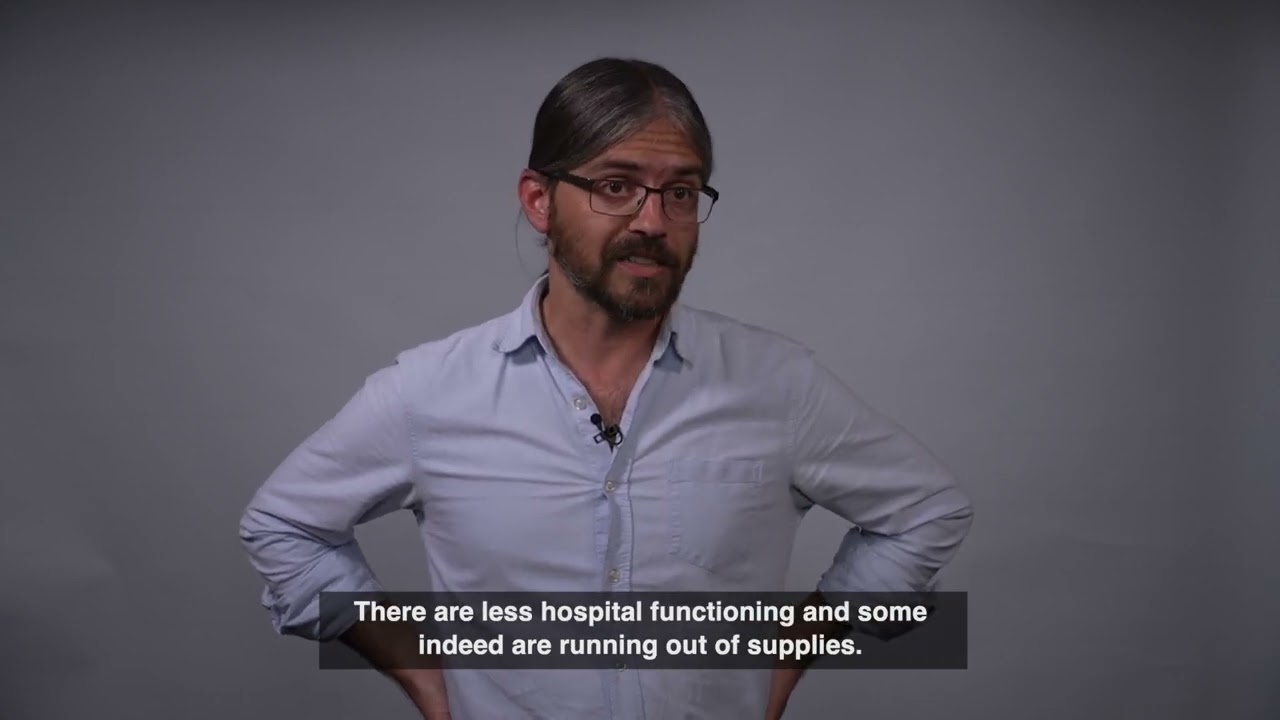
We are experiencing a violation of humanitarian principles and the space for humanitarians to work is shrinking on a scale I've rarely seen before.
JEAN-NICOLAS ARMSTRONG DANGELSER, MSF’S EMERGENCY COORDINATOR IN SUDAN

“We are experiencing a violation of humanitarian principles and the space for humanitarians to work is shrinking on a scale I’ve rarely seen before,” says Jean-Nicolas Armstrong Dangelser, MSF’s Emergency Coordinator in Sudan.  

“After the looting of one of our medical warehouses in Khartoum, fridges were unplugged and medicines removed,” says Armstrong Dangelser. “The entire cold chain was ruined so the medicines are spoiled and can’t be used to treat anyone.”

“We are shaken and appalled by these deplorable attacks,” Armstrong Dangelser continues. “People are in a desperate situation and the need for healthcare is critical, but these attacks make it so much harder for healthcare workers to help. It’s senseless.” 

There have been multiple incidents affecting MSF premises in Sudan since the conflict started, including:

  • Between 16 and 20 May an MSF warehouse in Khartoum was looted and occupied with medical supplies, fuel and vehicles stolen. Medicines were spoiled.
  • Between 17 and 23 May the MSF office in Zalingei, central Darfur, was looted, as was the Zalingei Teaching Hospital. A generator was destroyed and fuel that MSF had donated was stolen.  
  • On 19 May, three MSF cars were taken after armed men entered an MSF office in Khartoum.
  • On 18 May, an MSF guesthouse in Nyala, south Darfur, was looted. MSF had already been forced to suspend our medical activities in South Darfur after our compound and warehouse were violently looted in Nyala on 16 April, with two vehicles stolen. The MSF warehouse remains occupied by armed fighters.  
  • On 11 May, an MSF office in Khartoum was looted with two vehicles stolen.
  • On 4 May, an MSF office in El Geneina was looted.  
  • On 26 April, the El Geneina Teaching Hospital, where MSF managed the paediatric and nutrition departments, was also looted, with parts of the hospital damaged or destroyed. The hospital remains closed following the attack.  

These attacks are not limited to MSF and are part of a wider trend of both warring parties disregarding civilian lives, infrastructure and healthcare facilities. As of 22 May, the World Health Organization has documented  38 attacks on healthcare since the conflict began. Hospitals and healthcare workers are protected under international humanitarian law, but there are reports of the occupation of hospitals by armed groups which can weaken their protection, putting patients, healthcare workers and facilities at risk. 

We are shaken and appalled by these deplorable attacks... It’s senseless
JEAN-NICOLAS ARMSTRONG DANGELSER, MSF’S EMERGENCY COORDINATOR IN SUDAN

This comes at a time when the conflict is having a dire impact on people in Sudan. People in Khartoum, Darfur and other places where fighting is most intense continue to suffer terribly amid ongoing violence. People are injured by gunshot wounds, stabbing and explosions, or are victims of sexual violence. Fighting, airstrikes and other violence close to health facilities can leave both patients and staff too afraid to reach them.

Countrywide, people face shortages of food and drinking water, forcing people to be on the move to try to meet their basic needs. Access to humanitarian support and healthcare is vital, but the Sudanese healthcare system is already struggling with a lack of essential supplies.   

Administrative and logistical challenges are also impeding MSF’s medical activities. Moving supplies from one part of Sudan to another can be extremely difficult. Similarly, although we were able to bring emergency teams into Sudan during the first weeks of the conflict, it has since been challenging to obtain permission for them to travel to project locations or to secure visas for additional staff.

MSF runs medical projects in Al-Jazeera, El-Gedaref, Kassala, Khartoum, Red Sea, North, West, South and Central Darfur, and Blue Nile states in Sudan. This includes treating war wounded people in Khartoum and North Darfur, providing healthcare and water and sanitation services for refugees and displaced people in Al-Gedaref and Al Jazirah states and providing donations of medical and other supplies to health facilities. As a neutral, independent and impartial medical organisation MSF provides healthcare to people based on their medical needs alone, treating those who are most in need, regardless of whether they are on one side of the conflict or the other. 

Facebook
Twitter
LinkedIn
WhatsApp
Print

Syrians in Lebanon struggle to access healthcare amid fear of deportations

Syrians in Lebanon struggle to access healthcare amid fear of deportations

Tuesday 16-5-2023 – Syrian refugees in Lebanon are finding it increasingly difficult to access vital medical services due to reports of forced deportation and restrictions on their freedom of movement. Teams from Médecins Sans Frontières/Doctors Without Borders (MSF) and their partners have heard from patients that the situation is being exacerbated by discriminatory rhetoric against refugees, creating concerns for their safety and an environment of fear.

The atmosphere of intimidation has left many refugees afraid to leave the safety of their homes, even to seek essential medical care. The situation is particularly severe in the neglected area of Arsal, an isolated town in north Lebanon near the Syrian border, where MSF teams have worked for more than 10 years.

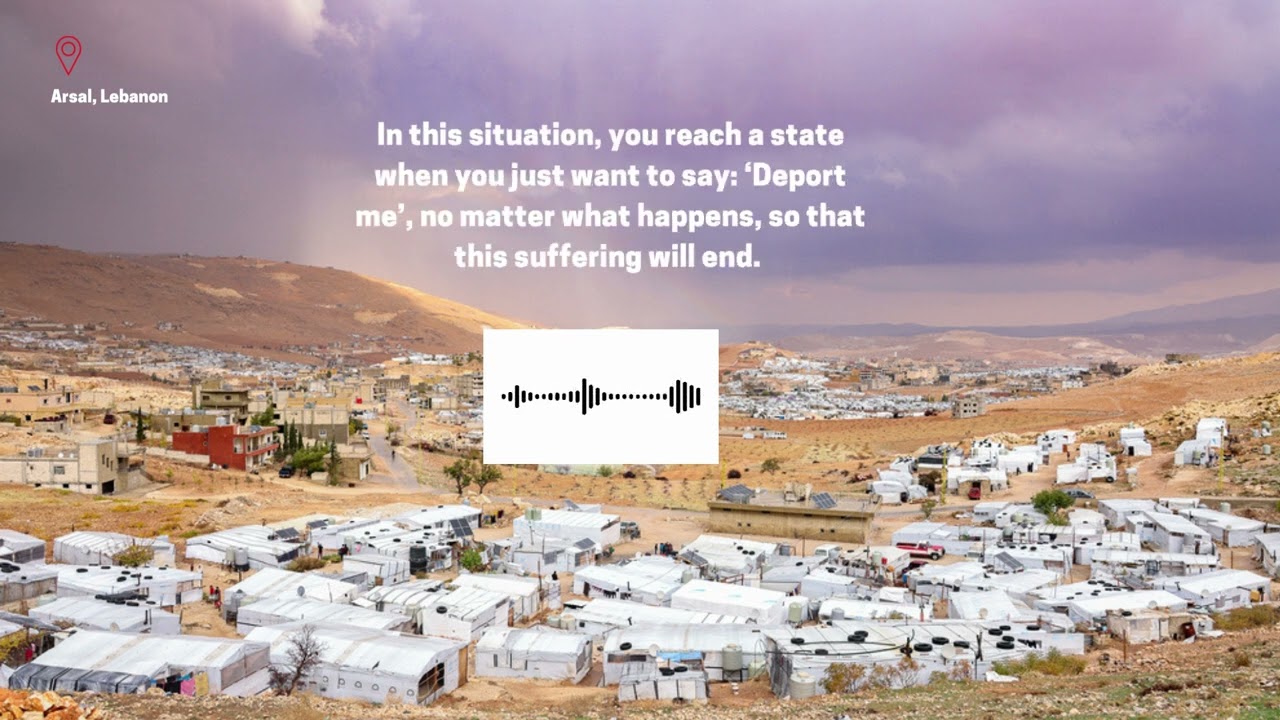
“Everyone is stressed and staying at home, paralysed by fear,” says Farhat, 75, a Syrian refugee who has been receiving treatment for diabetes at MSF’s clinic in Arsal for nine years. “No one has the courage to venture outside, even for basic necessities.” He is fearful of being arrested by authorities and deported from Lebanon. “I am afraid they would take me, humiliate me and then forcefully expel me from the country,” he says, adding that many others share his concerns.

Farhat: “Now all people are stressed and staying home"

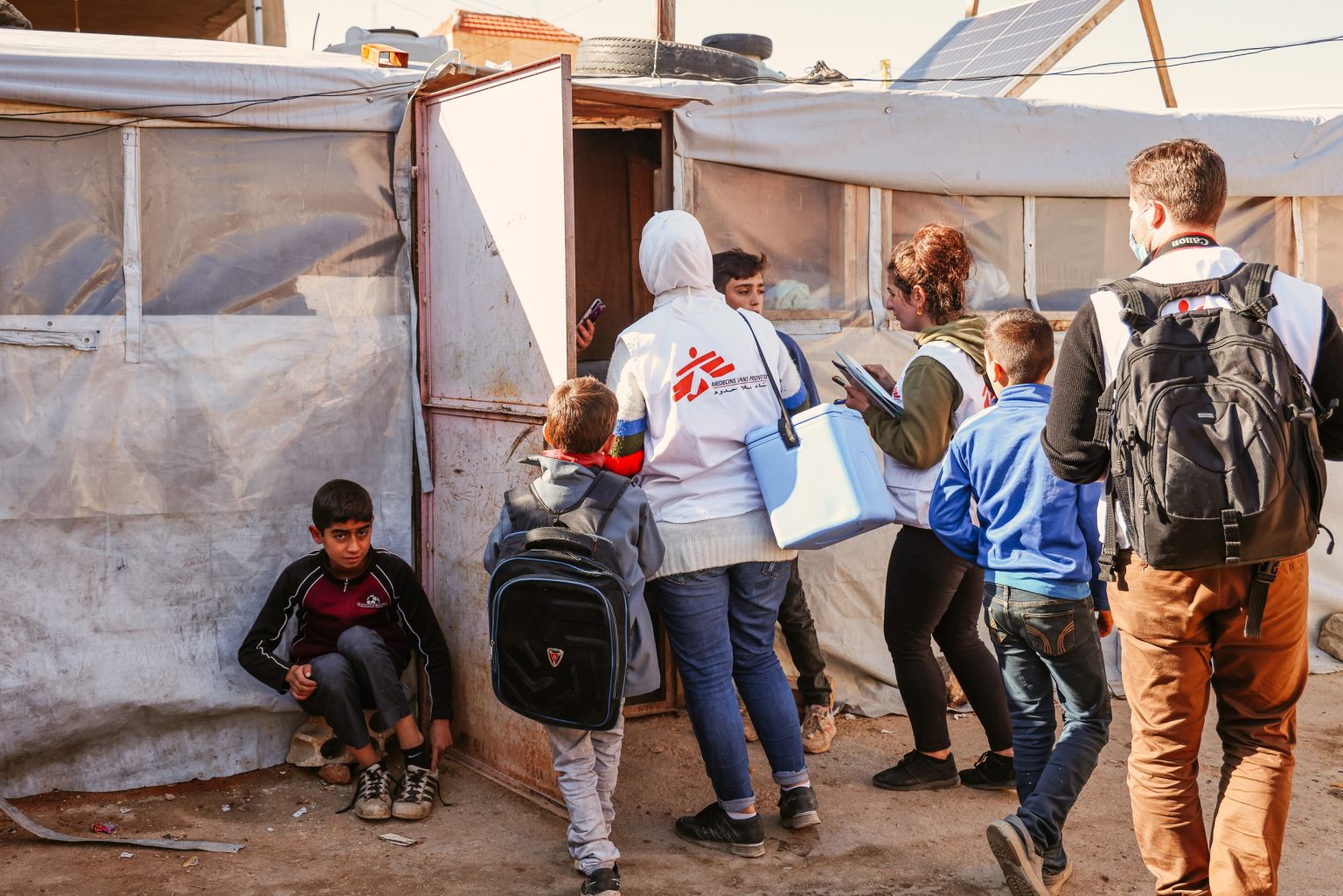
Over the past two weeks, MSF teams have noticed increasing numbers of missed appointments at their clinic, reportedly due to patients’ fears of facing deportation as they navigate checkpoints to reach health facilities.

MSF teams also report that the climate of fear is impacting their ability to make urgent medical referrals to hospitals. “We had a patient who, despite requiring urgent medical care, refused to be referred to a hospital out of sheer terror of deportation, knowing that he is unregistered,” says Dr Marcelo Fernandez, MSF head of mission in Lebanon.

The recent strict enforcement of policies and restrictions regarding refugees in Lebanon has resulted in many Syrians having their cars and motorcycles confiscated. Often, these vehicles were their only affordable means of transport after the economic crisis caused the cost of taxis and public transport to spiral.

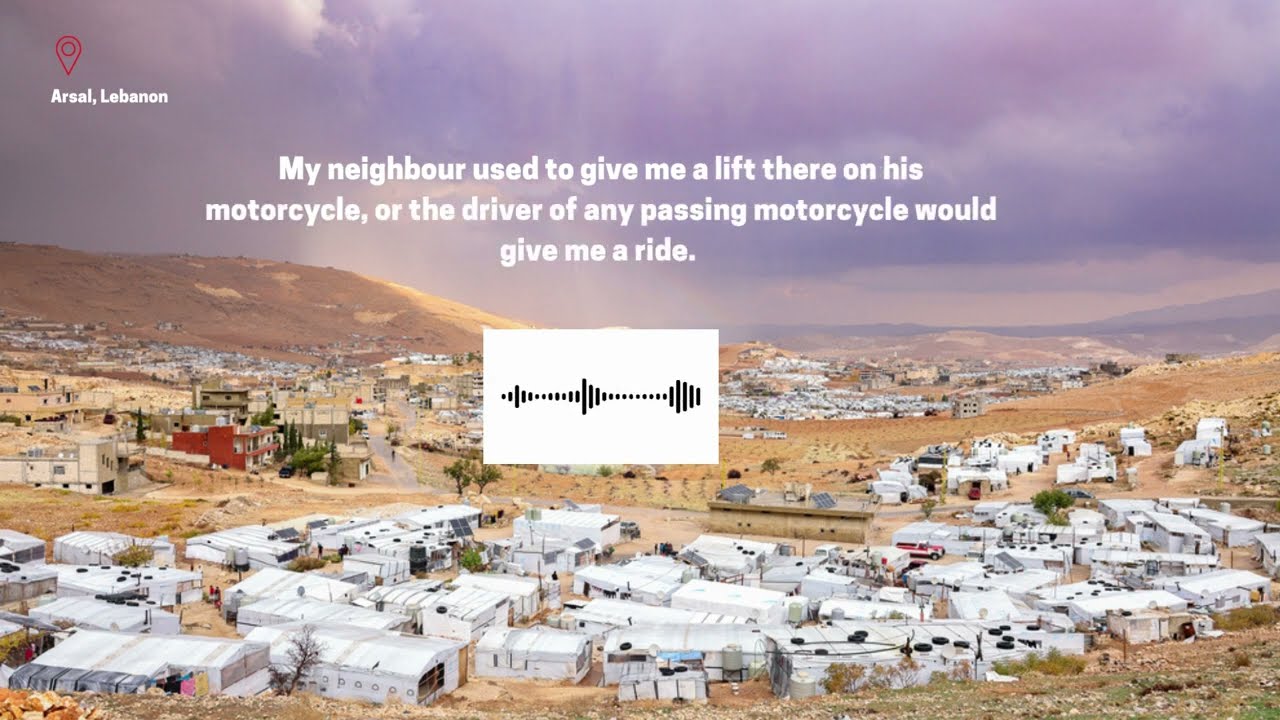
Mahmoud, 56, is receiving treatment for diabetes at MSF’s clinic in Arsal, which is 5 km from his home. He is one of many patients who now struggle to come to the clinic for check-ups and to collect their medication. “I used to rely on my motorcycle to reach the clinic,” he says, “but the recent regulations prohibit us from using motorcycles, so now I have to make the journey on foot.”

Mahmoud: "The pressure we are facing is limiting our freedom of movement"

Many of Arsal’s residents live in poverty, while services and infrastructure in the area are limited. Both Lebanese residents and refugees face significant challenges in accessing essential services, both within and beyond the town.

“The confiscation of vehicles has left many vulnerable people without a reliable means of transport,” says Dr Marcelo Fernandez. “This measure has exacerbated the challenges faced by individuals who already have limited resources and freedom of movement, further hindering their access to essential medical care.”

“This situation is untenable,” says Dr Marcelo. “No actions should come at the expense of people’s health. All marginalised groups of people should have access to timely healthcare, equally, regardless of their background or status.”

* Names of patients have been changed to protect their identity.  

The confiscation of vehicles has left many vulnerable people without a reliable means of transport. This measure has exacerbated the challenges faced by individuals who already have limited resources and freedom of movement, further hindering their access to essential medical care. This situation is untenable,” says Dr Marcelo. No actions should come at the expense of people’s health. All marginalised groups of people should have access to timely healthcare, equally, regardless of their background or status.”
Dr Marcelo Fernandez
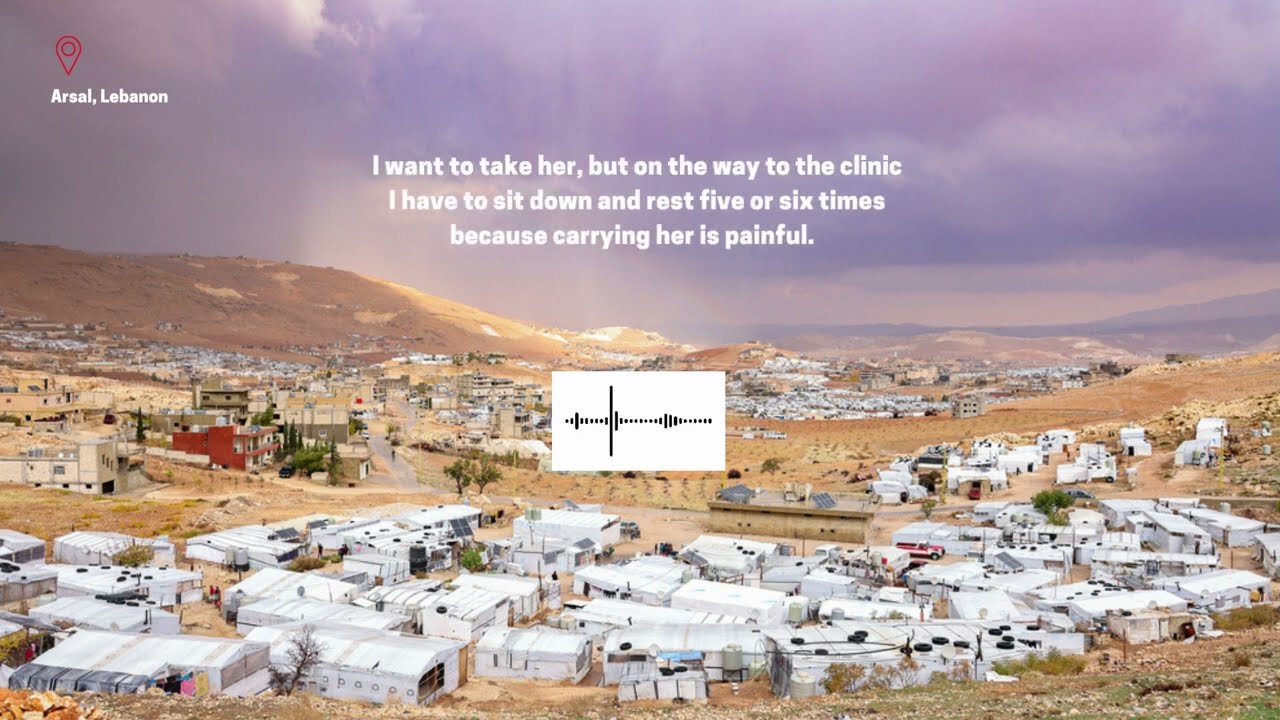
Dunia: “When I need to take her to the MSF clinic, I can't walk all the way with her in my arms"

About MSF in Lebanon:

MSF is an independent international medical humanitarian organisation providing free healthcare to people in need, without discrimination. MSF first began work in Lebanon in 1976 and its teams have worked in the country without interruption since 2008.

MSF teams currently work in seven locations across Lebanon, providing free medical care for vulnerable communities, including Lebanese citizens, refugees and migrant workers. MSF’s services include mental healthcare, sexual and reproductive healthcare, paediatric care, vaccinations and treatment for non-communicable diseases such as diabetes. With more than 700 staff in Lebanon, MSF teams provide around 150,000 medical consultations every year.

Facebook
Twitter
LinkedIn
WhatsApp
Print

Migrant workers in Lebanon: healthcare under the Kafala system

Migrant workers in Lebanon: healthcare under the Kafala system

In 2020, Médecins Sans Frontières/Doctors Without Borders (MSF) opened a clinic in Beirut providing migrant domestic workers with free-of-charge health consultations and specialist mental health support. Three years later, MSF teams continue to see the impact of the Kafala system on people’s living and working conditions as well as on their physical and mental health.

It took a year for Berna [not her real name] to escape her employer. During this period, she worked in a house where she was overworked, isolated, beaten, abused and half-starved. With the help of a neighbour, she managed to flee the house, leaving her passport and belongings behind. She sought medical treatment from MSF and ended up receiving mental health support as well. 

According to the latest estimates, there are around 135,000 migrant workers in Lebanon, most from Ethiopia, Bangladesh, Sierra Leone, Sri Lanka and the Philippines. The majority are women employed in private homes as domestic workers – cleaning, cooking and looking after the children of their employers – under the Kafala system. Under this system, which is the only legal option open to migrant workers in Lebanon, they are sponsored by an employer, who dictates the terms of their contract and the conditions under which they work. This leaves them vulnerable to exploitation and abuse, as well as restricting their access to healthcare.

Since 2020, MSF has adopted a multidisciplinary approach towards the increased needs of migrant workers in Lebanon. In Beirut, our team provides general medical consultations, prescriptions and dispensing of medications, basic wound care and minor surgeries, besides referring to partner medical facilities when needed for specialist healthcare.

Many patients, mostly women, have highlighted the poor and unhealthy conditions in which they live and work, leading to negative impacts in their wellbeing
Hanadi Syam, MSF medical referent for the migrant workers project

In 2022, MSF teams in Lebanon provided 7,686 medical consultations to migrant workers, mostly for patients suffering from musculoskeletal conditions, gastrointestinal disorders, respiratory diseases and non-communicable diseases such as diabetes and hypertension.

With rising inflation and transport costs, access to healthcare has become a challenge for many people, often forcing them to prioritise their need for basic essentials, such as food, over healthcare.

In 2023, MSF teams started visiting the neighbourhoods in Beirut and in Mount Lebanon governorates where most migrant domestic workers live, to find people who need healthcare but who cannot easily reach it.

Most of our patients who do not live in their employers’ houses stay in unsanitary or overcrowded homes, and many turn to destructive behaviours as a coping mechanism
MSF psychologist Nour Khoury

MSF provides psychotherapy and individual counselling, as well as psychiatric care to people with acute mental health needs. In 2022, our team provided 1,471 mental health consultations to migrant domestic workers suffering from depression, trauma, anxiety or psychosis, many of which can be directly linked to their living and working conditions.

Many of our patients have been through difficult life events, whether on their journeys to Lebanon or after they arrived. “They tell us about the difficulties of coping with the socioeconomic crisis and with their daily lives, but also about experiencing violence, forced labour and sometimes even torture,” says Nour.

Engaging with communities and migrant-led associations

Migrant workers in Lebanon come from across Africa and Asia and beyond, and speak a variety of different languages, from Amharic to Sinhala. MSF health promoters engage with the community to help establish relationships with the domestic workers and gain their trust.

“Involving the community of migrant domestic workers is a key component of our approach,” says MSF health promotion manager Dilshad Karaman. “Our aim is to establish transparent and trusting relationships with our patients. By meeting representatives of the community, we are able to listen to their needs and their griefs and to help give them a voice.”

Health promotion teams also provide interpretation services in Amharic, Bengali, French and Sinhala, for patients who do not speak Arabic or English, so that language is not a barrier to their accessing healthcare.

In Lebanon, and especially in Beirut, various migrant-led organisations, such as Egna Legna, support domestic migrant workers by providing legal assistance and financial support and advocating for their rights. MSF teams have participated in capacity-building and awareness trainings run by these community-based organisations, providing training in psychological first aid and sessions on trauma and mental health needs among migrant domestic workers.

The Kafala system

Under the Kafala system, employers – also known as kafeel (sponsors) – are legally bound to provide private health insurance for their domestic workers, but this only includes hospitalisation in case of work-related accidents, and does not include general healthcare, mental health support or the cost of medications. As a result, access to health services is extremely limited for many of the 135,000 migrant workers in Lebanon.

The multi-layered crisis in which Lebanon has been mired since 2019 has further compounded the difficulties experienced by migrant domestic workers, impacting their physical and mental health. Many of those who entered the country legally have since lost their legal status. Often employers could no longer afford to pay their salaries; others fled their employer’s home due to exploitation or violence. Without official documents, it can be much harder to find a job and support themselves, further limiting their ability to access medical care and mental health support.

The COVID-19 lockdown made matters worse, exposing the deep structural flaws of this exploitative system. Many employers stopped paying salaries and some even threw workers out onto the street to fend for themselves or dropped them off in front of their countries’ embassies. This led to rising homelessness and declining living conditions in shared accommodation. Those workers who wanted to be repatriated often found themselves unable to leave Lebanon without the right documents.

“There is an urgent need for reform of the Kafala system,” says Syam. “Efforts should be made to make sure that everyone, irrespective of his or her legal status, is ab le to access healthcare.”

Facebook
Twitter
LinkedIn
WhatsApp
Print

Severe medical needs persist amidst conflict in Sudan

Severe medical needs persist amidst conflict in Sudan

Since 15 April, intense fighting has been taking place between the Sudanese Armed Forces (SAF) and the Rapid Support Forces (RSF) in Khartoum and other parts of Sudan. Medecins Sans Frontieres’ (MSF) medical coordinator in Khartoum, Dr Khalid Elsheikh Ahmedana, speaks about the situation on the ground and his visit to the Turkish hospital in the capital, one of five hospitals where we have provided medical supplies.

“The health system in Sudan is very weak in general, but since the recent violence started, it is now in a critical situation. There is a lack of healthcare staff and a serious lack of supplies. Seventy per cent of the hospitals are now closed.

Some medical facilities have transferred patients from hospitals closer to the conflict to hospitals that are safer. Some of these are specialist hospitals, but due to the current situation, they have added surgery and started to receive emergency cases.

We are witnessing a high number of patients suffering from conditions that are not related to violence. Many patients don’t have access to health facilities or medication. Others are in need of dialysis, treatment for heart disease, cancer and haemophilia.

Many patients don’t have access to health facilities or medication. Others are in need of dialysis, treatment for heart disease, cancer and haemophilia.
Dr Khalid El-Sheikh Ahmedana, MSF Medical Coordinator in Khartoum

Some people are also suffering from water shortages, which could create a setting for epidemics. Malaria and dengue fever have existed here for a long time even before the war, and they will continue to be present. There is also a risk of environmental health. There are dead bodies outside, and there is no waste management. Rubbish is gathering along with flies and mosquitoes.

During our visit to the Turkish hospital – we saw that the staff have added surgical capacity to the facility, including 20 to 30 beds for the war-wounded patients. 

Three days before our visit, the hospital received a large number of casualties – around 60 patients and three dead people. The hospital is performing around five to eight surgeries per day depending on the intensity of the violence. 

Most of the doctors who are working in the hospitals are volunteers: surgeons, medical doctors, nurses, and some people from the community trying to assist. So far, they have been able to cope with the number of surgeries. However, there is insufficient medication needed to cope with the number of caesarean sections and patients in the delivery ward. Meanwhile, the neonatal ward has had to close due to the lack of capacity.”

Facebook
Twitter
LinkedIn
WhatsApp
Print

MSF-supported hospital looted in West Darfur amidst conflict

MSF-supported hospital looted in West Darfur amidst conflict

A Médecins Sans Frontières (MSF) supported hospital in El Geneina, the capital of West Darfur, Sudan, has been looted.

There have been reports from El Geneina of widespread looting, destruction, and burning of property, including at camps where displaced people are living. Sylvain Perron, MSF deputy operations manager for Sudan, gave the following statement today.

“It is utterly unacceptable to see the El Geneina Teaching Hospital and other facilities under attack, being looted, and running out of staff and supplies. We are deeply concerned about the safety of healthcare staff, and our teams in West Darfur. Many people are trapped in the midst of this deadly violence. They fear risking their safety and lives trying to reach the rare health facilities that are still functional and open. 

For years, MSF has been providing medical assistance to all communities in West Darfur, who have been frequently affected by violence and who otherwise have no access to healthcare.

In El Geneina Teaching Hospital, MSF managed the paediatric and nutrition inpatient departments, infection prevention control measures, and water and sanitation services. Over the years we have witnessed a steady stream of patients coming not just from El Geneina city and the nearest camps for displaced families, but from all over West Darfur.”

The current fighting has forced us to stop almost all of our activities in West Darfur.
Sylvain Perron, MSF Deputy Operations Manager for Sudan

“The current fighting has forced us to stop almost all of our activities in West Darfur. Our teams have not been able to reach the hospital, nor have they been able conduct mobile clinic activities in the nomadic communities of Galala, Mogshasha, Wadi Rati and Gelchek. We have been able to continue providing services in Kreinik hospital, but we have seen a reduction in the number of patients coming from outside the town.  

We are incredibly worried about the impact this violence is having on people who have already lived through waves of violence in the previous years. Violence prevents people from seeking the medical care they desperately need. The humanitarian and medical needs are immense.
  
Our teams in West Darfur are closely following the situation to ensure that we can safely continue to provide much-needed medical care and humanitarian assistance. We are ready to scale up our response to meet the growing needs. To do so, we need to be able to ensure the safety and security for all our staff and patients.   

We demand that all health facilities, including hospitals, clinics, warehouses, and ambulances, and their staff are respected and protected. We reiterate our calls to all parties to the conflict to avoid civilian areas and to spare civilian lives. 

We urge them to immediately cease attacks on medical facilities and ensure that patients can receive the medical care they desperately need.”

Facebook
Twitter
LinkedIn
WhatsApp
Print

MSF responds to medical needs, prepares to scale up activities in Sudan

MSF responds to medical needs, prepares to scale up activities in Sudan

In the wake of fighting between armed groups in Sudan which started over a week ago, ongoing violence continues in many parts of the country. Médecins Sans Frontières (MSF) teams on the ground report that hospitals are overwhelmed, and thousands of people are fleeing to safer areas. We are already seeing immense humanitarian and medical needs. But we are continuing to treat people in some areas and are ready to scale up our response.

“During a lull in the fighting, MSF was able to make a donation of medical supplies to a health facility in Khartoum on Sunday 23 April,” says Dr Ghazali Babiker, MSF Country Director for Sudan. “We are in contact with hospitals and Sudanese medical authorities and associations to try to supply additional hospitals and facilities within the capital, however, the fighting is continuing to make this almost impossible.”

In El-Fasher, the capital of North Darfur state, in southwestern Sudan, a large number of wounded people have arrived at the hospital MSF supports. Our teams are working round the clock to treat the injured; 404 people have so far made it to the hospital for treatment, which is now the only health facility that is operational in the city.

Thousands of people have fled from Khartoum to Wad Madani, a town about 200 kilometres southwest of the Sudanese capital. MSF teams, including staff from Khartoum and from our project in Damazin, are currently assessing how we can best begin to respond to the needs there.

MSF-supported facilities are also continuing to treat patients in Damazin, Blue Nile state; Omdurman, Khartoum state; in Kreinik and El-Geneina, West Darfur; in Rokero, Central Darfur; and Um Rakuba in Gedaref state in east Sudan. We remain committed to providing much needed healthcare to people in Sudan, especially during these challenging moments. But to do so, we need to be able to ensure safety and security for our staff and patients.   

“Experienced MSF emergency teams stand ready to enter Sudan as soon as they are able to support the scale-up of our activities,” says Kate Nolan, MSF Deputy Director of Operations. “Other teams are currently preparing and identifying the best ways to send medical and humanitarian supplies to the country.”

All those participating in the violence... must allow safe passage of our teams, ambulances and civilians seeking healthcare, and to facilitate movement of those who are delivering humanitarian assistance.
DR ABUBAKR BASHIR BAKRI, MSF OPERATIONS MANAGER FOR SUDAN

After more than a week sheltering from heavy fighting in Sudan, some of our teams have relocated to safer locations, while there are plans for others to leave the country. Some staff have also relocated with their families to safer areas, often joining other family. We continue to keep in close contact with all team members, as far as possible. The safety of our staff is a top priority, and we appreciate the support we have received to safely relocate our teams.
    
“We reiterate our call for all those participating in the violence to respect their obligations under international humanitarian law to ensure the safety of medical personnel and health facilities,” says Dr Abubakr Bashir Bakri, MSF operations manager for Sudan. “They must also allow safe passage of our teams, ambulances and civilians seeking healthcare, and to facilitate movement of those who are delivering humanitarian assistance.”  

MSF urge all parties to guarantee the safety of medical staff and patients

Published on April 27, 2023
Facebook
Twitter
LinkedIn
WhatsApp
Print

Stuck in a Khartoum bunker while there’s shooting outside

Stuck in a Khartoum bunker while there’s shooting outside

Camille Marquis is the outgoing Advocacy Manager for Médecins Sans Frontières (MSF) in Sudan. She was due to leave Sudan, after having been on assignment for 12 months, the day the conflict escalated, forcing her and her colleagues into a bunker. She recounts what’s been happening in the capital, Khartoum.

“On Saturday, when I heard the first gunshots outside at about 8.30am while having breakfast, I was just starting what I thought was my last day in Khartoum. My luggage was ready, my fridge and cupboards emptied, with just a few hours to wait before going to the airport to fly home after one year spent in Sudan.

Quickly, we all went down to the safe room of our guesthouse, in the basement. I spent the day there sitting on the floor, along with more than 10 colleagues, jumping at the sound of heavy shooting, of low-flying war planes and subsequent bangs from air strikes. The sound was echoing in the room, walls and small windows were shaking. The sound of silence often ensued a blast, but never lasted for long.

That first night, sleeping on the floor surrounded by my colleagues, while I was supposed to be at the airport to fly home, I was thinking of the people stuck inside the airport, where heavy fighting has been taking place. I could have been one of them. Some were wounded and have not been able to leave the airport to be treated.

People are running out of food, water, fuel, and are taking great risks to get supplies in shops that are already facing shortages.
Camille Marquis, Outgoing MSF Advocacy Manager in Sudan

I was thinking also of all my Sudanese colleagues and more generally people living in Khartoum who, unlike me, did not have the chance to be sleeping in a bunker, with emergency food stocks and water. It is now the sixth day of fighting in the streets of densely populated Khartoum, with its roughly 10 million inhabitants. People are running out of food, water, fuel, and are taking great risks to get supplies in shops that are already facing shortages.

Hearing all the destruction outside, reading about the loss of life, about the wounded and sick people who cannot get to a functioning hospital or clinic, even in the capital city of Khartoum, makes me incredibly sad for Sudan and for its people, stuck amid fighting between armed forces of their own country. People are struggling to get food, water, medication, healthcare… and these are just the first few days. The consequences and aftermath of this fighting on the already-high humanitarian needs will be dramatic.

For a year, I have been monitoring humanitarian needs in Sudan and documenting the impact of the lack of response to those needs on the health and nutrition of Sudanese people, especially children. We had just released a briefing note to raise the alarm on the dire needs of people living in West Darfur, calling on humanitarian groups and donors to scale up the response and support Sudan’s already collapsing health system.

If humanitarian and healthcare workers are unable to continue working safely and if patients are unable to reach a hospital without fear, millions of children and other vulnerable people in Sudan are at risk of severe health consequences.
Camille Marquis, Outgoing MSF Advocacy Manager in Sudan

Among my colleagues currently sheltering in Khartoum, a nurse and a nurse trainer were meant to fly to El Geneina, in West Darfur, to work at the MSF-supported hospital and treat severely malnourished and sick children. MSF’s psychologist working in El Geneina’s hospital is also stuck in Khartoum. Because of the conflict, they may not be able to go back there anytime soon to do their lifesaving humanitarian work. Teams in West Darfur report an unusually low number of patients in the wards, probably a sign of people fearing to leave their homes and come to the hospital in such an unstable security context. Last year, in El Geneina, the malnutrition peak started in early May, less than 10 days from now.

If humanitarian and healthcare workers are unable to continue working safely – to provide healthcare and nutrition support, but also food assistance – and if patients are unable to access assistance and reach a hospital without fear, millions of children and other vulnerable people in Sudan are at risk of severe health consequences.

A third of the population in Sudan was already deemed food insecure before this ongoing conflict. We can only expect the situation to get worse, all over Sudan.” 

Facebook
Twitter
LinkedIn
WhatsApp
Print

Hospital patients and staff facing difficult conditions amid Sudan conflict

Hospital patients and staff facing difficult conditions amid Sudan conflict

Intense fighting has been taking place between the Sudanese Armed Forces (SAF) and the Rapid Support Forces (RSF) in Khartoum and other parts of Sudan since 15 April. Médecins Sans Frontières (MSF) staff are treating the wounded at the MSF-supported South Hospital in El Fasher, North Darfur. Cyrus Paye, MSF Project Coordinator, speaks about the situation.

“There is currently heavy fighting in El Fasher. We are still hearing gunfire from our compound as I speak. It is very unsafe because of the shooting and the shelling – there have been large numbers of civilian casualties.

At the hospital we support, we have received 279 wounded patients since the fighting began on Saturday. Tragically, 44 have died. The situation is catastrophic. The majority of the wounded are civilians who were hit by stray bullets, and many of them are children. They have fractures caused by bullets, or they have gunshot wounds or shrapnel in their legs, their abdomen or their chest. Many need blood transfusions. There are so many patients that they are being treated on the floor in the corridors because there simply aren’t enough beds to accommodate the vast number of wounded.

Health facilities are running out of supplies and staff cannot get to work. Health worker, relief worker and rescue workers have all become immobilised by the fighting and people are dying as a result. Access is what will change this.
Cyrus Paye, MSF Project Coordinator, North Darfur

Until last weekend, South Hospital had no surgical capacity. It was a maternity hospital that we began to support last year to help reduce the high rates of maternal mortality in the region. However, since the fighting began, we have had to repurpose the hospital to make it possible to treat the wounded.

All other hospitals in the city have had to close due to their proximity to the fighting, or the inability of staff to reach them due to the intensity of the conflict. Surgeons from those hospitals have now come to South Hospital and have been able to carry out a number of operations. However, they are rapidly running out of supplies. We were able to reach the hospital to restock it on Tuesday, when there was a lull in the fighting, but if we cannot get more supplies to Darfur – and if we continue to receive such high numbers of wounded – there are only enough medical supplies to last another three weeks.

Currently, within Sudan, nothing can move. The airports across the country have all been closed since the fighting began and there is fighting in the streets, so we cannot get more supplies to North Darfur – or into the country. Chad has closed its border. So, if the situation doesn’t change and humanitarian access is not granted, there will be even greater loss of life.

If we cannot get more supplies to Darfur – and if we continue to receive such high numbers of wounded – there are only enough medical supplies to last another three weeks.
Cyrus Paye, MSF Project Coordinator, North Darfur

As things stand, the two operating theatres that have been established cannot cope with the non-stop influx of trauma and emergency obstetrics and gynaecology patients. In the maternity ward, there are currently two women in each bed. Previously, a neighbouring hospital was carrying out all emergency caesarean sections – usually around three to five per day – and with more than 30 normal deliveries in a 24 hour period. Now, all of these are taking place in South Hospital at the same time as the trauma surgeons are at work.

We just heard that last night, the paediatric hospital where we used to refer newborn babies was completely looted, which means that we now have nowhere to refer newborns who have sepsis – or those who are born preterm. There are no incubators in South Hospital, which will make it difficult to keep those babies alive.

The current team are overwhelmed. They have been working round the clock. We are exploring options to bring supplies and experienced trauma surgeons into the country to provide support when the situation allows, but – as is the case with medical supplies – currently, this is not possible.

It is critical that we are able to gain access to all health facilities across the country. At this moment in time, this is what will save people’s lives. Health facilities are running out of supplies and staff cannot get to work. Health worker, relief worker and rescue workers have all become immobilised by the fighting and people are dying as a result. Access is what will change this. That, and a guarantee from the warring parties that they will spare civilians’ lives.”

Facebook
Twitter
LinkedIn
WhatsApp
Print

MSF supports 136 wounded in North Darfur

MSF supports 136 wounded in North Darfur

Since Saturday 15 April, intense fighting has been taking place between the Sudanese Armed Forces (SAF) and the Rapid Support Forces (RSF) in Khartoum and other parts of Sudan. Many people, including healthcare workers, are currently trapped. Where we are able to provide medical care, the situation is dire: Over the past 48 hours, Médecins Sans Frontières / Doctors Without Borders (MSF), the international humanitarian medical organisation, has received a total of 136 wounded patients at the hospital it supports in El Fasher, North Darfur – 11 have died from their injuries.  

The majority of the wounded are civilians who were caught in the crossfire – among them are many children. They have extremely serious injuries and, until Saturday afternoon, there was no surgical capacity in this hospital. All other hospitals in North Darfur have had to close – either due to their proximity to the fighting, or due to the inability of staff to get to the facilities because of the violence. This meant that there was nowhere for us to refer patients to for treatment. As a result, 11 people died from their injuries in the first 48 hours of the conflict.
Cyrus Paye, Project Coordinator for MSF in El Fasher

Saturday afternoon, a small team of surgeons from the hospitals that had to close began carrying out surgical interventions in the hospital. So far, they have carried out six major surgeries on people wounded by the violence.

Cyrus Pays said: “However, the hospital is rapidly running out of medical supplies to treat survivors. It is running out of medicines and blood. There has also been a power outage in the city since the beginning of the fighting, and fuel supplies for the hospital generator are also running low. We have received a list of surgical items that the surgical team urgently requires and we are seeking a safe corridor in order to transport these to the hospital using our two ambulances. Due to the conflict, the airport has been closed since Saturday, and it is vital that it is re-opened so that we can bring in additional medical supplies and possibly an MSF surgical team to support the surgeons who are currently at work. Without these vital supplies, there will be further loss of life.”

Elsewhere in the country, and especially in Khartoum, Darfur, North Kordofan and Gedaref states, MSF teams face serious challenges. MSF premises in Nyala, South Darfur, have been looted – including one of our warehouses. In Khartoum, most teams are trapped by the ongoing heavy fighting and are unable to access warehouses to deliver vital medical supplies to hospitals. Even ambulances are being turned back. They are not being permitted to pass in order to retrieve the bodies of the dead from the streets – or to transport those who have been injured to hospital. 

We have been in contact with Sudanese medical teams in Khartoum and other parts of the country where wounded patients are being received. Many have been on duty for many hours, providing lifesaving care in extremely difficult circumstances, and despite the impact of the situation on them and their own families.

We are ready to provide supplies and medical personnel to key functional health facilities that need support, but it is too dangerous for anyone to move within Khartoum and other cities. Many people also cannot reach any of the health facilities that are open due to the ongoing violence and fear that they will be risking their safety.  

MSF is making an urgent call for civilians to be protected from the ongoing indiscriminate and disproportionate attacks that are taking place. We urge all parties to the conflict to guarantee safety for medical staff and patients, so that they can access healthcare facilities without fearing for their lives. We additionally request that all parties to the conflict ensure that all health facilities – including hospitals, clinics, warehouses and ambulances – are protected. They should never be a target. MSF in Sudan provides life-saving and impartial medical care to all those who need it, based on medical need alone, but currently, we cannot move due to the intensity of the conflict. We reiterate our plea for all those participating in the violence to respect medical personnel, health facilities and ambulances and to spare the lives of civilians and humanitarian workers.   

Facebook
Twitter
LinkedIn
WhatsApp
Print

MSF in Damascus to deliver additional relief aid

MSF in Damascus to deliver additional relief aid

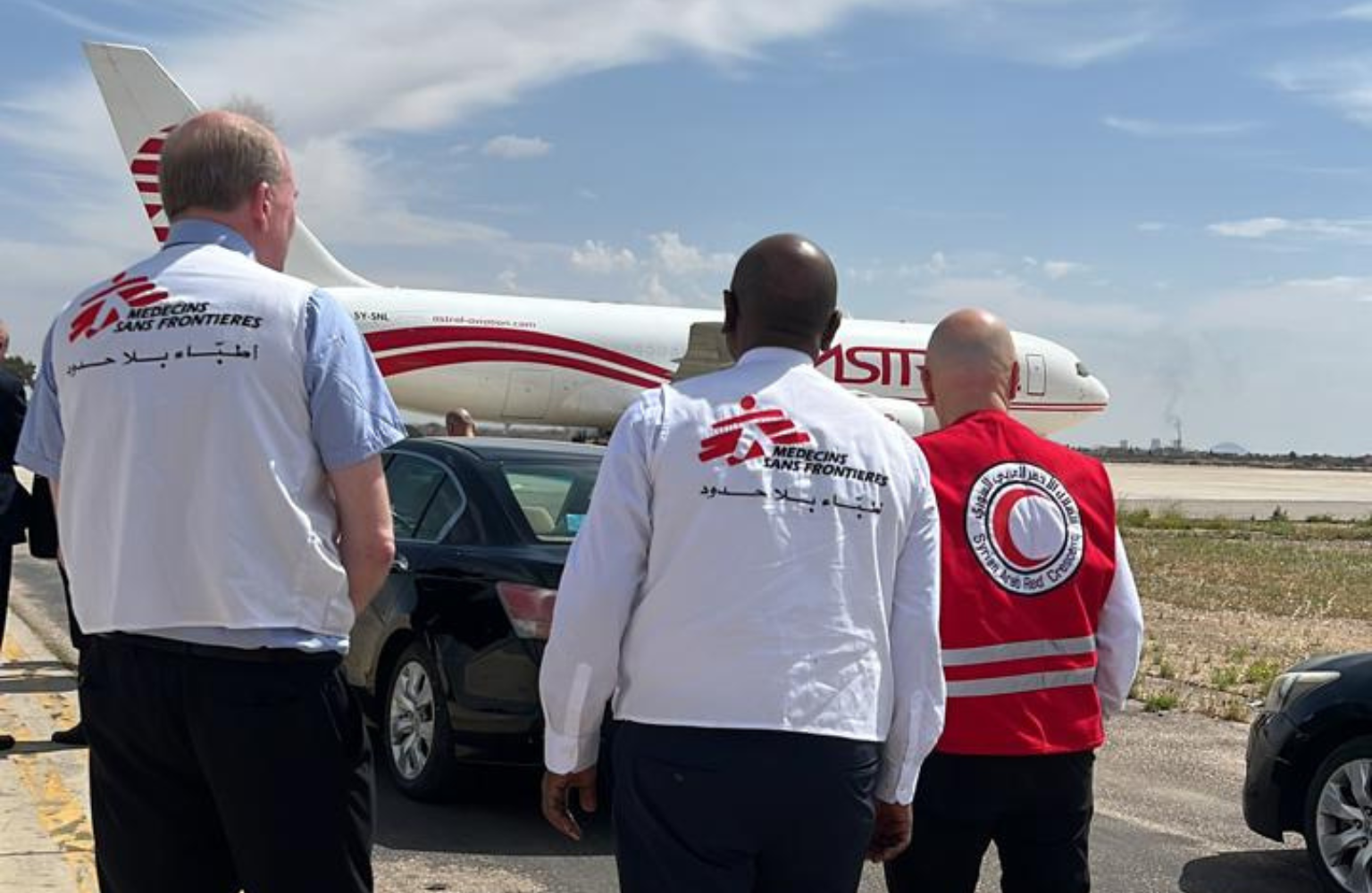
A Médecins Sans Frontières (MSF) delegation and a cargo plane, containing 30,000 units of baby milk, 234 family tents and three surgical kits, arrived today in Damascus, as a donation to the Syrian Arab Red Crescent (SARC). This cargo, the second MSF donation to the SARC since the earthquakes of February 2023, aims to help with relief assistance to people affected by the earthquakes in areas where MSF does not currently have teams.

A few days after the earthquake hit Syria and Türkiye, in addition to our emergency operations in northwest Syria, we offered our support to relief efforts in areas where we do not have teams. In mid-February, we sent two trucks of medical and other essential items to assist people in the northern parts of the country where the SARC is operating, and this comes as an additional support.
Dr Ahmed Abdel-Rahman, MSF director of operations

Alongside the donations, an official MSF delegation of Dr Ahmed Abdel-Rahman, MSF director of operations and Michiel Hofman, a senior humanitarian specialist, arrived in Damascus to discuss MSF’s willingness to provide medical and humanitarian support to people living in areas that MSF is not currently present. They aim to have talks with the SARC officials to discuss with the SARC ways through which MSF can provide additional medical assistance to more people throughout Syria.

As an independent and impartial medical organization, we remain committed to providing humanitarian and medical assistance to the people in Syria, wherever access is granted, and the humanitarian principles are respected to ensure that aid reaches the people who need it most
Dr Ahmed Abdel-Rahman, MSF director of operations

The humanitarian situation in Syria was dire even before the earthquakes, ravaged by 12 years of war and multiple economic crises.

Since 6 February, we have scaled up our response in the areas of Syria that were most impacted by the earthquakes and where we have had teams for more than 10 years. This support has included direct medical assistance, distribution of relief items, water and sanitation activities as well as the provision of supplies.

Facebook
Twitter
LinkedIn
WhatsApp
Print