MSF teams arrived to Morocco and are currently assessing the needs

MSF teams arrived to Morocco and are currently assessing the needs

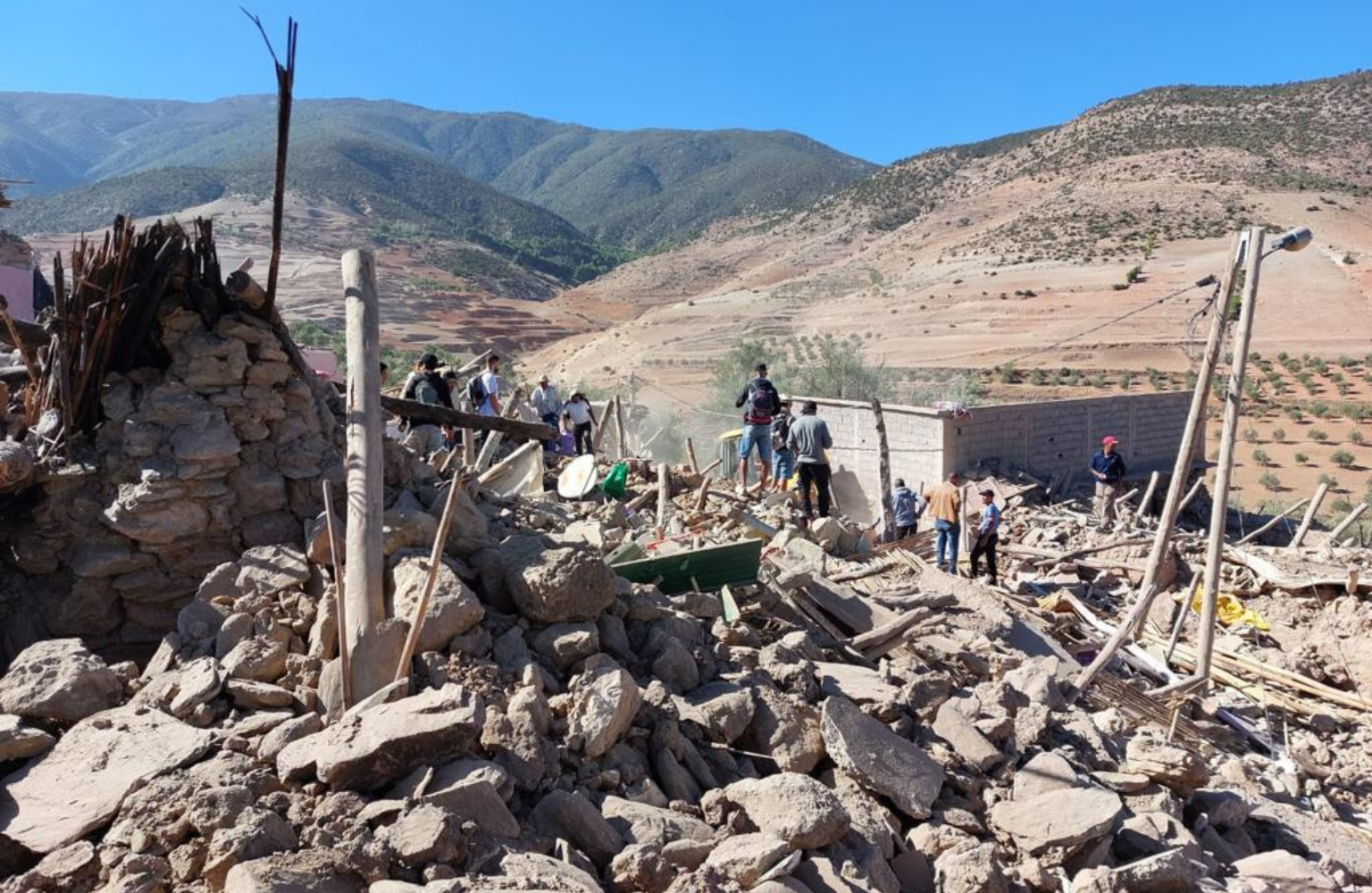
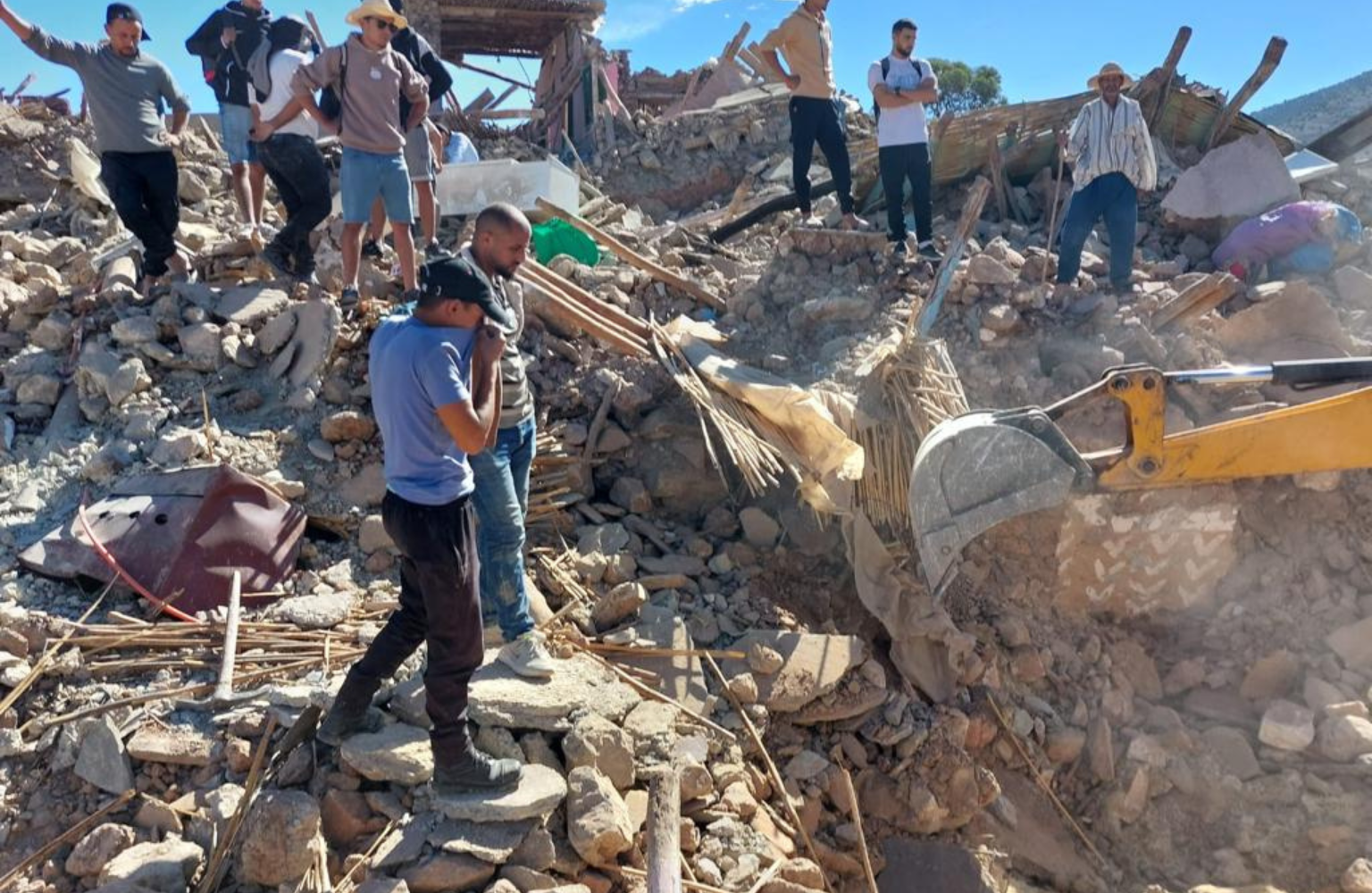
MSF is extremely saddened by the tragic news of the earthquake that hit Morocco and the high number of victims already reported. MSF is not present in Morocco, but we are establishing contacts with local authorities to immediately send our teams to Morocco to assess local needs and if our support is needed.

As with all earthquakes, the search for people buried under the rubble is the priority, and this phase is often handled by local solidarity. Communication and supply routes also need to be quickly re-established, as these are the prerequisites for the deployment of relief supplies from outside the affected areas.  In this type of context, we need to care for the wounded and perform medical acts quickly like surgery or dialysis, which can be a challenge when local health capacities are severely affected by a disaster. Restoring health services and distributing essential goods can also be priorities. Our intervention will therefore depend on the results of these initial on-site assessments.

Facebook
Twitter
LinkedIn
WhatsApp
Print

Lebanon: MSF’s medical activities following the clashes in Ain el Hilweh camp

Lebanon: MSF’s medical activities following the clashes in Ain el Hilweh camp

Following the clashes that erupted in the Palestinian refugee camp of Ain el Hilweh few weeks ago, Medecins Sans Frontieres (MSF) stepped in to provide medical and non-medical assistance to the people there. The clashes left a trail of injuries and heartache showing the need for increased medical and humanitarian support in the camp.

From the first hours of the clashes, our teams swiftly responded to the rising needs of the people, by donating more than 150 kits of blankets and mattresses to the families who fled their homes because of the violence. In parallel, we progressively increased our support to the local health facilities and community health workers, by providing them with almost a ton of medical kits and other medical supplies to increase their capacity in responding to the surge of injured patients.

After providing the first round of medical donations as an immediate response to the recent clashes, we have made a second round of donations to health actors in the camp to increase their capacity to respond in case the clashes start again. Mental health support, more than any other need, is a recurring request from people living in the camp. The living conditions in the camp are already difficult, and the clashes are just another layer that adds to their daily struggles
Julien Raickman, MSF Head of Mission in Lebanon

As the situation calmed down, a team of nurses, doctors and paramedics was deployed in different locations in the camp, providing free medical care to the residents who needed it the most. “We provided wound care to injured patients, treated patients with non-communicable and chronic diseases, and provided mental health services and sessions to the people in the clinics to more than 80 patients”, says Dr. Tamara Chehade, the MSF doctor responsible for the intervention. This was done in collaboration with local partners and existing health facilities in the camp, where MSF worked between 2011 and 2020 and established a network of partners.

“We have seen patients with severe traumatic symptoms. Many of them have told us about the difficulty they faced while accessing health care, especially mental health care within or outside the camp”, adds Dr. Chehade.

Despite the fact that recent clashes have stopped in Ain el Hilweh camp, the situation remains tense. Our team has ceased direct medical activities, but we remain steadfast in our commitment to restart if our support is needed again.

Ain el Hilweh camp is located in south of Lebanon, close to Saida, the country’s third largest city. The camp faced several clashes in the past years. This intermittent occurrence of tense clashes in the camp adds an additional layer of challenges to the existing hardships faced by its residents. Most recently, at the end of July, more than 12 people were killed in the clashes, and more than 60 were injured.

About MSF in Lebanon:

Médecins Sans Frontières (MSF) is an international, independent, medical humanitarian organization that delivers emergency aid to people affected by armed conflict, epidemics, natural disasters and exclusion from healthcare in almost 70 countries around the world. MSF offers assistance to people based on need and irrespective of race, religion, gender or political affiliation. Médecins Sans Frontières (MSF) began working in Lebanon in 1976 in response to the civil war, sending medical teams to the south of the country and Beirut. This was MSF’s first mission in a war zone. Today, MSF is providing free medical care in various locations with over 600 staff members in Lebanon.

Facebook
Twitter
LinkedIn
WhatsApp
Print

MSF teams see an alarming rise of measles in Yemen

MSF teams see an alarming rise of measles in Yemen

Over the past three years there has been a substantial increase in the number of children admitted to Médecins Sans Frontières (MSF) hospitals in Yemen for measles. In the first half of 2023, the number of measles patients received in MSF-supported facilities has nearly tripled, at almost 4,000, compared to the whole of 2022. Considering the impact of almost nine years of conflict, and the economic hardship wracking the country, what we see is likely the tip of the iceberg.

In 2022, we raised the alarm on surging child malnutrition in Yemen – a condition that exacerbates other diseases. Malnutrition weakens the immune system, making children, especially those who are not vaccinated, even more susceptible to the deadly impact of measles.

Both of these conditions are preventable and highlight the lack of essential healthcare and the poor economic conditions for people in Yemen. These factors have had a substantial impact on the lives of people like Aisha, and her three-year-old son Abdullah.

“Abdullah was suffering from throat pain, high fever, and red eyes; then a red spotty rash appeared on his body,” says Aisha about her son, Abdullah, who has been admitted to Abs hospital in Hajjah governorate.

“When I took him to the clinic, the doctor said he had measles with complications, and he would need to be hospitalised. Abdallah had already received some vaccines, but some were missing; it was difficult to keep going to the clinic. Transport was either unavailable or very expensive. So, we didn´t cover all his vaccines,” says Aisha.

Measles is a highly contagious viral infection that can easily spread in densely populated communities. It predominantly affects children under five and is particularly dangerous for those with underlying conditions or complications. Although a potentially deadly disease, it is preventable through vaccinations.

Economic hardship, fueled by violent conflict, makes it extremely difficult for people in remote areas to pay for fuel or transport to bring their children to the hospital. Aggravating this is the absence of vaccination campaigns, and affordable and functional general healthcare facilities in the country, forcing people to travel further afield to obtain the necessary treatment.

As a result, patients often arrive in MSF-supported hospitals with complications, including advanced-stage measles, which could be avoided with preventive care such as vaccination or with timely medical treatment.

While it’s difficult to quantify all the factors in Yemen’s growing challenges with measles and other preventable diseases, it’s clear that major gaps in routine vaccination and limited access to basic healthcare facilities play a major role. To make matters worse, we have seen a huge increase in the prevalence of the disease in our clinics this year.

“In 2020, we saw the number of measles patients in our clinics drop from 731 in 2019, to just 77. We might attribute this to the massive vaccination campaign carried out in 2019,” says Isaac Alcalde, MSF head of mission in Yemen.

“However, the limited vaccination activities in the years that followed, coupled with challenges in accessible healthcare services likely skewed these numbers, and in 2021, we received 762 measles patients,” he says.


The dramatic increase we’ve seen this year cannot be ignored – the caseload has nearly tripled, going up to almost 4,000, increasing the strain on medical facilities, which are already overloaded. These are not just numbers we’re talking about – they’re children’s lives
Isaac Alcalde, MSF head of mission in Yemen

Unfortunately, this dramatic increase in the number of measles cases is not an isolated issue. Our medical teams have witnessed the rise and devastating impact of the disease in Amran, Sa’ada, Hajjah, Ibb, Hodeida, Taiz, Marib and Shabwah governorates.

United Nations agencies have also highlighted the severe increase in vaccine-preventable diseases in Yemen, pointing out that the country recorded more than 22,000 measles cases in 2022, including 161 deaths. In April of this year, there had already been 16,114 cases. With diphtheria and pertussis – whooping cough – cases are also on the rise, as are deaths from each disease.

In some of the health centres we support, we have adapted our activities to cater to the increased needs. For instance, since we started our response to measles in Al Bayda governorate, we saw a total of 1,784 cases between mid-February and June 2023.

Nearly 52 per cent of cases were complicated, while only 12 per cent of these patients had been vaccinated prior to admission, offering a bleak illustration of the low level of immunisation.

This lack of immunisation appears to be driven by logistical barriers, including the restrictions on humanitarian imports, the number of health facilities able to provide vaccinations, as well as an absence of health education to highlight the essential role vaccines play in protecting people from diseases like measles.

Our teams have also extended the measles isolation unit in Abs Hospital to cater to the increased number of patients. In Al Qanawis Mother and Child Hospital, in Al Hudayda governorate, more than half of the patients admitted to the paediatric ward were children suffering from measles, just days after it opened in May 2023.

Similarly, a substantial increase of cases in Mocha, Taiz governorate saw the need for a new isolation ward to be opened specifically for measles in April 2023. In Khamer and Haydan, 35 per cent and 41 per cent (respectively) of patients admitted to the paediatric unit were suffering from measles.  The common thread in these different locations is a high prevalence of cases, along with an alarmingly low level of immunization.

The fact that measles is so contagious, and poses a deadly risk to so many, means that preventive measures for those who have contracted measles, like isolation, are key. In the various governorates where MSF treats measles in Yemen, we hear from parents who recognise the symptoms of measles and work to protect both their children and their neighbours’ children.

This was the case with Layal and her brother Hussein, whose mother brought them to the Ra’ada Hospital in Al Bayda.

“At first, Layal was in contact with her relatives, and then when she started to develop symptoms like fever and rash, I isolated her brother,” says Layal and Hussein’s mother.

“Unfortunately, he had already contracted the disease, and symptoms started to appear. But thanks to God, I transferred them to the hospital early enough and they recovered. I am aware that measles can spread quickly, and it can also affect other children in the neighbourhood, that’s why I was worried at the beginning.”


Addressing this grave health crisis demands a comprehensive and coordinated response. To protect Yemeni children from the risk of measles, it is imperative to bolster preventive measures, community involvement, and enhance case management. The authorities, along with humanitarian and health actors in Yemen, must ensure the availability of vaccines in health structures, increase the accessibility and capacity of general healthcare facilities, strengthen referral pathways and reinforce community health awareness.

MSF first started working in Yemen in 1986 and has been present in the country continuously since 2007. Our teams work in 11 hospitals and provide support to another 16 health facilities across 13 governorates. In 2022, we admitted more than 108,000 people for inpatient care, provided over 71,000 outpatient consultations, more than 36,000 surgical interventions, and assisted more than 35,000 births.

Facebook
Twitter
LinkedIn
WhatsApp
Print

Khartoum: Lack of essential visas for MSF staff threatens life-saving care in hospital

Khartoum: Lack of essential visas for MSF staff threatens life-saving care in hospital

Without visas being urgently granted by the Sudanese authorities, MSF may soon be forced to withdraw its support to the Turkish Hospital in Khartoum.

Visa applications for emergency staff – including surgeons, nurses, and other specialists – have been pending for more than eight weeks.

The visas of many of the staff currently running the hospital are close to expiring, which means that this team will have to leave the country. As a result, MSF’s support to the Ministry of Health in the facility – which is one of the few hospitals in the whole of Khartoum that is providing round-the-clock care – will soon have to end.

“The MSF team who are currently present inside the hospital have worked tirelessly with our partners in the Ministry of Health for more than two months to keep the facility open – and to expand the services it provides. They have stayed even in the wake of a serious incident in which our team suffered an assault, death threats, and theft,” said Claire Nicolet, MSF’s emergencies manager for Sudan. “Despite our commitment to continue working in this hospital, the life-saving care our team are providing is now threatened by our inability to bring new staff into the country.  

“The security situation and lack of fuel in Khartoum mean that every day brings a new challenge for our staff – on top of the daily challenge of keeping our patients alive. We need to be able to regularly replace our staff to keep meeting these challenges and providing life-saving care. We have a team on standby, ready to go – but without visas they cannot move.

“Seven visas are critically required to replace our team in the Turkish Hospital. In addition to granting the visas we have already applied for, we are also appealing to the Sudanese authorities to put in place transparent processes for visa approval that will allow us to regularly replace our staff in the country.

“If we cannot bring in new staff, we will be forced to withdraw from the hospital. This will have a devastating impact on the people who remain in Khartoum who will need life-saving health care over the coming months.”

In the six weeks from mid-June to the end of July, MSF treated more than 3,800 patients in the Turkish Hospital, this included over 1,700 consultations in its emergency room – 20% of which were war wounded patients. In the same period, the hospital treated close to 800 people needing inpatient care, including more than 200 children. The majority of these paediatric cases have been neonates suffering from sepsis, jaundice and malnutrition. Maternal health care is also a key service provided in this hospital – as is treatment for chronic diseases.

Since the beginning of the crisis in April the Sudanese authorities have centralised the granting of visas in Port Sudan and stopped granting residency visas, meaning visas are given for only two months, with the possibility to extend for one additional month if the person is able to go to Port Sudan – a challenge given the security conditions in parts of the country where we are working such as Darfur and Khartoum. Only one batch of seven visas has been granted since April for our team working in the Turkish Hospital in Khartoum. Visas for other MSF projects in the country have also been infrequently granted, and a more predictable process and higher numbers of visas are needed if MSF’s response to the huge needs in the country is to be maintained and expanded. 

ENDS

MSF has been responding to the crisis since it began in April and is currently working in 12 states: Khartoum, Kassala, Al-Jazeera, West Darfur, North Darfur, Central Darfur, South Darfur, Red Sea, El-Gedaref, Blue Nile, River Nile, and White Nile States. In Khartoum, in addition to the Turkish Hospital, MSF is providing surgical care to the war wounded in Bashair Hospital, working in Al Nao hospital in Omdurman, northwest Khartoum, as well as supporting other facilities in Khartoum. MSF currently has sufficient staff to maintain its activities in these other hospitals in Khartoum, but since the start of the conflict the need to rotate new staff in has been a recurring problem due to the ongoing difficulty in obtaining visas.

Facebook
Twitter
LinkedIn
WhatsApp
Print

MSF and Positive On Glucose Collaborate to Empower Patients and Foster Sustainable and Holistic Healthcare Initiatives in Lebanon 

MSF and Positive On Glucose Collaborate to Empower Patients and Foster Sustainable and Holistic Healthcare Initiatives in Lebanon 

[Beirut, 3rd of August 2023] — Médecins Sans Frontières (MSF) is pleased to announce a collaboration with Positive On Glucose (PoG), a local NGO dedicated to supporting people living with diabetes in Lebanon through support groups, providing free access to crucial information for the management of their conditions and advocating for their right to access necessary medications. This collaboration aims to prioritize the demands of individuals living with diabetes by working collaboratively with the community to design and deliver healthcare services that are accessible, affordable, and effective in a manner that is tailored to respond to their needs.

We are thrilled to join forces with Positive On Glucose. For over a decade, MSF has been providing treatment and medical care for people with chronic diseases, including those living with diabetes, in Baalbeck-Hermel, Tripoli and South Beirut. Particularly, 28,745 individuals have been treated by MSF in 2022. By leveraging MSF's extensive experience in providing comprehensive medical care and PoG’s dedication to supporting the diabetes community, this partnership aims to create a long term impact on the lives of individuals living with diabetes in Lebanon
Dr Marcelo Fernandez, MSF’s head of mission in Lebanon

PoG will work closely with MSF organizing peer support sessions for patients, health staff training and workshops. “Sessions will be conducted with patients living with diabetes, allowing for a deeper understanding of their challenges and concerns consequently helping in identifying specific areas where delivery of healthcare can be improved and adjusted to better respond to their needs,” explains Dr Fernandez.

On the other hand, staff training to be conducted will be focused on enhancing the healthcare professionals’ understanding of diabetes management not from a medical perspective but to be able to identify other challenges faced by patients such as social, economic or psychological obstacles. Integrating these skills will ensure the delivery of effective care.

Moreover, the collaboration will include peer support initiatives as an integral part of workshops and other activities. “These peer support programs will provide a platform for individuals living with diabetes to connect with and support one another, sharing their experiences, challenges, and coping strategies,” says Cyrine Farhat, the founder of PoG. The workshops and other educational activities will not only equip them with the necessary tools and knowledge to effectively manage their condition but also empower them to become advocates for themselves and others in the diabetes community to improve their access to timely and affordable medication.

“With advocacy efforts at the heart of this collaboration, and a focus on the individual’s experience, I firmly believe that we will create lasting changes in Lebanon’s healthcare landscape for people living with diabetes,” says Farhat.

The collaboration between MSF and PoG represents a step forward in the pursuit of holistic healthcare solutions through which care goes beyond strictly considering a patient’s medical challenges and needs but also addresses the various aspects that can be challenging for individuals living with chronic diseases. MSF also sees this joint effort and initiative to be a progress towards enhancing local collaborations, and strengthening community support networks.

About Médecins Sans Frontières (MSF) in Lebanon: 

MSF is an independent international medical humanitarian organisation providing free healthcare to people in need, without discrimination. MSF first began work in Lebanon in 1976 and its teams have worked in the country without interruption since 2008. 

MSF teams currently work in seven locations across Lebanon, providing free medical care for vulnerable communities, including Lebanese citizens, refugees and migrant workers. MSF’s services include mental healthcare, sexual and reproductive healthcare, paediatric care, vaccinations and treatment for non-communicable diseases such as diabetes. With more than 700 staff in Lebanon, MSF teams provide around 150,000 medical consultations every year.

About Positive On Glucose: 

Positive on Glucose is a Lebanese non-profit organization founded by Cyrine Farhat, a person living with type 1 diabetes. They provide education, prevention strategies, management tools, community support, and advocacy for individuals affected by diabetes. Their goal is to raise awareness, offer educational resources, and promote early detection and prevention. They foster a sense of community through events, support groups, and online forums. They also advocate for better policies and resources, including improved healthcare access, affordable medications, and increased funding for research.

Facebook
Twitter
LinkedIn
WhatsApp
Print

The humanitarian isolation of northwest Syria must be prevented

The humanitarian isolation of northwest Syria must be prevented

Know more about the cross border resolution (UNSCR 2672) for the delivery of humanitarian aid into northwest Syria.

Published on July 6, 2023

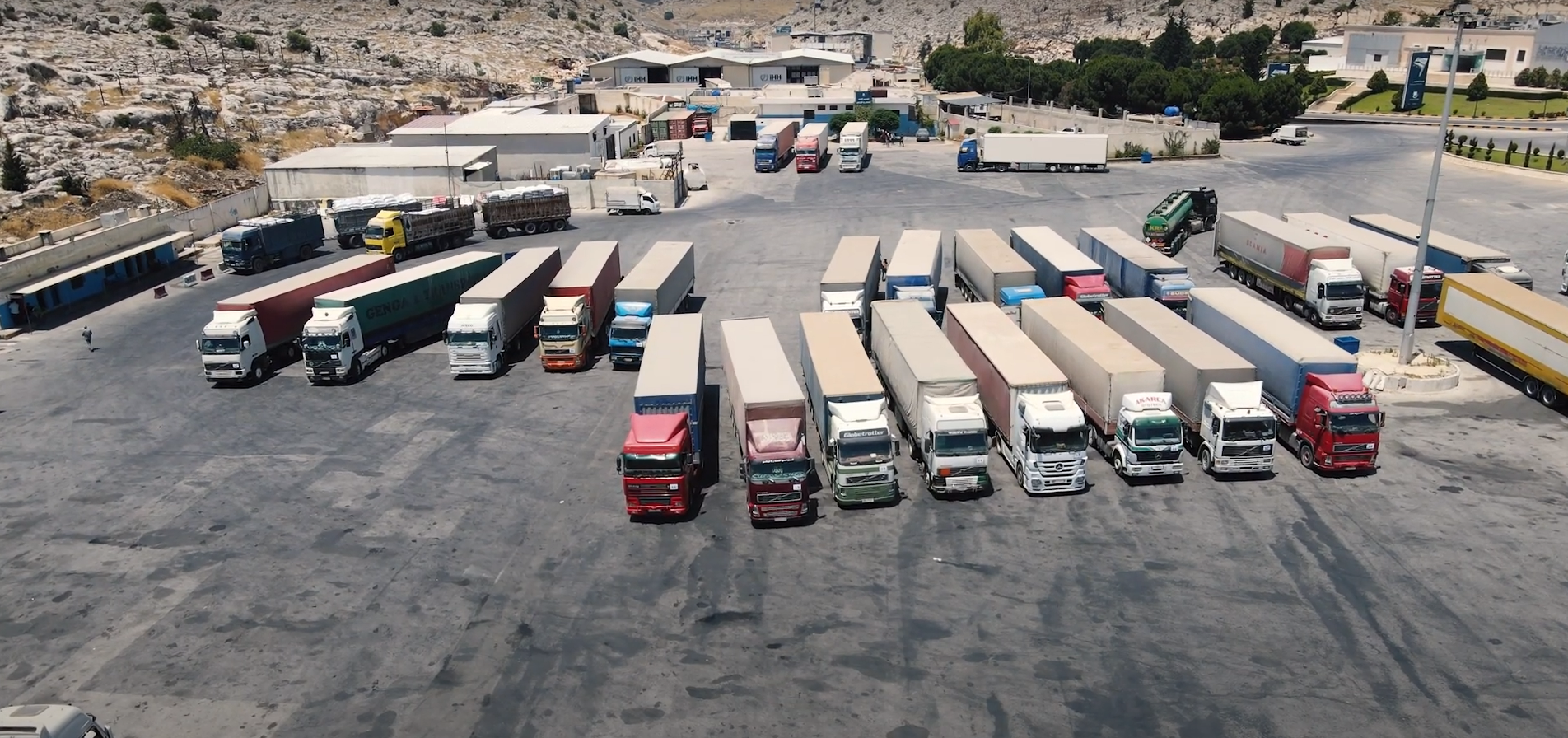
(Amman) 5 July 2023 – Médecins Sans Frontières/ Doctors Without Borders (MSF) calls on the United Nations Security Council (UNSC) to renew the cross-border resolution (UNSCR 2672) for the delivery of humanitarian aid into northwest Syria. Ensuring increased, expanded, and sustainable humanitarian access through all possible means and crossing points is crucial, to secure the uninterrupted provision of lifesaving aid for people in northwest Syria.

“The upcoming vote on 10 July represents a critical moment for northwest Syria. It is disheartening to see that people’s crucial access to humanitarian aid has become entangled in political negotiations. Failure to ensure a regular, sustainable means of aid delivery puts the lives and health of people at risk.”
Sebastien Gay, MSF Head of Mission for Syria

The devastating earthquake that struck northwest Syria on 6 February this year has exposed the already-dire humanitarian situation and shed light on the fragile and deficient nature of humanitarian access to the region. The earthquake was a critical turning point that brought attention to the gaps in the humanitarian response and efficiency, as it had failed to adequately address the scale and the scope of the needs.

“For nearly three days following the earthquake, no additional international humanitarian aid arrived in northwest Syria, leaving people without shelter, exposed to freezing temperatures, and lacking proper healthcare,” says Gay. “The delayed arrival of lifesaving assistance highlighted the isolation of northwest Syria.”

Together with other organizations, MSF has repeatedly warned that the limited channels through which humanitarian aid can pass compromise the ability to respond to emergencies. This recent disaster provided undeniable evidence of the need to diversify aid channels and ensure their long-term viability. With proper access, many deaths following the earthquake could have been prevented.

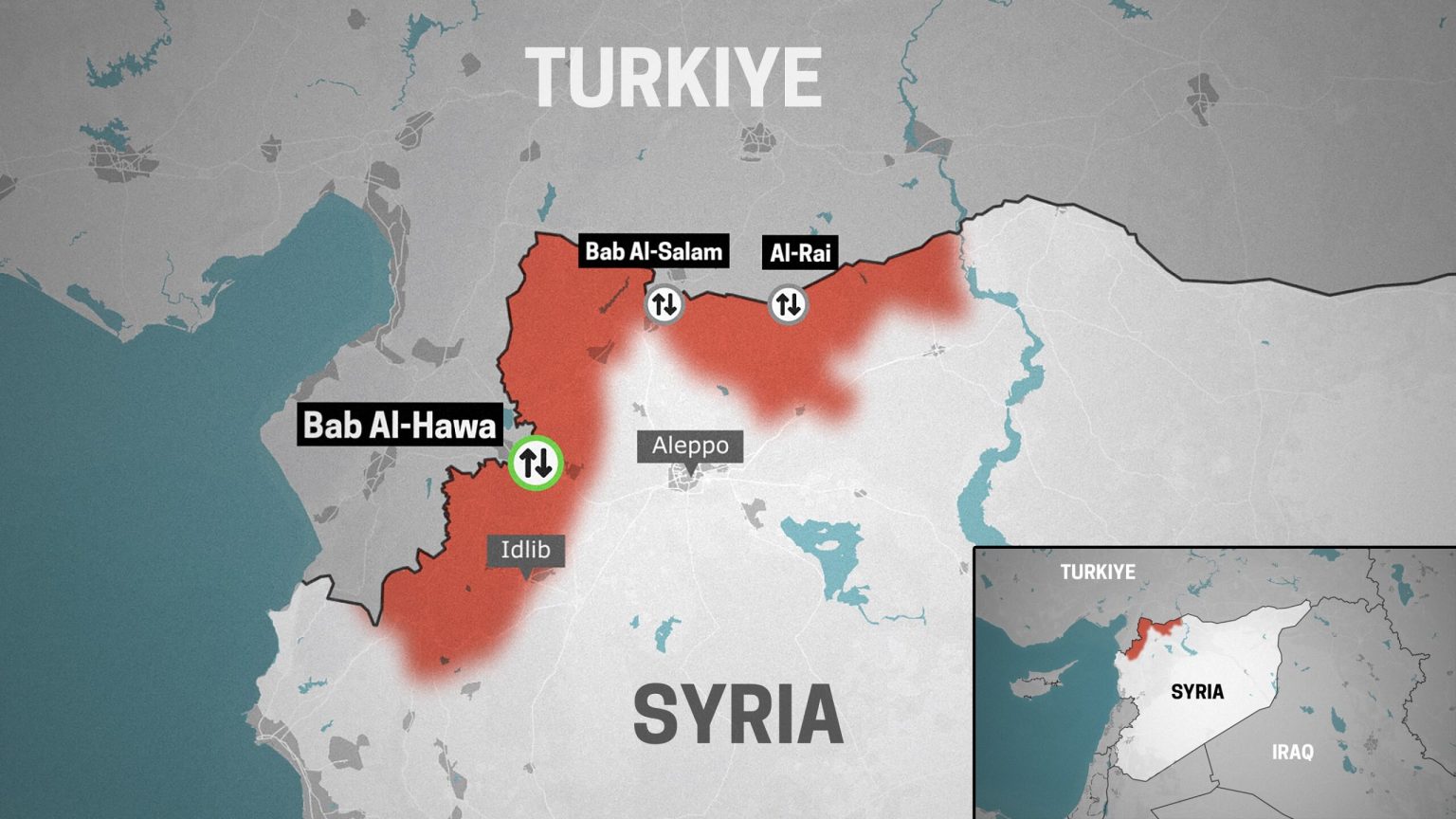
Drawing from this recent experience, the failure to renew the cross-border resolution and establishing a sustainable access to humanitarian aid in northwest Syria would have disastrous consequences on the physical and mental health of people. Over the years, the cross-border mechanism has faced significant setbacks, including a reduction in authorized crossing points from four to one, and a decrease in validity of the renewal from one year to six months.

A non-renewal would restrict MSF and other organizations’ capacity to provide lifesaving assistance to people in northwest Syria. Despite the current efforts towards contingency planning, the cross-border humanitarian channel coordinated and monitored by the UN remains the most reliable and cost-efficient option for MSF. To maintain this scale of medical activities, and respond to the enormous medical and humanitarian needs, the sustainability of our supply chain is crucial.

Furthermore, the current six-month validity of the cross-border mechanism hampers the emergency preparedness of international and national organizations and groups, and inhibits the implementation of longer-term and sustainable projects, as funding cycles are linked to this mechanism. MSF has witnessed first-hand the negative impact of funding shortfalls on vital medical facilities. To ensure emergency preparedness, the constant threat of non-renewal forces humanitarian organizations to stockpile supplies excessively, resulting in waste.

It is crucial for the Bab Al-Salama and Al-Rai crossing points, which are not covered by the UN Security Council resolution and were opened following the earthquake, to remain open for humanitarian convoys. However, the extension of these points’ opening should not be used to justify not renewing the UNSC Resolution, as Bab Al-Hawa remains the most reliable, cost-effective, and widely used crossing point.

The crossline, which is the mechanism used for delivering humanitarian aid from government-controlled areas into northwest Syria, can be complementary, but not a substitute for the cross-border mechanism. Discussions about humanitarian aid channels should focus on practical implementation, safety, efficiency, and timeliness.

MSF reiterates its call on the UN Security Council to renew the cross-border mechanism. “An independent and impartial humanitarian access to northwest Syria must be ensured at all costs”, added Gay. “It must also remain free from any political interference, as the lives of millions depend on it”.

Facebook
Twitter
LinkedIn
WhatsApp
Print

Medical staff must reach Jenin during the largest Israeli raids in the West Bank since 2002

Medical staff must reach Jenin during the largest Israeli raids in the West Bank since 2002

Jenin, Occupied Palestinian Territories (OPT), July 3, 2023 – MSF staff are currently providing emergency healthcare in the northern West Bank city of Jenin, following a large-scale raid by Israeli forces in the city’s refugee camp, the largest in the West Bank since 2002. At least 8 people were reported killed, and 91 others have been injured in a ground and air attack that left many with gunshot and shrapnel wounds.

Beyond killing and injuring people, the raid also affected health structures, and obstructed medical response to the emergency. Several gas canisters landed in the courtyard of the Khalil Suleiman hospital, where MSF staff had been treating patients suffering from gunshot wounds since 2 am.

The raids in Jenin are becoming more and more frequent, and their intensity seems to reach new heights. We have seen several patients with gunshot wounds to the head and we have received 55 wounded patients.
Jovana Arsenijevic, MSF Operations Coordinator in Jenin

Military bulldozers destroyed multiple roads leading to the Jenin refugee camp, stripping them of pavement and making it nearly impossible for ambulances to reach patients; during the raid, Palestinian paramedics have been forced to proceed on foot, in an area with active gunfire and drone strikes. All roads leading to the camp have been blocked for the duration of the military operation despite the presence of patients in need of care inside the refugee camp.

“We’ve been working for 15 hours and patients keep coming in. This is an unprecedentedly long military operation, and yet there are still victims that cannot be reached. Health care staff must be allowed to access patients unhindered,” Arsenijevic said.

The July 3 raid brought the number of deaths during Israeli forces operations in Jenin to 48 this year. With raids increasing in frequency, obstructions to medical care provision are on the rise too.

Raids by Israeli forces in Jenin are increasingly resorting to air support, a worrying development in the use of violence. Today, at least 10 air attacks were reported in Jenin.

“Raids on Jenin camp have started to follow a familiar pattern – ambulances have been rammed by armoured cars and patients and health care staff have routinely been denied entry and egress to the camp. However, the use of attack helicopters and drone strikes in such a densely populated area represents a marked increase in intensity and is nothing short of outrageous,” said Arsenijevic.

What we see is that the hospital where we are treating patients was struck by tear gas canisters. Medical structures, ambulances and patients must be respected.
Jovana Arsenijevic, MSF Operations Coordinator in Jenin

MSF has been in the Occupied Palestinian Territories since 1989 and currently has medical humanitarian operations in Jenin, Nablus, Hebron, and Gaza


Facebook
Twitter
LinkedIn
WhatsApp
Print

Year in Review 2022

Year in Review 2022

War, violence, natural disasters, disease outbreaks, rising inflation and spiralling prices; these are all factors that contributed to an overall increase in people’s needs, to which nearly 63,000 Médecins Sans Frontières (MSF) staff responded in 78 countries around the world in 2022.  

Violence in Haiti

The highly volatile political, economic and security situation in Haiti deteriorated even further in 2022, leaving the country on the verge of collapse. Yet it yielded little international attention or assistance. Extreme levels of violence in the capital, Port-au-Prince, meant that some communities became trapped without access to food, water or medical care. We have achieved acceptance by the armed gangs who rule entire neighbourhoods, but they frequently target people on the streets and kidnap medical staff with virtual impunity. 

MSF’s trauma hospital in Tabarre, and two stabilisation centres in Turgeau and Carrefour – all neighbourhoods in the capital – were often overwhelmed by the numbers of patients with violence-related injuries, particularly during an upsurge in fighting in May.

Our Drouillard hospital in the Cité Soleil neighbourhood is regularly at the crossroad of the armed groups’ territorial struggle, and the often-intense violence forced our medical activities there to be suspended several times during the year. Haiti is currently one of the most challenging countries for MSF, in terms of security risk for our staff and supplies.  

A trauma patient is transferred to the MSF emergency centre in Turgeau, Port-au-Prince. Haiti, June 2022.

Escalation of war in Ukraine

MSF has been active in eastern Ukraine, supporting people caught up in the war since it started in 2014. However, on 24 February 2022, our teams were taken by surprise by the dramatic escalation in conflict, following large-scale attacks by Russian forces across the country. We rapidly increased our response, providing staff and materials, as well as training to Ukrainian surgeons and healthcare workers to help them cope with large influxes of wounded patients.

We assisted people who decided to stay home, those who moved elsewhere within the country, and the immense numbers who chose to seek refuge in neighbouring countries such as Poland, Moldova, Belarus and Russia, providing them with medical and mental healthcare.  

The escalation in the war posed several challenges for us. We needed to rapidly scale up activities to respond to a wide range of needs – not only treating war-related physical and mental trauma but also pre-existing conditions such as non-communicable diseases – and adapt to the changing situation and fast-moving frontlines. We had to balance our ambition to deliver care where it was most needed with the need to guarantee the safety of our staff, including our many Ukrainian staff who had been displaced. 

To address these challenges, we devised new ways to get as close to people as possible, for example using a specially designed medical trains to transport patients away from danger zones; running mobile clinics in shelters for the displaced and in metro stations, where people took cover as bombs fell indiscriminately above ground; and opening phone hotlines for consultations for non-communicable diseases.    

The medical team inside the intensive care unit of the MSF medical train monitors and stabilises a severely war-wounded patient during the journey from Pokrovsk in eastern Ukraine to Lviv in western Ukraine. May 2022.

COVID-19’s lasting impact 

At the beginning of 2022, as the pandemic entered its third year, MSF teams were still responding to COVID-19 in many places. We continued offering treatment in countries such as Iraq and Eswatini, and administering vaccinations in Lebanon, South Africa and Uganda. 

Meanwhile, MSF’s Access Campaign highlighted the need for an intellectual property waiver that would facilitate greater, and more rapid, production of vaccines for this, and future, pandemics. While our response to COVID-19 decreased as the year wore on, our teams worked to address the toll the pandemic has taken on people and healthcare systems, such as a lack of routine vaccinations, which has led to outbreaks of vaccine-preventable diseases in many countries.

Cholera resurges 

We saw an extraordinary resurgence in cholera in 2022; 30 countries recorded cases or outbreaks. MSF responded to this highly contagious disease in at least 10 countries, including Nigeria, Syria, Cameroon, Niger, Lebanon, Democratic Republic of Congo and Kenya. Different factors including natural disasters, climate change, water scarcity and humanitarian crises, such as conflict, contributed to the worldwide rise in cases.  

In Haiti, after three years with no cases, there was a major outbreak from late September. By the end of the year, there had been over 15,000 cases, the vast majority of which were treated in our facilities. Our teams also supported outbreak vaccination efforts.  

In view of the global shortage of cholera vaccines, the International Coordinating Group – of which MSF is a member – took the unprecedented decision to temporarily recommend a one-dose, rather than the usual two-dose, vaccination strategy to help protect more people from contracting the disease. 

A health worker examines a cholera patient at the MSF-supported cholera treatment unit in Idlib, northwestern Syria. November 2022.

The climate crisis leaves its mark 

Once again in 2022, MSF assisted people affected by extreme weather events such as floods in South Sudan and South Africa; drought in Somalia; and cyclones in Madagascar and the Philippines.  

In January, MSF teams provided treatment to children with malnutrition on the outskirts of N’Djamena, Chad, in what was for some the driest and shortest rainy season they could remember. However, several months later in August, in the same area, unusually heavy seasonal rains caused rivers to burst their banks, leading to flooding, which displaced thousands of people. 

In June, Pakistan was swept by severe floods, with one-third of the country underwater; some areas were still flooded more than three months later. The devastation displaced over 30 million people and left thousands dead and injured. In response, MSF teams provided medical, nutrition and water and sanitation support on a massive scale in Sindh and Balochistan provinces.   

Towards the end of the year, we started working in Kiribati to improve maternal healthcare, particularly the diagnosis and treatment of diabetes, a disease that is prevalent in this Pacific Island nation, where rising sea levels have eroded and salinised land used to cultivate crops. 

Rise in malnutrition cases 

Treating high numbers of children with malnutrition was another focus of our activities during the year. As with cholera, the causes of malnutrition are complex and multifactorial; drought, bad harvests, collapsed health and economic systems, conflict, rising food prices. Some or a combination of these factors contributed to the alarming levels of malnutrition we saw in Nigeria, Ethiopia, Kenya, Afghanistan, Chad and Yemen during the year.  

In Baidoa, Somalia, where the prolonged drought has been compounded by long-standing conflict and an inadequate humanitarian response, our teams were seeing, at times, 500 acutely malnourished children a week.

An MSF medical team travels by boat to bring medical care to the city of Johi, in Dadu district, Sindh. Pakistan, October 2022.

Migration pushbacks 

The UN’s refugee agency, UNHCR, estimated that as many as 100 million people were forcibly displaced around the world in 2022. Some were caught in a stalemate at the borders between Belarus and Latvia, Lithuania, and Poland, where they were met with constant, often violent, pushbacks.

From the beginning of the year, we struggled to assist people in these areas due to hostile policies restricting our access. The escalation of the war in Ukraine in late February, however, revealed a double standard in European migration policies; for millions of Ukrainians – fleeing conflict, like many of the people stranded at the Belarusian border – entry to EU countries as refugees was swiftly facilitated. 

Refugees and migrants arriving at Mexico’s northern border also continued to be pushed back by the US under Title 42, a decades-old policy that has been widely used only since March 2020, to regulate border crossings under the premise of increased COVID-19 precautions. Meanwhile, thousands of migrants heading for the Mediterranean coast in northern Africa – or retreating from the dangers in Libya – were expelled from Algeria to Niger and abandoned on the border in the middle of the desert.  

Pushbacks continued at sea as well; in September, Malta forced a ship to take people rescued from its search and rescue zone in the Central Mediterranean Sea to Egypt, in clear violation of maritime and international law.  

In the five years since over 750,000 Rohingya fled Rakhine state, in Myanmar, following indescribable violence, life for the persecuted minority has not improved. Those arriving by boat to seek safety in Malaysia have been forcibly returned to sea or have been arrested, imprisoned, and charged. In Bangladesh, Rohingya live in cramped and unsanitary conditions, and their right to move around the camp of 1 million people and work has been severely restricted, adding to people’s distress. 

Aerial view of a road and dikes being built by the UN in Bentiu. The dikes are up to 2.5 metres high and five metres wide. The floods around Bentiu extend over 80 kilometres. South Sudan, August 2022.

Successes in TB, but challenges remain 

At the end of the year, the New England Journal of Medicine published results from our TB-PRACTECAL clinical trial, which tested the efficacy and safety of a six-month, all-oral treatment regimen for drug-resistant tuberculosis (DR-TB).

The regimen cured 90 per cent of patients, a significant improvement on previous standard treatments, which typically took two years to complete, with only around half of patients cured. It has now been included in the World Health Organization’s updated TB treatment guidelines.  

Scale-up of shorter, all-oral regimens will be critical to getting people on treatment and cured. But this can only happen if the drugs used in these regimens are affordable. Prices for bedaquiline and delamanid, which are being used in our PRACTECAL and/or endTB and endTB-Q trials, remain too high for wide-scale use in many high-burden countries, and must come down. 

Like PRACTECAL, the endTB and endTB-Q trials are also looking at shorter, safer, more effective regimens, including in patients who are minors. This is doubly important following WHO’s new recommended algorithm to diagnose TB in children.  

Vaishnavi (seven years old), a DR-TB (drug-resistant tuberculosis) patient is given TB medication by her mother, Vishakha. India, February 2022.

The impact of anti-NGO rhetoric on MSF activities  

Across some parts of the world, our teams continued to see the effects of counterterrorism and anti-NGO rhetoric. Four colleagues from our team in Southwest region, Cameroon, were arrested and charged with complicity with secessionists after they transported a patient with a gunshot wound in an ambulance to hospital in Mamfe.

They spent between 10 months and just over a year in prison, before being acquitted in court at the end of December. Due to the lack of guarantees for our safety, we were forced to first suspend, and then close, our project in Mamfe, which further reduced the availability of healthcare in an area with immense needs.  

Access to healthcare remained an issue in Tigray, and other parts of Ethiopia, in the year following the June 2021 murders of our colleagues María, Yohannes and Tedros. Since then, we have tried relentlessly to understand the full circumstances behind what happened to our colleagues and obtain an acknowledgment of responsibility for the events leading to their murders. Despite the heavy investment made in bilateral engagement with the authorities, the lack of progress in obtaining substantial answers led MSF Spain to pull out of the country. 

In Afghanistan, the Islamic Emirate of Afghanistan (also known as the Taliban) has continued to strip away freedoms for women in the year since retaking power in August 2021. In December, edicts were issued restricting girls’ and women’s access to education, and banning female NGO workers, with an informal exemption for those working in healthcare. While we can retain women on our teams – for now – we are deeply worried about the longer term, as female medical students cannot complete their education to become the doctors, nurses and specialists that the country’s health system desperately needs.  

Our teams have witnessed the criminalisation of the delivery of aid in some places, including in Mali and Niger. This has made it extremely difficult to reach people caught up in conflict in the Sahel border region of Niger, Mali and Burkina Faso.  

Our work has its risk, with staff working under the threat of attack, abduction, or detention. Despite the challenges in this part of the Sahel, and elsewhere we worked during 2022, our teams managed to deliver lifesaving care to millions of people. But this work would not have been possible without the support of our nearly 7 million donors, for whom we are grateful. 

Facebook
Twitter
LinkedIn
WhatsApp
Print

Updates on MSF hospital in Bar Elias

Updates on MSF hospital in Bar Elias

After ceasing its surgical activities in Bar Elias hospital, MSF aims to readjust its presence to respond to the emerging needs in Lebanon in close collaboration with the Ministry of Public Health.

Médecins Sans Frontières/Doctors without Borders (MSF) ceased its surgical activities in the Bar Elias hospital. With that, MSF is aiming to readjust its presence and activities to the emerging needs in Lebanon in close collaboration with the Ministry of Public Health.

“In 2016, MSF agreed to rehabilitate the hospital in Bar Elias in order to increase the medical capacity in Central Bekaa by providing outpatient and inpatient care including surgical activities” explains Julien Raickman, MSF Head of Mission in Lebanon. “Since then, our medical teams performed more than 5,700 surgeries and provided wound care for more than 1,700 patients”.

The hospital remains on standby while we continue working together with the Ministry of Public Health on defining its optimal future use. However, MSF ensures the equipment is part of the hospital and will not be given away, except few drugs that were sent to other MSF clinics and other nearby health facilities to prevent waste.

Nonetheless, MSF remains committed to providing free medical care to the people in need in Lebanon and remains ready to respond whenever emergencies occur as was the case in 2020 for Covid-19 or more recently for cholera in 2022. A recent assessment was done by MSF teams in the central Bekaa to better understand the needs and how the organisation can readjust its presence and activities in close collaboration with the Ministry of Public Health.

“Médecins Sans Frontières is thankful for the support and the welcoming of the Bar Elias communities, as well as the local and national authorities over the years. The vital work we provided wouldn’t have been possible without a good collaboration”, adds Raickman.

MSF is working with around 700 staff in six governorates in Lebanon, providing free medical care and supporting the Lebanese healthcare system in Wadi Khaled, Hermel, Arsal, Tripoli, Beirut and its suburbs. Our teams did more than 140,000 free medical consultations in 2022 to people who need it most. Our approach aims to provide health services to everyone, based on medical needs.

MSF’s actions are guided by medical ethics and the principles of independence, impartiality and neutrality.

Facebook
Twitter
LinkedIn
WhatsApp
Print

Sudan: Humanitarian operations in many parts of the country may grind to a halt

Sudan: Humanitarian operations in many parts of the country may grind to a halt

Dr Ahmed Abd-elrahman is a Sudanese doctor who has worked with MSF for more than 17 years, including assignments in Somalia, Pakistan, Libya. He is currently Director of Operations at MSF Brussels and is directly supporting MSF teams in Sudan.  

“Our surgical team in Khartoum, for example, has been operating non-stop for more than ten days. If we are unable to rotate in another team, it may not be possible to continue these crucial activities”. 

“Our teams are witnessing on a daily basis the direct impact of ongoing fighting on people in Khartoum and in Darfur, and the health consequences of displacement in areas such as Wad Madani. In Wad Madani, Al-Jazeera state, the health system is under extreme pressure.

MSF’s mobile clinics have seen over 1,000 patients in just a few weeks. In Khartoum, the MSF surgical team has treated over 400 trauma patients since 9 May. These activities are saving lives and it is crucial to keep them running efficiently.” 

“As the situation stands today, I am gravely concerned that without additional staff and the ability to move essential supplies where they are needed, many lifesaving activities may have to be put on hold.”
Ahmed Abd-elrahman, MSF Director of Operations.

Published on May 26, 2023

“Although we have been able to bring in some supplies into the country access remains very challenging. There has not been the possibility of unhindered movement from points of entry to places where the supplies are needed. Even where we had supplies pre-positioned in the country, looting and attacks on healthcare facilities and warehouses have reduced our stock significantly. It is crucial that supplies can continue to be brought into the country and to move freely” continues Abd-elrahman.  

“Even more worryingly, across Sudan many medical facilities have been left short-staffed as people flee to safety. The few remaining dedicated humanitarian staff who have been able to come into Sudan are working under extreme pressure and we have been struggling to reinforce our teams by bringing in additional international staff over the past two weeks.

While we managed to obtain few visas recently, we need urgently more. Without new staff and the possibility to move essential supplies in the country, many humanitarian operations in many parts of the country may grind to halt. We call on parties of the conflict to ensure humanitarian access and allow us to assist the Sudanese population”.    

Facebook
Twitter
LinkedIn
WhatsApp
Print