The War in Sudan: Humanitarian Crisis and Choice

MSF Head of Mission Sudan | Jean-Nicolas Dangelser - Gedaref and Kassala states OCA projects

The War in Sudan: Humanitarian Crisis and Choice

By By Jean-Nicolas Armstrong-Dangelser, MSF Senior Operations Advisor.


Mighty desert, mighty rivers,

The flow of life in the heat of passions

The depths of the message are hard to reach

Standing still in the action

The sands and the waters are speaking the same language

We are at the crossroad of space and time

The hardest is to face what is

The tears are from joy as well as sorrows

Both must vanish in the wind

We can choose to be a grain of sand in Merowe

Or a drop of water in the Nile

It will not change what is

We will remain observers

Of life unfolding its patterns

Violence and love are surplus of energy

The choice is ours

I wrote this poem in Port Sudan in June 2023, when I was inspired by the powerful beauty of Sudan that I fell in love with years ago, and deeply affected by violence spreading across the country since 15 April. Since then, how many more atrocities people have had to live through in Khartoum, in Jazirah, in Sennar, in the Kordofans, in the Darfurs.

What struck me the most throughout the time I have spent on the Sudanese crisis is the scale of the ongoing disaster. I have not met one Sudanese person in or outside the country who is spared from the consequences of the conflict, directly or indirectly.

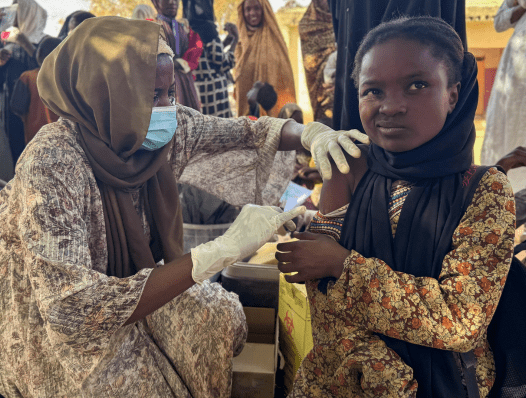
A health promotion session led by MSF on hygiene and how to use the toilet to avoid cholera, in Al Tadamon gathering site, Al Gedaref State.

I remember people from Khartoum in an overcrowded student dormitory in Port Sudan in May 2023. The infrastructure was not adapted for dozens of families to be sheltered there, and they were telling us that they had nothing but the clothes on their back as they suddenly left the capital city when the fighting erupted.

I remember the refugees who fled the mass killings of June and November 2023 in El Geneina whom I met when the Rapid Support Forces (RSF) started the siege on El Fasher in May 2024. They recounted their own horrific stories of what they directly witnessed the previous year, when thousands of their community members were slaughtered. They were already fearing that the siege of El Fasher would spiral into similar exactions.

I remember the villagers who told us the violence they faced across Jazirah State when their villages were brutally attacked by the RSF and had to flee en masse at the end of October 2024. We responded for a second time in a few months to a massive wave of cholera as the consequences of overcrowded shelters lacking clean water and proper sanitation.

I remember the emergency room of Al Nao hospital in Omdurman on 1 February 2025, when the RSF shelled a marketplace at peak hour a few kilometres from the hospital. The emergency room was overwhelmed with patients alive and dead, and in the middle Ministry of Health staff were doing all they could to save lives and clean the blood from all over the floor.

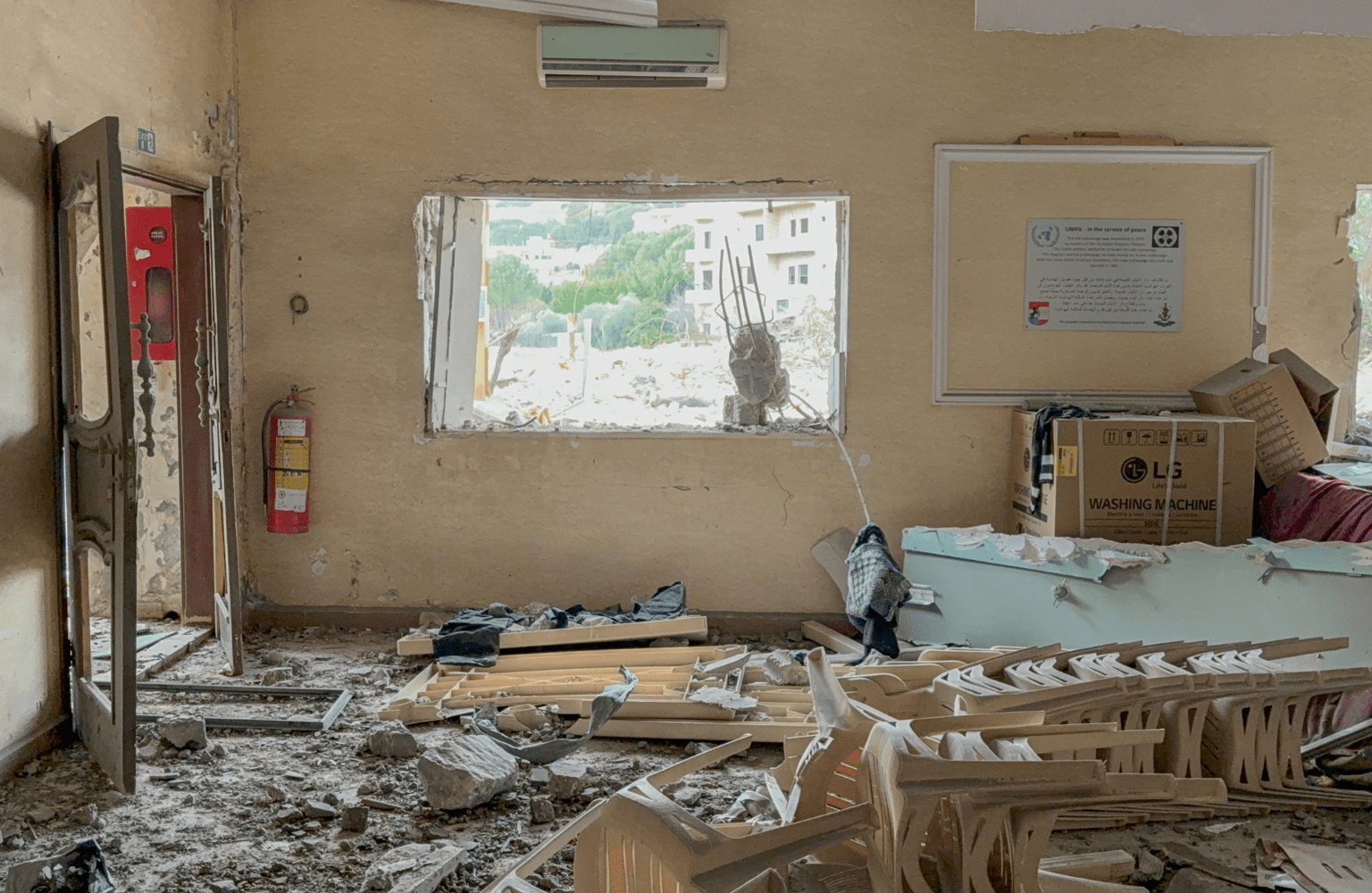
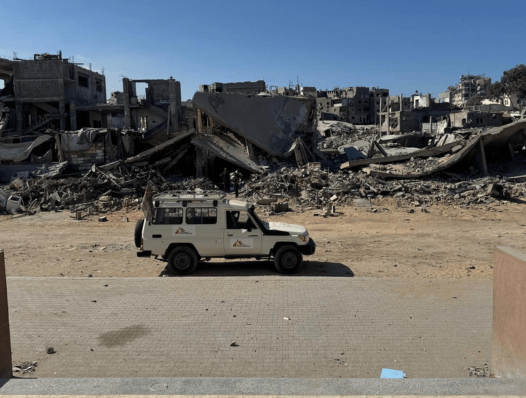
I remember the shock and the sadness on the faces of the people returning to Khartoum after Ramadan. They were coming back to entire neighbourhoods completely destroyed after months of relentless street fighting and campaigns of indiscriminate heavy artillery shelling and airstrikes. The desolation was a stark indication of the armed factions aim to destroy the enemy and maintain the power over people without any regards for the preservation of human lives and dignity.

I remember the mothers in the neonatology ward of El Geneina Teaching Hospital, counting how many newborns died during the past week alone because of the immense gaps in the healthcare service delivery in West Darfur.

The scale of the devastation in Sudan is soul crushing.

A mother and her child in the malnutrition ward, in Um Rakuba camp, in Sudan november 2024.

Society’s entire fabric is being ripped to pieces and people are pushed to take sides by the force of the circumstances. The complexity of the dynamics is too long to explain in a few phrases but the most important point to understand is how profound the wound of the Sudanese people is and how it continues to deepen at an alarming rate at the rhythm of daily horrific news. The forces at play are emerging from ethnic fault lines that the warring parties are exploiting for their gain, as colonial powers did before them. The causes of these societal fractures are deeply rooted in the past and the reverberations of current events will be felt for generations into the future.

I wouldn’t qualify what we are witnessing in Sudan as inhuman, because this is the first step of an othering process at the very root of the current situation. It is rather the darkest side of humanity that is exposed through the actions carried out against the civilian population in Sudan for the past 30 months. It unfortunately reminds us all too well of the genocide of the early 2000s. The violence unleashed during that period involved the exact same actors at play today, even though many relations and alliances have shifted in the meantime. For too long and still at the time of writing, the armed actors in Sudan are erasing the humanity of entire communities in their words on paper and in their speeches to justify the physical and cultural extermination of the people.

However, violence and darkness are not the only factors echoing from the past in today’s situation. The generosity, courage and boldness of the Sudanese people are also extending old traditions of solidarity in various forms. The community kitchens fed millions of people for months if not years and continue to do so. The doctors’ networks and the Emergency Response Rooms treat hundreds of thousands of patients and saved countless lives. And these are only a couple of examples of the mutual aid ecosystem that exists in Sudan. They are not only doing an incredible work, but they are also the bulk of the aid that the Sudanese people are receiving, particularly in areas that are off limit for international organizations and State institutions for months.

A health promotion session led by MSF on hygiene and how to use the toilet to avoid cholera, in Al Tadamon gathering site, Al Gedaref State.

I would like to pay a special tribute to all our Sudanese colleagues whom I admire for their commitment, love and determination, who tirelessly continue to uphold the brightest of humanity despite fear, despair and devastation in the darkest times. I am proud and honored to be working alongside them.

Mutual aid flourished from tradition and conviction, but also out of necessity. As the conflict drags on, the needs continue to grow in increasing parts of the country, weapons continue to flow from foreign powers despite an embargo constantly violated that should have been expanded from Darfur to cover the whole country and international funding continue to decrease steadily.

The international humanitarian community failed the Sudanese people when the international staff of all institutions abandoned them to their own fate at the beginning of the war. It also continued to fail to deliver aid where it was most needed and at scale because of lack of leadership and cohesiveness.

The international mechanisms such as the United Nations Security Council (UNSC), international organizations and the foreign powers deeply involved directly and indirectly also failed the Sudanese people. Despite UNSC resolution 2736 demanding the RSF to end the siege of El Fasher, no concrete or meaningful actions were undertaken.

In the post-truth era in which we are living, every belligerent claims to be the defender the people and uphold international humanitarian law while decision-makers assert that they have no leverage to influence the course of actions. Hollow declarations are empty gestures; the Sudanese people are still to see a true political will to materialize change in their lives.

Despite repeated warnings from history, from experts, from field workers, from Sudanese, the people with the power to act through the international systems in place, have failed to prevent hundreds of thousands of lives to be lost.

This war is not inadvertently forgotten but rather consciously ignored. The events unfolding right now were predictable but not unavoidable.

The choice is ours.

Facebook
Twitter
LinkedIn
WhatsApp
Print

MSF & West African Artists Warn of Climate Change

Def Mama Def perform during the Clima Yakaar music video shoot near Lac Rose

MSF & West African Artists Warn of Climate Change

Médecins Sans Frontières (MSF) and artists unite to call for urgent action to protect vulnerable communities with the release of the song “Oya”, ahead of the crucial COP30 climate talks in Brazil.

Oya is an artistic initiative blending music and contemporary African dance to draw attention to the health consequences of climate change on the world’s most vulnerable populations.

Mao Sidibé (center, in black outfit) watches the video feedback screen with the staff and dancers

The climate emergency is a major health threat to millions of people worldwide, and vulnerable communities hit the hardest. In 2024 alone, MSF teams responded to devastating floods in West Africa and South Sudan, repeated cyclones in Madagascar, and severe heatwaves and drought in the Horn of Africa. Across the Sahel, the deadly combination of malaria and malnutrition overwhelmed pediatric services. In Chad, MSF is now providing year-round treatment and prevention for malnutrition.

“The climate crisis is first and foremost a health crisis. Vulnerable communities are paying with their health and their lives for a problem they did not create,” said Dr. Didier-Mukeba Tshialala, MSF Medical Coordinator for West and Central Africa. “

Last year was the hottest ever recorded, the tenth consecutive year of record-breaking heat. According to the Intergovernmental Panel on Climate Change (IPCC), nearly 70% of global deaths are linked to climate-related diseases.[i] Yet climate action remains far too limited.

[i] https://www.ipcc.ch/report/ar6/wg2/chapter/chapter-7/  

A fire breather performs while other dancers are in the background

Art as a voice for climate and health

In response, MSF is turning to art as a powerful medium to raise awareness and call for action. Oya (“Let’s Go” in several Nigerian languages) brings together West African musicians and dancers to deliver a clear message: action is needed now.

The initiative takes the form of a music video featuring an original composition by artist Mao Sidibé, paired with choreography from Senegal’s world-renowned École des Sables, founded by Germaine Acogny.

The artistic approach brings together several emotions: sadness, urgency, defiance, but also hope. Together, we are stronger,” explains Mao Sidibé, composer of the song Oya.

The lyrics of Oya are inspired by testimonies from MSF patients and staff in Niger, Cameroon, and Madagascar – giving a voice to communities directly affected by the crisis.

The project underscores a vital message: climate change threatens health through the spread of infectious diseases, increasingly extreme weather events, and rising heat.

These problems will only intensify if nothing is done. Action is needed now to prevent the worst health and humanitarian consequences of the climate crisis,” said Dr. Tshialala. “Through art, we want to remind people that hope exists – if we act now.

“Keeping global warming under 1.5°C is absolutely critical to avoid the worst health and humanitarian effects of climate change, said Stephen Cornish, MSF General Director. “More must be done now to help the most affected countries to deal with the consequences and protect the health of their people”.  

Audy Valera (center) shows a video to Racky Imanyé Sowl on the set of the Clima Yaakaar music video in Reubeuss, Dakar
Facebook
Twitter
LinkedIn
WhatsApp
Print

Ukraine: Drawing Trauma and Hope by Ella Baron

Ukraine: Drawing Trauma and Hope by Ella Baron

“Since Russia’s full-scale invasion of Ukraine in 2022, I’ve drawn many political cartoons about the war. It looked very different from the ground, where war is fought and lived by ordinary people, just like us. In the hospitals I visited in May this year, I sketched the precise way in which war is mapped on individual bodies and listened to the stories behind their scars. I drew what people told me, as well as what I saw, because trauma and hope are intangible things of memory and imagination. There’s nothing left to draw of an amputated limb but memories – the same could be said for a lost home or relative. These things are beyond a camera’s reach, which I think gives you licence to reach for a pencil.” 

Those words are by Ella Baron. A UK-based political cartoonist and illustrator, she is renowned for her social commentary and graphic reportage. Over the years, she has documented several MSF projects. This year, she visited our projects in Vinnytsia and Cherkasy in Ukraine. Almost three years since the war in Ukraine escalated, the toll on the population remains high. In MSF facilities, the testimonies collected tell stories of both suffering and resilience. Ella Baron has captured this through her art, creating a visual record that goes beyond conventional photography. These are her drawings and her words about her work in Ukraine. 

MSF activities in Ukraine

Since February 2022, the full-scale war in Ukraine, has triggered a dramatic increase in the number of people in Ukraine with long-term injuries requiring complex care. This includes individuals with blast injuries, shrapnel wounds, and amputations, all of whom require intensive, specialised care, placing extra strain on the country’s health system. In response, Doctors Without Borders/Médecins Sans Frontières (MSF) launched an early rehabilitation project at Cherkasy Hospital in central Ukraine in March 2023. This project provides physiotherapy, psychological support and nursing care to address the complex needs of patients wounded in the war early in their recovery process.

Mental health is also central to the care that MSF provides in Ukraine. In 2023, MSF began offering specialised psychotherapeutic services to people showing symptoms of war-related post-traumatic stress disorder (PTSD) in Vinnytsia. A custom-designed mental health centre opened in September 2024. In this centre, MSF offers one-to-one psychological sessions, also sessions for members of patients’ support networks, and provide patients with techniques to help reduce symptoms, increase coping skills and decrease the consequences of traumatic stress.

In addition, our Vinnytsia team also provides evidence-based treatments for war veterans who have been wounded or demobilized and are readjusting to civilian life, as well as for their relatives and families, and for displaced people affected by the war. The centre uses therapies such as Eye Movement Desensitization and Reprocessing (EMDR) to help patients process traumatic memories and alleviate PTSD symptoms.

For this project, we welcomed Ella Baron to our facilities in Vinnitsya and Cherkasy in May 2025. This was published in The Guardian in July and exhibited at The Arcade at Bush House, King’s College London, in September. Ella Baron previously collaborated with MSF in late 2018 in the Shatila refugee camp in Lebanon. She collected testimonies from patients, mostly Syrian women, and based on their stories, she produced: To see one smile – illustrations of mental health amongst Shatila refugees. In 2019, MSF commissioned Ella Baron to travel to the remote region of Pibor in South Sudan to document maternal health challenges. Her graphic short story was entitled South Sudan: The Long Walk for New Life.

Facebook
Twitter
LinkedIn
WhatsApp
Print

MSF Relaunches Search and Rescue in Mediterranean

Oyvon MSF new search and rescue mission vessel

MSF Relaunches Search and Rescue in Mediterranean

Licata, Italy, 12 November 2025 – International medical humanitarian organisation Doctors Without Borders/Médecins Sans Frontières (MSF) announced today the relaunch of its lifesaving search and rescue (SAR) activities in the central Mediterranean, almost a year after being forced to terminate operations with its last rescue vessel, the Geo Barents.

The organisation is deploying its new rescue vessel Oyvon, which means “hope for the island” in Norwegian, that has been refitted and equipped to conduct SAR operations in one of the world’s deadliest migration routes. Oyvon was previously operated as an ambulance vessel in Norway.

“As a medical and humanitarian organisation, our commitment to being present at sea and supporting people on the move is unwavering” said Juan Matias Gil, MSF SAR representative. “We have returned to carry out the duty of rescue for those who find themselves in distress at sea, forced to take unseaworthy boats, after having endured deplorable and inhumane conditions, detention, abuse and extortion in Libya.”

Trainings on the new vessel Oyvon

Restrictive policies made SAR almost impossible

MSF was forced to halt rescue activities of the Geo Barents in December 2024, after more than two years of operating under restrictive Italian laws and policies, particularly the Piantedosi Decree and the distant port practice. These restrictive rules made operating the Geo Barents unfeasible; despite its capacity of up to 700 people, it was routinely directed to distant ports while carrying only around 50 survivors.

“MSF’s decision to deploy a smaller, faster vessel is a strategic response to the restrictive and obstructive laws and practice imposed by the Italian government, which specifically targets humanitarian rescue vessels” adds Gil.

Images from the training sessions conducted during the relaunch of SAR operations.

By returning to the Central Mediterranean, MSF also aims to report on and document the experiences of people who flee Libya and collect their accounts of violent interceptions at sea at the hands of the Libyan Coast Guard and other actors, as well as their forced return to Libya recognised as a violation of international maritime, human rights and refugee law by Italian courts and UN bodies.

In recent months, there has been an increase in violent attacks in international waters by the Libyan Coast Guard and other armed groups against people crossing the Mediterranean, as well as against humanitarian rescue vessels.

The MSF crew onboard includes a doctor and a nurse to provide medical care in life-threatening situations and treat people for hypothermia, fuel inhalation, fuel burns, as well as wounds they might have sustained in the cycle of abuse and detention in Libya.

training session on MSF Oyvon search and rescue vessel
Facebook
Twitter
LinkedIn
WhatsApp
Print

A Sudanese Pharmacist’s Humanitarian Journey with MSF

Tanzeel Elgorashi, a Sudanese pharmacist, shares her inspiring journey with MSF, from Khartoum to South Sudan, delivering care through crisis.

A Sudanese Pharmacist’s Humanitarian Journey with MSF

Tanzeel Elgorashi, a Sudanese pharmacist, has always carried with her a passion for helping others. Her work in community health and pharmacy management was never just about giving out medicine or offering advice to patients — it came from a deep belief that healthcare is a basic human right.

“Many people around the world are deprived of the simplest forms of healthcare,” she says. “I always wanted to use my skills to serve communities facing health crises. Joining MSF gave me the chance to make a real difference in people’s lives.”

From the Pharmacy to the Field

Tanzeel first worked with MSF through a partnership project, managing the pharmacy for a children’s home in Khartoum. At that time, she wasn’t directly employed by the organization. On August 13, 2025, she officially joined MSF as an international mobile staff. Her first assignment was in Renk, South Sudan, where she became the pharmacy manager for the project.

She prepared for this step carefully — learning the organization’s protocols on emergency response and medicine supply chains and familiarizing herself with the local context and cultural norms.

In Renk, she was responsible for making sure medicines were available and properly distributed, working with medical teams during outbreaks like cholera and malaria, and keeping supply chains running in a resource-scarce environment.

A patient suffering diabetes is taking medical devices and drugs at an MSF facility.

How the War Changed Everything

When war broke out in Sudan, Tanzeel’s life was turned upside down. She tried to stay in safer areas, but the conflict kept spreading. Eventually, she was forced to leave Sudan and move to Egypt. Even before the war, the children’s home pharmacy in Khartoum struggled with limited supplies. But once the fighting began, the situation became desperate — she was the only pharmacist left, witnessing severe and ongoing medicine shortages.

Moments She’ll Never Forget

One of the hardest moments she faced was in September, when a young boy was brought in after a dog bite. His mother had delayed taking him to the clinic, and although the vaccine was available, it was too late to save him. “Ignorance can cost lives,” Tanzeel says sadly. “The problem wasn’t the lack of medicine, but the delay in getting treatment. Awareness is just as important as having a medical team in place.” She believes public health education is crucial. Without it, even the best medical teams can’t save lives in time.

Lessons Learned

Although her time working directly with MSF before her mission was short, Tanzeel felt at home in South Sudan. Being Sudanese herself, she understood the challenges deeply. She knows future missions in other countries may be more difficult, but she’s ready for them.

She also stresses the critical role of pharmacists in crises: “The most important thing is to make sure life-saving medicines are available when needed. Without medicine, even the best medical team can’t function.”

A woman receives medication from an MSF staff in Jerbana, a town located just 20 km from Sudan.

From Egypt to International Missions

After seeking refuge in Egypt, Tanzeel began a new phase in her career. Through the MSF office in Cairo, she joined the organization’s international mobile staff as a pharmacy manager. This was a turning point — it allowed her to continue helping communities in urgent need of healthcare.

A Message of Humanity

Tanzeel ends her story with a message of hope: “Humanitarian healthcare isn’t just about medicine. It’s about solidarity, dignity, and humanity. Even in the darkest times, there is hope and resilience. Every small effort makes a difference. Your support keeps our hands extended to save more lives.”

Facebook
Twitter
LinkedIn
WhatsApp
Print

Humanitarian Needs Rising in Northeast Syria

*Om Wael pulls a small cart carrying heavy gallons of water in Ghweiran neighborhood, filled from red tanks located throughout the city of Hasakah, which is facing a shortage of drinking water.

Humanitarian Needs Rising in Northeast Syria

Amsterdam/ Al-Hasakah, People in northeast Syria continue to struggle with access to healthcare, water, and food, according to an assessment conducted earlier this year in Al-Hasakah governorate by Médecins Sans Frontières (MSF). MSF staff spoke with more than 150 families from both local communities and internally displaced persons.

MSF’s assessment in June confirmed people face severe barriers to accessing basic services. Among respondents, 90 per cent reported postponing or avoiding healthcare due to high costs for consultations and medication, the lack of nearby or functioning facilities, and the burden of transportation.

“We were unable to secure medication for my father’s chronic disease for over four months. His condition worsened and became complicated, eventually requiring urgent surgical intervention. We did everything we could to secure the money for the operation, but we were too late. My father passed away”, says *Khoula, a resident of Al-Hasakah.

Eighty-five per cent of households reported that they or a family member is living with at least one non-communicable disease (NCD).

To address these challenges, MSF is working in collaboration with the local health authority to support clinics specifically designed for the treatment of NCDs in Al-Hasakah and Raqqa governorates.

A woman and her child leaving an MSF-supported clinic for non-communicable diseases in Al-Hasakah, northeast Syria.

Water scarcity

In northeast Syria, widespread water scarcity, driven by climate change, the weaponization of water resources, prolonged droughts, and excessive groundwater extraction have been made worse by frequent damage to water infrastructure, including Allouk and Tishreen water stations.

Since 2019, repeated interruptions to Alouk station, the main source of safe water for nearly one million people, have forced families to rely on unsafe and unregulated water sources. Survey results indicated only 37 per cent of households can consistently access sufficient water to meet basic hygiene and domestic needs.

“We bathe once every five days now. We have to choose between being clean and being hydrated”, says *Khalid, a 26-year-old man who has been displaced to Al-Hasakah during the years of the conflict.

The assessment highlights water insecurity disproportionately affects women, who are primarily responsible for securing household water, often walk long distances, facing physical exhaustion, harassment, and exploitation.

“I was collecting our household’s water allocation from the communal water tank. The man managing the distribution insisted I step inside so he could “help me”. As he leaned in, he touched me inappropriately. I was so shaken that I left without taking the water, since then, I’ve never gone back alone”, says *Fatima, a 27-year-old woman from Al-Hasakah.

Women reported some private vendors have offered water in exchange for sex, which is unacceptable and highlights the intersection of vulnerability, gender, and survival.

MSF teams have recently rehabilitated 12 boreholes in Al-Hasakah and supported the rehabilitation of two water stations (Al Aziziah and Al Hamma) in readiness for any potential startup of Alouk and ensure access to safe water for local communities.

Economic vulnerability, food insecurity

Economic vulnerability is widespread, with median household incomes reported at $150 US per month, ranging from as low as $15 US to $200 US. Food has become increasingly out of reach for lower-income families, with 77 per cent of households surveyed reporting food shortages multiple times per month.  

The crisis in northeast Syria is not only about conflict; it’s about the daily erosion of people’s ability to survive with dignity. These figures underscore a deteriorating humanitarian situation.
Barbara Hessel, MSF head of programmes in northeast Syria

*Khadija, a mother of four, shared her struggles: “As a mother, my children are the most important part of my life; I often skip meals so they can have enough to eat. Still, we struggle to provide them with the proper nutrition they need. It breaks me to see them asking for food I cannot always give. I feel hopeless”.

While most families depend on local markets for their food, their purchasing power is insufficient to meet even the most basic dietary needs.

In Raqqa, our teams run inpatient and outpatient feeding units to provide care for children suffering from malnutrition.

Barriers to return

Topping these challenges, many internally displaced persons interviewed in Al-Hasakah reported being unable to return to where they’re from due to ongoing security and safety concerns, lack of shelter, and the absence of humanitarian support for returnees.

“Even if we’re willing to return, there’s nothing to return to – no aid, no shelter, no support. Without help, going back isn’t just hard – it’s impossible.”, says *Al’aa, a displaced woman from Ras-Alain/ Serekaniye.

MSF calls for action

MSF is urging donors, humanitarian agencies, and authorities to scale up funding and coordination to prevent further deterioration of essential services. All parties to the ongoing conflict must protect civilian infrastructure, including water stations, in accordance with international humanitarian law.

People are being forced to make impossible choices, between buying food, medicine, or water. Without immediate investment and political will, thousands will continue to face preventable suffering.
Barbara Hessel, MSF head of programmes in northeast Syria

*Names have been changed at the request of those interviewed to protect their privacy.

A woman and her child leaving an MSF-supported clinic for non-communicable diseases in Al-Hasakah, northeast Syria.
Facebook
Twitter
LinkedIn
WhatsApp
Print

New Fistula Care in Baidoa Brings Hope to Somali Women

A patient walks in the obstetric fistula ward in MSF supported Bay Regional Hospital in Baidoa, Somalia

New Fistula Care in Baidoa Brings Hope to Somali Women

When Faisa Idow went into labour with her first child, she sensed something was terribly wrong. The 23-year-old from a rural village in Somalia’s Bay region endured several agonising days of obstructed labour before being taken to a nearby town for an emergency caesarean section. After the delivery, Faisa noticed an unusual injury that caused her to constantly leak urine and lose control of her bladder. The condition, which she would later get diagnosed as obstetric fistula, left Faisa feeling isolated and ashamed.

“My husband divorced me,” she recalls. “My grandmother and aunts were the only ones who stood by me.”

Years later, a relative told Faisa about a new fistula repair service at Bay Regional hospital in Baidoa. There, Faisa was informed about obstetric fistula — a severe childbirth injury caused by prolonged, obstructed, labour that creates a hole between the birth canal and the bladder or rectum, leading to chronic incontinence. After living with the condition for years, she discovered that it could be treated.

Obstetric fistula develops when prolonged, difficult labour cuts off blood flow to the tissue between the birth canal and the rectum, creating a hole that causes continuous leakage. In Somalia, the risk of women developing the condition is higher than in most parts of the world. Only about one-third of births are attended by a skilled health worker, and the country’s maternal mortality rate remains among the highest globally. Women often give birth at home with traditional attendants who are unable to manage complications, like those Faisa suffered. Long distances to health facilities, widespread poverty, and a shortage of trained midwives and doctors further limit people’s access to emergency obstetric care.

Sadia Mohamed and Nurto Adan rest of their bed as MSF medical team attends to them during a medical round at the MSF supported Bay Regional hospital’s obstetric fistula ward

In a context where basic healthcare is often out of reach, comprehensive and specialised care for Somali women remains a distant reality. Until recently, specialist fistula repair services were only available in the capital, Mogadishu.

About 250 kilometres (155 miles) northwest of Mogadishu, Médecins Sans Frontières (MSF), in collaboration with the Ministry of Health, opened a 20-bed obstetric fistula unit at Bay Regional hospital in Baidoa, in August 2025. The team now provides a sustained, comprehensive fistula service that focuses on prevention, timely repair—including management of severe perineal tears—pre- and post-operative care, and long-term reintegration through counselling, social support, and nutritional assistance.

 By the end of October, 20 women had undergone surgery, with many more registered for upcoming rounds. The unit will continue to expand, with physiotherapy services planned for early 2026 to support full recovery.

Many of our patients have lived with a condition that has kept them apart from work, friends, and community life. Fistula care isn’t just about repairing an injury, it is about listening to women, providing counselling, and helping them rebuild confidence. Our aim is to restore dignity and support their return to their communities.
Frida Athanassiadis, MSF’s medical coordinator in Somalia.
The entrance of the obstetric fistula unit at MSF supported Bay Regional Hospital in Baidoa, Somalia

Word of mouth has been vital, as patients continue to come from within Southwest state and beyond. Khadija Adan, a mother of eight, lived with obstetric fistula for eight years, a condition she says she did not understand before travelling to Baidoa for care.

“In my village many women give birth at home with the help of neighbours or traditional birth attendants,” she says. “Health facilities are far away, and we must walk for hours or pay for transport that we cannot afford. Early marriage, and female genital mutilation are common here, and we do not have regular antenatal care.”

Women and children in Somalia continue to bear the greatest burden of a health system stretched to its limits. Essential maternity care is scarce and often far from reach, forcing many to undertake long journeys that can be expensive, and dangerous for women in need of immediate care.

As funding declines and health services shrink, access to free, lifesaving care is becoming increasingly rare. Specialised obstetric services including emergency surgery and fistula repair remain beyond reach for most women. There is an urgent need to strengthen maternal health services, ensure skilled care is available, free, and closer to the communities who need it most.

Maternal healthcare is central to preventing obstetric complications. In Baidoa, we provide comprehensive maternal services to prevent complications, including fistula, and we offer full fistula management and repair for women who need it.
Frida Athanassiadis, MSF’s medical coordinator in Somalia.

“Strengthening referral systems, training more midwives and surgeons, and ensuring functioning operating theatres are crucial steps. Sustained investment in antenatal care, maternity services, and community awareness is essential to make childbirth safer and prevent fistula from occurring,” says Frida.

Sadia Mohamed shares a smile during a medical check-up in the MSF-supported obstetric fistula unit at MSF supported Bay Regional Hospital (BRH), Baidoa, Somalia
Facebook
Twitter
LinkedIn
WhatsApp
Print

South Sudan Cholera Crisis: One Year of Preventable Deaths

Cholera Outbreak Response in Abyei An MSF Clinician attends to a patient inside MSF's cholera treatment centre in Abyei

South Sudan Cholera Crisis: One Year of Preventable Deaths

By Ilse De Boer, Deputy Medical Coordinator, Médecins Sans Frontières (MSF) in South Sudan

I have spent a year watching a treatable disease, cholera, chew through South Sudan. And the hardest question isn’t how to treat it—we know how. The hardest question is this:  Why is the outbreak not able to be contained? Why, one year after the outbreak was declared on 28 October 28, are we still fighting a preventable enemy that has already stolen over 1,500 lives and sickened over 93,000 people?

The harsh reality is that the cholera epidemic is a symptom of South Sudan’s deepest vulnerabilities: systemic neglect, incessant violence, and a fragile, underfunded healthcare system, resulting in significant service delivery gaps and lack of proper response. The scale of the outbreak is the result of a slow, underperforming and uncoordinated response – which has been a challenge since it began.

As the Deputy Medical Coordinator for MSF in South Sudan, I was directly involved in leading our medical response. Our priority was setting up Cholera Treatment Units (CTUs) and Centres to ensure patients could get timely treatment. We started in Renk, in Upper Nile State in the north of South Sudan, then moved to Malakal and Ulang,, followed by Bentiu in Unity State, and the capital, Juba. Over the next few months, our efforts rapidly expanded to numerous other areas across the country, allowing us to treat more than 35,000 people.

Cholera Vaccination in South Sudan

Underfunding and Violence Fuel South Sudan Cholera Crisis

At the heart of this crisis is the fragile nature of South Sudan’s public healthcare system, which depends almost entirely on external support. With the government allocating less than two per cent of its budget to health in recent years, the system is incapable of catering to the routine needs of its own population, let alone a robust emergency response. Moreover, existing programs are on a precarious footing as a result of long-standing challenges, including insufficient domestic and international funding and critical implementation failures. The withdrawal of support from major donors—including USAID—has forced the closure of some health facilities, eliminating crucial lifelines. In Bentiu, for instance, we witnessed how the reduction in funding to organisations that run water and sanitation and primary healthcare have left major gaps in the response, leaving people at risk while desperately searching for care.

Added to this is the influx of people who have fled to South Sudan from Sudan, increasing the burden on limited services at a time the country was facing reduced services due to funding cuts. Since April 2023 when the civil war in Sudan broke out, more than 1 million people found refuge in South Sudan, equivalent to 10 per cent of the country’s population. These vulnerable, mobile populations are often cut off from essential services, including vaccination programs, increasing their risk of both contracting and spreading the disease. The situation in transit camps in Renk—where the camps now host more than three times their capacity—illustrates the crisis perfectly.

This overcrowding, combined with poor water and sanitation and limited access to clean water, creates the perfect environment for disease to spread. It’s no surprise that this has driven the rise in other new waterborne diseases such as hepatitis E – a severe threat, especially to pregnant women.

Attacks on Healthcare Deepen South Sudan Cholera Outbreak

Perhaps the cruellest obstacle is the pervasive violence, insecurity and attacks on healthcare.

A heart-breaking example occurred in March 2025, when fighting in Ulang forced tens of patients to flee from the MSF hospital, including more than 30 patients admitted for cholera treatment. These patients fled into the community, not only facing the risk of death themselves, but also fuelling the spread of the disease. The hospital would later be closed permanently because of looting. Since the start of the 2025, MSF has been directly targeted in more than eight attacks, closing another hospital in Old Fangak in Jonglei state, and reducing or suspending activities in others. The result is hundreds of thousands of people cut off from healthcare.

A man s receiving the cholera vaccine in South Sudan

The Way Forward in South Sudan’s Cholera Response

We know how to prevent cholera. It’s not a mystery. But until the government, the international community, and all parties face up to their failures and ensure a unified, multi-sectoral and sustained response, we are simply waiting for the next outbreak.

The government needs to step up and take its responsibilities to take care of its people. This includes scaling up emergency preparedness and response capacities, and prioritising service delivery in hot spot locations.

The international community must provide renewed humanitarian and development support, not only to try and close the massive gaps left by recent funding cuts but also to ensure a more effective humanitarian response with the limited resources that remain. This includes scaling up sustainable programs for water and sanitation services, and widespread vaccination for both cholera and hepatitis E.

Finally, all parties to ongoing conflict must respect international humanitarian law and guarantee safe access to people in need.

Without this fundamental shift, new outbreaks will continue to occur, condemning the people of South Sudan to a bleak future of avoidable suffering.

Facebook
Twitter
LinkedIn
WhatsApp
Print

MSF Urges Protection of Civilians in El Fasher, Sudan

rrival of displaced civilians from besieged El-Fasher at the checkpoint at the entrance of Tawila

MSF Urges Protection of Civilians in El Fasher, Sudan

MSF appeals for civilians’ lives to be spared in El Fasher, Sudan’s North Darfur capital, and for them to be allowed to flee to safer areas. Given the ethnic-based violence spiking across Darfur for over two years and the large-scale massacres committed in Zamzam when the camp was taken last April by the RSF and their allies, we are deeply alarmed that this could happen again in El Fasher.

Our medical teams, working 60 kilometres away in Tawila, admitted earlier today dozens of patients coming from El Fasher to the overwhelmed town’s hospital. During the night of 26 to 27 October, around 1,000 people from El Fasher arrived by truck at the entrance of Tawila where we set up a health post to provide emergency care and refer patients in the most critical condition directly to the hospital. So far today, about 300 people were treated at the health post and 130 sent to the emergency room of the hospital, including 15 requiring lifesaving surgery.

For now, many more people appear to remain trapped in and around El Fasher and we stand ready to respond to further mass influx of displaced and injured people in Tawila.

Last week, over 1,300 people fleeing El Fasher arrived by truck in Tawila on 18-19 October adding to the large numbers of forcibly displaced persons already in Tawila. Amongst these new arrivals, MSF screened 165 children under five years old and found that 75% were acutely malnourished, including 26% severely. This shocking rate is a testament to the horror unfolding in El Fasher, where famine has been spreading as the Rapid Support Forces (RSF) have been attacking and besieging the area for more than 500 days, preventing food and aid from reaching the starving people at all costs. With soaring prices, community kitchens shutting down, shelled and depleted markets and humanitarian aid blocked, people have had almost no access to food.

Facebook
Twitter
LinkedIn
WhatsApp
Print

MSF: Gaza Needs Urgent Medical Evacuations and Aid

Gazan patient in Amman hospital

MSF: Gaza Needs Urgent Medical Evacuations and Aid

Médecins Sans Frontières/Doctors Without Borders (MSF) is calling on governments around the world to drastically and urgently increase medical evacuations for thousands of patients who are unable to access the care they need in Gaza. These evacuations must be accompanied by a sustained effort to maintain the fragile ceasefire which has been violated multiple times, and ensure a massive, unrestricted influx of humanitarian aid into the Strip.

With medical evacuations from Gaza set to resume on 22 October following a suspension since 29 September, MSF is urging governments around the world to save lives by urgently and drastically increasing this vital lifeline. Israeli authorities must allow patients to leave to access the treatment they need, and ensure their right of return to Gaza.

Palestinians in Gaza are enduring genocide. The health system lies in ruins, Israeli forces attacked hospitals, reducing them to rubble; killed, detained and forcibly displaced medical staff; and systematically blocked supplies from entering the Strip.
Dr Javid Abdelmoneim, International President of MSF

As of October 2025, the World Health Organization (WHO) reports that over 15,600 people – one in four of whom are children – are awaiting lifesaving medical evacuation from Gaza. Patients include those with complex trauma injuries caused by bullets and bombs, or life-threatening and chronic conditions such as cancer or kidney failure.  

These patients cannot wait for the healthcare system to be rebuilt – they need urgent care today. Between July 2024 and August 2025, at least 740 patients, including 137 children, died while waiting for medical evacuation. These were preventable deaths - caused not only by destroyed hospitals, but by political inaction.
Dr Javid Abdelmoneim, International President of MSF

In an open letter addressed to heads of state, Dr Abdelmoneim, warns that the ceasefire alone will not end the ongoing medical and humanitarian catastrophe that Palestinians are enduring.

While more humanitarian assistance is starting to arrive, MSF is calling for it to be rapidly scaled up – including medical supplies, fuel, clean water, food, and shelter – to meet the staggering needs of two million people, many of whom are returning to the ruins of their former homes with winter fast approaching.

As of October 2025, the WHO has confirmed that only 14 out of Gaza’s 36 hospitals were even partly functioning. None are fully operational following systematic and direct Israeli attacks, including ground offensives, tank shells, and airstrikes.

According to the Ministry of Health, 1,722 health workers have been killed. Just a week before the ceasefire, two MSF colleagues – an occupational therapist and a physiotherapist – were killed by an Israeli airstrike while on their way to work. In total, 15 MSF colleagues were killed in the past two years. An MSF orthopedic surgeon, Dr Mohammed Obeid, has been detained in harsh conditions since October 2024. We are urgently appealing for his release. The loss of health professionals is devastating for patients in Gaza.

“While some countries such as Egypt, Qatar, the United Arab Emirates, Türkiye and Jordan have carried their share of the responsibility, others have done almost nothing,” says Dr Abdelmoneim. “This inaction is indefensible.”

To underscore the scale of this inaction, MSF has published a ‘Medical Evacuation Leaderboard’, comparing countries’ efforts to facilitate patient evacuations from Gaza. The data reveals a stark imbalance: while a handful of countries have accepted thousands of patients, many governments who have the capacity to do more have accepted few patients, or none at all.

At the entrance of Amman RSP hospital in Jordan

MSF is urging governments to:

  • Maintain pressure to ensure the ceasefire is sustained and accompanied by a massive influx of unhindered humanitarian assistance.
  • Drastically and urgently increase the number of medical evacuations from Gaza and use your influence to ensure Israel does not block medical evacuations.
  • Prioritise evacuations based on medical urgency and clinical need including accepting adults and the elderly who make up 75 per cent of the waiting list.
  • Fast-track visa and administrative processes for patients and accompanying caregivers to reduce life-threatening delays.
  • Allow patients, especially children and vulnerable adults, to travel with their caregivers.
  • Guarantee patients’ right to remain abroad, should they wish to, while also securing the right to a safe, dignified and voluntary return to Gaza.
  • Provide dignified living conditions for patients and their caregivers, follow-up treatment, and rehabilitation services while abroad. Care must include much-needed mental health support for all patients and their caregivers.
Facebook
Twitter
LinkedIn
WhatsApp
Print