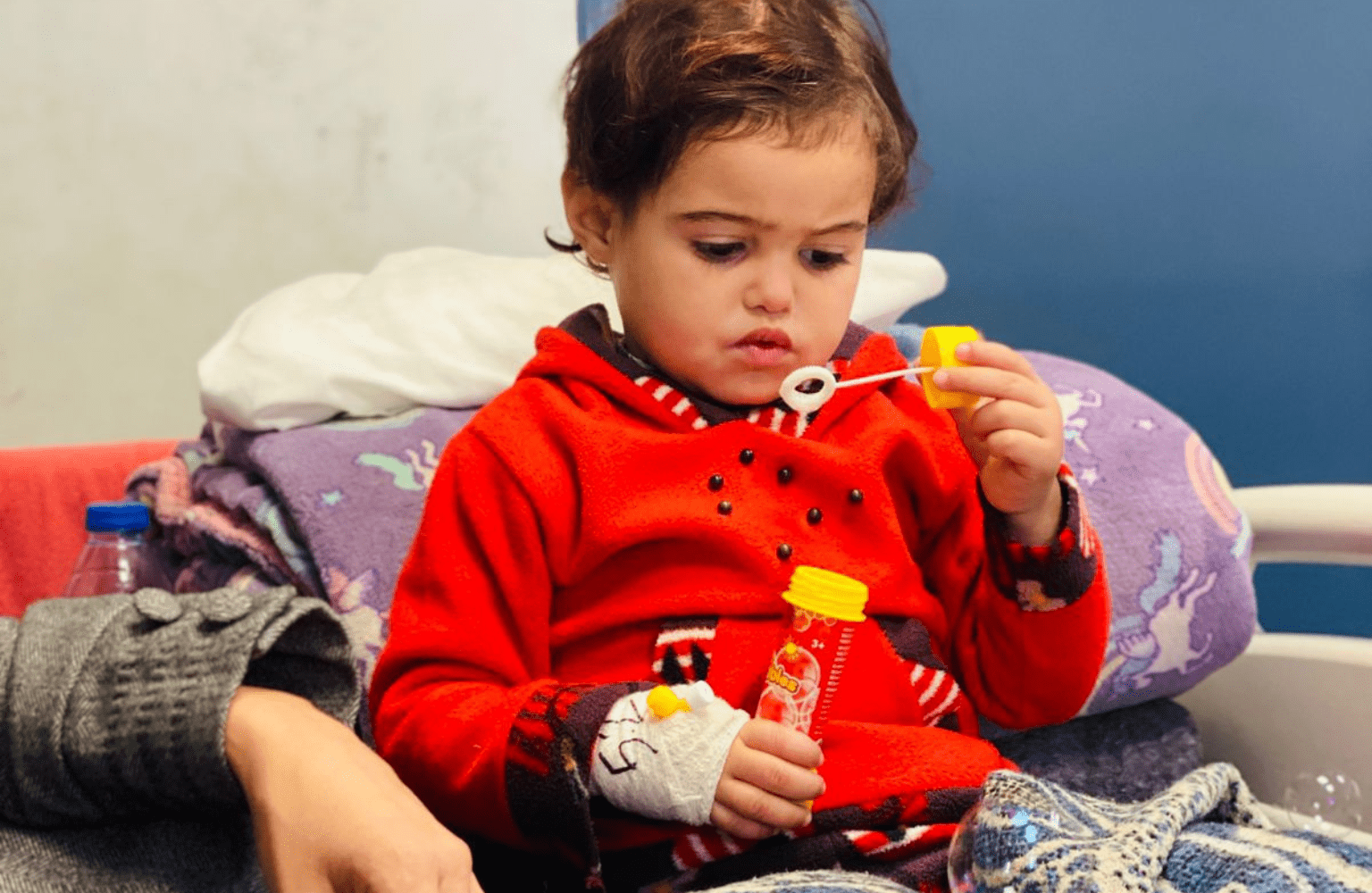
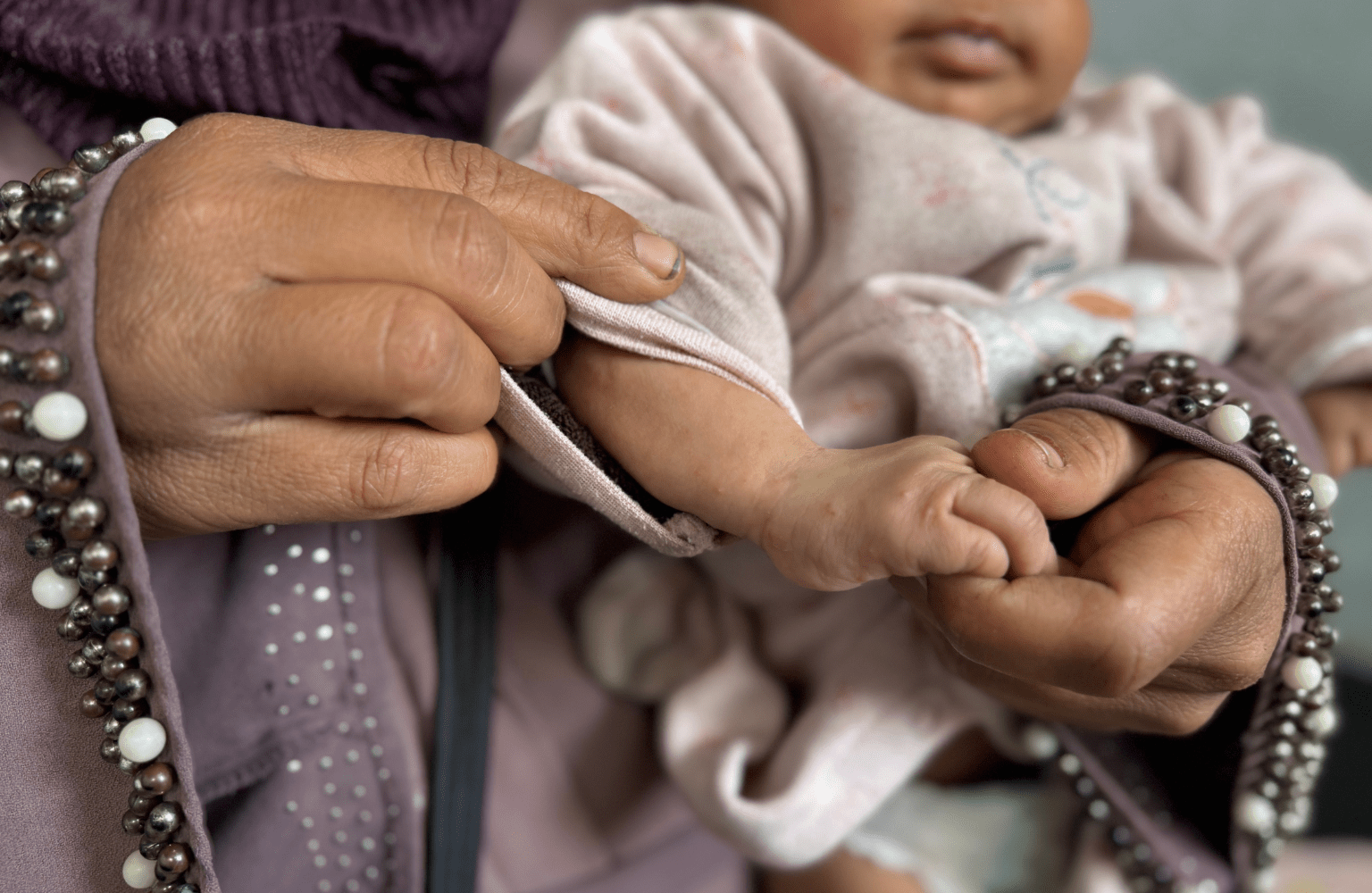
Syria: MSF expands support responding to unmet needs

Syria: MSF expands support responding to unmet needs

The fall of the former government of Syria on 8 December 2024 was a significant turning point in the country after nearly 14 years of war. Médecins Sans Frontières/Doctors Without Borders (MSF) has gained access to previously inaccessible areas under the control of the former government, where we were not authorised to work. The direct and indirect consequences of conflict are stark, with 16.5 million people in need of assistance[1] and widespread humanitarian needs.

People’s health needs in Syria have gone neglected for well over a decade even in areas indirectly affected by conflict.  During the war, health facilities were systematically damaged or destroyed, leaving Syrians today with little to no access to health care in some places, especially in rural areas.

Many of the health care facilities that are still standing are either partially functional or not functional at all due to huge challenges such as insufficient human resources. Functional health facilities are struggling as they try to respond to health needs exacerbated by conflict.

[1] UNOCHA, 23 June 2025

People with non-communicable diseases, for example, have been living without the treatment they need. After years of economic collapse, nine out of 10 Syrians are living in poverty[1], making what medication is available in the country unaffordable for many.

While needs are massive everywhere, the global severe funding cuts for humanitarian programmes have impacted all aid sectors in Syria, including the health care system. Many organisations have had to abruptly withdraw their support, forcing some hospitals and health care centres to make the difficult decision to reduce activities or close down completely.

[1] UNDP

Bringing care closer to communities

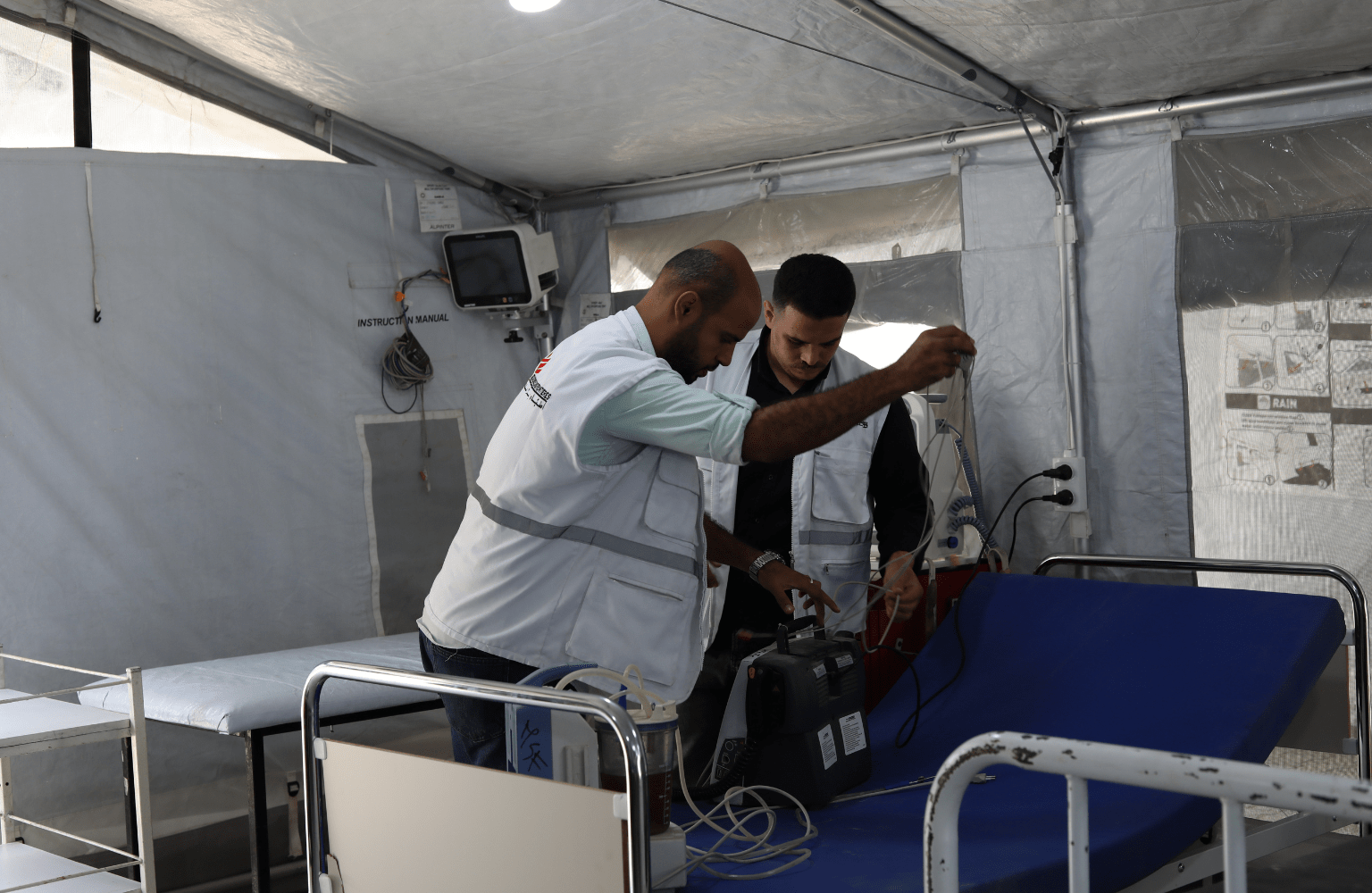
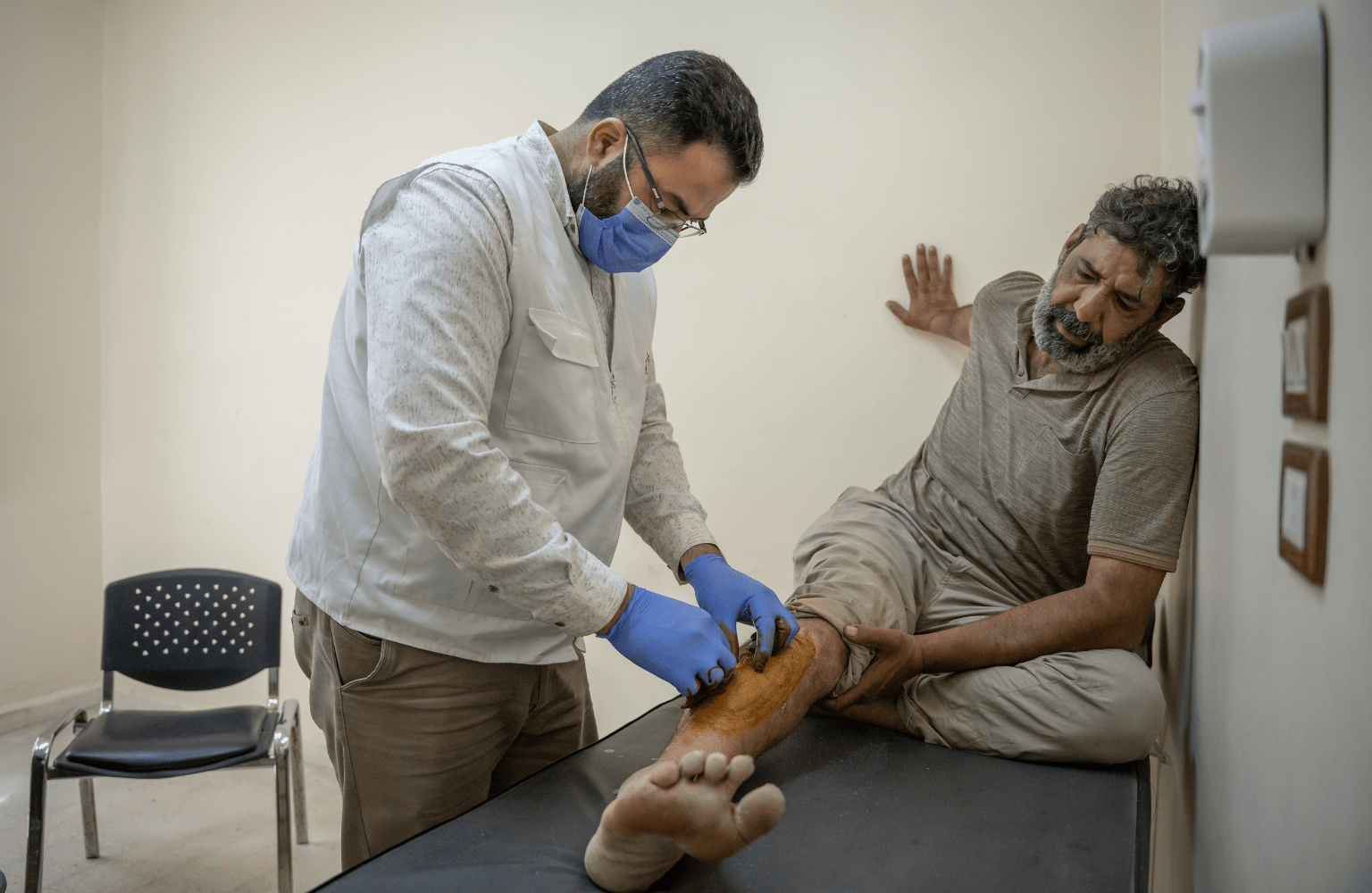
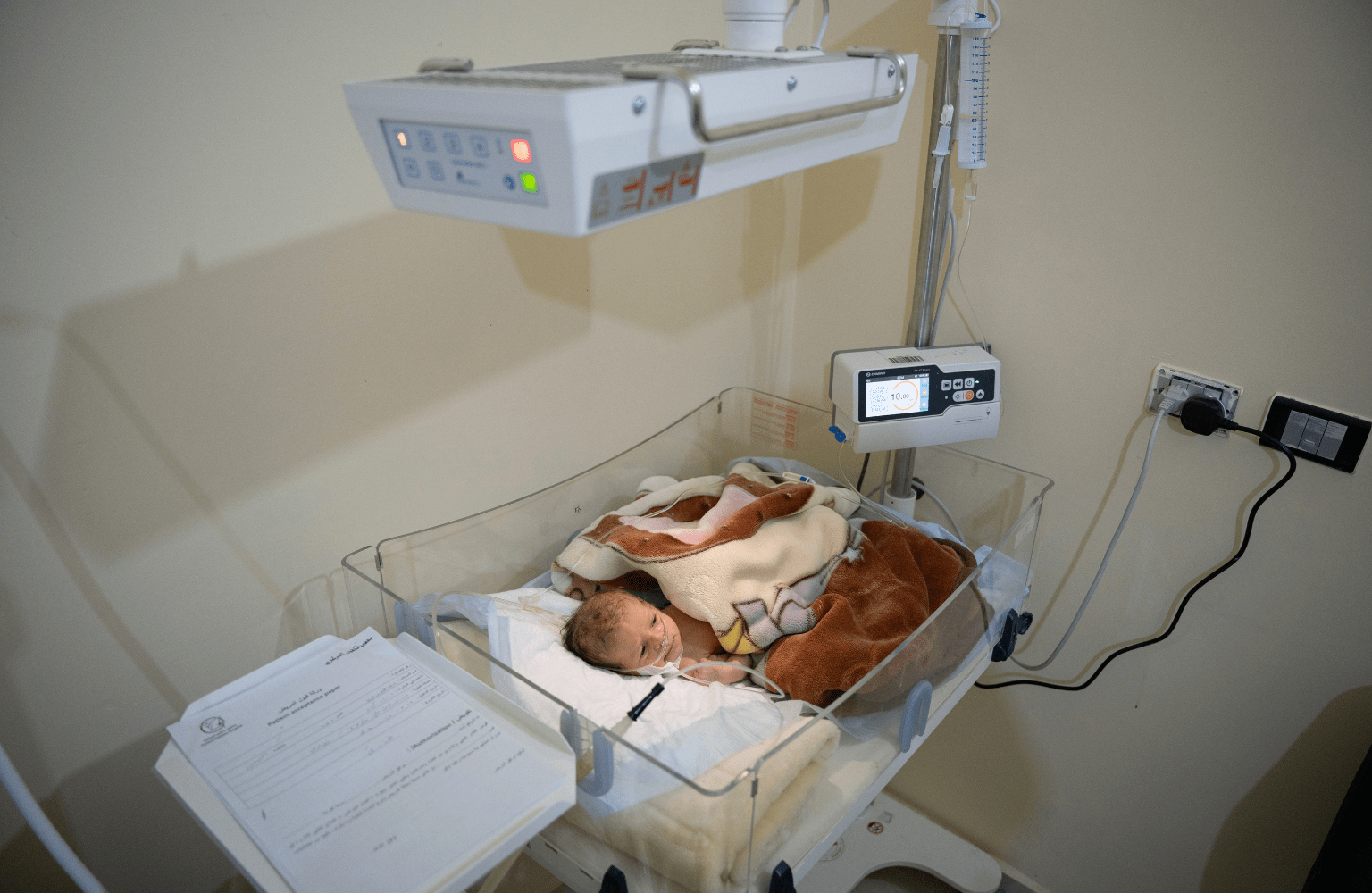
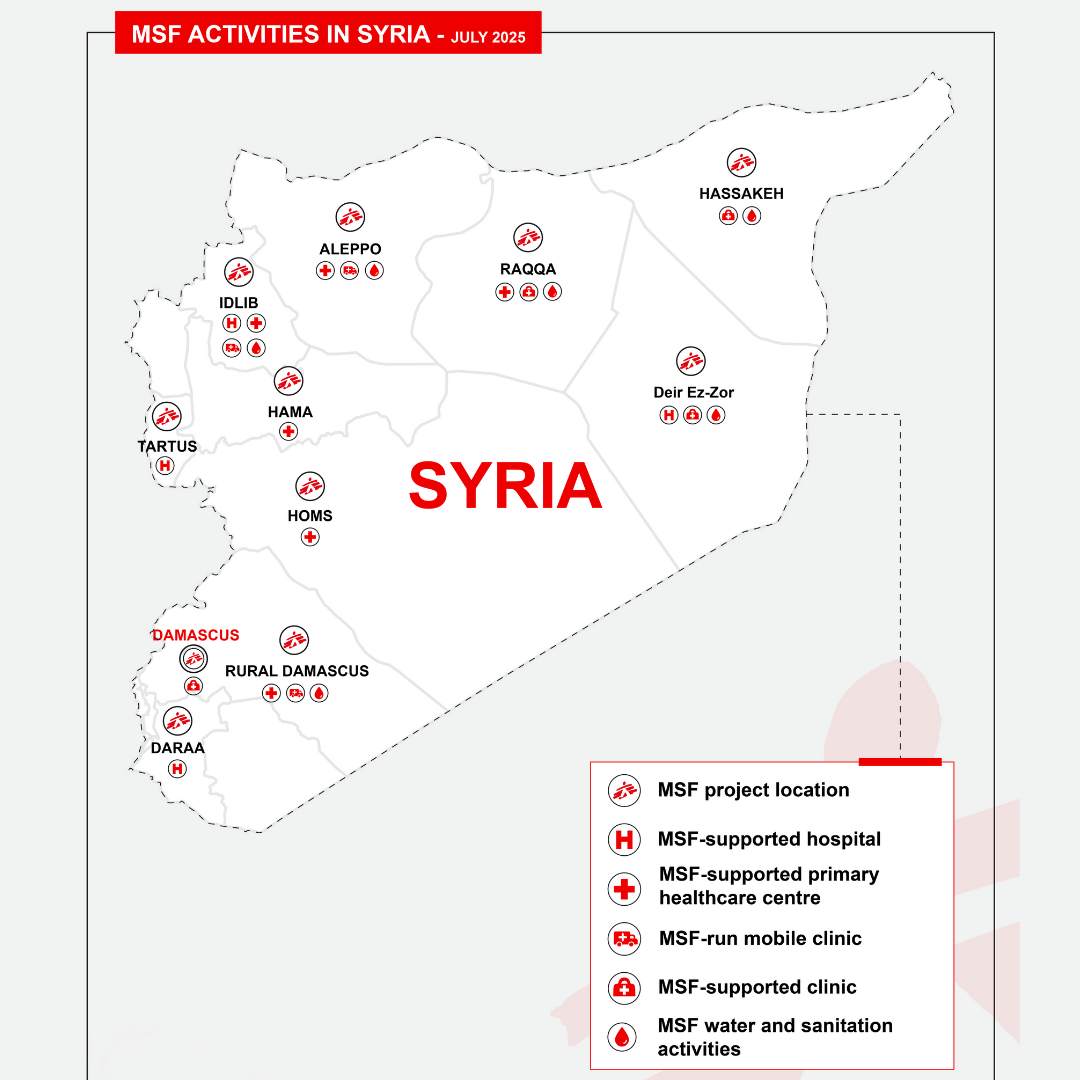
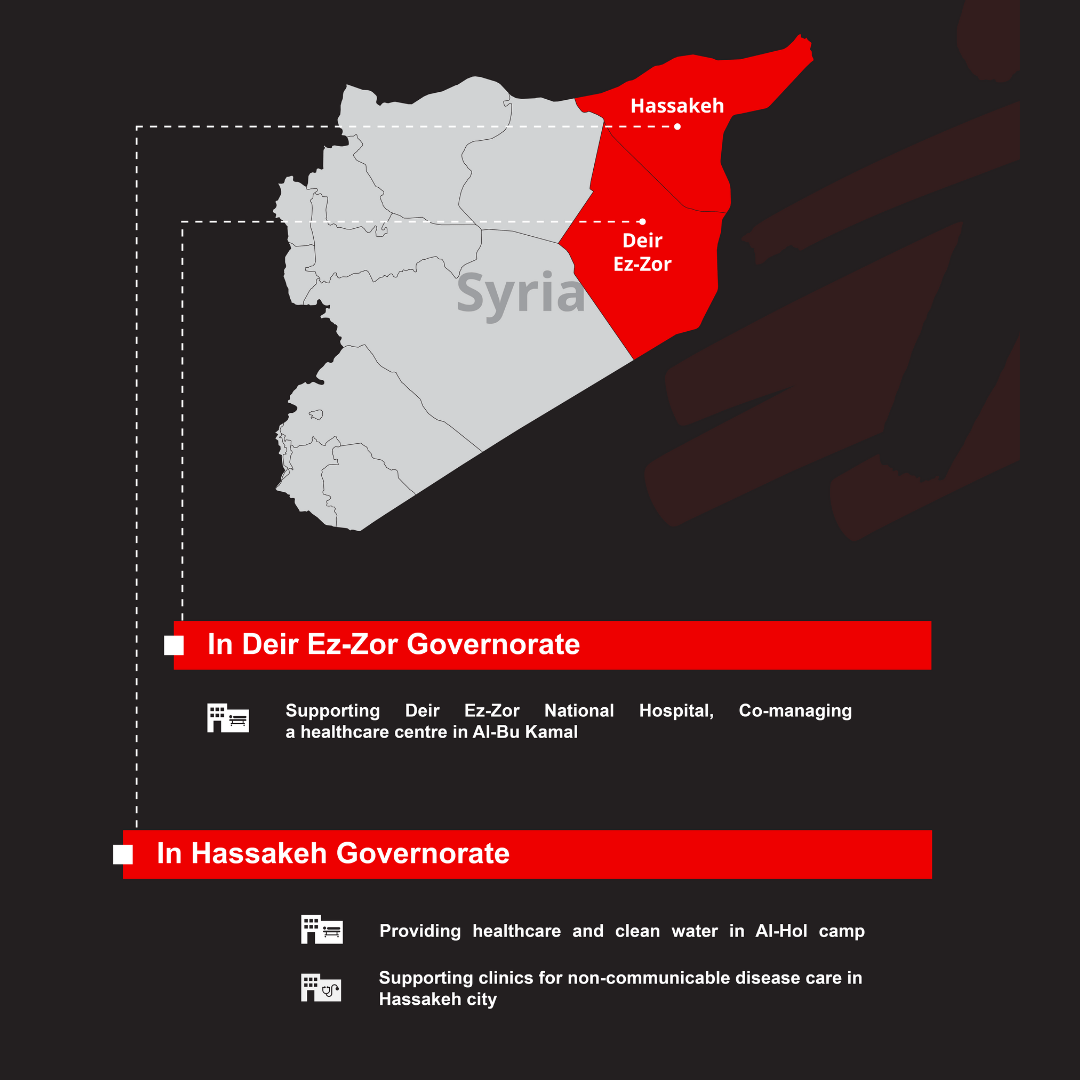
MSF is running a hospital for specialised burn treatment and co-managing a hospital with the Directorate of Health [Idlib], in addition to supporting four other hospitals with activities such as emergency care [Deir Ez-Zor], malnutrition treatment [Raqqa], and maternity care [Daraa] and providing mass casualty trainings and capacity building for staff members in other facilities across the country. We are also supporting the burn departments of five hospitals in Syria, assisting the Ministry of Health in developing a network of burn treatment units.

In light of the huge health care needs in Syria, MSF expanded its activities to 11 out of 14 governorates. The primary goal of our operations is to respond to the people’s medical and humanitarian needs, bringing care closer to communities who may not have access to it.
Brian Moller, MSF head of mission in Syria

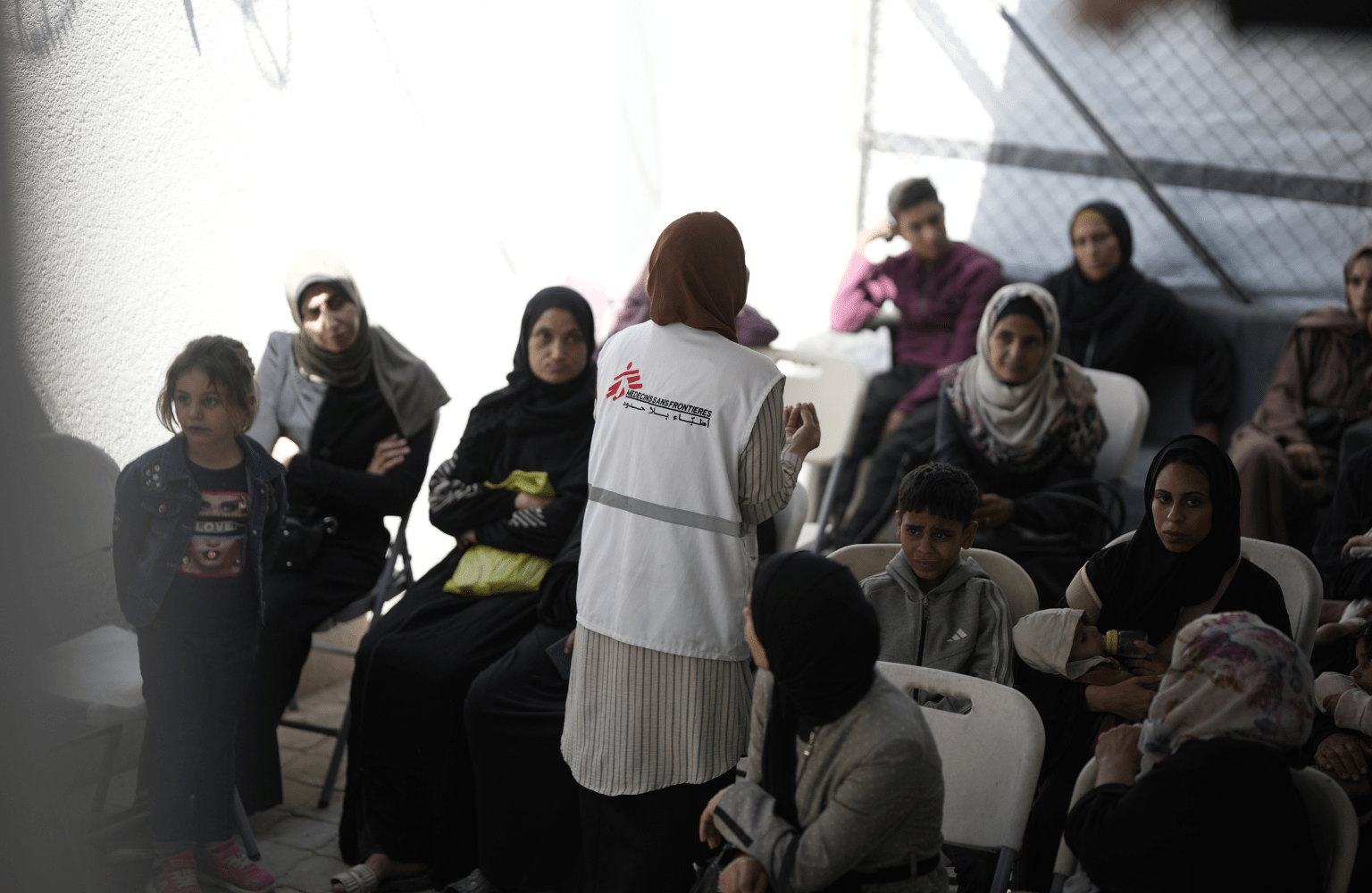
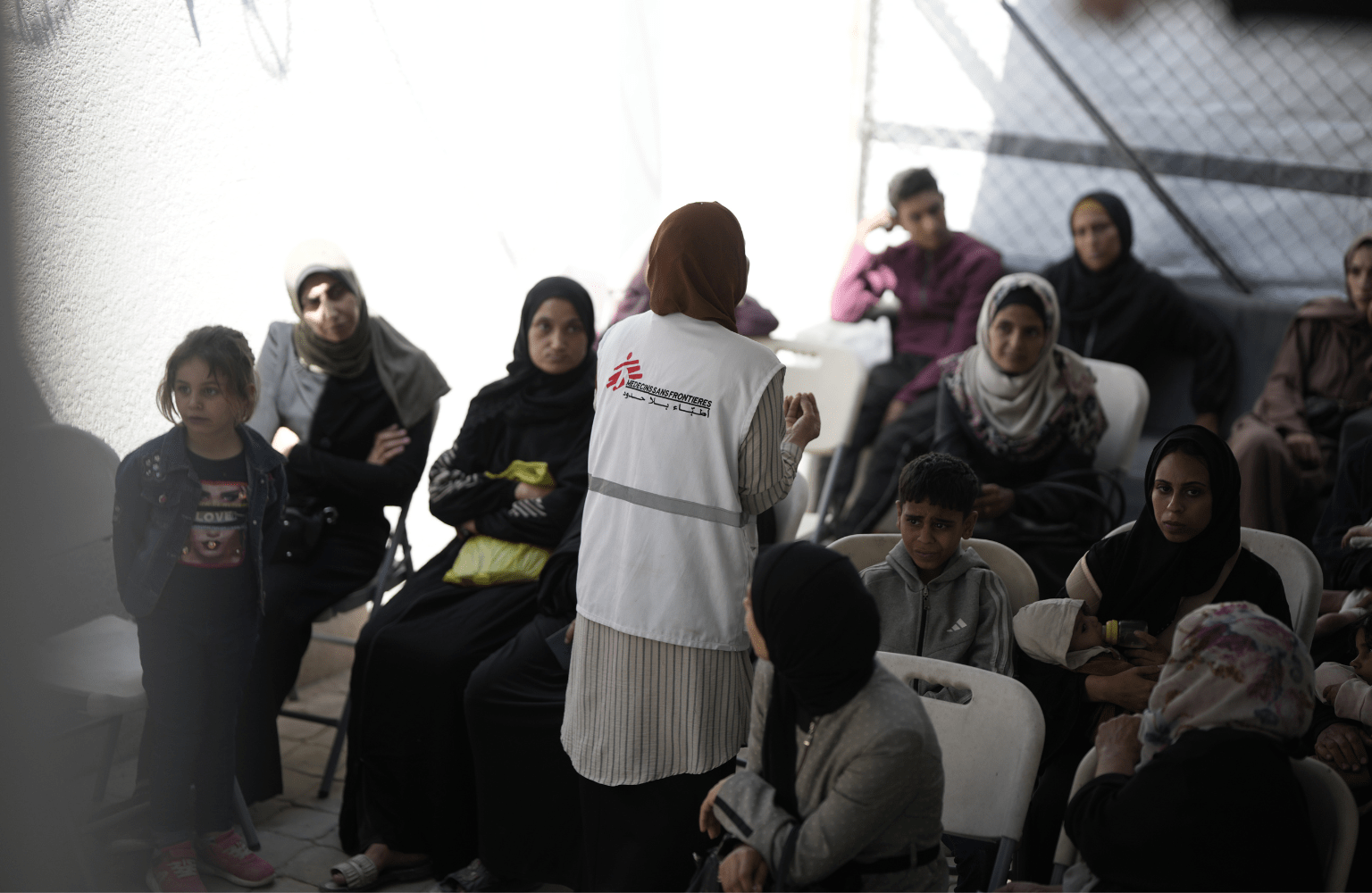
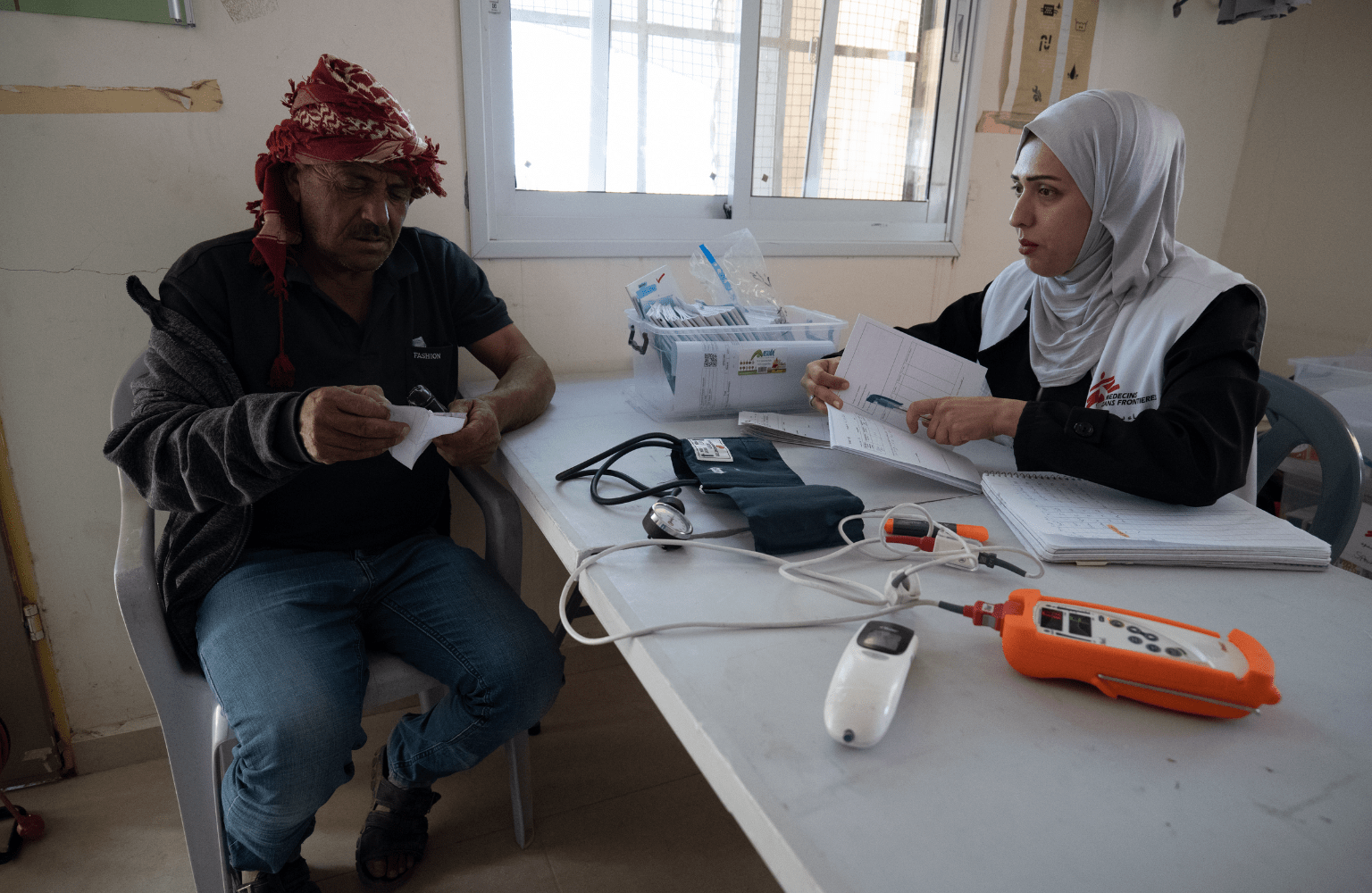
MSF is also working in 15 health facilities such as primary health care centres and clinics across the country. Among the activities run or supported by MSF are outpatient consultations, care for non-communicable diseases, sexual and reproductive health care services, and mental health support. In addition, we run mobile clinics to help ensure access to primary care in underserved communities [Aleppo, Idlib, and Rural Damascus].

Returning to rubble and remnants of war

As of July 2025, it is estimated that more than 1.5 million internally displaced Syrians have returned to their areas of origin since late November 2024[1], and more than 641,000 Syrian refugees have crossed back into Syria from neighbouring countries since early December 2024[2].

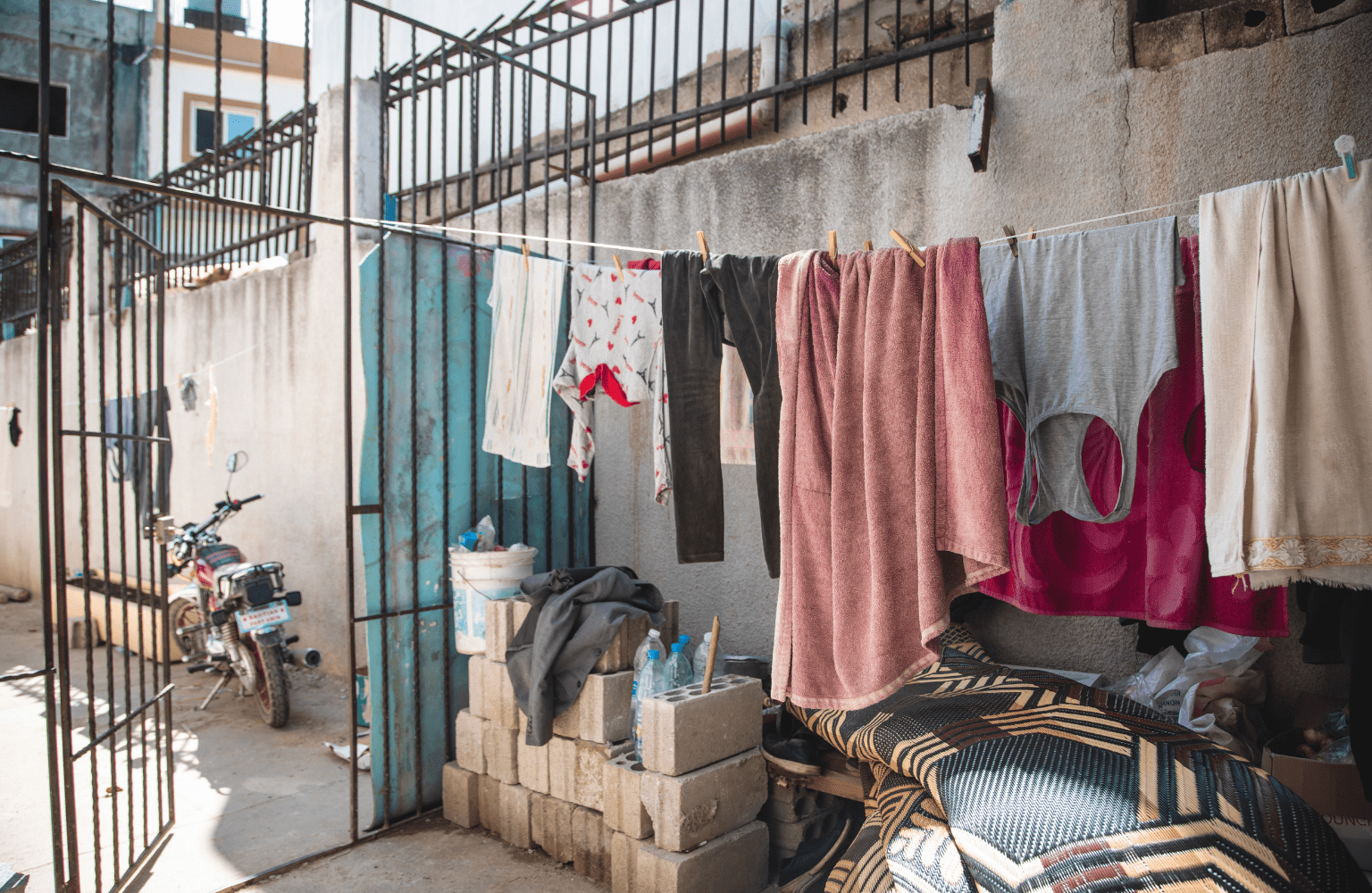
But they’re not necessarily returning home. People have come back to vast destruction that has severely affected civilian infrastructure such as houses, power grids, and water sources. With heavily damaged housing, people are living in shells of houses and completely unsafe buildings, putting them at risk of traumatic injury.

In addition, returnees face the life-threatening risk of unexploded ordnance and landmines, which are scattered throughout homes and farmlands, hampering their ability to rebuild their lives.

[1] UNHCR, 3 July 2025

[2] UNHCR, 3 July 2025

Lack of access to water and sanitation threatens health

Access to clean water in areas of return as well as displacement camps and settlements is a huge challenge, compounded by the lack of electricity, drought, and destroyed infrastructure. As a result, people rely on water distributed by trucks which carries a risk of contamination. Sewage and waste management systems are partially functioning at best, or completely destroyed in some areas.

MSF is worried about the health implications of the poor water and sanitation conditions we’re witnessing in areas of return and displacement camps. Dire living conditions continue to put people at risk of infectious diseases such as skin infections, and waterborne diseases such as acute and chronic watery diarrhea.
Caroline Chestnutt, MSF water and sanitation activity manager in Syria

MSF is engaged in water and sanitation activities in both areas of return and displacement camps across Syria, with teams rehabilitating boreholes and supplying residents with clean water.

“The work of our Syrian colleagues has been crucial in maintaining our activities throughout the conflict. MSF remains firmly committed to advocating for the most pressing needs and systematic gaps hindering access to essential medical care,” says Moller.

Facebook
Twitter
LinkedIn
WhatsApp
Print

Gaza: MSF finds 1 in 4 young children and pregnant women malnourished

Gaza: MSF finds 1 in 4 young children and pregnant women malnourished

Israeli authorities’ deliberate use of starvation as a weapon in Gaza has reached unprecedented levels, with patients and healthcare workers themselves now fighting to survive, Médecins Sans Frontières (MSF) warns.

MSF staff are receiving an increasing number of malnourished patients at our clinics, while they themselves struggle to find sufficient food. Across screenings of children aged six months to five years old and pregnant and breastfeeding women, at MSF facilities last week, 25 per cent were malnourished. At the MSF clinic in Gaza City, the number of people enrolled for malnutrition has quadrupled since 18 May, while rates of severe malnutrition in children under five have tripled in the last two weeks alone.

This is not just hunger – it’s deliberate starvation, manufactured by the Israeli authorities. The weaponisation of food to exert pressure on a civilian population must not be normalised. Israeli authorities must allow food and aid supplies into Gaza at scale.

We see the dire consequences of these shortages in Gaza on a daily basis in our clinic, We are now enrolling 25 new patients every single day for malnutrition. We see the exhaustion and the hunger in our own colleagues.
Caroline Willemen, project coordinator at the MSF clinic in Gaza City

 Meanwhile, hundreds of people seeking desperately needed aid continue to be attacked by Israeli forces and private security contractors at food distribution sites run by the Israeli proxy, the Gaza Humanitarian Foundation (GHF).

“What we are seeing is unconscionable; an entire population being deliberately cut off from food and water, all while the Israeli forces commit daily massacres as people scramble for scraps of food at distribution sites. Any shred of humanity in Gaza has been wiped out in the ongoing genocide,” says Amande Bazerolle, MSF head of emergency response in Gaza.

In the last two months, more than 1,000 people have been killed and over 7,200 injured, according to the Ministry of Health, as they attempted to collect aid, including a large proportion at the distribution sites of the GHF, which is backed and funded by the US government. Despite these sites being set up to avoid aid diversion, they have done nothing to reduce the existence of looting.

These food distributions are not humanitarian aid, they are war crimes committed in broad daylight and presented to the world with compassionate language. Those who go to the Gaza Humanitarian Foundation's food distributions know that they have the same chance of receiving a sack of flour as they do of leaving with a bullet in their head.
Dr. Mohammed Abu Mughaisib, MSF deputy medical coordinator in Gaza

In addition to people wounded at GHF sites, our teams have treated dozens of patients from recurrent massacres by Israeli forces as people wait for flour from trucks that pass by.

“In the emergency room of Sheikh Radwan clinic a few days ago, dozens of patients came in, both dead and wounded,” says Willeman. “These were people who had approached trucks for flour and were ruthlessly shot by Israeli forces.

That day MSF and Ministry of Health medical teams at the clinic, in north Gaza, treated 122 people with gunshot wounds who had been fired on while waiting for flour and additional 46 people were dead on arrival.

To make matters worse, in the last week, community kitchens who provide food to patients and medical staff in hospitals have struggled to do so, some shutting down for days at a time. Even if they can deliver, it is only one meal a day of plain rice for patients who need nutrient-rich food to heal properly, and often nothing for staff. This is no longer about what people can afford. There is barely any food available in most of the strip.


Facebook
Twitter
LinkedIn
WhatsApp
Print

Gaza: Premature babies fight for their lives

Gaza: Premature babies fight for their lives

As prematurely born babies fight for their lives, medical teams in Gaza lack essential equipment such as ultrasounds, incubators, medical supplies, and even premature infant formula, to keep them alive. From the MSF-supported Al-Helou hospital in northern Gaza, Dr. Joanne Perry shares her experience treating premature babies in the facility’s neonatal intensive care unit (NICU).

“It started with two babies sharing one incubator – this is already completely unacceptable and shocking to see. Then it increased to three and last week we saw five babies in one incubator. With all the attacks on healthcare facilities, today there are just 36 incubators in northern Gaza compared to 126 before October 2023.

Having several babies sharing one incubator highly increases the chances of infection. The immune systems of newborns, especially premature ones, are not yet developed. To support the neurodevelopment of premature babies we use rolled blankets or other soft materials to create a boundary around the infant, mimicking the supportive environment of the womb. This is called the nesting technique. This position helps stabilise the baby’s posture, reduces excessive limb movements, and promotes physiological and behavioural stability.

One reason we are seeing so many premature babies is because of the deterioration in mothers’ health. This is my third time in Gaza over the past year, what’s different now is that pregnant mothers are severely underweight, severely anaemic. This can contribute to complications during pregnancy – including premature labour. Additionally, pregnant women are living in horrible conditions: in overcrowded shelters or tents with almost no access to clean water for washing. Many have no access to prenatal care due to limited functioning facilities and repeated displacement. This means risky pregnancies often go undetected until complications arise – sometimes too late.

We see premature births and babies born with health issues that might have been preventable with even the most basic monitoring, such a diagnosing pneumonia or cardiac abnormalities, which can be then successfully medicated. But we don’t have the equipment in the NICU – no ultrasounds, no x-rays, and often not even the blood tests we need.

The medical team in Al-Helou faces endless challenges every day. Fuel comes on top of the list, as all of Gaza’s hospitals run on diesel generators. Fuel shortages lead to power cuts, which kills oxygen-dependent newborns in the NICU. Sadly, on Monday night (14 July 2025) a baby who could have survived was lost because the power went out and therefore the oxygen supply was cut off. 

The lack of supplies is another major issue. They are so limited that we have to extend time between diaper changes, which can lead to rashes. We are always about to reach the end of baby formula supply. We promote breastfeeding, and we’re proud to be a breastfeeding-friendly hospital, but in this situation, many mothers can’t stay to feed their babies every few hours – they often have to take care of the rest of their families, or don’t have enough money for transportation and need to walk back and forth for hours.

It’s heartbreaking. Having a baby should be a moment of joy and hope – but now, for so many families in Gaza, it’s clouded by stress and fear. Despite all the obstacles, the team is working together with dwindling resources to provide the best care possible to these newborn babies.

Facebook
Twitter
LinkedIn
WhatsApp
Print

Gaza: With mass starvation spreading, our colleagues and those we serve are wasting away

Gaza: With mass starvation spreading, our colleagues and those we serve are wasting away

Médecins Sans Frontières (MSF) joined a statement with more than 100 other organisations to sound the alarm that lifesaving aid must enter Gaza, Palestine.

As the Israeli government’s siege starves the people of Gaza, Palestine, aid workers are now joining the same food lines, risking being shot just to feed their families. With supplies now totally depleted, humanitarian organisations are witnessing their own colleagues and partners waste away before their eyes.

Exactly two months since the Israeli government-controlled scheme, the Gaza Humanitarian Foundation, began operating, more than 100 organisations are sounding the alarm, urging governments to act: open all land crossings; restore the full flow of food, clean water, medical supplies, shelter items, and fuel through a principled, UN-led mechanism; end the siege, and agree to a ceasefire now. 

“Each morning, the same question echoes across Gaza: will I eat today?” said one agency representative.

Massacres at food distribution sites in Gaza are occurring near-daily. As of 13 July, the UN confirmed 875 Palestinians were killed while seeking food, 201 on aid routes and the rest at distribution points.1 Thousands more have been injured. Meanwhile, Israeli forces have forcibly displaced nearly two million exhausted Palestinians with the most recent mass displacement order issued on 20 July, confining Palestinians to less than 12 per cent of Gaza.2 The World Food Programme warns that current conditions make operations untenable.3 The starvation of civilians as a method of warfare is a war crime.

Just outside Gaza, in warehouses – and even within Gaza itself – tonnes of food, clean water, medical supplies, shelter items and fuel sit untouched with humanitarian organisations blocked from accessing or delivering them. The Government of Israel’s restrictions, delays, and fragmentation under its total siege have created chaos, starvation, and death. An aid worker providing psychosocial support spoke of the devastating impact on children: “Children tell their parents they want to go to heaven, because at least heaven has food.” 

Doctors report record rates of acute malnutrition, especially among children and older people.4 Illnesses like acute watery diarrhoea are spreading, markets are empty, waste is piling up, and adults are collapsing on the streets from hunger and dehydration. Distributions in Gaza average just 28 trucks a day, far from enough for over two million people, many of whom have gone weeks without assistance.

The UN-led humanitarian system has not failed, it has been prevented from functioning.

Humanitarian agencies have the capacity and supplies to respond at scale. But, with access denied, we are blocked from reaching those in need, including our own exhausted and starved teams. On 10 July, the European Union and Israel announced steps to scale up aid.5 But these promises of ‘progress’ ring hollow when there is no real change on the ground. Every day without a sustained flow means more people dying of preventable illnesses. Children starve while waiting for promises that never arrive.

Palestinians are trapped in a cycle of hope and heartbreak, waiting for assistance and ceasefires, only to wake up to worsening conditions. It is not just physical torment, but psychological. Survival is dangled like a mirage. The humanitarian system cannot run on false promises. Humanitarians cannot operate on shifting timelines or wait for political commitments that fail to deliver access.

Governments must stop waiting for permission to act. We cannot continue to hope that current arrangements will work. It is time to take decisive action: demand an immediate and permanent ceasefire; lift all bureaucratic and administrative restrictions; open all land crossings; ensure access to everyone in all of Gaza; reject military-controlled distribution models; restore a principled, UN-led humanitarian response, and continue to fund principled and impartial humanitarian organisations. States must pursue concrete measures to end the siege, such as halting the transfer of weapons and ammunition.

Piecemeal arrangements and symbolic gestures, like airdrops or flawed aid deals, serve as a smokescreen for inaction. They cannot replace states’ legal and moral obligations to protect Palestinian civilians and ensure meaningful access at scale. States can and must save lives before there are none left to save.

Signatories: 

1. American Friends Service Committee (AFSC) 
2. A.M. Qattan Foundation 
3. A New Policy 
4. ACT Alliance 
5. Action Against Hunger (ACF) 
6. Action for Humanity 
7. ActionAid International 
8. American Baptist Churches Palestine Justice Network 
9. Amnesty International 
10. Asamblea de Cooperación por la Paz 
11. Associazione Cooperazione e Solidarietà (ACS) 
12. Bystanders No More 
13. Campain 
14. CARE 
15. Caritas Germany 
16. Caritas Internationalis 
17. Caritas Jerusalem 
18. Catholic Agency for Overseas Development (CAFOD) 
19. Center for Mind-Body Medicine (CMBM) 
20. CESVI Fondazione 
21. Children Not Numbers 
22. Christian Aid 
23. Churches for Middle East Peace (CMEP) 
24. CIDSE- International Family of Catholic Social Justice Organisations 
25. Cooperazione Internazionale Sud Sud (CISS) 
26. Council for Arab‑British Understanding (CAABU) 
27. DanChurchAid (DCA) 
28. Danish Refugee Council (DRC) 
29. Development and Peace – Caritas Canada 
30. Doctors against Genocide 
31. Episcopal Peace Fellowship 
32. EuroMed Rights 
33. Friends Committee on National Legislation (FCNL) 
34. Forum Ziviler Friedensdienst e.V. 
35. Gender Action for Peace and Security 
36. Glia 
37. Global Legal Action Network (GLAN) 
38. Global Witness 
39. Health Workers 4 Palestine 
40. HelpAge International 
41. Human Concern International 
42. Humanity & Inclusion (HI) 
43. Humanity First UK 
44. Indiana Center for Middle East Peace 
45. Insecurity Insight 
46. International Media Support 
47. International NGO Safety Organisation 
48. Islamic Relief 
49. Jahalin Solidarity 
50. Japan International Volunteer Center (JVC) 
51. Justice for All 
52. Kenya Association of Muslim Medical Professionals (KAMMP) 
53. Kvinna till Kvinna Foundation 
54. MedGlobal 
55. Medico International 
56. Medico International Switzerland (medico international schweiz) 
57. Medical Aid for Palestinians (MAP) 
58. Mennonite Central Committee (MCC) 
59. Medicine for the People – Belgium (MPLP/GVHV) 
60. Médecins Sans Frontières (MSF) 
61. Médecins du Monde France 
62. Médecins du Monde Spain 
63. Médecins du Monde Switzerland 
64. Mercy Corps 65. Middle East Children’s Alliance (MECA) 
66. Movement for Peace (MPDL) 
67. Muslim Aid 
68. National Justice and Peace Network in England and Wales 
69. Nonviolence International 
70. Norwegian Aid Committee (NORWAC) 
71. Norwegian Church Aid (NCA) 
72. Norwegian People’s Aid (NPA) 
73. Norwegian Refugee Council (NRC) 
74. Oxfam International 
75. Pax Christi England and Wales 
76. Pax Christi International 
77. Pax Christi Merseyside 
78. Pax Christi USA 
79. Pal Law Commission 
80. Palestinian American Medical Association 
81. Palestinian Children’s Relief Fund (PCRF) 
82. Palestinian Medical Relief Society (PMRS) 
83. Peace Direct 
84. Peace Winds 
85. Pediatricians for Palestine 
86. People in Need 
87. Plan International 
88. Première Urgence Internationale (PUI) 
89. Progettomondo 
90. Project HOPE 
91. Quaker Palestine Israel Network 
92. Rebuilding Alliance 
93. Refugees International 
94. Saferworld 95. Sabeel‑Kairos UK 
96. Save the Children (SCI) 
97. Scottish Catholic International Aid Fund 
98. Solidarités International 
99. Støtteforeningen Det Danske Hus i Palæstina 
100. Swiss Church Aid (HEKS/EPER) 
101. Terre des Hommes Italia 
102. Terre des Hommes Lausanne 
103. Terre des Hommes Nederland 
104. The Borgen Project 
105. The Center for Mind-Body Medicine (CMBM) 
106. The Global Centre for the Responsibility to Protect (GCR2P) 
107. The International Development and Relief Foundation 
108. The Institute for the Understanding of Anti‑Palestinian Racism 
109. Un Ponte Per (UPP) 
110. United Against Inhumanity (UAI) 
111. War Child Alliance 
112. War Child UK 
113. War on Want 
114. Weltfriedensdienst e.V. 
115. Welthungerhilfe (WHH)

Facebook
Twitter
LinkedIn
WhatsApp
Print

Hebron: Never-ending Israeli violence leaves deep psychological scars on Palestinians

Hebron: Never-ending Israeli violence leaves deep psychological scars on Palestinians

The constant fear of aggression and violence, committed by Israeli settlers and armed forces, takes a massive toll on the mental health of Palestinians in the West Bank, especially those living in Hebron’s southern countryside like Masafer Yatta. There, the daily threats of forcible transfer, injury, and as we have seen in recent weeks, possible death is ever present. Médecins Sans Frontières (MSF) operates mobile clinics in the area but various security concerns, including the escalating settlers’ violence, have severely disrupted activities.

We are currently seeing multiple home demolitions by Israeli forces who have come to villages in Masafer Yatta numerous times. Some villages have had up to 85 per cent of their homes demolished. The practices and policies of the Israeli government to reportedly annex the West Bank are impacting the physical and mental health of our patients. Attacks from settlers, who are often accompanied by the Israeli army are happening on an almost daily basis now, and these attacks are becoming more violent, resulting in more injuries and hospitalisation.
Frederieke Van Dongen, humanitarian affairs manager in Hebron

Intensified attacks leave physical and mental health wounds

In recent months, the Palestinian residents of Masafer Yatta have faced intensified attacks from Israeli settlers. Residents describe near-daily incidents: beatings, livestock set loose to trample through farmland, roads blocked, homes demolished, and constant psychological pressure.

In May, settlers stormed the community of Jinba in Masafer Yatta. They left behind broken bodies, destroyed crops, and a growing fear that peace is no longer possible.

“They struck an old man on the head—he needed more than 15 stitches,” says Ali Al Jabreen, a community member from Jinba. “One of the injured people is still here, his hand is broken. And one man suffered severe psychological problems after two weeks in intensive care. The violence just keeps going.”

“They came in three cars—about 17 settlers,” says eighteen-year-old Qusay Al-Amour who was limping for weeks after an attack. “They beat me, my father, and my brother Ahmad. Later that night, they returned. They destroyed our shelter, the clinic, and the mosque. My father was in critical condition—his heart rate dropped to 35. My brother was unconscious for days. We were surrounded for more than an hour before an ambulance was allowed through.”

“Psychologically, it’s hard,” Al-Amour adds. “The settlers come almost every day, even at night. But are we leaving? No. We’re staying. My hope is that one day they will leave—and we can live in peace.”

Children are also exposed to violence, intimidation, and militarisation at an early age leading to signs of trauma including nightmares, panic attacks, and an inability to concentrate in school.

Everyone is affected. The constant threat of violence means people are running through all the scenarios in their heads. What is going to happen when settlers come to their home? If they have a pregnant wife or daughters, will they be able to protect them or will they not be able to do anything? What is going to happen if they were displaced? If their mother has a physical disability, will she even be able to move to a new location?
Frederieke Van Dongen, humanitarian affairs manager in Hebron

How MSF is responding in Hebron

For the last 12 months, most new patients coming to MSF clinics in Hebron for mental health support were admitted as a result of violent incidents. In June 2025 alone, this was the reason for 94% of the admissions. In Hebron, MSF provides medical and psychological care and is responding to the new emerging needs of people in the Bedouin communities of Masafer Yatta. Mobile clinic teams provide basic health care and mental health support to people who are affected by settler attacks, including children, women and elderly people. MSF teams also support Palestinians who have been forcibly displaced due to the settler violence and home demolitions.

Access to affected communities, however, remains significantly limited because of the increased security concerns. In addition to the fear of attacks by Israeli settlers, Israeli military checkpoints and the recent 12-day war between Israel and Iran have made the security situation even more precarious. Field teams report delayed interventions, blocked roads, and escalating needs all across all of the West Bank.

The recent increase in frequency and intensity of attacks by settlers and the Israeli military is part of a policy of forced displacement and annexation that must end. Israel, as an occupying power, is obligated to protect Palestinians. Instead, Israeli forces enable or even join settlers’ attacks against Palestinians. The international community have remained inactive for too long. Now is the time for action to apply real political and economic pressure on Israeli authorities to stop the practices that are deliberately pushing Palestinians out of their lands.
Frederieke Van Dongen, humanitarian affairs manager in Hebron
Facebook
Twitter
LinkedIn
WhatsApp
Print

Statement: The EU fails people in Gaza again

Statement: The EU fails people in Gaza again

EU Foreign Ministers have once again refused to take substantial action to end the deliberate and systemic destruction of Palestinian lives in Gaza, making them complicit in the genocide that the Israeli authorities are committing.  

While EU leaders issue misleading statements after their 15 July meeting on Gaza, and the EU High Representative Kaja Kallas claims that there are “positive signs” that aid will be delivered, Israel continues to bomb children seeking water, shoots people collecting food and continues to starve everyone else through its siege and collective punishment.

Israel could ensure Palestinian men, women and children have enough food, water and medicine tomorrow if it wished to, but instead it continues its stranglehold on the Strip.  Meanwhile, as EU leaders fail to address the siege imposed by Israel, they also lack the courage and humanity to pressure the Israeli authorities to stop the daily killing of innocent people.

On 16 June, MSF sent an open letter with a very clear message to EU leaders: The EU has the political, economic and diplomatic means of exerting real pressure on Israel to stop mass atrocities and to immediately open Gaza’s border crossings for aid. The people of Gaza cannot wait any longer; EU member states must urgently turn words into action to stop the deliberate erasure of Palestinians in Gaza.

MSF colleagues have worked tirelessly and under critical conditions for almost two years now; 12 of them have been killed by Israeli forces.

Our teams regularly receive patients with gunshot wounds, many who have been attacked at food distribution sites run by the Gaza Humanitarian Foundation. Almost 800 people have been killed while trying to get food to survive at these distribution sites.

How many more lives have to be lost before the EU takes action? Which additional breaches of International Humanitarian Law need to happen before Israel’s atrocities against the people of Gaza are brought to an end?

Facebook
Twitter
LinkedIn
WhatsApp
Print

Gaza: Survey shows that almost half of people killed are children

Gaza: Survey shows that almost half of people killed are children

A recent retrospective mortality survey of Médecins Sans Frontières (MSF) staff and their families reveals the appalling death rate of Israel’s all-out war on Gaza, especially among children, which is consistent with conflict-related figures provided by the Gazan Ministry of Health. Compared to pre-7 October Ministry of Health estimates, the mortality rate was five times higher among the population surveyed. For children under five, mortality increased tenfold. For babies less than one month, the mortality rate was six times higher.

The survey, run by MSF’s epidemiological Epicentre, covered 2,523 people (MSF workers and their family members) over the period between October 2023 and March 2025, and showed that more than two per cent of the people surveyed died since 7 October 2023, and seven per cent were injured. Furthermore, three-quarters of the deaths were due to war injuries, the vast majority of those from blasts.

Forty-eight per cent of the people who died from blast injuries among our colleagues’ households were children and 40 per cent were under 10 years old.  

This disregard for children’s lives clearly indicates that this war run by Israel in Gaza is against all Palestinians. The children of Gaza are being decimated. Israel’s allies must put all their efforts to end the genocide taking place before our very eyes.
Amande Bazerolle, deputy manager of MSF’s emergency department

The MSF survey has found a mortality rate in Gaza of 0.41 deaths per 10,000 people per day. It rises to 0.70 deaths for children under five years old. Twenty per cent of MSF households had at least one member injured by a blast or gunshot.

The results of the survey, conducted among MSF staff and their families only, cannot be extrapolated or assumed as representative of the whole population of Gaza. In fact, medical staff and their families, including MSF, could be considered as having better access to healthcare than the rest of Gaza’s population.

Despite this, the number of deaths not directly attributable to war wounds is increasing over the war, according to study observations. Findings showed that two-thirds of those with a chronic disease experienced one or more treatment interruption.

This is the result of the Israeli campaign to systematically destroy the health system and the means of survival of the whole population.

In addition, Israel has reduced medical evacuations to a minimum. According to WHO, more than 10,000 people are in urgent need of medical and surgical treatment that cannot be provided inside Gaza.

Since 7 October 2023 and as of 25 June 2025, the Ministry of Health in Gaza reported the killing of at least 56,156 Palestinians and the injury of 132,239 others.

The quantitative data from MSF study helps illustrate part of the reality in Gaza and supports other available data, a point emphasized by the study coordinator Dr Wendelin Moser, from MSF Epicentre. 

When we compared the names of deceased individuals due to violence from our survey with the list of war-related deaths from the Ministry of Health in Gaza, we matched nearly 90 per cent. This indicates the validity of the Ministry of Health statistics on the number of deaths in Gaza since 7 October.
Dr Wendelin Moser, study coordinator from MSF Epicentre

The survey also provides unequivocal data on the level of destruction of MSF family members’ households. Only two per cent had a house that remained untouched. At the time of the survey, 59 per cent had a completely damaged house, 39 per cent had a partially damaged house, and 41 per cent of them live in tents.  

MSF calls on the Israeli authorities to stop the genocidal campaign against the Palestinians in Gaza; to lift the siege on food, fuel, medical, and humanitarian supplies immediately; and calls for Israel’s allies to help facilitate the urgent medical evacuations of people whose lives are in danger, and in particular of children.

Facebook
Twitter
LinkedIn
WhatsApp
Print

Yemen Can’t Wait: Five Urgent Realities Facing Yemen Today

Yemen Can’t Wait: Five Urgent Realities Facing Yemen Today

For over a decade, people in Yemen have endured a devastating conflict that continues to take a heavy toll on its most vulnerable populations. The prolonged crisis has crippled access to healthcare, clean water, and basic necessities, leaving millions without the support they need to survive.


With a fragile economy, overwhelmed public services, and widespread displacement, Yemen remains one of the world’s most urgent humanitarian emergencies demanding immediate and sustained action from the international community and donor nations.


Médecins Sans Frontières (MSF) continues to operate in 10 governorates across Yemen, delivering life-saving care. Here are five key facts that paint a picture of both the crisis and MSF’s response.

A Healthcare System in Collapse


As of April 2024, nearly 46% of Yemen’s health facilities were partially functioning or out of service. The health system relies on shrinking international aid, increasing pressure on MSF. Due to a lack of routine vaccination, coupled with people’s poor living conditions and a decimated healthcare system, outbreaks of preventable diseases such as diphtheria, meningitis, polio, and measles are resurfacing in Yemen, as we continue to see an increasing number of patients in MSF’s facilities.

In 2024 alone, MSF teams received 285,788 emergency room patients, performed 18,961 surgical interventions, and treated 66,845 suspected cholera cases. While MSF continues to support Yemen’s national health system, the scale of need far exceeds available resources.

Worrying Surge in Malnutrition

Malnutrition is hitting mothers and children hardest: two-thirds of pregnant and breastfeeding women admitted to MSF hospitals were found to be malnourished.

In 2024, 15,778 people were treated for malnutrition in MSF-supported facilities. In peak months, some hospitals reported bed occupancy rates over 250% the highest in six years.

Aid Cuts Are Hitting Hard

In April 2025, the U.S. terminated all aid to Yemen. The impact is already being felt. Over 520 health facilities and 20 supporting organizations are affected. The impact on primary healthcare services continues to cause preventable deaths and worsening health conditions, particularly among children and mothers, who are unable to access timely or adequate medical care. The U.S. aid termination will end lifesaving food assistance to 2.4 million people and halt nutritional care for 100,000 children, according to WFP.

Sanctions Threaten to Worsen the Crisis

The U.S. designation of Ansar Allah as a Foreign Terrorist Organization in March 2025 and the sanctions that are expected to follow, will potentially have  dire consequences on the most vulnerable people in the country, further limiting their access to food, fuel, and medicine. MSF warns that the sanctions will only exacerbate an untenable situation and increase the suffering of people in Yemen, who are already struggling with extreme poverty, massive food insecurity, and limited access to basic services. 

Civilian Infrastructure Under Attack

Between  March 15 and May 1st , the United States (US) Army with assistance of the United Kingdom (UK) army   has conducted around 100 airstrikes in Yemen, targeting AA military sites and civilian infrastructure in the north.  

On 5–6 May, Israeli airstrikes hit key civilian infrastructure in Yemen, damaging Hodeidah port, Sana’a airport, power stations, and a cement factory. Hodeidah port, which handles 80% of Yemen’s food imports, and the airport were both severely damaged. The targeting of these vital infrastructure risks affecting the supply of food and essential goods to the Yemeni people.

MSF Filling the Gaps, But Under Strain 

With other actors forced to scale back, MSF has seen rising patient numbers and mounting pressure on its teams. While MSF has increased its treatment capacity, the growing gap in funding and services is unsustainable. Needs continue to grow while international attention and resources dwindle.


MSF denounces attacks on critical civilian infrastructure and calls on all parties to the conflict to immediately enable the unhindered import of food, medical supplies, fuel, and other essential goods for the people of Yemen. As MSF continues to provide care across the country, the organization urges donors and humanitarian actors to scale up and sustain their support, particularly in strengthening malnutrition prevention and treatment. MSF also calls on authorities to improve healthcare access, expand outreach programs, and ensure strong vaccination campaigns against preventable diseases that can worsen malnutrition.

Facebook
Twitter
LinkedIn
WhatsApp
Print

Lebanon: Providing Care and Support to Refugees Amid Rising Needs

Lebanon: Providing Care and Support to Refugees Amid Rising Needs

Lebanon, home to the largest number of refugees per capita in the world, is experiencing internal displacement alongside mounting health care needs. Unrest in neighbouring Syria, financial crisis, policy decisions, and growing vulnerability due to continued Israeli bombardment and military presence are adding new layers to a humanitarian crisis that shows no sign of easing.

Today, Lebanon hosts approximately 1.5 million Syrian refugees, nearly 250,000 Palestinian refugees, around 176,000 migrant workers (the majority of whom are women), and close to 83,000 people internally displaced by Israeli bombardment of southern Lebanon and other areas.At Médecins Sans Frontières (MSF), we have a long history of providing free, quality healthcare to people in need — without discrimination and regardless of nationality or legal status. In Lebanon, our teams deliver primary health care, sexual and reproductive health services, care for non-communicable diseases (NCDs), routine and emergency vaccinations, wound care, and mental health support to refugees, vulnerable Lebanese, migrant workers, and other marginalised groups.

We operate four fixed clinics across the country:

  • In Beirut, we operate two clinics:
  • In theBourj al-Barajneh Palestinian refugee camp in southern Beirut, home to tens of thousands of Palestinian refugees and hundreds of Syrian families, MSF provides essential care and chronic disease management in a context where residents face systemic barriers to accessing public health services. In Bourj Hammoud, a densely populated neighbourhood where many African and Asian migrant workers live, often in overcrowded and precarious conditions, we offer free, quality healthcare to a population often excluded from affordable medical services.
  • In theBaalbek-Hermel governorate, where large numbers of Syrian families sought refuge following the start of the Syrian crisis in 2011, and more recently after the fall of the Assad government in late 2024, MSF runs clinics in Hermel and Arsal, providing comprehensive primary care.

Mobile clinic activities include:

  • In Baalbek-Hermel governorate, we also operate a network ofmobile medical teams that reach isolated or recently displaced populations, especially those living in informal tented settlements, areas heavily affected by the Israeli war in Lebanon, or remote areas with limited infrastructure.
  • Innorthern Lebanon and Akkar, where waves of displacement have continued to reshape humanitarian needs in the area, our mobile mental health team provides psychological first aid, counselling, and recreational activities for children. This support is especially critical for Syrian refugees who have endured trauma and loss, often compounded by economic insecurity, legal precarity, and a lack of clarity about the future.
  • In the Nabatieh governorate of southern Lebanon, the area most heavily impacted by Israeli bombardment and infrastructure damage during the 2024 escalation, more than 28,000 people remain displaced. MSF has deployed mobile medical teams to provide care to those living in temporary housing or with host communities, offering vital health services in areas where the local system is overwhelmed or no longer functional.

Across all these areas, mental health needs are growing. Mental health needs among displaced and refugee communities are especially acute. Many have endured repeated cycles of war, forced displacement, loss of loved ones, and chronic instability — all of which take a profound psychological toll. In fact, MSF teams, across all our projects and clinics, provide psychological first aid, counselling, and/or psychosocial support, since anxiety, depression, trauma, and a persistent state of limbo weigh heavily on children and adults who have endured war, displacement, and loss.

However, conflict, economic collapse, and recent policy decisions — including UNHCR’s suspension of hospitalisation and primary health care coverage for Syrian refugees due to severe funding cuts —further limit access to essential care. This leaves tens of thousands of vulnerable families without the financial means to cover medical expenses. Many now avoid health facilities due to cost or fear of legal repercussions, while others are forced to interrupt or stop their treatments altogether, putting their health at serious risk. These shifts are occurring as aid organisations and healthcare systems across the country are already overstretched and under-resourced.

Amid growing uncertainty and global humanitarian funding shortfalls, MSF remains committed to providing medical care to those most in need. We continue to advocate for equitable access to health services for all, and we call on all to act in solidarity with displaced and vulnerable people in Lebanon.

Facebook
Twitter
LinkedIn
WhatsApp
Print

Gaza: Acute malnutrition reaches all-time high in two MSF facilities

Gaza: Acute malnutrition reaches all-time high in two MSF facilities

Médecins Sans Frontières (MSF) teams are witnessing a sharp and unprecedented rise in acute malnutrition among people in Gaza, Palestine. In Al-Mawasi clinic, in southern Gaza, and in the MSF Gaza City clinic in the north, we are seeing the highest number of malnutrition cases ever recorded by our teams in the Gaza Strip. A sustained flow of food and medical supplies must be urgently allowed into the Strip.

More than 700 pregnant and breastfeeding women, and nearly 500 children with severe and moderate malnutrition are currently enrolled in ambulatory therapeutic feeding centres in both clinics. Patient enrolment in the MSF Gaza City clinic almost quadrupled in under two months, from 293 cases in May, up to 983 cases at the beginning of July. Of this July cohort, 326 are children between six and 23 months old.

This is the first time we have witnessed such a severe scale of malnutrition cases in Gaza. The starvation of people in Gaza is intentional, it can end tomorrow if the Israeli authorities allow food in at scale.
Mohammed Abu Mughaisib, MSF deputy medical coordinator in Gaza

The existence of malnutrition in Gaza is the result of deliberate, calculated choices by the Israeli authorities: restrict the entry of food to the bare minimum for survival, dictate and militarise the means of its distribution, all while having destroyed the majority of local food production capacity. People are risking their lives in the immediate term to obtain inadequate food rations, as a wider system collapse is ongoing – sewage contamination is occurring because infrastructure is destroyed, restrictions on fuel are limiting the production of clean water, appalling living conditions in overcrowded camps are impacting people’s health and compromising people’s immunity.

Due to widespread malnutrition among pregnant women and poor water and sanitation services, many babies are being born prematurely. Our neonatal intensive care unit [in Al-Helou hospital] is severely overcrowded, with four to five babies sharing a single incubator. This is my third time in Gaza, and I’ve never seen anything like this, mothers are asking me for food for their children, pregnant women who are six months along often weigh no more than 40 kilogrammes. The situation is beyond critical.
Dr Joanne Perry, MSF doctor

Before October 2023, Gaza was heavily reliant on the entry of goods and supplies from outside, with an average of 500 trucks entering the Strip every day. Since 2 March, not even 500 trucks have entered in total. With border crossings for aid frequently closed or operating under heavy limitations, and with local food production nearly impossible due to ongoing hostilities and destruction, markets are either empty, or the available food is unaffordable for most.  

Inevitably, prices of food have skyrocketed across Gaza, placing even basic staples out of reach for most people. For example, one kilogramme of sugar costs on average US$ 76, while a kilogramme of potatoes or flour costs nearly $30, according to the World Food Programme. Due to this, many families are surviving on just one portion of food a day – often only rice, lentils, or pasta – with no access to bread, fresh vegetables, or enough protein.

Parents are also deliberately skipping meals to feed their children. Even malnourished women, who do receive therapeutic food, end up giving their own treatment supplements to their children.

“I’m a mother, and I can’t blame them because I would do the same,” says Nour Nijim, MSF nursing team supervisor. “But I feel helpless as a healthcare provider. People are hungry and ask us for therapeutic food, but we don’t have enough and can only prescribe them to people diagnosed with malnutrition.”

The malnourished patients we are seeing are only the visible tip of a much larger crisis. At MSF clinics, injured patients beg for food instead of medicine – their wounds failing to heal because of protein deficiency. Our doctors are observing rapid weight loss, prolonged infections, and visible fatigue among patients and their caregivers.

MSF urgently calls for unrestricted humanitarian access, a sustained flow of food and medical aid into Gaza, and the protection of civilians.


Facebook
Twitter
LinkedIn
WhatsApp
Print