Gaza: A decimated humanitarian and medical response

Gaza: A decimated humanitarian and medical response

On 11 June, MSF-supported Al Mawasi Primary Health care clinic received 32 casualties including three dead on arrival. The ICRC field hospital received 160 casualties including five dead on arrival and three with severe wounds who were declared dead shortly after. Today ICRC field hospital saw 125 people wounded with three declared dead upon arrival. Most of those killed and wounded are Palestinians that were seeking urgent assistance at GHF distribution sites.

Our teams in Gaza are witnessing another chaotic day as the carnage at Gaza Humanitarian Foundation distribution sites continues unabated, internet connection is cut off at mass scale after an attack that hit communications lines, and Israeli forces issued new displacement orders in the blocks that include Nasser hospital in Khan Younis, southern Gaza.
Jose Mas, Head of MSF Emergency Programmes

The delivery of supplies by private logistics and security firms, as well as local armed actors under the guise of aid, disregarding humanitarian principles, imposing access restrictions on humanitarian agencies in terms of movements, supplies, as well as constantly displacing the population all with the backdrop of 20 months of intense daily bombardment, is pushing Gaza’s fragile social order to the brink of collapse.

The partial loss of communication has dealt another severe blow to the already decimated humanitarian and medical response, putting the lives of our patients and staff at imminent risk. We have barely heard from our teams in Gaza for over 12 hours. The lack of internet and limited phone connections makes it even harder for humanitarian and medical teams to coordinate movements of staff and supplies, call ambulances, and manage our teams’ security in one of the world’s deadliest war zones.

Moreover, the possibility of Nasser hospital being subjected to bombardment or damaged by attacks in the area or hardly being accessible anymore is harrowing. Nasser hospital has wards that cannot be moved without putting patients’ lives at grave danger, as their specialist equipment cannot be found anywhere else in southern Gaza, including incubators for the 17 babies currently in intensive care. The hospital is already functioning over capacity, as are other hospitals in Gaza.
Facebook
Twitter
LinkedIn
WhatsApp
Print

Sudan: Measles outbreak in Darfur

Sudan: Measles outbreak in Darfur

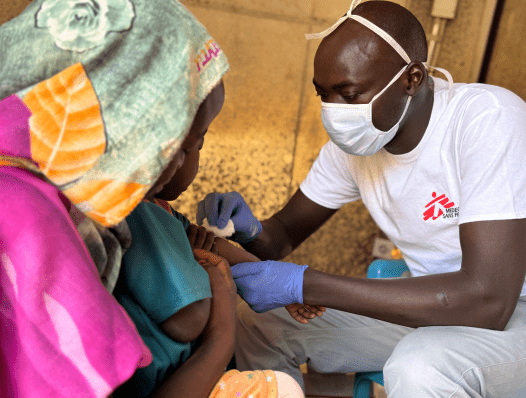
For a year now, Médecins Sans Frontières/Doctors Without Borders (MSF) teams in Darfur have been witnessing outbreaks of measles in the four Darfur states we currently work in. While massive vaccination campaigns are finally ongoing in several locations across the region, MSF insists on the need to increase efforts to catch up on the immunisation of children who have never been vaccinated.

The first surge of measles cases observed and treated by MSF were in June 2024 in Rokero, a city in the north of the Jebel Marra Mountains in Central Darfur, where MSF teams have been running the local Ministry of Health (MoH) hospital without interruption since 2020. At the start of 2025, cases were also reported in East Jebel Marra, South Darfur and in Forbrenga, West Darfur. More recently, new surges are also being observed in Zalengei, Sortony and in Tine, East Chad – all places where MSF runs activities.

From June 2024 until the end of May 2025, more than 9,950 patients were treated for measles in health facilities run or supported by MSF in the region. Around 2,700 were complicated cases requiring hospitalisation, and 35 deaths were recorded. To manage the influx of patients, we had to expand our paediatric beds capacity in three hospitals.  

One of the root causes of this situation is the region’s already low immunisation coverage.

In Forbrenga, 30% of the measles patients we are receiving are above the age of five years and only 5% of them are vaccinated. This suggests that the lack of vaccination dates back further than the recent conflict.
Sue Bucknell, MSF’s Deputy Head of mission in West Darfur

“The ongoing conflict is also contributing to this outbreak, constraining the capacities of medical actors to both prevent and respond to outbreaks of contagious diseases,” adds Dr Cecilia Greco, MSF Medical coordinator for Central Darfur. “Mass population displacement has made the illness spread even faster across the region, further complicating the situation.”  

Since the war broke out, constant administrative impediments and regular blockades of key supply roads have caused vaccine shortages throughout Darfur. This led to disruption in routine immunisation programmes in several locations, sometimes for months. In Sortony, for example, an internally displaced people (IDP) camp of North Darfur hosting more than 55,000 people, vaccination totally stopped from May 2024 to February 2025.

These constraints and shortages have also limited the medical actors’ capacity to roll out proper response campaigns. Last year, MSF carried out several vaccination campaigns such as in November 2024 in North Jebel Marra where 9,600 children were vaccinated. However, due to limited vaccine supplies, MSF teams were forced to reduce the target and to exclude children over five, despite clear needs. This inevitably reduced the long-term impact of these campaigns. In North Jebel Marra, while the vaccination campaign initially slowed the outbreak, cases began to rise sharply again from February.

Although mass vaccination campaigns are now happening in different parts of Darfur, negotiations and procedures have been lengthy. After MSF first raised the alarm about the multiple surges it was witnessing, it took months before the Federal MoH in Port Sudan and UNICEF released the needed vaccines from their stocks: finally enabling mass vaccination campaigns to be launched in different areas of Darfur. Last week, 55,800 children from nine months to 15 years old were therefore vaccinated in Forbrenga as part of a campaign led by the MoH and supported by MSF. 93,000 more children are set to receive the vaccine in North Jebel Marra and Sortony by the end of this week, in a similar campaign.

Even if they represent a certain achievement, these campaigns should have happened much sooner. Many measles cases and their consequences could have been prevented. And as much as they are needed, such reactive campaigns are only a band-aid to an open wound unless massive efforts are put in place on immunisation and prevention across Darfur, including its most remote areas.
Dr Cecilia Greco, MSF Medical coordinator for Central Darfur

Bucknell highlights the threat of further outbreaks of disease unless such efforts are initiated. “Measles is not the only contagious illness currently present in Darfur with the potential to turn into outbreaks. Over the last 10 days, about 200 suspected cholera cases were brought to MSF-supported health facilities in two different Darfur states. This follows a significant cholera outbreak in Khartoum state and other parts of Sudan,” she says.

“It is essential that federal and local health authorities, UN agencies and all medical actors on the ground collaborate not only to catch up on the vaccination of all the children left behind by immunisation programmes over the years, but also to enhance their ability to respond quickly and efficiently should any other outbreaks, like cholera, start spreading over Darfur. This includes the capacity to supply vaccines in and across Sudan, without facing the same impediments anymore,” concludes Dr Greco.   

Facebook
Twitter
LinkedIn
WhatsApp
Print

Syria: Homecoming through landmines

Syria: Homecoming through landmines

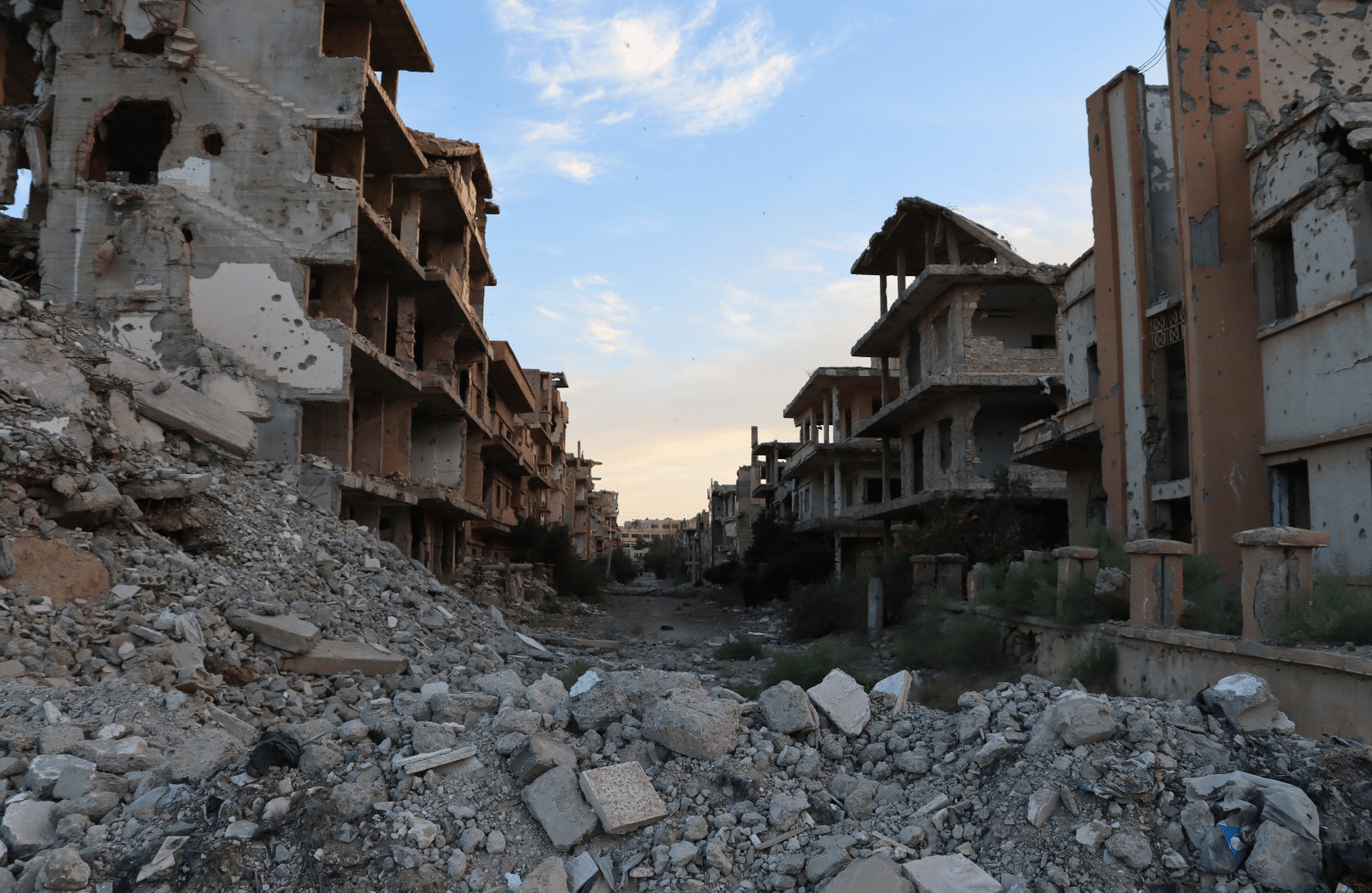
Amsterdam/Deir ez-Zor, Syria, 5 June 2025 – People returning to their war-torn homes and villages in Deir ez-Zor, eastern Syria, are being wounded or even killed after encountering unexploded devices. Between 28 May and 1 June, four incidents resulted in eight casualties, including the deaths of four children, highlighting the urgent need for the area to be cleared of explosive remnants of war and landmines. As Médecins Sans Frontières (MSF) teams supported the reopening of the emergency room at Deir ez-Zor National hospital in response to a high number of injuries caused by explosive devices, we call for the scale-up of landmine clearance, and for medical care in response to be bolstered.

Since 7 April, our teams working in the emergency room in Deir ez-Zor hospital have been seeing around one patient per day who has been wounded by explosions of landmines, unexploded ordnance, and booby traps. People have been injured mostly in the fields or on the road. Of the people who have arrived to our emergency room, nearly two-thirds have life-threatening or severe injuries, and nearly a quarter have traumatic amputations, shockingly, two out of five of the people we’ve seen have been children.
Will Edmond, MSF head of mission in Syria

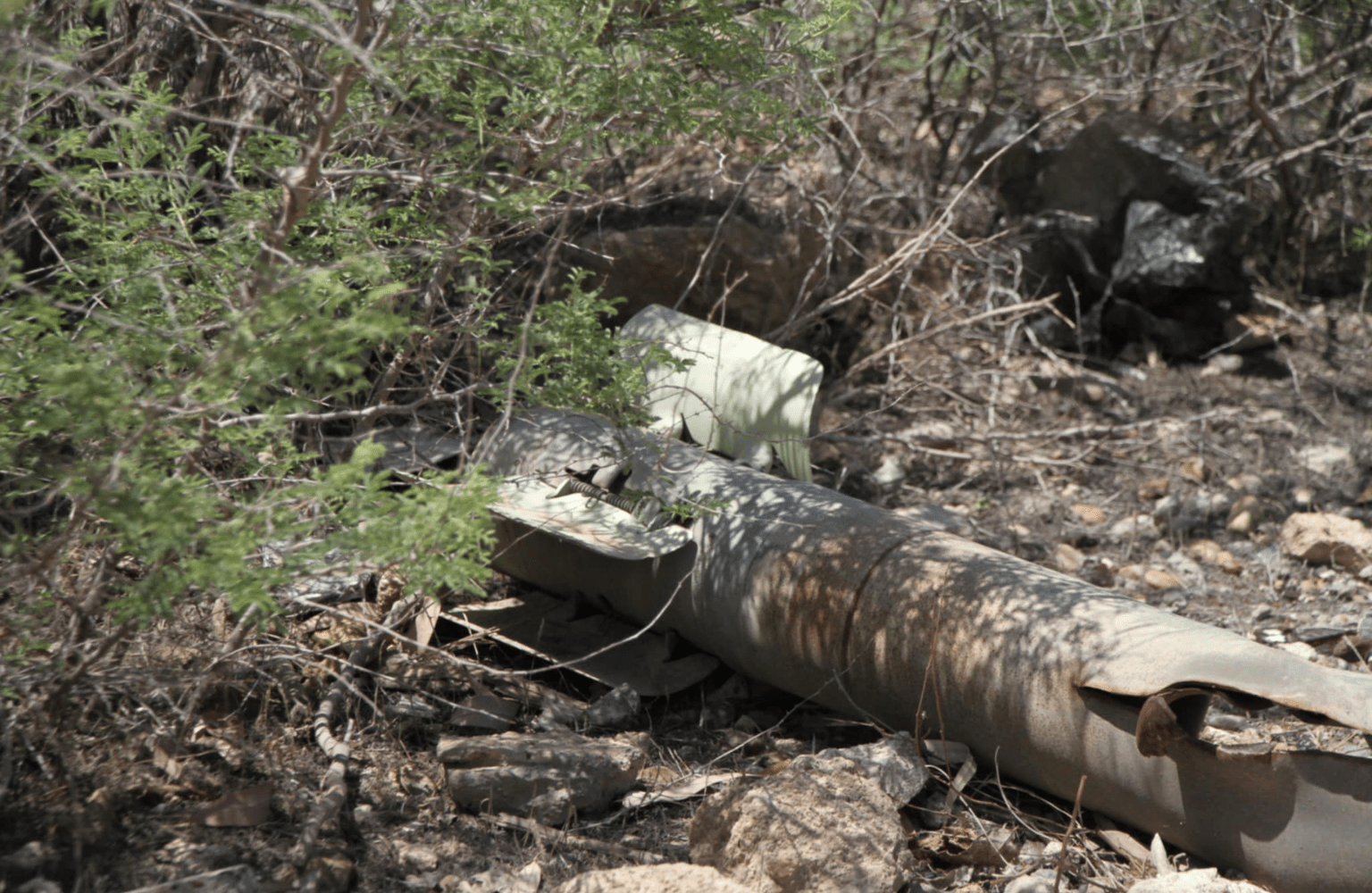
Years of armed conflict have destroyed critical infrastructure in Deir ez-Zor governorate, including healthcare facilities. Streets and fields across the governorate are contaminated with mines and explosive devices, making daily life hazardous for returnees and hampering rehabilitation efforts. MSF teams have already discovered four unexploded devices in health facilities we had planned to support, with more likely hidden underground.

In Syria, Deir ez-Zor governorate has the highest number of recorded incidents with explosive remnants of war; in the five months to 6 May 2025, just over one-quarter – 26 per cent – of the 471 incidents recorded in the country occurred in Deir ez-Zor. * 

Ahmad, a teenage boy from Hawaij, 50 kilometres southeast of Deir ez-Zor city, lost his right leg and part of his left foot while herding sheep in the desert.

“I feel sad now because I can’t run anymore,” says Ahmad. “But I like playing marbles and riding a motorbike.”

“He is not the only one from Hawaij,” his mother, Umm Mohammad, added. “The same thing happened to one of his friends, and to other people in the village.”

Between 8 December 2024 and 14 May 2025, 91 children were killed and 289 injured in accidents involving explosive ordnance across the country, according to Mine Action Area of Responsibility. Many of these tragic cases involve children who come across mines while collecting truffles, herding sheep, or playing in contaminated areas.

Ali Abd Khalaf, a former wheat farmer, also stepped on a landmine near Az-Zabari, close to Al-Mayadin.

“Two months ago, I was travelling with my brother on our motorbike,” says Ali. “We decided to stop along the way, so I stepped off the motorbike, took just a few steps, and the explosion happened – I stepped on a landmine.”

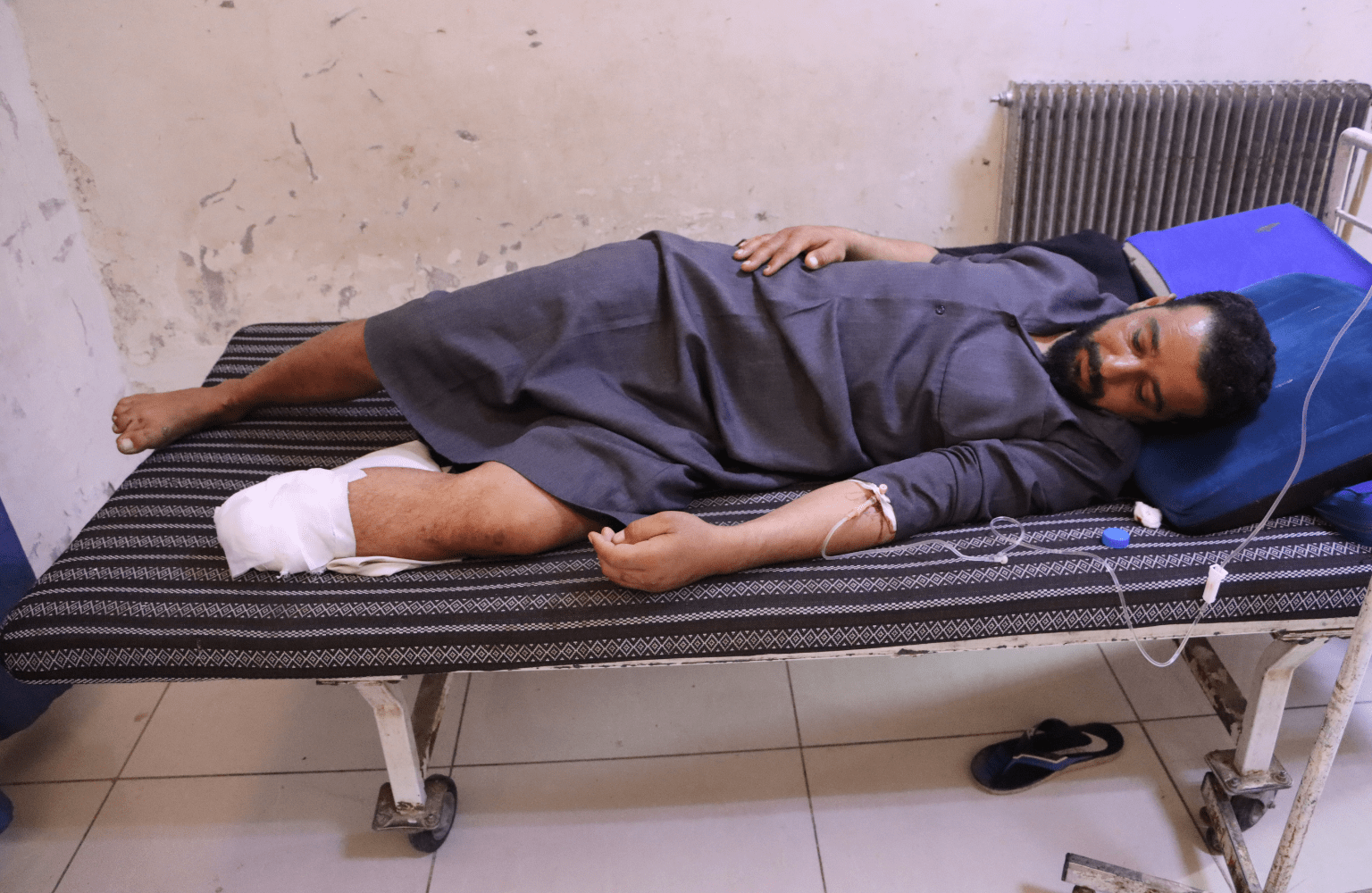
Ali received initial care in a private clinic and was later transported to Deir ez-Zor National hospital, where he underwent two surgeries and had his left leg amputated above the ankle.

Patients have reported severe challenges in accessing healthcare. Most are forced to rely on expensive private transportation due to an overstretched ambulance network; as a result, many patients from remote towns do not return for follow-up care. Others speak of the high cost of private care.

“We hurried Ali to a private clinic in Al-Mayadin, where we were required to pay an upfront fee of US$80 to initiate his treatment,” said Ali Abd Khalaf’s relatives. “Though it was a considerable amount, we paid it. Afterwards, we swiftly moved him to the hospital in Deir ez-Zor, where he received comprehensive medical care, free of charge.” 

Urgent funding is needed to support mine action organisations, to scale-up explosive device and landmine clearance, and improve mapping of contaminated areas. This is essential for people to safely return, rebuild their lives, and recover from conflict.

We also urge the Government of Syria, donors, and medical organisations to bolster emergency care capacity, referral systems, and blood banks. Supporting physical rehabilitation, mental health, and psychosocial services is crucial for helping survivors recover as fully as possible.

* According to International NGO Safety Organization.

Since the fall of the previous Syrian government in December 2024, MSF has been able to gain access to new areas, including Deir ez-Zor governorate where we support public health facilities. In Deir ez-Zor city, MSF is supporting the emergency department of Deir ez-Zor National hospital. In Al-Bukamal, MSF has opened an emergency room in collaboration with the Ministry of Health and is planning obstetric and newborn care services, while rehabilitating a medium-size hospital that will offer additional services. 

MSF was able to support the reopening of the emergency room at Deir ez-Zor National hospital on 7 April after needed rehabilitations were complete and the emergency room in Al-Bukamal on 28 May.  

Facebook
Twitter
LinkedIn
WhatsApp
Print

Sudan: MSF report reveals stark lack of protection and assistance in South Darfur

Sudan: MSF report reveals stark lack of protection and assistance in South Darfur

Violence, insecurity and hunger are devastating people’s lives in South Darfur, Sudan, according to a new MSF report released today.

The report, Voices from South Darfur, illustrates in vivid testimony how the impact of pervasive violence, a healthcare system in ruins and an inadequate international response have all combined to push people’s coping strategies to their limits.

The voices and stories of people reflect the suffering, abuse and cruelty felt throughout communities in South Darfur, but also people’s endurance and compassion. With civilian protection collapsed and humanitarian aid still inadequate, people in South Darfur demand to be listened to, demand attention, and demand action.
Ozan Agbas, MSF emergency manager for Sudan

South Darfur experienced intense urban warfare in 2023, which destroyed hospitals and critical infrastructure. The humanitarian presence, substantial before the outbreak of civil war in April that year, disintegrated as fighting took hold. Although ground fighting in South Darfur has ceased for now, insecurity remains, as people are subject to appalling violence on roads and farmland, and in markets and their own homes. Reports of arbitrary detention, theft and looting are also commonplace. Air strikes and drone strikes continue to hit South Darfur and other parts of the country

Sexual violence is widespread with MSF providing care to 659 survivors from January 2024 to March 2025. Fifty six percent of survivors were assaulted by non-civilians.

A 25-year-old woman from South Darfur living in a displacement camp told MSF, “When the women try to go outside the camp to farm… they will beat me, they will torture me… There is no way to go out… My aunt’s daughter, she was raped by six men, just six days ago… I feel insecure, because if I go out, I will be raped.”

People describe the fear and anxiety of children, and their own feelings of helplessness, indignity and of being trapped.

“Our farms are completely destroyed – we have nothing. My husband was killed four months ago. We have nothing now,” a 21-year-old internally displaced woman told MSF in Beleil locality. “For three days, I haven’t eaten anything… I don’t know what will happen to me on the way home. I am afraid, because those people who killed my husband, maybe they will do the same to me.”

The violence has shattered the healthcare system, and adequate care is simply not available for people due to a range of compounding issues: facilities have been destroyed, damaged or abandoned; healthcare workers have fled or are no longer receiving salaries; supplies are absent or interrupted; and people struggle to afford transport to reach what remains of the healthcare system.

Insecurity is intertwined with hunger, as the threat of violence has cut off access to farmland and incomes. Between January 2024 and March 2025 MSF supported programmes in South Darfur that treated over 10,000 acutely malnourished children younger than five years old and provided nutrition treatment to thousands of malnourished pregnant and breastfeeding women and girls.

The malnutrition crisis is expected to deteriorate even further with the imminent arrival of the rainy and lean seasons.

Amid soaring costs of food, families are forced to subsist on one meal a day – sometimes not even that. “I just depend on what I can find, day to day,” a 24-year-old woman in Al-Salam displacement camp told MSF. “If I get something, we will eat. If I don’t get something, we won’t. This is my life.”

Since the war started, the response from international organisations and UN agencies has been sparse, inconsistent and slow to arrive in South Darfur, as a 23-year-old woman in Nyala explained in November 2024: “We heard that international organisations help people, but they never bring anything for us.”

There have been some recent signs of improvement, with UN agencies increasingly finding ways to bring humanitarian supplies to South Darfur. NGOs are gradually scaling up their presence and activities. However, due to severe access constraints, UN agencies are still not on the ground in South Darfur to lead and coordinate the response, more than two years into the conflict, and NGOs are moving slowly and with caution.

Communities are working in solidarity to overcome the effects of violence. Neighbours support one another, sharing their food. Groups of young people clear away rubble and unexploded ordnance, and purchase medicines for displaced people living in their neighbourhood. Teachers work for free in looted buildings. MSF has supported local initiatives to help run community kitchens, provide meals for school children and support health posts run by volunteers. Health facilities and water systems have been rehabilitated, and MSF ran a programme that provided food to 6,000 families in multiple locations across the state.

These programmes demonstrate it is possible to support local initiatives and improve services when determination, creativity and a willingness to take risks combine, as Agbas explains.

“Local organisations in Darfur have the knowledge and expertise to provide essential services. Giving these frontline responders supplies, funding and decision-making power will make a substantial contribution to saving lives.”

The testimonies and medical data in Voices from South Darfur were generated through our activities between January 2024 and March 2025.

Facebook
Twitter
LinkedIn
WhatsApp
Print

Gaza: Nasser hospital on the frontline

Gaza: Nasser hospital on the frontline

Jerusalem, 5 June 2025 – In southern Gaza, displacement orders and movement restrictions imposed by Israeli authorities on Nasser hospital are pushing this vital medical facility on the brink of becoming non-functional, warns Médecins Sans Frontières/Doctors Without Borders (MSF). Ordering hospitals to refuse new patients and making it harder for people to reach places of care has been a pattern aimed at bringing down the hospitals by the Israeli forces through this war. Nasser is the only last remaining vital lifeline for the people in need, and its full functionality must be restored immediately and preserved.

On 3 June, our teams were told that any movement to Nasser hospital would require authorisation and this would have to be requested with at least 24 hours’ notice. This meant that medical staff due on the day shift could not reach the hospital. The staff from the previous night had to continue working. They ended up staying on shift for 48 consecutive hours.

The outpatient department remained closed for the whole day.  Ambulances that were able to carry patients to the hospital did so at great risk, as there was a danger they would be shot at because they lacked authorisation. Nasser’s location on the frontline hampers both staff and patient’s ability to access this vital remaining hospital.

This is happening while people are exhausted, their lives shattered by 20 months of extremely violent war and a suffocating siege where even the distribution of minimal amounts of aid results in devastating massacres. In this context, any remaining medical facility is of critical importance and must be protected.

The attacks on healthcare are not only carried out through military action. They happen through limitations imposed on the importation of medical supplies, forcing doctors to ration pain relief medicine. They happen through displacement orders, leading to entire hospitals having to shut down at short notice. They happen through harassment and confusing orders issued by Israeli authorities, making it more and more difficult to provide lifesaving care.

We have seen this pattern before, it happened to facilities like Al Awda and the Indonesian hospital, in northern Gaza, where they were first asked to not admit more patients, and a few days later were attacked and practically shut down. Putting Nasser hospital out of service would equate to a death sentence for the most severe patients among wounded adults and children, critically ill patients, and women in need of emergency obstetric care.
Jose Mas, head of MSF emergency programmes

Nasser hospital is a large referral hospital with many specialist wards not found anywhere else in the south of Gaza including operating theatres, an oxygen plant, ventilators, a blood bank, and incubators. Reducing access to this hospital and blocking the referral of patients who need specialist, emergency care, stops people from receiving treatment that may safe their life.

In the past few months, MSF medical teams in Nasser hospital have provided care to over 500 patients in the maternity ward, including women requiring surgical care, as well as to more than 400 newborn babies and paediatric patients. The hospital is full of patients with burns and severe trauma.

Healthcare is under attack everywhere in Gaza. In the morning of 4 June, Israeli forces struck the  MSF supported Al Aqsa hospital three times, the main facility in Deir Al Balah, central Gaza. Although no casualties were reported, it is a stark reminder of how patients, medical staff and health facilities are constantly at great risk in Gaza.

Our teams have received patients who have been critically injured while trying to get food, as a result of the shootings which have taken place around the Gaza Humanitarian Foundation food distribution centres. This is in addition to the people who have been wounded in the ongoing bombardment of the Gaza Strip. Hospitals are overflowing with patients.

It’s essential that Israeli authorities protect Nasser hospital and guarantee full and unimpeded access to patients and medical staff alike, to avoid more deaths.

Facebook
Twitter
LinkedIn
WhatsApp
Print

Gaza: Dozens of Palestinians massacred at US-Israel backed food distribution sites

Gaza: Dozens of Palestinians massacred at US-Israel backed food distribution sites

Jerusalem – Dozens of Palestinians were killed and hundreds more injured today, 1 June, as they waited for food at the newly created Gaza Humanitarian Foundation distribution centres in Rafah and close to the Netzarim Corridor, according to the Ministry of Health. Médecins Sans Frontières/Doctors Without Borders (MSF) teams joined the mass casualty response in Nasser hospital, Khan Younis. Patients told MSF they were shot from all sides by drones, helicopters, boats, tanks and Israeli soldiers on the ground.

Today’s events have shown once again that this new system of aid delivery is dehumanising, dangerous and severely ineffective. It has resulted in deaths and injuries of civilians that could have been prevented. Humanitarian aid must be provided only by humanitarian organisations who have the competence and determination to do it safely and effectively.
Claire Manera, MSF emergency coordinator

MSF teams at Nasser hospital treated patients with serious injuries today. Some patients in critical condition are still undergoing surgery. But with the blood banks almost empty, medical staff themselves have had to donate blood.

The hospital corridors were filled with patients, but unlike what I have witnessed before, where most of the patients were women and children, today it was mainly men. They lay in their beds in the hallways because the rooms are already packed with injured people. They had visible gunshot wounds in their limbs, and their clothes were soaked with blood.
Nour Alsaqa, MSF communications officer

“They looked shattered and distraught after trying to secure food for their children, returning instead injured and empty handed. Outside, there was shouting, sirens, a constant rush of new arrivals to the emergency room. Amid the chaos, we received confirmation that a colleague’s brother had been killed while attempting to collect aid from the distribution centre,” adds Nour Alsaqa.

Mansour Sami Abdi, a father of four, described the chaos: “People fought over five pallets. They told us to take food—then they fired from every direction. I ran 200 metres before realising I’d been shot. This isn’t aid. It’s a lie. Are we supposed to go get food for our kids and die?”

“I was shot at 3:10am. As we were trapped, I bled constantly until 5:00am. There were many other men with me. One of them tried to get me out. He was shot in the head and died on my chest. We had gone there for nothing but food — just to survive, like everyone else,” says Mohammad Daghmeh, 24, a displaced person in Al-Qarara, Khan Younis.

This is the second time this new system of aid distribution has led to bloodshed. On 27 May, the first afternoon of distribution in Rafah, Israeli forces shot dozens of people as wholly insufficient amounts of basic lifesaving supplies were distributed amid chaos.

As a result of the total siege that was imposed by the Israeli authorities on 2 March, 100 per cent of Gaza is now at risk of famine, according to the United Nations. Since 19 May, the few hundred food trucks brought in – an insufficient fraction of what is needed – have spread despair among the 2 million plus people who have been largely deprived of food, water, and medication for three months now. Totally or partially blocking humanitarian aid to enter Gaza has aggravated the situation of all Gazans.

MSF reinforces that, along with displacement orders and bombing campaigns that kill civilians, weaponising aid in this manner may constitute crimes against humanity. Only a lasting ceasefire and the immediate opening of Gaza’s borders for humanitarian aid – including food, medical supplies, fuel and equipment – can ease this man-made catastrophe.

Facebook
Twitter
LinkedIn
WhatsApp
Print

Sudan: Wide spread sexual violence in Darfur

Sudan: Wide spread sexual violence in Darfur

Brussels/Amsetrdam – Women and girls in Sudan’s Darfur region are at near-constant risk of sexual violence, medical organisation Médecins Sans Frontières (MSF) warned today. The true scale of this crisis remains difficult to quantify, as services remain limited and people face barriers in seeking treatment or speaking about their ordeal. Yet all the survivors who speak with MSF teams in Darfur and across the border in Chad share horrifying stories of brutal violence and rape. With men and boys also at risk, the extent of the suffering is beyond comprehension.

Women and girls do not feel safe anywhere. They tell us they feel trapped, these attacks are heinous and cruel, often involving multiple perpetrators. This must stop. Sexual violence is not a natural or inevitable consequence of war, it can constitute a war crime, a form of torture, and a crime against humanity. The warring parties must hold their fighters accountable and protect people from this sickening violence. Services for survivors must immediately be scaled up, so survivors have access to the medical treatment and psychological care they desperately need.
Claire San Filippo, MSF emergency coordinator

Sexual violence has become so widespread in Darfur that many people chillingly speak about it as unavoidable. “Some people came at night to rape the women and take everything, including animals. I heard some women being raped at night. The men were hiding in toilets or in some rooms they could close, like my husband and brothers, otherwise they would get killed. The women didn’t hide because it was just beating and rape for us, but the men would get killed,” a 27-year-old woman told MSF’s team in West Darfur.

It is not only during attacks on villages and towns or during the journey to safety that people have been raped and beaten. Limited humanitarian assistance is forcing people to take risks to survive: people are walking long distances to meet their basic needs and taking work in dangerous places. Others decide against taking the risk but are then cut off from their sources of income, reducing further their access to water, food and healthcare. This is no guarantee of safety, with people attacked at home as well.

MSF provided care to 659 survivors of sexual violence in South Darfur between January 2024 and March 2025

  • 86% reported that they were raped
  • 94% of survivors were women and girls
  • 56% said they were assaulted by a non-civilian (by a member of military, police or other security forces or non-state armed groups)
  • 55% reported additional physical violence during the assault
  • 34% faced sexual violence while working in, or travelling to, the fields.
  • 31% were younger than 18, 29% were adolescents (aged between 10 and 19), 7% were younger than 10 years old and 2.6% were younger than 5 years old

These disturbing statistics are likely an underestimate of the true scale of sexual violence in South Darfur.

The situation is similar in other places where MSF is able to provide care for survivors such as Eastern Chad, which currently hosts over 800,000 Sudanese refugees. In Adre almost half of the 44 survivors treated by MSF since January 2025 were children. In Wadi Fira Province, 94 survivors were treated between January and March 2025, 81 under the age of 18. The testimonies of patients and caregivers in both eastern Chad and Darfur, Sudan bear this out. One man told MSF’s team in Murnei, West Darfur, “Three months ago there was a little girl of 13 years old who was raped by three men…They caught her and raped her, then they abandoned her in the valley… They called some people to carry the girl to the hospital. I was one of them. She was a little girl.”

Many survivors report being raped by more than one person. In Metché in eastern Chad, 11 out of 24 survivors treated between January and March 2025 were attacked by multiple assailants. The experiences patients share in various locations bear this out. “When we arrived in Kulbus, we saw a group of three women with some RSF [Rapid Support Forces] men guarding them. The RSF also ordered us to stay with them. They told us, ‘You are the wives of the Sudanese army or their girls.’ … Then they beat us, and they raped us right there on the road, in public. There were nine RSF men. Seven of them raped me. I wanted to lose my memory after that,” one 17-year-old rape survivor told MSF.    

In some cases, the attackers directly accused the survivors of supporting the other side. One woman shared her story: “I have a certificate for first aid nursing. [When they stopped us], the RSF asked me to give them my bag. When they saw the certificate inside, they told me, ‘You want to heal the Sudanese army, you want to cure the enemy!’ Then they burnt my certificate, and they took me away to rape me. They told everyone else to stay on the floor. I was with some other women, including my sister. They only raped me, because of my certificate.”

It is vital that survivors access services after the attack, as sexual violence is a medical emergency. The immediate and long-lasting physical and psychological consequences which can be life-threatening.  Yet survivors struggle to access medical care and protection because of a lack of services, limited awareness of the few services that exist, the high cost of traveling to facilities, and a reluctance to speak about the abuse due to shame, fear of stigma or retaliation.

“I cannot say anything to the community because it will be a shame for my family. So, I didn’t say anything about what happened to me before today. I’m only asking for medical help now. I was too afraid to go to the hospital. My family told me, ‘Don’t tell anybody,’” a 27-year-old female survivor told MSF in eastern Chad.

Where services exist, survivors need clear and accessible referral pathways to get the help they need. In South Darfur, the state with the greatest number of displaced people in Sudan, in late 2024, MSF added a community-based component to its care for survivors of sexual violence. Midwives and community healthcare workers were trained and equipped to provide emergency contraceptives and psychological first aid to survivors. They also supported survivors’ referral to MSF-supported primary healthcare clinics and secondary hospitals for comprehensive care. Since the addition of this community-based model, MSF has seen a steep increase in women and adolescents seeking care.

MSF teams continue to see new survivors of sexual violence. In Tawila, where people continue to arrive after attacks on Zamzam camp and in Elf Fasher, North Darfur, the hospital received 48 survivors of sexual violence between January and the beginning of May, most of them since the start of fighting in Zamzam camp in April.  

Access to services for survivors of sexual violence is lacking and, like most humanitarian and healthcare services in Sudan, must urgently be scaled up. People – mostly women and girls – who suffer sexual violence urgently need medical care, including psychological support, and protection services. Care must be tailored from the outset to mitigate against the many overwhelming barriers survivors face when seeking medical care in the aftermath of sexual violence.
Ruth Kauffman, MSF emergency medical manager

Brutal attacks and rapes must stop, warring parties must ensure that civilians are protected, respecting their obligations under International Humanitarian Law to protect civilians, and medical and humanitarian services for survivors of sexual violence must be scaled up urgently in Darfur and eastern Chad.

Facebook
Twitter
LinkedIn
WhatsApp
Print

Gaza: Ethnic cleansing through siege and aid instrumentalisation

Gaza: Ethnic cleansing through siege and aid instrumentalisation

Jerusalem, 20 May 2025 – An insufficient amount of aid is being allowed into the Strip, merely a smokescreen to pretend the siege is over. Meanwhile, at least 20 medical facilities in Gaza have been damaged, or forced partially or completely out of service in the past week by advancing Israeli ground operations, intensified airstrikes, and widespread evacuation orders. As people remain in desperate need of medical care and aid, Israeli authorities must stop the deliberate asphyxiation of Gaza and the annihilation of its healthcare system, that is underpinning their campaign of ethnic cleansing, says Médecins Sans Frontières/Doctors Without Borders (MSF). 

The Israeli authorities’ decision to allow a ridiculously inadequate amount of aid into Gaza after months of an air-tight siege signals their intention to avoid the accusation of starving people in Gaza, while in fact keeping them barely surviving. This plan is a way to instrumentalise aid, making it a tool to further Israeli forces’ military objectives.
Pascale Coissard, MSF emergency coordinator in Khan Younis

Before October 2023, 500 aid trucks were entering Gaza every day, according to the UN. The current authorisation for 100 per day, when the situation is so dire, is woefully inadequate.

Meanwhile, evacuation orders are continuing to uproot the population, while Israeli forces are still subjecting health facilities to intensive attacks.  

On 19 May, between 6am to 6.30, MSF teams reported hearing almost one strike per minute in Khan Younis. One of these strikes hit Nasser hospital compound, 100 metres away from the intensive care unit and the inpatient department that are run by MSF. This is the third time in two months that Nasser hospital compound has been struck, once again depriving people of treatment and care. To reduce exposure, our teams were forced to temporarily close both the outpatient department and sedation room for patients awaiting or recovering from surgery, as well as suspend physiotherapy and mental health activities, which are essential for burn patients – most of whom are children. 

Yesterday’s strike also severely damaged the Ministry of Health pharmacy store in Nasser Hospital. This puts additional pressure on supplies at a time when medical stocks are running critically low due to the siege.  

As part of the expansion of their ground operations, Israeli forces have issued widescale evacuation orders, further limiting people’s access to medical care and MSF’s ability to provide it. On 19 May, for example, an evacuation order covering almost the entire eastern part of Khan Younis, at the edge of Nasser hospital, forced people to immediately move towards Al Mawasi area. 

The Site Management Cluster estimates that over 138,900 people were forcibly displaced between 15-20 May. The intensified Israeli bombardments and evacuation orders across Khan Younis have forced MSF to maintain only lifesaving activities in the emergency rooms of Al Attar and Al Mawasi clinics. Since yesterday, Al Hakker clinic, in Deir Al Balah, has also been closed. Before that, MSF teams had been providing more than 350 consultations per day for paediatric, antenatal and post-natal care, psychological first aid and ambulatory nutritional treatment among other things.  

A few days earlier, on 15 May, Israeli authorities issued an evacuation order to Sheikh Radwan basic healthcare centre in Gaza City, which led to the closure of the facility. Before that, with MSF’s support, the Ministry of Health teams were providing around 3000 consultations per day in an area with estimated 250,000 people. This was the last fully functional public basic healthcare clinic in the area.  

According to the Ministry of Health, following the besiege of the Indonesian Hospital, all public hospitals in North Gaza are now out of service The MSF field hospital in Deir Al Balah has seen its bed capacity rise to 150 per cent over the last few days, forcing them to add additional staff and increase their baseline by 20 beds. According to the UN, there are currently around 1,000 functional hospital beds across the Strip, while previously to the war the bed capacity was 3500. 

Attacks on civilians and healthcare must stop now and aid must enter Gaza in sufficient quantities and in a way that allows it to reach those who need it. Israel’s allies must exert all their pressure to make this happen as a matter of extreme urgency. Every day that is lost reinforces their complicity in the annihilation of the people of Gaza. 

Facebook
Twitter
LinkedIn
WhatsApp
Print

Gaza: MSF denounces deliberate humanitarian catastrophe

Gaza: MSF denounces deliberate humanitarian catastrophe

14 May 2025 – The US-Israel proposition to control the distribution of supplies under the guise of humanitarian aid raises grave humanitarian, ethical, security and legal concerns, says international medical organization Médecins Sans Frontières/Doctors Without Borders (MSF). Making aid conditional on forced displacement and vetting of the population is another tool in the ongoing campaign of ethnic cleansing of the Palestinian population. MSF firmly rejects and condemns any plan that further reduces availability of aid and subjugates it to Israeli military occupation objectives.

We are witnessing, in real time, the creation of conditions for the eradication of Palestinian lives in Gaza, says MSF.

The obstruction of humanitarian aid is a direct violation of UN Security Council Resolution 2720, which calls for the unimpeded delivery of humanitarian aid to civilians. Claims that aid is being diverted by Hamas remain unverified and in no way justify such measures. As the occupying power, Israel must facilitate impartial humanitarian assistance for the population in need.

UN, EU member states, and all those with influence over Israel must urgently use their political and economic leverage to stop the instrumentalisation of aid. Humanitarian supplies, food, fuel and medicines must be allowed to reach the population of Gaza now.

Since Israel’s resumption of attacks and its total blockade of aid on 2 March, Gaza has become a hell on earth for Palestinians. The survival of Palestinians lies at the mercy of Israeli authorities, who are denying the entire population access to food, water, medical care and shelter. Israel continues to pursue its campaign of ethnic cleansing by deliberately destroying the conditions necessary for life.

Organisations including World Central Kitchen and the World Food Programme (WFP) have announced that they have no more food stocks available in Gaza: most community kitchens and bakeries have closed. MSF medical teams in Gaza City have seen a 32 per cent increase in the number of patients presenting with malnutrition over the past two weeks.

Dwindling fuel stocks are limiting the ability to desalinate and distribute water. Those health facilities that still function – already critically inadequate in number and capacity for the population – are still being attacked and are suffering from rapidly diminishing stocks of medications and other essential supplies. MSF teams in Gaza have received no supplies for 11 weeks and face critical shortages of essential medical items such as sterile compresses and sterile gloves.

Israel’s evacuation orders and established no-go military zones now cover 70 per cent of Gaza. The population has been forcibly transferred from one place to another, while not a single area of Gaza has been spared from attacks. The desperateness of the situation is such that MSF teams have treated and discharged patients only to see them return with new injuries.

Israeli’s plan to instrumentalise aid is a cynical response to the very humanitarian crisis they created. If they wished, Israel and its allies could lift the blockade today and let humanitarian aid reach all those in Gaza whose survival depends on it.

Facebook
Twitter
LinkedIn
WhatsApp
Print

Sudan: Three weeks on from the deadly attack on Zamzam camp

Sudan: Three weeks on from the deadly attack on Zamzam camp

Three weeks on from the large-scale ground offensive by the RSF on Zamzam camp in early April 2025, reports of intensified fighting in El-Fasher continue, and more displaced people are still arriving in Tawila (North Darfur)[1]. With Zamzam having been classified as undergoing famine back in August 2024, and many having been seriously injured in the attack on the camp, people have been arriving in Tawila in an extreme state of vulnerability: overwhelming our emergency and nutritional service of the MSF supported hospital in the city.  

[1] https://reliefweb.int/report/sudan/sudan-displacement-zamzam-camp-north-darfur-state-flash-update-no-3-2-may-2025

“They came with their machineguns. They attacked and killed people – including children. They burnt our house, with everything we had inside. They raped the women. They killed, they looted… says Mariam*, 40, who reached Tawila three days after the attack on Zamzam took place. “Even before the attack, people had died of thirst and of starvation because of the siege that had been imposed on Zamzam for the past year. Everything was so expensive and so unaffordable in the end.”

She has arrived with her mother, her sisters and their own children. A household of 20 people. All of them now spend their days squeezed against each other under the makeshift shelter they build with a few branches and a piece of fabric, sharing the little shade it provides. “Here, there is no food. A few people in Tawila shared a bit of millet flour with us, which we used to make porridge. This is how we have survived so far: begging. We get the water from a tank, but they only let us fill one jerrycan per family, and we are 20 in ours. We only have one blanket for all of us”

Since April 12, when the people first began reaching Tawila from Zamzam, the areas surrounding the town have been completely transformed, with tens of thousands of people now estimated to be living in makeshift shelters in fields that were totally uninhabited just a few weeks ago.

“For four days now, we have been staying here as you see us, with nothing: no walls, no roof,” says Ibrahim*, 42, who fled Zamzam on foot with 11 of his family members. He carried one of his children on his shoulders and another on his back for five days. It’s the fourth time in ten years he’s displaced in similar circumstances. He describes how soldiers entered people’s homes, brought them outside and opened fire. Three of his brothers were killed like this. On his way to Tawila, he got looted and witnessed people being beaten so harshly that they could no longer move. 

“Under this tree, it is so crowded, we’re lacking water, or shelter… there is nothing to eat, everyone is hungry,” he says. “We’re getting some food from the community kitchens. Sometimes, we manage to get some rice when they distribute the meals, but if we don’t, we must wait until the next day to eat something. For water, we go to a borehole, but there are so many people, and we have to wait hours to be able to drink.”  

A handful of organisations are present in Tawila, but the numbers in need of assistance far exceed the capacity to respond. MSF teams have set up two health posts on the main arrival sites to provide the newcomers with water and immediate nutritional and medical support, and are referring critical patients to Tawila local hospital that MSF has been supporting since October 2024. 

The emergency room was overwhelmed, over the first few days, the number of patients in the hospital almost doubled. At one point, we had four patients in a bed because we did not have enough space. A lot of people had gunshot wounds and blast injuries - we've treated 779 people over the past three weeks, including 138 children. 187 of all the patients were severe cases. The youngest I saw was a seven-month-old baby with a bullet wound that went under his chin and into his shoulder. We also received patients as young as one day old suffering from dehydration. Many children arrived without their parents – and many parents were searching desperately for their children.
Tiphaine Salmon, MSF’s Head Nurse
Our teams in the hospital witnessed an explosion of admissions in our intensive therapeutical feeding centre, which treats children under 5, suffering from severe acute malnutrition in addition of other comorbidities. In the week following the influx, admissions increased almost tenfold from an average of 6-7 per week, to more than 60. They were mostly children from Zamzam: a clear reminder of what the nutritional situation in the famine-stricken camp was.

To make the situation even worse, a suspected measles outbreak began in Tawila in March. In the hospital, MSF treated more than 900 suspected measles cases since early February, with more than 300 in such a severe condition that they required hospitalisation. A situation that led our teams to launch a large-scale vaccination campaign in the city on the first week of April, reaching 18,000 children under 5. But one week after the massive influx of people from Zamzam began, our teams examined several suspected cases among children who had just arrived from the camp, meaning that measles had already begun to spread in the displacement sites.

Malnutrition and measles, in such sites with a highly dense of population and low hygiene conditions, can be an especially deadly combination with disastrous consequences for young children.

MSF is continuing to scale-up its intervention in Tawila. As well as carrying out hundreds of medical consultations per day, our organisation has also donated dry food to local community kitchens, enabling them to prepare and distribute more than 16,000 meals per day, we have been providing 100,000 litres of clean water daily, and we have additional plans to construct 300 latrines.

But the needs remain immense and far outstrip our capacity to respond. Although other actors have also mobilized, and a first mass food distribution has taken place; the humanitarian response still needs to be urgently and rapidly scaled-up. We urge UN agencies to substantially increase their presence on the ground so that they can coordinate a response of a magnitude that will meet the ever-growing needs.

* Names changed
Facebook
Twitter
LinkedIn
WhatsApp
Print