Myanmar: One month since devastating earthquake

Myanmar: One month since devastating earthquake

On 28 March, a 7.7 magnitude earthquake struck Myanmar, killing and injuring thousands of people. Since then, Médecins Sans Frontières (MSF) teams have been working in Mandalay region, located 20 kilometres away from the earthquake’s epicentre, to provide people with medical care, psychological aid, and essential items.

So far, we have restored 140 water sources for 475 families, distributed kits with soap, toothbrushes, menstrual products, and mosquito nets to over 2,000 families, and trained over 200 volunteers on psychological first aid. Through our mobile clinic in 8 locations across Mandalay region, our team has met and cared for people who have been directly affected, including Ma Win Win, Thein Zaw, and Khin Myo Khaing who shared their testimony about that day with us.

Ma Win Win

My husband and I were having dinner when it [the earthquake] started. He ran to find our son and fell between the kitchen and the main house. As he fell, bricks fell onto him one by one. When it all crumbled, I didn’t know what to do. 

My head felt like it was burning. A big stone hit my head. When the shaking was over, another big stone from the house fell and hit my head. 

When the earthquake hit, two of my children, my sister and her husband, my little brother, and an employee were trapped inside the house. I was the first to escape. Then my brother-in-law escaped. After he got out and my father reached the house, they rescued my son – it took five hours to dig him out of the rubble. They found my son wrapped in my sister’s arms. She did not survive. And I lost my husband too. Because he was the first to start running, I thought he had escaped. My child is too young to lose his father.

We who survived were injured. I had severed the arteries in my wrist. I went to a hospital in Mandalay right away. I still can’t bend or stretch my hand. I came to the clinic today to see how my hand is.

My child has been very scared since. I’m afraid it will happen again. I just want my husband back. 

Thein Zaw

On 28 March 28, my wife, daughter, and I were all at the tea shop where I work, on the fourth floor, making cakes and samosas for the next day. I was about to open the shop, so I was putting away the ingredients and at that moment, I heard a loud bang. 

To be honest, we first thought it was a mine or a bomb. We came here from the conflict zone; it sounded so familiar. 

Then the Buddha statue fell, and when it fell, my wife said: “Earthquake, earthquake, earthquake, sit down.” I have only one leg – we had a motorcycle accident two and a half years ago – and I thought we can’t run because we were on the fourth floor. I protected my daughter and my wife protected me. The house was shaking. We had to move things to get out of the house. 

When the aftershock hit, we were on the road in a rickshaw – we wanted to go home. The house was still there, so we all went home.  

Many buildings in our neighborhood have collapsed. There were not enough ambulances. We were able to help carry the sick and the dead with our tricycle. We did what we could. When we saw those collapsed buildings, we felt very bad. In my heart, it’s not good. 

My daughter’s hand was slightly injured. It wasn’t too bad. But when she hears a loud sound now, she wants to run. Her heart is beating fast in her chest, and she’s very scared. She used to want to live in a big building with 3 or 4 floors, but now she feels very scared after this earthquake. 

Khin Myo Khaing

My youngest daughter has a cough, so I came to the clinic to get her looked at. My sister and I came to the clinic together, she is pregnant. After the earthquake she was not sure that everything was ok, so she came for a check-up. 

On 28 March, we had visitors at our house. We were in the kitchen making rice and frying cakes for them. When the earthquake started, I first thought it was raining. From the kitchen I called out to my mother: “Mom, the rain is coming, it’s raining, it’s raining, it’s raining, it’s raining.” Then I realised that it wasn’t rain, it was an earthquake. 

I was so worried for my four-month-old baby in the other room. My mother said: “Don’t run, I’ll take care of the baby.” Then my sister-in-law called out: “Don’t run, sit down.”

I sat down in the kitchen with my 6-year-old daughter, we almost fell to the ground. The wooden chair we had just been sitting on tumbled and hit my head, but I was lucky. 

I have never experienced such a violent earthquake.

Facebook
Twitter
LinkedIn
WhatsApp
Print

South Sudan: MSF strongly condemns the deliberate bombing of its hospital in Jonglei State

South Sudan: MSF strongly condemns the deliberate bombing of its hospital in Jonglei State

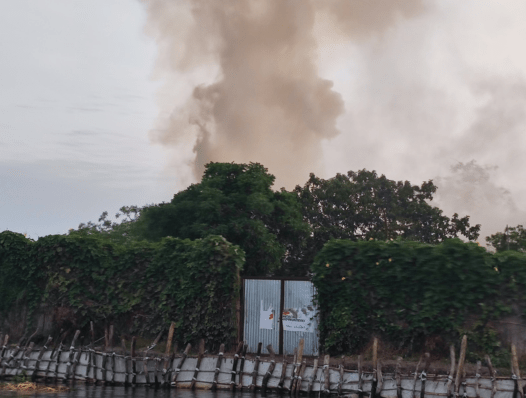
Jonglei State, SOUTH SUDAN (May 3, 2025) – Médecins Sans Frontières (MSF) strongly condemns the deliberate bombing of its hospital in Old Fangak, South Sudan. The attack began at around 4:30am when two helicopter gunships first dropped a bomb on the MSF pharmacy, burning it to the ground, then went on to fire on the town of Old Fangak for around 30 minutes. At around 7am, a drone bombed the Old Fangak market. There have been at least seven deaths and 20 injured.

Mamman Mustapha, MSF Head of Mission in South Sudan, said “At 8am, we received around 20 wounded people at our hospital in Old Fangak, including four in a critical condition. There are reports of more fatalities and wounded in the community. One patient and two care givers, including one of our staff, who were already inside the hospital were injured in the bombing – patients who were not in a critical condition, ran from the facility. The bombing of our hospital in Old Fangak has resulted in significant damage, including the complete destruction of the pharmacy, which was burned to the ground. This is where all our medical supplies for the hospital and our outreach activities were stored, severely compromising our ability to provide care.”

We strongly condemn this attack, which took place despite the geolocations of all MSF structures, including Old Fangak Hospital, being shared with all parties to the conflict
Mamman Mustapha, MSF Head of Mission in South Sudan

“Old Fangak Hospital is the only hospital in Fangak county, serving a population of over 110,000 people who already had extremely limited access to healthcare. We are still assessing the full extent of the damage and the impact on our ability to provide care, but this attack clearly means people will now be even further cut-off from receiving life-saving treatment. We call on all parties to the conflict to protect civilians and civilian infrastructure – this includes health workers, patients and health facilities. Hospitals must never be targeted and the lives of civilians must be protected.”

This is the second time an MSF hospital has been impacted since in the past month, following the armed looting of our hospital and premises in Ulang, Upper Nile state on April 14, which led to the entire population of Ulang county being cut off from accessing secondary health care.

Facebook
Twitter
LinkedIn
WhatsApp
Print

The first 100 days of a growing global health and humanitarian emergency

The first 100 days of a growing global health and humanitarian emergency

New York, April 24, 2025—Three months since the Trump administration first suspended all international assistance pending review, the US has terminated much of its funding for global health and humanitarian programs, dismantled the federal government architecture for oversight of these activities, and fired many of the key staff responsible for implementation. Patients around the world are scrambling to understand how they can continue treatment, medical providers are struggling to maintain essential services, and aid groups are sounding the alarm about exploding needs in countries with existing emergencies.

At Médecins Sans Frontières (MSF), we are actively engaged in the global fight against cholera. We run vaccination campaigns, educate communities, and improve access to clean water, sanitation services and provide hygiene kits. And of course, we treat patients with cholera in our treatment centres during outbreaks.

These sudden cuts by the Trump administration are a human-made disaster for the millions of people struggling to survive amid wars, disease outbreaks, and other emergencies. We are an emergency response organization, but we have never seen anything like this massive disruption to global health and humanitarian programs. The risks are catastrophic, especially since people who rely on foreign assistance are already among the most vulnerable in the world.
Avril Benoît, CEO of Doctors Without Borders/Médecins Sans Frontières (MSF) in the United States

The US has long been the leading supporter of global health and humanitarian programs, responsible for around 40 percent of all related funding. These US investments have helped improve the health and well-being of communities around the globe—and totaled less than 1 percent of the annual federal budget.


Abruptly ending this huge proportion of support is already having devastating consequences for people who rely on aid, including those at risk of malnutrition and infectious diseases, and those who are trapped in humanitarian crises around the world. These major cuts to US funding and staffing are part of a broader policy agenda that has far-reaching impacts for people whose access to care is already limited by persecution and discrimination, such as refugees and migrants, civilians caught in conflict, LGBTQI+ people, and anyone who can become pregnant.


The status of even the much-reduced number of remaining US-funded programs is highly uncertain. The administration now plans to extend the initial 90-day review period for foreign aid, which was due to conclude on April 20, by an additional 30 days, according to an internal email from the State Department obtained by the media.


MSF does not accept US government funding, so we are not directly affected by these sweeping changes to international assistance as most other aid organizations are. We remain committed to providing medical care and humanitarian support in more than 70 countries across the world. However, no organization can do this work alone. We work closely with other health and humanitarian organizations to deliver vital services, and many of our activities involve programs that have been disrupted due to funding cuts. It will be much more difficult and costly to provide care when so many ministries of health have been affected globally and there are fewer community partners overall. We will also be facing fewer places to refer patients for specialized services, as well as shortages and stockouts due to hamstrung supply chains.


Amid ongoing chaos and confusion, our teams are already witnessing some of the life-threatening consequences of the administration’s actions to date. Most recently, the US administration canceled nearly all humanitarian assistance programs in Yemen and Afghanistan, two countries facing some of the most severe humanitarian needs in the world. After years of conflict and compounding crises, an estimated 19.5 million people in Yemen—over half the population— are dependent on aid. The decision to punish civilian populations caught in these two conflicts undermines the principles of humanitarian assistance.


Across the world, MSF teams have witnessed US-funded organizations reducing or canceling other vital activities–including vaccination campaigns, protection and care for people caught in areas of conflict, sexual and reproductive health services, the provision of clean water, and adequate sanitation services.

It’s shocking to see the US abandon its leadership role in advancing global health and humanitarian efforts. US assistance has been a lifeline for millions of people–while yanking this support will lead to more preventable deaths and untold suffering around the world. We can’t accept this dangerous new normal. We urge the administration and Congress to maintain commitments to support critical global health and humanitarian aid.
Avril Benoît, CEO of Doctors Without Borders/Médecins Sans Frontières (MSF) in the United States

How US aid cuts are impacting people worldwide

Malnutrition

US funding cuts are severely impacting people in areas of Somalia affected by chronic drought, food insecurity, and displacement due to conflict. In the Baidoa and Mudug regions, the scaling down of operations by aid organizations—driven by US funding cuts and a broader lack of humanitarian aid—is making a shortage of health services and nutrition programs even more critical. For example, the closure of maternal and child health clinics and a therapeutic feeding center in Baidoa cut off monthly care to hundreds of malnourished children. MSF nutrition programs in Baidoa have reported an increase in severe acute malnutrition admissions since the funding cuts. The MSF-supported Bay Regional Hospital has received patients traveling as far as 120 miles for care due to facility closures elsewhere.

HIV

Cuts to PEPFAR and USAID have led to suspensions and closures of HIV programs in countries including South Africa, Uganda, and Zimbabwe—threatening the lives of people receiving antiretroviral (ARV) therapy. South Africa's pioneering Treatment Action Campaign—which helped transform the country’s response to HIV/AIDS—has had to drastically reduce its community-led monitoring system that helps ensure that people stay on treatment. The monitoring is now only happening at a small scale at clinics. In MSF’s program in San Pedro Sula, Honduras, there has been a 70 percent increase in pre-exposure prophylaxis (PrEP) tablet distribution from January to March compared to the previous quarter, as well as an increase of 30 percent in consultations for health services, including for HIV—highlighting the growing demand as USAID funding cuts reduce access to other HIV prevention services.

Outbreaks

In the border regions across South Sudan and Ethiopia, MSF teams are responding to a rampant cholera outbreak amid escalating violence—while other organizations have scaled down their presence. According to our teams, a number of organizations, including Save the Children, have suspended mobile clinic activities in South Sudan’s Akobo County due to US aid cuts. Save the Children reported earlier this month that at least five children and three adults with cholera died while making the long, hot trek to seek treatment in this part of South Sudan. With the withdrawal of these organizations, local health authorities are now facing significant limitations in their ability to respond effectively to the outbreak. MSF has warned that the disruption of mobile services, combined with the reduced capacity of other actors to support oral vaccination campaigns, increases the risk of preventable deaths and the continued spread of this highly infectious disease.

Sexual and reproductive health care

MSF teams in more than 20 countries have reported concerns with disrupted or suspended sexual and reproductive health (SRH) programs, which MSF relies on for referrals for medical emergencies, supplies, and technical partnerships. These include contexts with already high levels of maternal and infant mortality. In Cox’s Bazar, Bangladesh—home to one of the world’s largest refugee camps—MSF teams report that other implementers are not able to provide SRH supplies, like emergency birth kits and contraceptives. Referrals for medical emergencies, like post-abortion care, have also been disrupted, increasing urgent needs for SRH care in the region.

Migration

Essential protection services—including shelters for women and children, legal aid, and support for survivors of violence—have been shuttered or severely reduced as needs increase due to changes in US immigration policy. For patients and MSF teams in areas like Danlí, San Pedro Sula, Tapachula, and Ciudad de México, referral networks have all but disappeared. This has left many migrants without safe places to sleep, access to food, or legal and psychosocial support.

Access to clean water


In the initial weeks following the aid freeze, our teams saw several organizations stop the distribution of drinking water for displaced people in conflict-affected areas, including in Sudan’s Darfur region, Ethiopia's Tigray region, and Haiti's capital, Port-au-Prince. In response to the crisis in Port-au-Prince, in March, MSF stepped in to run a water distribution system via tanker trucks to provide for more than 13,000 people living in four camps for communities displaced by violent clashes between armed groups and police. This was in addition to our regular activities focused on providing medical care for victims of violence. Ensuring access to clean drinking water is essential for health and preventing the spread of waterborne diseases like cholera.

Vaccination

The reported decision by the US to cut funding to Gavi, The Vaccine Alliance, could have disastrous consequences for children across the globe. The organization estimated that the loss of US support is projected to deny approximately 75 million children routine vaccinations in the next five years, with more than 1.2 million children potentially dying as a result. Worldwide, more than half of the vaccines MSF uses come from local ministries of health and are procured through Gavi. We could see the impacts in places like the Democratic Republic of the Congo (DRC), where MSF vaccinates more children than anywhere else in the world. In 2023 alone, MSF vaccinated more than 2 million people in DRC against diseases like measles and cholera.

Mental health

In Ethiopia’s Kule refugee camp, where MSF teams run a health center for more than 50,000 South Sudanese refugees, a US-funded organization abruptly halted mental health and social services for survivors of sexual violence and withdrew their staff. MSF teams provide other medical care but cannot currently cover the mental health and social services these patients need.

Non-communicable diseases

In Zimbabwe, US funding cuts have forced a local provider to stop its community outreach activities to identify women to be screened for cervical cancer. Cervical cancer is the leading cause of cancer-related death in Zimbabwe, even though it is preventable. Many women and girls—especially in rural areas—cannot afford or do not have access to diagnosis and treatment, which makes outreach, screening, and prevention activities vital.

Facebook
Twitter
LinkedIn
WhatsApp
Print

Gaza: MSF documents Israel’s all-out war against Palestinians

Gaza: MSF documents Israel’s all-out war against Palestinians

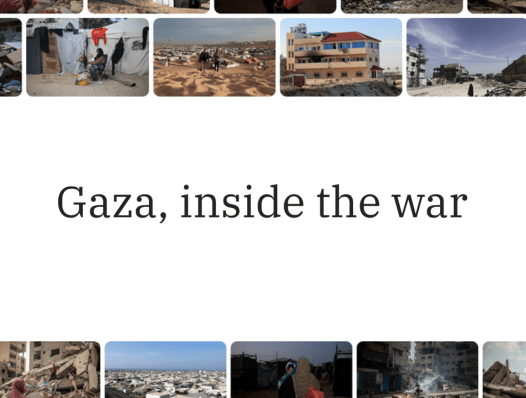
On 18 March 2025, the Israeli authorities ended a two-month ceasefire by resuming their massive and indiscriminate bombing of the Gaza Strip and imposing a full siege, killing hundreds of people in just a few weeks. With gazainsidethewar.com, Médecins Sans Frontières (MSF) extensively documents this total war waged by Israeli forces since October 2023, which has destroyed the very conditions of life in Gaza. This platform brings together information and testimonies collected by MSF teams between 7 October 2023 and 1 February 2025, and more specifically documents attacks on the health system and humanitarian workers that MSF teams witnessed and suffered. 

Israel’s war on Gaza has so far killed more than 51,000 Palestinians, wounded more than 116,000 and displaced approximately 90 per cent of the population of Gaza. The dismantling of essential civilian infrastructure including healthcare facilities, as well as the siege and systematic denial of humanitarian assistance, have destroyed the very conditions for life in Gaza. 

MSF’s firsthand observations of the medical and humanitarian catastrophe inflicted on Gaza are consistent with descriptions of ethnic cleansing and genocide provided by an increasing number of legal experts and organizations.  

Independent investigations must be conducted to determine the facts and responsibilities behind the repeated attacks on civilians and the medical mission.

Israeli authorities must end the siege on Gaza and open critical land borders, including the Rafah crossing, to ensure the delivery of humanitarian and medical aid on a massive scale.

Forced displacement must end. People in Gaza must be allowed to move freely, including returning to their places of origin, and restore their livelihood capacities. Israeli authorities must facilitate the evacuation of those who need specialised care and the exit of those who seek refuge outside of Gaza, while ensuring their right to a safe, voluntary, and dignified return. 

MSF calls on States, particularly Israel’s closest allies, to end their unconditional support for Israel and fulfill their obligation to prevent genocide in Gaza. States must leverage their influence to alleviate the suffering of the population and enable a massive scale-up of humanitarian assistance in the Gaza Strip. 

Gaza: No relief, no chance of recovery for burn patients

Gaza: No relief, no chance of recovery for burn patients

A burn injury is more than just a wound—it is a prolonged sentence of suffering and even more so in the Gaza Strip, Palestine. Many people have extensive burns covering large portions of their bodies—some as much as 40 per cent of their total body surface. After over 19 months of attacks by Israeli forces that have decimated Gaza’s healthcare system, patients suffering burns from bomb explosions and improvised cooking methods are left with few options for care. As Israeli authorities maintain the siege on Gaza, blocking access to basic aid, medical and life-saving supplies, many patients are left to endure excruciating pain with limited or no relief.

In August 2024, 17-year-old Tayseer Mansour was badly burned all over his body in an Israeli strike that hit his house killing his mother and injuring his father and brothers. He is being treated by Médecins Sans Frontières (MSF) teams at Nasser hospital in Khan Younis, southern Gaza.

“I was severely injured with third degree burns. I’ve been in the inpatient department for more than 150 days now. I can’t move my hands anymore, it’s very painful,” says Mansour. “I can’t eat on my own or do much of anything else. This has had a big impact on me. I hope I will recover.”

Since Israeli forces resumed hostilities on 18 March, MSF teams have seen an increase in the number of patients with burn injuries – most of them children. In April, in the MSF-run Gaza City clinic in the north of the Strip, MSF teams are seeing an average of over 100 patients with burns and injuries a day. At Nasser hospital, the largest functioning hospital left in Gaza, MSF teams provide care for burn patients. Since May 2024, MSF teams working in Nasser hospital have provided over 1,000 surgical operations to burn patients, 70 per cent of which have been children, most under the age of five. Many of these children were burned by bomb blasts and others by boiling water or fuel used for cooking or heating in makeshift shelters.

Severe burns require complex and long-term care, including multiple surgeries, daily wound dressing changes, physiotherapy, pain management, psychological support, and a sterile environment to prevent infection. However, after 50 days of no supplies entering Gaza due to the blockade, MSF teams are running low on even basic painkillers, leaving patients without adequate pain relief. At the same time, since the beginning of the war, only very few surgeons in Gaza have the ability to manage complex burn care plastic surgery.

Children scream as we are forced to peel burnt fabric from their skin. They beg us to stop but if we don’t remove the dead tissue, infection and sepsis can lead to death. Without enough medical supplies, and with too many patients needing care for burn injuries, we are not able to provide proper care. We are merely delaying inevitable infections.
Dr Ahmad Abu Warda, MSF medical activity manager working at Nasser Hospital

While burn patients require a high level of healthcare, they also need over double the number of daily calories to heal properly. With no food entering Gaza, patients are surviving on insufficient amounts of food, jeopardising their recovery.

“The conditions in Gaza are extremely difficult. There is no healthy food, meat or proper nutrition,” says Mansour.

Our patients’ bodies are consuming themselves to close wounds that never heal. Tayseer has been in the hospital for eight months. In normal conditions, he would have healed in three. But with no food, no pain relief, no clean water—he’s stuck in a cycle of graft failures, infection, and despair.
MSF Surgeon

Since December 2024, MSF teams working in the MSF-run Gaza City Clinic and field hospital in Deir al-Balah, as well as Nasser hospital have provided over 6,518 burn dressings. Yet, nearly half of these patients have not returned for follow-up care. As of April 24, over half of functioning health facilities in Gaza are located in areas under evacuation orders, according to OCHA, making healthcare almost inaccessible to patients and staff.

Facebook
Twitter
LinkedIn
WhatsApp
Print

Sudan: MSF warns of the impact of the rainy season in Darfur

Sudan: MSF warns of the impact of the rainy season in Darfur

Darfur’s rainy season, from June to September, is a critical period when food supplies dwindle, and malnutrition and disease outbreaks surge. This annual challenge has become even harsher since the war began in April 2023 between the Sudanese Armed Forces and the Rapid Support Forces. For two years, relentless violence has created the world’s worst humanitarian crisis, displacing about 13 million people.

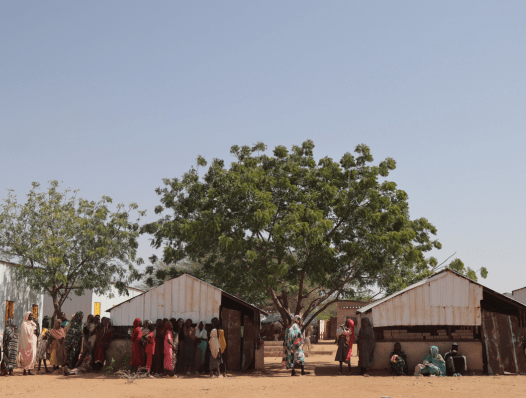
In West, Central, North, and South Darfur, where MSF operates, displaced individuals share horrific stories of fleeing with nothing but the clothes on their backs. Their basic needs for shelter, food, clean water, and healthcare remain unmet. The humanitarian response is faltering as warring parties block aid, insecurity grows, and rain expected to wash away critical roads. Last year, floods destroyed roads around Mornei bridge, a vital link for aid from Chad. With the rainy season approaching, these roads will soon be impassable again.

MSF calls on both warring parties to prepare for the rainy season by reinforcing routes and infrastructure and lifting bureaucratic barriers. Institutional donors must fulfil their funding pledges to enable humanitarian actors to stock supplies before the rains start. There is no time to waste.

Samuel Sileshi, MSF’s Emergency Coordinator for Darfur.

The people of Sudan can’t wait any longer.

Facebook
Twitter
LinkedIn
WhatsApp
Print

World Immunization Week: Cholera Vaccination and Protection Measures

World Immunization Week: Cholera Vaccination and Protection Measures

Cholera is a dangerous infectious disease that spreads rapidly, particularly in areas with poor water supply and sanitation. Every year, millions of people become infected with cholera. However, a vaccination can significantly reduce the risk of infection and provide long-lasting protection.


At Médecins Sans Frontières (MSF), we are actively engaged in the global fight against cholera. We run vaccination campaigns, educate communities, and improve access to clean water, sanitation services and provide hygiene kits. And of course, we treat patients with cholera in our treatment centres during outbreaks.

Learn more about Cholera

What is Cholera?

Cholera is an acute bacterial infection caused by Vibrio cholerae. It spreads mainly through contaminated water and food – especially in regions with limited access to clean drinking water and inadequate hygiene infrastructure.

Spread of Cholera

Cholera occurs worldwide, with the highest numbers of cases in regions with poor water systems and sanitation. According to the World Health Organization (WHO), up to 4 million people are infected with cholera every year, and up to 140,000 die from its consequences. (See: https://www.who.int/health-topics/cholera)

The disease is particularly prevalent in parts of Africa, Asia, and Latin America. In humanitarian emergencies such as conflict zones or after natural hazards, the risk of outbreaks increases significantly – as people are often crowded together without access to clean water.

Course of the disease and possible consequences

Symptoms of cholera can appear within just a few hours and up to a few days after infection. The disease is characterised by severe watery diarrhoea, which can lead to extreme dehydration, circulatory collapse, and – if left untreated – death.

However, with early treatment using oral rehydration solutions or intravenous fluids, over 99 per cent of patients recover fully.

In our medical projects, we operate specialised cholera treatment centres to care for infected patients and help stop the spread of the disease. These centres are structured to ensure isolation and safe care.

In acute emergencies, our teams can set up these treatment centres within days to respond quickly to outbreaks.

Cholera vaccination

The cholera vaccination is a proven and effective tool for preventing infection. It is administered orally and is considered a live vaccine. The WHO recommends the vaccine for people living in endemic areas or travelling to high-risk regions.

After two doses, the vaccine provides around 85% protection, which remains at approximately 60% after three years. In outbreak situations, a single dose may be administered to protect as many people as possible quickly.

Vaccination protection and side effects

The cholera vaccination is generally well tolerated. As with any vaccination, mild side effects may occur – such as stomach discomfort, nausea or diarrhoea.

In rare cases, patients may experience headaches or mild abdominal cramps. People with weakened immune systems or children under one year of age should speak to a GP before receiving the vaccine.

There is currently no useful replacement for the vaccination – the oral vaccine remains the most effective protection.
The World Health Organization strongly supports broader access to cholera vaccination, especially in crisis zones where outbreaks are common and health systems are overwhelmed.

We work closely with the WHO to coordinate vaccination efforts and improve access to vaccines. However, vaccine production remains a major challenge: demand often exceeds supply, particularly in emergencies. Global stock is kept at a level to respond to epidemics, but to not allow preventive campaigns.

Access to the cholera vaccine


Access to the vaccine is especially limited in humanitarian crises. In many cases, vaccines cannot be produced or delivered quickly enough. Logistical hurdles, such as disrupted supply chains or lack of refrigeration, further complicate vaccination campaigns, especially in remote areas.

A limited number of manufacturers and high production costs add to the global supply shortage.

Affordability is also an issue. In Austria, the cholera vaccine costs around 70 euros. While prices vary by country and provider, they remain out of reach for many people worldwide.

We advocate for better distribution and more flexible vaccination strategies, working with governments and the WHO to improve access to vaccines for all.

Our cholera vaccination campaigns around the world

MSF is active worldwide in the fight against cholera. In 2023 alone, our teams supported the administration of over 36,000 cholera vaccinations in various countries.

In addition, we treated more than 70,000 cholera patients and distributed clean water to help prevent further infections.

Beyond emergency care, we work closely with local authorities to develop long-term solutions, including better access to clean water and improved hygiene infrastructure. In many of our project areas – such as in Lebanon, where alongside the routine immunizations we offer at our clinics, last year, MSF teamed up with Lebanon’s Ministry of Public Health to carry out a mass preventative cholera vaccination campaign in Arsal.

Nearly 30,000 people were vaccinated, including both Lebanese residents and refugees living in overcrowded, underserved areas.

Facebook
Twitter
LinkedIn
WhatsApp
Print

Sudan: Desperate situation for Zamzam displaced people

Sudan: Desperate situation for Zamzam displaced people

Sudan – 18 April 2025 – Following the Rapid Support Forces’ (RSF) large-scale ground offensive on Zamzam camp that started on 11 April, hundreds of thousands of people have joined the communities already besieged and deprived of lifesaving aid in El Fasher, the neighbouring capital city of North Darfur. 25,000 more reached Tawila further west, where overwhelmed MSF teams are currently expanding activities to cope with the most pressing medical needs. We are making an urgent appeal to put an end to the siege and the atrocities, to deliver humanitarian aid, including by airdropping food and medicines to El Fasher if necessary, and to allow those who wish to flee to do so safely.

The RSF and their allied armed groups stormed Zamzam, Sudan’s largest displacement camp, which used to host at least 500,000 people near El Fasher, after months of an increasingly tight siege on the area. By 16 April, the camp, by then largely destroyed, was reportedly under RSF control. The majority of the Zamzam population is believed to have fled to El Fasher, where they remain trapped, out of reach of humanitarian aid and exposed to ongoing attacks and further mass violence.

While MSF in Tawila saw over 25,000 people arriving from Zamzam and nearby areas between 12 and 15 April, displaced people are now arriving more sporadically and at great risk for their lives along the way. Our teams set up a health post at the entrance of Tawila to provide the new arrivals with water and immediate nutritional and medical support. We refer critical cases to the local hospital where we have been working since last October. About 1,600 patients so far have required emergency outpatient services, mainly because of severe dehydration.

We are treating children who were literally dying of thirst on their journeys. We have received so far over 170 people with gunshot and blast injuries and 40 per cent of them are women and girls. People tell us that many injured and vulnerable people could not make the trip to Tawila and were left behind. Almost everyone we talk to said they lost at least one family member during the attack.
Marion Ramstein, MSF project coordinator in Tawila

Horrific reports emerge from Zamzam camp, where hundreds of people are estimated to have been killed. Fighters were said to be going door-to-door, shooting people hiding in their homes and burning large parts of the camp. Casualties include eleven staff from the humanitarian organisation Relief International, which was running the only remaining clinic in the camp after MSF suspended all its activities in Zamzam in February due to escalating violence and blockades.

We urge the Rapid Support Forces and all armed groups in the area to spare and protect civilians and ensure that those who want to flee can do so without further harm. States and diplomatic actors must use their leverage to translate hollow statements into concrete actions. There have been repeated warnings from the UN and many observers about the risks of mass killings and ethnic violence in El Fasher and the surroundings displacement camps, mostly inhabited by people from the non-Arab Zaghawa and Fur ethnic groups, while most of the RSF fighters and their allies originate from Arab tribes.

After two years of a catastrophic war on people met by neglectful indifference, it remains inconceivable to simply resign ourselves to the current collective failure to provide vital assistance where it’s most needed. MSF and several other actors are launching emergency interventions in Tawila, but much more is needed in terms of water, food, medical care and shelter. 

A massive humanitarian response is needed, now more urgently than ever. If the roads to El Fasher are blocked, then air operations must be launched to bring food and medicines to the estimated one million people trapped there and being starved. A scaled-up response is also needed in Tawila, where some of the survivors are being received and local capacities are overwhelmed.
Rasmane Kabore, MSF head of mission in Sudan
Facebook
Twitter
LinkedIn
WhatsApp
Print

Gaza: A “mass grave” for Palestinians and those helping them

Gaza: A “mass grave” for Palestinians and those helping them

JERUSALEM – As Israeli forces resume and expand their military offensive by air, ground and sea on the Gaza Strip, Palestine, forcibly displacing people and deliberately blocking essential aid, Palestinian lives are once again being systematically destroyed, warns Médecins Sans Frontières / Doctors Without Borders (MSF). A series of deadly attacks by Israeli forces have shown a blatant disregard for the safety of humanitarian and medical workers in Gaza. We call on Israeli authorities to immediately lift the inhumane and deadly siege on Gaza, protect the lives of Palestinians, humanitarian and medical personnel, and for all parties to restore and sustain the ceasefire.

“Gaza has been turned into a mass grave of Palestinians and those coming to their assistance. We are witnessing in real time the destruction and forced displacement of the entire population in Gaza.” says Amande Bazerolle, MSF emergency coordinator in Gaza. “With nowhere safe for Palestinians or those trying to help them, the humanitarian response is severely struggling under the weight of insecurity and critical supply shortages, leaving people with few, if any, options for accessing care.”

Gaza has been turned into a mass grave of Palestinians and those coming to their assistance. We are witnessing in real time the destruction and forced displacement of the entire population in Gaza.
Amande Bazerolle, MSF emergency coordinator in Gaza.

Over 50,000 people have been killed since October 2023, nearly a third of whom are children, according to the Ministry of Health. Since the resumption of hostilities on 18 March, more than 1,500 people have been killed, according to local authorities.

According to the United Nations, at least 409 aid workers, most of whom were UNWRA staff, the main provider of humanitarian aid in Gaza, have been killed since October 2023. Eleven MSF colleagues, some while on duty, have been killed since the start of the war, including two in just the past two weeks.

In the latest instance of a ruthless attack by Israeli forces on aid workers, the bodies of 15 emergency responders and the ambulances they were traveling in were found in a mass grave on 30 March in Rafah, southern Gaza. The group was killed by Israeli forces while trying to assist civilians caught in shelling on 23 March. Recent publicly shared evidence has shown that the workers and their vehicles were clearly marked and identifiable, challenging the initial claims given by Israeli authorities. 

“This horrific killing of aid workers is yet another example of the complete disregard shown by Israeli forces for the protection of humanitarian and medical workers. The silence and unconditional support of Israel’s closest allies further emboldens these actions,” says Claire Magone, General Director of MSF France. 

MSF considers that only international and independent investigations can bring to light the circumstances of, and the responsibilities for, these attacks on aid workers.

This horrific killing of aid workers is yet another example of the complete disregard shown by Israeli forces for the protection of humanitarian and medical workers. The silence and unconditional support of Israel's closest allies further emboldens these actions.
Claire Magone, General Director of MSF France

Although the situation has already been catastrophic for over 18 months, over the past three weeks, MSF has witnessed several incidents involving the killing of humanitarian and medical workers. The coordination of humanitarian movements with Israeli authorities, known as the Humanitarian Notification System (HNS), an already imperfect mechanism, has become more unreliable and is now barely affording any protection guarantees. Notified locations, in which humanitarians have informed Israel of their presence, such as health facilities where we work, compounds of humanitarian stakeholders, and MSF offices and guesthouses have been hit by shells or bullets. Areas near healthcare facilities have been subjected to strikes, fighting and evacuation orders.

Medical facilities are not exempt from attacks and evacuation orders by Israeli forces. MSF teams have had to leave many facilities, while others continue operating with staff and patients trapped inside, unable to leave safely for hours at a time. On 7 April, MSF teams and patients found themselves trapped in the MSF field hospital in Deir Al-Balah, central Gaza. Rockets were launched by Hamas in close proximity to our field hospitals in Deir Al-Balah endangering both patients and staff and leading to an evacuation order of the area by Israeli forces, who also carried out strikes near the compounds of Al Aqsa and Nasser hospitals. We strongly denounce these actions by the warring parties and call on them to respect and protect healthcare facilities, patients and medical staff.

Since March 18, MSF has not been able to return to Indonesian hospital in northern Gaza where our teams were set to begin pediatric care but had to flee the field hospital, which was set up right next to the compound. MSF mobile clinics in North Gaza were suspended, and in the south, teams have been unable to return to Al-Shaboura clinic in Rafah.

The full siege on Gaza has depleted food, fuel and medical stocks. MSF is especially facing shortages in medications for pain management and chronic illnesses, antibiotics and critical surgical materials. The lack of fuel replenishment across the Strip will lead to the inevitable suspension of activities as hospitals rely on generators for electricity to keep critical patients alive and conduct lifesaving operations.

“Israeli authorities have deliberately blocked all aid from entering Gaza for over a month. Humanitarians have been forced to watch people suffer and die while carrying the impossible burden of providing relief with depleted supplies, all while facing the same life-threatening conditions themselves,” explains Bazerolle. “There is no way they can carry out their mission under such circumstances. This is not a humanitarian failure — it is a political choice, and a deliberate assault on a people’s ability to survive, carried out with impunity.”

Israeli authorities must end their collective punishment of Palestinians.

We urge Israel’s allies to end their complicity and stop enabling the destruction of Palestinian lives.

Sudan’s two years of war: What to know about the world’s largest humanitarian crisis

Sudan’s two years of war: What to know about the world’s largest humanitarian crisis

Sudan – 15 April 2025 – The war in Sudan between the Rapid Support Forces (RSF) and the Sudanese Armed Forces (SAF) enters its third year and people remain unseen, bombed, besieged, displaced and deprived of food, medical care and basic lifesaving services. 60 percent of the country’s 50 million people need humanitarian assistance, according to the UN, and people are facing simultaneous health crises and limited access to public health care.

Médecins Sans Frontières reiterates its calls on the warring parties and their allies to ensure that civilians, humanitarian personnel, and medical teams are protected and that all restrictions are removed on the movements of humanitarian supplies and staff, especially as the rainy season fast approaches.

The warring parties are not only failing to protect civilians — they are actively compounding their suffering. Wherever you look in Sudan, you will find needs — overwhelming, urgent, and unmet. Millions are receiving almost no humanitarian assistance, medical facilities and staff remain under attack, and the global humanitarian system is failing to deliver even a fraction of what’s required.
Claire San Filippo, MSF Emergency Coordinator

Impact of the War

Indiscriminate Bombing

As frontlines have shifted over the course of the war, especially in Khartoum and Darfur, civilians feared retaliatory attacks from both warring parties. For the past two years, both RSF and SAF have repeatedly and indiscriminately bombed densely populated areas. The RSF and allied militias have unleashed a campaign of brutality, including systematic sexual violence, abductions, mass killings, looting of aid, erasure of civilian neighbourhoods, and occupation of medical facilities. Both sides have laid siege to towns, destroyed vital infrastructure, and blocked humanitarian aid. 

Famine

Widespread starvation is taking hold, according to the UN, — Sudan is currently the only place in the world where famine has been officially declared in multiple locations. Famine was first declared in Zamzam camp, for internally displaced people, in August and has since spread to ten more areas. Seventeen additional regions are now on the brink. Without immediate intervention, hundreds of thousands of lives are at risk.  

In March MSF supported multi-antigen catch up vaccination campaigns for children under two in South Darfur.  The over 17,000 children, in 11 of the 14 localities, who received vaccinations were also screened for malnutrition showing 7% of those screened were suffering from severe acute malnutrition, with 30% with global acute malnutrition. In December 2024, during a therapeutic food distribution in Tawila locality, North Darfur, MSF teams screened over 9,500 children under five years old. They found a staggering 35.5% global acute malnutrition rate, with 7% of the children suffering from severe acute malnutrition.  

Multiple Health Emergencies

Simultaneously, Sudan is facing multiple, overlapping health emergencies. MSF teams have treated over 12,000 patients — including women and children — for trauma injuries directly resulting from violent attacks. During the first week of February 2025, MSF teams in three areas of Sudan - Khartoum, North Darfur, and South Darfur states - treated mass influxes of war-wounded patients. Sudan is also experiencing one of the worst maternal and child health crises we are seeing anywhere in the world. In October 2024, in two MSF-supported facilities in Nyala, capital of South Darfur, 26% of the pregnant and breastfeeding women seeking care were acutely malnourished. 

“Outbreaks of measles, cholera and diphtheria are spreading, driven by poor living conditions and disrupted vaccination campaigns. Mental health support and care for survivors of sexual violence remain painfully limited. These compounding crises reflect not just the brutality of the conflict, but the dire consequences of the crumbling public healthcare system and a failing humanitarian response”, says Marta Cazorla, MSF Emergency Coordinator. 

Since April 2023, more than 1.7 million people have sought medical consultations at hospitals, health facilities and mobile clinics MSF supports or is working in, and more than 32,000 people were admitted in our emergency wards. 

Displacement

More than 13 million people have been displaced by the conflict, according to the UN — many of them multiple times. Of these, 8.9 million remain displaced inside Sudan, while 3.9 million have crossed into neighbouring countries. Many live in overcrowded camps or makeshift shelters, without access to food, water, healthcare, or a sense of future. People depend entirely on humanitarian organizations — but only where these organisations are responding. 

Attacks on Health Facilities


According to the World Health Organization (WHO), more than 70 percent of health facilities in conflict-affected areas are barely operational or completely closed, leaving millions without access to critical care amid one of the worst humanitarian crises in recent history. Since the war began, MSF has recorded over 80 violent incidents targeting our staff, infrastructure, vehicles and supplies. Clinics have been looted and destroyed, medicines stolen, and healthcare workers assaulted, threatened or killed. 

Environmental Ramifications

The rainy season, fast approaching, threatens to make an already catastrophic situation even worse — severing supply routes, flooding entire regions, and cutting off people just as the hunger gap peaks and malnutrition and malaria spike.

Sudan Can't Wait!

Without a serious commitment to overcoming the political, financial, logistical and security barriers that hinder last-mile delivery, countless lives will remain beyond the reach of help.   
The people of Sudan have endured this horror for two years too long, they cannot and should not wait any longer. 

Facebook
Twitter
LinkedIn
WhatsApp
Print