Trapped & Abused: A Photo Story of Migrant Workers in Lebanon

Trapped & Abused: A Photo Story of Migrant Workers in Lebanon

In Lebanon, the term “El-Srilankiyye” (Arabic for “The Sri Lankan”) has historically been used to refer to migrant domestic workers—regardless of nationality—reflecting the origin of most workers arriving in the early 2000s. As migration patterns shifted, the term and“El-Ethiopiyye” (“The Ethiopian”) became more common.

These labels not only reduce individuals to their nationality but also reinforce the stereotype that people from these backgrounds are inherently domestic workers. More concerning is the implication that such work is somehow degrading, further marginalizing those who take on these essential roles.

When migrant workers in Lebanon share their stories with MSF staff, themes of racism and discrimination are prevalent. Their mistreatment and exploitation have been normalised to the point that even the most shocking stories have become recurrent.

Here, Mahi*, Ahmet*, Beatrice, Martha*, Makdes*, and Tigist*—five women who crossed paths with MSF teams in Beirut—share their stories.

*Names changed to protect identity

Ahmet*

Ahmet recounted the day she arrived in Lebanon from Bangladesh eight years ago. Her travel papers were arranged by an agency back home, and two people picked her up from the airport in Beirut. They claimed that they’d apply for residency for her but ran away with all of her money.

That’s when the reality hit her. She would not have a visa to live or work in Lebanon, she must have a sponsor whom she would most probably have to live with. She would not be free to choose the type of work that suits her and would have to go into housework. She was promised a better life in Lebanon but that quickly vanished out of sight.

Ahmet started taking odd jobs where she could find them, mainly ironing and dishwashing. Things looked up for her when her husband made the same journey into Lebanon a year and a half after her.

“My husband made good money working in a hotel, we were able to cover my [childbirth] delivery in a private hospital,” says Ahmet. “Around a year ago, he was arrested for not having a valid work permit. He spent four months in jail in Lebanon before he was deported to Bangladesh.”

Ahmet suffers from chronic heart problems which became worse after delivering her 2-year-old son. She went from doctor to doctor before they were able to diagnose her. Her medications are expensive and not available in any health centre. She struggles to buy them from the pharmacy, so her husband sometimes sends them from Bangladesh.

“Seeking health care while unemployed has been a challenge for me,” she said. “I am currently burning through our savings and accepting help from others to stay alive. I need health care expenses, rent, bills, milk, and diapers for my baby. This past year—without my husband and having lived through a war—has been very tough for me.”

Ahmet and her son live in a small rooftop apartment with seven other people. Her house is on the seventh floor so she can’t walk up and down the stairs easily.

“I have freedom, but I feel like I’m in prison. I don’t know anything about the outside world," she says. “My mind is constantly turning. I worry about everything. If my heart gives out, what will happen to my son?”
Beatrice

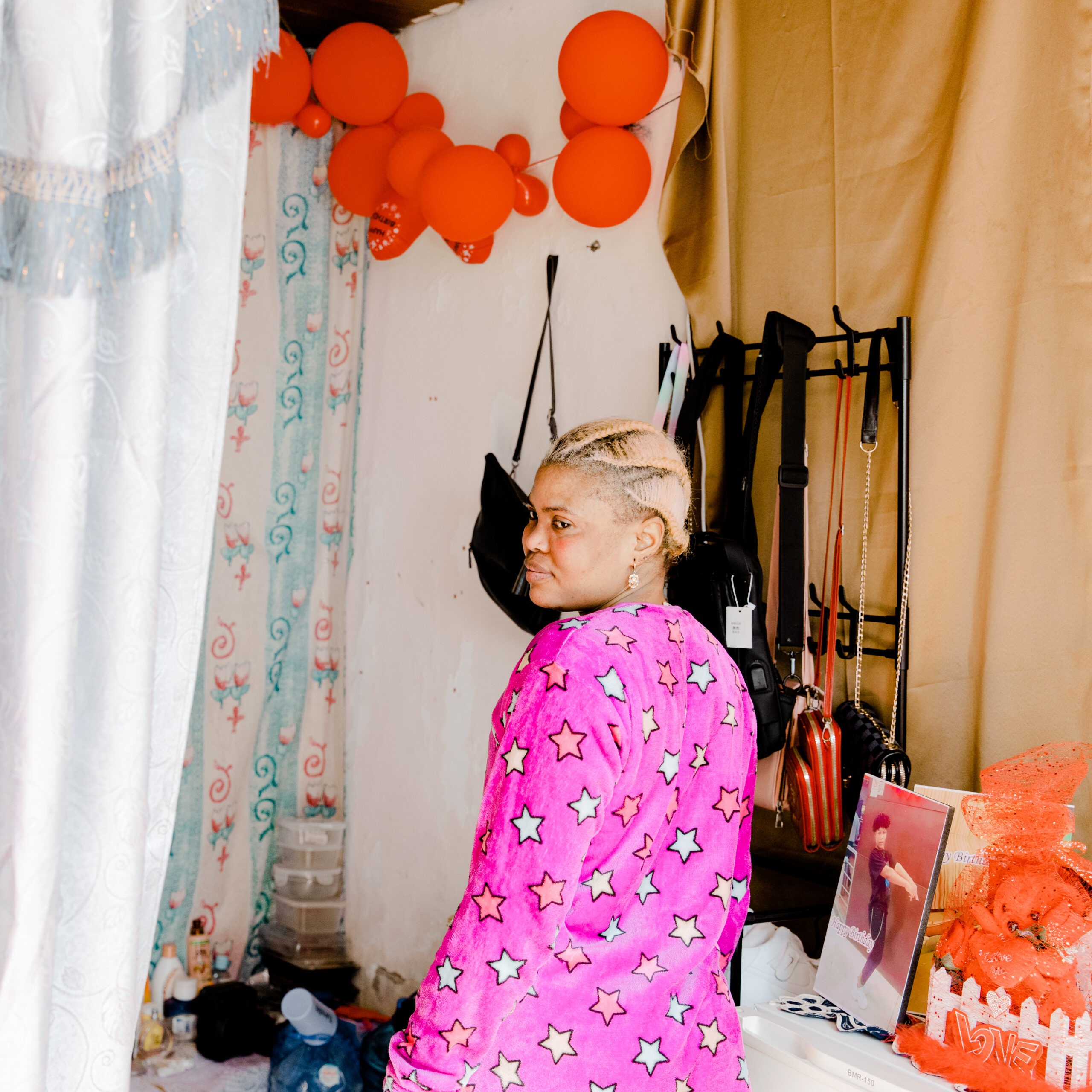
In the southern suburb of Beirut, Beatrice struggles to walk up the stairs leading to her house. On October 6, 2024, during the intense two-month Israeli bombardment of Lebanon, Beatrice was at work, cleaning a house. Her employer had locked her inside. She saw a bomb falling on a building close by, so she followed her instinct to jump from the balcony and run away. She broke both of her ankles and needed urgent medical attention.

At her house, she told her story over the sound of the Israeli reconnaissance drones, triggering memories of the day she was injured.

“At the first hospital they told me if I don’t have any money they will not attend to my condition,” says Beatrice. “My friends called an organisation to see if they can support me with the treatment. In the end, that organisation along with MSF covered [the cost of] my surgery, medication, and two-month recovery period at the hospital.”

Beatrice, 29, is from Sierra Leone. She came to Lebanon in 2022. Her two children live with her mother back home. She is the sole provider for her family, but much like other migrant workers in the country, she is overworked and underpaid. She can barely manage her own payments for basics like food and rent. The $50 US left of her paycheck is barely enough for her family to survive.

Beatrice spent her first three months in Lebanon living with her employer and their family. She was supposed to take care of three kids on top of cleaning three houses regularly.

Unfortunately, Beatrice hasn’t been able to work since her injury, and debts are piling up to pay for rent in a house that she shares with three other migrant women. Despite the tough situations she was put through, Beatrice likes being in Lebanon. Her dream is to have enough money to build an orphanage in Sierra Leone to help children get the shelter and education they deserve.

“I’m scared to get out of the house. Other than for work, I don’t go anywhere. If I face a problem this is not my country and my family can’t help me.”

“My employer would yell at me,” she said. “When one of the kids was acting up and I had to say no to him, she threatened to kill me. She used to say, ‘African kids are not like Lebanese kids’, but aren’t we all people, just with different skin colours?”
Martha*

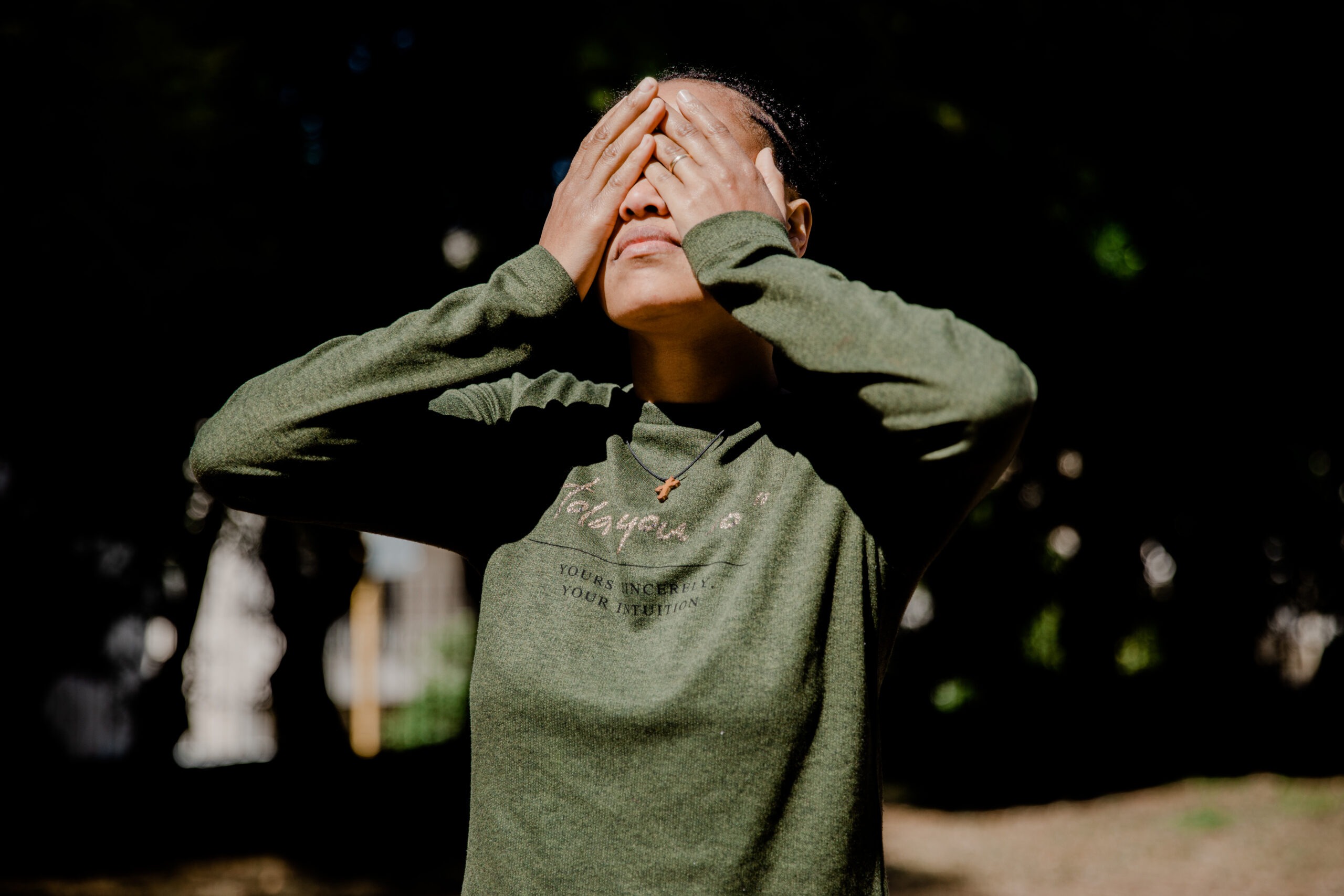
Originally from the Tigray region in Ethiopia, Martha moved to the capital Addis Ababa hoping to provide for her family. She was working in a hotel during the day and studying management at night. One day she lost her job, so she decided to travel to Lebanon.

A year and a half ago, directly after she arrived in Lebanon, her employer sent her to live with their elderly parents and their caregiver. For the three months she lived in that house, Martha endured sexual harassment from the caregiver, but no one believed her.

Even after she recorded a video of the harassment the perpetrator was not held accountable, and her experience was dismissed. She was then sent to live in her employer’s house along with other migrant workers.

“My employer would yell at me if I asked her for anything or asked her a question,” says Martha. “She mistreated me, often delaying paying me my salary. She did not believe I was experiencing sexual harassment. She even did not believe me when I told I her I was sick.”

Martha fell ill with severe kidney pain, and once again her pain was dismissed. At first, her employer refused to take her to a doctor. When a mediator tried to convince the employer that Martha was indeed sick, her response was, “She’s under my name [legally], she’s mine, I will take her wherever I want.” When Martha was no longer able to walk, she was finally taken to a doctor. She was supposed to go back to the doctor’s clinic for a follow-up, but the employer denied her that right and her sickness returned.

“The house was always guarded; I could not run away. I told my employer I needed to renew my passport, so she took me to the embassy, and I never went back. I’ve been in this shelter for a month now. I want to go back home.”

Despite the hardships she faced, 25-year-old Martha does not hold a grudge. “I have suffered, yes, but I say I learned from my experiences. I have not one dime on me, but at least I saved my family from going hungry. No matter what happens, I will always have love in my heart, which is what I like the most about myself,” she says.

MAKDES*

Makdes, 22, sits in the dining room of the shelter she has spent the last four months in. A broken door keeps slamming in the wind, and with each slam her heart drops and she jumps in her seat.

When Makdes and her family were saving up money to start their own project in Ethiopia, the money they had was not enough. She knew people working in Lebanon, so she decided to make the same journey hoping to earn enough money to support her family.

The first family she lived with in Lebanon made her work under impossible conditions. “In my culture, you have to be offered food to eat,” said Makdes. “But they never cared or even asked if I’ve eaten.” It was a big family who would all eat together, and Makdes was supposed to clean before and after each meal on an empty stomach. “For the 15 days I spent in that house, I would wait until everyone was asleep to sneak some bread or an orange. I was living on scraps.”

For the last three days of working there, she was bedridden with exhaustion. Her employer locked her up in her room since she didn’t “want” to work. After that, they took her to the agency that brought her into the country, and she was matched with another family.

Unfortunately, her experience with the second family was tougher for her. Her employer would always yell at her, slap her hand to “teach” her tasks, and scare her for fun.

Makdes recounts, “My second employer always scared me. She would tell me ‘Look how they discarded their migrant worker, I will do the same to you’. During the war, she would make me watch news of airstrikes on television and threaten to dump me in the targeted areas. She constantly swore at me and humiliated me.”

That employer refused to allow her to call home, claiming “she’s just a maid, she shouldn’t be spoiled.” She forbade Makdes from wearing the clothes she brought from home. She even forced her to go to the bathroom and cut a significant length of her hair without her consent.

“My hair was long. My employer cut my hair multiple times without my permission. I’m scared of what my family back in Ethiopia will think. In my culture, this means I’ve had an affair or worse. I will have a very bad reputation.”

After all she’s been through, Makdes just wants to go back home. She sought the help of her embassy and she’s awaiting repatriation at the shelter. “In Ethiopia, I was never scared of anything. After my time in Lebanon, I jump at the simplest incident. Now, when I get scared or nervous, my heart starts beating so fast until I lose consciousness.”

TIGIST*

Tigist has been a migrant worker for more than a decade. When she was just 14 years old, she migrated from Ethiopia to Sudan hoping to support her family. After spending five years there working in a restaurant, she wasn’t making any money anymore, so she headed to Lebanon.

At just 19 years of age, Tigist spent four months living with the family of her employer. She was allowed a small amount of food and water and only after many hours of working hungry and thirsty. She was given sandwiches that her employer forced her to eat quickly so that she could continue working. She was denied any rest periods or days off—so she ran away.

After that, Tigist pursued freelance work as a cleaner, which means she was not under any contract. With no sponsor she was at risk of being arrested and deported.

Tigist is now 30 years old, having spent 11 years in Lebanon. Around five years ago, she fell in love with a Sudanese man and married him. All she hoped for was a companion, a support system. But after she delivered their now 2-year-old son, her husband became abusive, especially when drunk. He would beat and mistreat her regularly, until one day he kicked her and their son out of the house, and so they became homeless.

Tigist had hoped to see better days if she settled down, now she hopes her son sees better days where his needs are met and she doesn’t feel helpless. She’s spent the past six months in the embassy shelter. She just wants to go home.

“I want to open my own restaurant in Ethiopia if I manage to have enough money. I haven’t seen my father in a really long time, I really miss him. I hope to provide the best life for my son. I work hard and never give up or give in to hardships.”

“I haven’t been able to support myself and my son,” said Tigist. “We rely on external help, from the embassy or organisations. No one is giving me any work because I can’t take my son with me. I feel scared and abandoned, as if having a baby is a fault. Everyone gave up on me after I delivered my child. This world doesn’t see us [migrant workers] as human.”

Photos were taken by photographer Myriam Boulos.

Myriam Boulos was born in 1992 in Lebanon. At the age of 16, she started to use her camera to get closer to reality. She graduated with a master’s degree in photography from the Lebanese Academy of Fine Arts in 2015. She has taken part in both national and international collective exhibitions, including Close Enough at ICP, New York; Infinite Identities at Huis Marseille, Amsterdam; and Troisième Biennale des Photographes du Monde Arabe, at l’Institut du Monde Arabe, Paris.

Her work has been published in Aperture, FOAM, Time, GQ Middle East, Vogue Arabia, and Vanity Fair France, among other publications. In 2020, Myriam co-founded and became the photo editor of Al Hayya, a bilingual magazine that publishes literary and visual content on the works, interests and strife of women in her region. In 2021, she joined Magnum as a nominee. In 2023, her book What’s Ours was published by Aperture and she was awarded the W. Eugene Smith Fellowship.

Facebook
Twitter
LinkedIn
WhatsApp
Print

Trapped and abused: migrant workers’ experiences in Lebanon

Trapped and abused: migrant workers’ experiences in Lebanon

Mahi* was forced to sleep on the balcony even during winter. Martha* was sexually harassed—but no one believed her. Beatrice has to answer to another name. Makdes* was subjected to verbal, physical, and psychological abuse. These are just some of the experiences migrant workers have disclosed to Médecins Sans Frontières (MSF) medical and mental health teams in Lebanon’s capital Beirut.

An estimated 176,500 migrants are living in Lebanon[1]—about 70 percent are women. Most emigrated from Asian and African countries, predominantly Ethiopia, Bangladesh, and Sudan. Almost half of the migrants in Lebanon are domestic workers, which means they live with their employers, often in very challenging environments.

MSF runs a clinic in Bourj Hammoud, a northern suburb of Beirut that serves as a hub for many vulnerable communities in Lebanon, including migrants, due to its affordable housing, proximity to major public transport stations, and vibrant community spaces, including markets and diverse religious spaces. While the clinic’s services are open to all, the majority of our patients are from migrant communities.

[1] The International Organisation for Migration (IOM)

Joygom and Sujon, migrants from Bangladesh, waiting to receive consultations in the Bourj Hammoud clinic. Copyright Myriam Boulos/Magnum

Often people have chosen to leave their home country in search of a better life but find themselves trapped in a system that excludes them from the laws that protect other workers’ rights. It can rob them of their choices, rights, and even their voice.

Migrant workers come to Lebanon through the kafala sponsorship system. Under this system—which at its worst is described by human rights activists and organisations as amounting to “modern-day slavery[2]”—migrant domestic workers are overworked and underpaid or not paid at all, often given no breaks or days off. Our teams have witnessed the serious implications these conditions have on migrant workers’ health.

The stories we hear in our clinic intersect in many ways. The sponsor often takes away their employee’s agency as well as their legal documents. Migrant workers who live with their employers -almost exclusively women- are isolated from the world, sometimes denied their right to communicate with anyone outside of the household, including their families back home. If they want to leave, migrant domestic workers can only be matched with another family or allowed to go back to their home countries if the sponsor consents.

Many women decide to leave the houses they’re confined in, but it is not always possible. Some find support within the migrant communities, but many are left homeless, without legal documents, and in need of urgent assistance. Should they choose to go back to their country, they might not have the resources for arranging their paperwork or even buying a flight ticket. Some choose to stay in Lebanon despite the hardship because they have nowhere to go, or simply because they need to feed their families.

[2] Human Rights Watch

Nada Bassem, MSF registrar, speaking to Kumari, a migrant from Sri Lanka, to log in her information in her medical file. Copyright Myriam Boulos/Magnum

Migrants’ access to health care in Lebanon is severely limited. Under kafala, an employer can deny women their right to seek health care. Other migrants not bound by kafala are frequently turned away from hospitals and primary health care centres, either for not having legal documents or simply because they’re not Lebanese. Some of them even avoid seeking hospital care altogether, fearing they will be turned away, deported, or asked for money, which can further complicate their medical conditions. 

At the MSF clinic in Bourj Hammoud, our teams are responding to migrants’ medical needs, offering primary health care consultations, sexual and reproductive health services, and mental health services, including psychiatric consultations. We also have been covering the cost of referrals for hospitalisation in life-threatening cases, including for psychiatric emergencies. 

In 2024, psychiatric consultations in the Bourj Hammoud clinic have doubled compared to the previous year. This highlights the huge mental health needs among migrant communities. Migrant workers are often dehumanised, subjected to racism and discrimination, and exposed to physical and sexual abuse. All this has deep repercussions on their psychological wellbeing.
Elsa Saikali, MSF Mental Health Supervisor

One of the challenges facing migrants in Lebanon is the language barrier, which further limits their ability to access health care. They’re obliged to sign documents and converse in Arabic to survive, which is why at MSF’s clinic, things are done differently. 

“We’re one of the rare  organisations in Lebanon offering translations to migrants during mental health sessions,” says Elsa Saikali. “What makes our clinic special is the presence of community health educators for patients. They are MSF staff from the migrant communities who facilitate patient bonding, build trust, and make sure the patient is properly informed about their health status”. 

Migrant communities in Lebanon have needs that span beyond medical care. It’s difficult to tell patients to take care of their mental health if they’re experiencing homelessness or unable to feed themselves. This is where the role of our social workers comes in. 

“My job is to refer patients to services that are beyond MSF’s ability to respond to,” says Hanan Hamadi, MSF social worker at the Bourj Hammoud clinic. “The patients who come to me have the most basic needs, such as shelter, food items, and cash assistance. I refer them to other organisations offering these services.” 

Michelle Saad, MSF midwife, and Zahra Nasrallah, MSF nurse, working in their offices in Bourj Hammoud clinic. Copyright Myriam Boulos/Magnum

Migrants’ socio-economic situations were exacerbated during the recent Israeli war in Lebanon. Many migrants have disclosed to MSF teams that they were abandoned by displaced families, leaving them on the streets or locking them up in their houses in war-affected areas. 

During that period, migrant community leaders helped MSF teams reach the migrants most in need of assistance in overcrowded shelters and apartments, where we donated essential relief items and delivered medical care through a mobile clinic. 

Other programs targeting migrants in Lebanon run by local and international organisations have reduced over the years—some only operating for a limited period, leaving a gap in resources for migrants once they close. 

It is getting increasingly difficult to refer our patients to other organisations offering assistance to migrants in Lebanon. This is due to the scarce funding allocated to programs supporting migrants and the defunding or closure of others. This is not a recent issue, as it’s been happening for a while.
Hanan Hamadi, MSF Social Worker at the Bourj Hammoud Clinic

One of the biggest challenges MSF teams in Lebanon are facing is the referral of patients for hospitalisation, including for psychiatric emergencies. Organisations with scarce funding might stop covering hospitalisation for migrants. Should these organisations scale down their support for hospitalisation, MSF alone cannot cover the gap, and many people’s needs will go unmet.

*Names have been changed.

Facebook
Twitter
LinkedIn
WhatsApp
Print

Yemen: MSF ends a 12-year trauma surgical intervention in Aden

Yemen: MSF ends a 12-year trauma surgical intervention in Aden

Since the intensity of conflict has decreased in Aden, Yemen, and the subsequent reduction of people facing violence-related trauma, Médecins Sans Frontières (MSF) has concluded our 12-year project at the Aden Trauma Centre (ATC). We will now refocus our activities in Aden to provide medical care for people’s most pressing needs.

Providing advanced trauma care amidst war

Over the past 12 years, MSF teams in Aden have treated and rehabilitated thousands of people severely injured by the war in Yemen, providing more than 65,000 emergency consultations and close to 68,000 surgical procedures. Most patients suffered from open fractures, burn injuries, or sustained injuries from gunshots and explosives.

As the conflict in Yemen deepened during the battle for Aden in 2015, activities at the ATC intensified. During this time, while the centre treated a mass influx of patients with severe war wounds, our teams also ran advanced emergency post and surgical mobile clinics in the city to stabilise war-wounded individuals and improve their chances of survival.

The ATC has been the only specialised acute trauma hospital in the area and served as an epicentre for treating patients. Some of our patients came from very far places, sometimes traveling for days in difficult conditions to seek free medical care.
Olivier Marteau, MSF Deputy Head of Mission in Yemen

In 2018, following the Hodeidah offensive, MSF teams increased the hospital’s capacity from 86 to 104 beds to respond to another influx of war-wounded patients.

In 2020, conflict escalated in southern Hodeidah, while the hospital in Aden was receiving a high workload of severe polytrauma cases that required specialised, intensive and multidisciplinary care.

Originating from Abyan, a governate neighbouring Aden, he was referred to Aden for a serious gunshot wound. At the ATC, he received colostomy surgery, which saved his life.

“The gunshot wound was severe; I never thought I would be alive today,” says Ryadh. “When I got to the hospital, I was in excruciating pain. The doctors reassured me that I would be fine. Despite a few complications with the colostomy, I am grateful for my life today and for the medical support I received,” he says.

To reduce the constant and high pressure for the medical, logistic and operational teams at the ATC, in 2018 MSF opened a trauma field hospital in Mocha, a city located between Hodeidah and Aden, as conflict escalated on the west coast of Yemen.

From April to August 2020, the ATC received 493 patients from the frontlines on the western coast, mostly injured by gun shots, landmines or bombing. Around 20 ambulances per day were transporting patients from Hodeidah and the surrounding area to Aden, a six-hour drive to reach lifesaving healthcare.
Olivier Marteau, MSF Deputy Head of Mission in Yemen

Aden, a six-hour drive to reach lifesaving healthcare.”

The opening of Mocha hospital released the intense pressure on the ATC and allowed patients to be treated more quickly. On the other hand, it also enabled the ATC to focus on more complex cases, and expand its admission criteria, including road-traffic accidents, other trauma-related injuries, as well as COVID-19 cases.

Running the only COVID-19 centre for southern Yemen

After the first case of COVID-19 was confirmed in April 2020 in Yemen, MSF opened the first and only dedicated treatment centre for the whole of southern Yemen. For months, our teams faced immense challenges in facilitating the entrance of supplies and medical equipment, while the disease spread very quickly.

“In the first weeks, we received hundreds of patients. Many arrived at the centre already suffering from acute respiratory distress syndrome,” says Dr Youssef Nagwan, who has been working with MSF in Aden since 2015. “Our teams were working around the clock to provide the best treatment we could, but we were overwhelmed.”

In 2021, our teams saw a dramatic influx of critically ill COVID-19 patients requiring hospitalisation in Aden. After six years of war, Yemen’s healthcare system was crippled and the capacity to treat people in intensive care was limited. MSF started to provide support to the COVID-19 treatment centre in Al Sadaqa Hospital, with the support of the Ministry of Public Health and Population.

Refocusing activities to meet new medical needs

In 2023, there was a further decline in political violence in Yemen, which dropped to the lowest level since the start of the current conflict in 2015, with Ansar Allah and the Internationally Recognized Government (IRG) maintaining an unofficial truce since the end of the UN-mediated truce in October 2022.

As a result, our teams in Aden saw a decrease in conflict-related trauma cases, while treating an increasing number of patients injured by domestic and road accidents.


MSF is now assessing the medical gaps and priority needs in Aden in coordination the Ministry of Health. In 2025, MSF aims to refocus its activities in Aden to provide new medical services for people most in need.

***

The new medical activity is under assessment and will be presented to the Ministry of Health in the second half of 2025. This transition period allows for renovations that MSF will undertake in the hospital. In the meantime, MSF, as a humanitarian organization with expertise in emergencies and crises, remains fully prepared to intervene and respond to any medical emergencies that may arise.   

The medical and humanitarian needs in Aden and across Yemen remain high. MSF is committed to the needs of people in Yemen, where we have been working since 1986. Today, MSF teams work in 13 hospitals across 13 governorates, providing support to more than 12 health facilities across the country.

Facebook
Twitter
LinkedIn
WhatsApp
Print

Syria: MSF opens emergency room in Daraya

Syria: MSF opens emergency room in Daraya

After 14 years of war, Syria has been left with large-scale destruction, massive displacement, economic hardship and a lack of basic services, including healthcare. In response, international medical organisation Médecins Sans Frontières/Doctors Without Borders (MSF) has started planning how best to meet people’s needs in areas where its teams were unable to work previously, including major cities and under-served rural regions where people’s humanitarian needs are significant and often overlooked. This includes Daraya, southwest of Damascus, where MSF has set up an emergency room and supports a primary healthcare centre.
Almost everywhere our teams have visited, the scars of war are evident – entire neighbourhoods destroyed, with little effort put into reconstruction and minimal investment in restoring basic services. Daraya, a suburb in the outskirts of the city, stood out in particular. Large-scale destruction, entire areas flattened – yet, people are coming back, determined to rebuild their lives.
Mostafa Khatab, MSF project coordinator for Damascus

After the government of Bashar Al-Assad collapsed in December 2024, thousands of people have returned to their homes, but they face massive challenges, says Khatab, including land contaminated from leftover weapons and explosives, job shortages, economic struggles, and a lack of access to clean water and healthcare services.

Daraya’s hospital, for example, was heavily damaged, and restoring it would require significant investment – something unlikely to happen in the near future. This means that the only real option for emergency and secondary medical care is in Damascus city centre, where services are already under significant strain. The only functioning health centre in Daraya operates at a very limited capacity, offering just vaccinations, malnutrition treatment and basic medications for chronic diseases.
Mostafa Khatab, MSF project coordinator for Damascus

In response, MSF started running activities in Daraya in March in partnership with the Directorate of Health. After renovating the health centre, the team is providing basic healthcare, including outpatient consultations, mental healthcare and sexual and reproductive healthcare, led by a doctor and a midwife. MSF and the Directorate of Health have also opened a 24/7 emergency room to provide urgent basic care for people with trauma injuries, and have established a referral system to hospitals in Damascus for patients needing more specialist care. All MSF’s services are free of charge.  

Consultation numbers at the health centre have increased steadily with over 1000 patients treated in the outpatient services since MSF started supporting in March. More and more patients are coming for sexual and reproductive healthcare – services which were previously very limited in Daraya.

At the emergency room, the medical team has provided 308 consultations and referred 24 patients for specialist care in just two weeks.

“The opening of Daraya emergency room clearly marks a decisive turning point in access to healthcare for the people of Daraya,” says MSF medical referent Jethro Guerina. “I witnessed one father shedding tears of relief after his 10-year-old son received six stitches in the head following an accident at home after the medical team told him he didn’t have to pay money for treatment,” Guerina recalls. “He told me: ‘I have no memory of ever not having to pay for treatment.’”

Facebook
Twitter
LinkedIn
WhatsApp
Print

MSF in Lebanon in 2024: A year of emergency response and humanitarian impact

MSF in Lebanon in 2024: A year of emergency response and humanitarian impact

Médecins Sans Frontières (MSF) expanded activities in Lebanon following the intensification of Israeli bombardments and ground incursions in September 2024.  Here is our year in review. The war in Lebanon erupted in September 2024 amid an ongoing economic crisis, in which people were already struggling to obtain medical care. In 2024, nearly one million people were displaced from their homes, while two million required urgent humanitarian aid.

MSF has been active across Lebanon since 1976, running clinics providing treatment for non-communicable diseases, paediatric and reproductive healthcare and mental health services. From September 2024, we scaled up our operations to respond to the needs of people affected by the war.

Responding to emergencies and providing life-saving medical care across Lebanon

In Tripoli, north Lebanon, we subsidised treatment for non-communicable diseases, trained medical staff and donated medicines. By mid-2024, we had integrated reproductive and mental health services into Al-Makassed healthcare centre in Wadi Khaled, in Akkar governorate.

In Beirut’s southern suburbs, our clinics in Bourj Al-Barajneh and Bourj Hammoud provided reproductive healthcare, mental health support and general consultations to the local community, including Palestinian and Syrian refugees, as well as migrant workers from sub-Saharan Africa and southeast Asia.

In Baalbek-Hermel, we offered basic and reproductive healthcare, treatment for chronic diseases and mental health support through clinics in Arsal and Hermel. We also facilitated emergency referrals for specialised care. In August, we partnered with Lebanon’s Ministry of Public Health to conduct a cholera vaccination campaign in Arsal, focusing on overcrowded refugee communities.

Following the escalation in Israeli bombardments and ground incursions in September, MSF sent 22 mobile medical teams to heavily affected areas, including Beirut, Mount Lebanon, Baalbek-Hermel and Akkar, to deliver trauma care and mental health services and support healthcare centres. We strengthened hospitals’ capacity by conducting mass-casualty training and supplying tonnes of medical and relief materials.

In Saida, South Lebanon, we supported the Turkish hospital by donating medical supplies and assisting the surgical team. We also launched a telephone helpline to offer remote mental health support. These efforts were crucial as health facilities were unable to cope with the rising number of casualties and the destruction of their infrastructure.

In addition to these medical activities, we distributed hygiene kits, blankets, mattresses and water to the shelters for displaced people, and supplied hot meals for hundreds of families during the months of war.

After the November ceasefire, many displaced people returned to destroyed homes. Others were too afraid to return. Access to healthcare remains extremely limited, due to widespread damage to infrastructure and unaffordable costs. The war has been particularly devastating for healthcare staff and facilities. The World Health Organization reported that 226 health workers and patients were killed, and 199 injured, between 7 October 2023 and 18 November 2024.[1]

At the end of 2024, MSF continued to provide vital medical care and support to communities facing ongoing economic hardship and insecurity.

[1] Lebanon: a conflict particularly destructive to health care

Facebook
Twitter
LinkedIn
WhatsApp
Print

Gaza: Critical medical supplies running out one month into deadly Israeli imposed siege

Gaza: Critical medical supplies running out one month into deadly Israeli imposed siege

Shortage of medication is forcing MSF teams to dress wounds with no pain relief and ration essential medicines. Israeli authorities must end collective punishment of people in Gaza.

Jerusalem – A month-long siege imposed by Israeli authorities in Gaza, Palestine, means some critical medications are now short in supply and are running out, leaving Palestinians at risk of losing vital healthcare, warns Médecins Sans Frontières (MSF). As Israeli forces continue to bomb the Gaza Strip, depriving people of basic needs, including food, water, and medicines may lead to a high number of health complications and deaths. MSF calls on Israeli authorities to immediately cease the collective punishment of Palestinians, end their inhumane siege of Gaza, and to uphold their responsibilities as an occupying power to facilitate humanitarian aid at scale.

For over a month, no aid or commercial trucks have entered Gaza, marking the longest period since the start of the war without any trucks entering the Strip and on 2 March, Israeli authorities imposed a complete siege of Gaza. On 9 March they cut the electricity, needed to power water desalination plants. This total blockade of aid and electricity has deprived people of most basic services, amounting to collective punishment.

The Israeli authorities have condemned the people of Gaza to unbearable suffering with their deadly siege. This deliberate infliction of harm on people is like a slow death; it must end immediately.
Myriam Laaroussi, MSF emergency coordinator in Gaza

The siege has forced MSF teams to start rationing medications such as pain killers, providing less effective treatment or turning patients away. Teams are also running out of surgical supplies such as anaesthetics, paediatric antibiotics and medicines for chronic conditions like epilepsy, hypertension and diabetes. As a result of rationing, our teams in some primary health care clinics conduct wound dressings for injured people without providing them with any pain relief.

In addition, MSF teams are no longer able to donate blood bags to Nasser hospital due to a lack of stock, while the influxes of patients war-wounded by relentless Israeli attacks continue.

The lack of soap and clean water for people means in primary health care clinics across the Strip, our teams are seeing an increase of people with skin conditions. In February, MSF teams treated 565 cases of skin conditions at the Al Hekker clinic in Deir Al Balah and 1,198 cases at the Al Attar clinic in Khan Younis. Just in two weeks in March, the number of cases at Al Hekker had already reached 437—nearly 80 percent of February’s total—while at Al Attar, 711 cases had been treated, almost 60 percent of the number seen in February.

The blockade has left MSF teams unable to provide medication to treat skin conditions, just small amounts of lotion to alleviate the pain. Skin conditions like scabies require treatment for the entire family to prevent spread and reinfection, but without medications and clean water this is impossible.

For people with non-communicable diseases, such as hypertension and diabetes, the consequences of the lack of treatment may lead to severe complications, such as permanent disabilities and in some cases even death. Since the blockade, we have only been able to give patients medication to cover their needs for seven to 10 days.

“I don’t have any blood pressure medication left. My son searched for two days and couldn’t find any,” explains Sobheya Al-Beshiti, a patient of the MSF clinic in Al Attar, Khan Younis. “What can I do? Stay without treatment? If I don’t take my blood thinner, my nose starts bleeding, and I start coughing blood.”

During the Muslim holy month of Ramadan and Eid, patients in MSF clinics are reporting weight loss and lack of access to proper food.

“Right now, my blood levels are low, and my weight is also low. There aren’t enough food supplies to help me gain weight or increase my blood levels,” explains a pregnant mother in an MSF clinic in Mawasi, Khan Younis. “The rising prices are a huge problem in the city: people simply cannot afford to buy necessities because of how expensive everything is.”

Facebook
Twitter
LinkedIn
WhatsApp
Print

Gaza: Amongst the rubble of a shattered ceasefire water becomes another weapon of war

Gaza: Amongst the rubble of a shattered ceasefire water becomes another weapon of war

JERUSALEM – In Gaza, Palestine, in the midst of a shattered ceasefire and more deaths, another tactic of war is playing out as Israeli authorities essentially block access to water by cutting electricity and fuel from entering Gaza, warns Médecins Sans Frontières (MSF) / Doctors Without Borders. As Israeli forces continue to rain down bombs on the Strip, MSF calls for the ceasefire to be immediately restored and for Israeli authorities to allow electricity to flow, along with the entry of aid, including fuel, and water and sanitation supplies, to avoid further loss of life.

“With a new onslaught of bombings that have killed hundreds of people in just a few short days, Israeli forces continue to deprive people in Gaza of water by shutting off electricity and blocking fuel from entering – resources that are necessary for water infrastructure including the running of water pumps,” says Paula Navarro, MSF water and sanitation coordinator in Gaza. “For those who have endured relentless bombings, the suffering is made worse by a water crisis—many are forced to drink unsafe water, while others don’t have enough.”

Amidst the violence, if fuel runs out, the remaining water system will completely collapse, and all but cut off people’s access to water, leading to inhumane consequences for the millions of people who remain inside Gaza. Along with injuries and deaths from the fighting and bombing, access to safe water is having consequences on people’s living conditions and their health. In Al Mawasi and Khan Younis primary healthcare centres the three most common conditions treated by MSF, jaundice, diarrhoea and scabies, are directly caused by inadequate provision of safe water.

“The sheer number of children with skin conditions is a direct result of Gaza’s destruction and blockade,” says Chiara Lodi, MSF medical team coordinator in Gaza. “In addition to treating adults and children who have severe war injuries, our staff are treating an increasing number of children with entirely preventable skin diseases like scabies, which is not only uncomfortable, but in severe cases, sees them scratch their skin until it bleeds which can lead to infection. This is a result of children being unable to bathe, spreading scabies and other infections, leaving lasting scars.”

Even prior to missile strikes from Israeli forces earlier in the week that shattered the 2 month long ceasefire, Israel blocked all entry of aid into Gaza. As a result, humanitarian efforts to restore Gaza’s water system remain severely obstructed and delayed by Israel authorities’ “dual-use” pre-clearance system. Most water and sanitation supplies require pre-approval,

including chlorine, essential spare parts for water desalination units, generators, borehole pumps, and water tanks.

“Restrictions by Israeli authorities have made it near impossible to restore a functioning water system,” says Navarro. “Water production relies on energy, yet new generators over 30 kilowatts are not permitted to enter. We’re forced to ‘Frankenstein’ generators—salvaging parts from one to fix another.”

MSF continues to call on Israeli authorities to lift its inhumane siege on Gaza, uphold international humanitarian law and its responsibilities as an occupying power, and to ensure an immediate and unhindered access of aid into the Strip.

GAZA’S WATER CRISIS AT A GLANCE

· Even before the latest attacks, Gaza’s water crisis, already dire due to Israeli cuts to electricity and water and the destruction of infrastructure, worsened after Israel’s authorities’ cut aid from entering Gaza on March 2 and on March 9 cut electricity. The main desalination plant in Khan Younis reduced output from 17 million to 2.5 million liters per day.

· From January to February 2025, MSF teams conducted over 82,000 primary health care consultations, almost a fifth of those related to conditions linked to lack of water and hygiene, including scalp infections and skin conditions such as scabies.

· Between January and mid March2025, MSF produced over 2 million of clean water and distributed over 36 million liters. Since the ceasefire, MSF started distribution in northern Gaza, including Jabalia camp, where aid was blocked for months.

· From January 2024 to early March 2025, of the 1,700 water and sanitation items requested by MSF under the dual-use system, only 28 percent were approved by Israeli authorities. Many items are in bureaucratic limbo, with responses from authorities averaging up to 60 days—some exceeding 200. Even approved supplies can still be turned away at border crossings. In November 2024, Israeli authorities approved an MSF desalination unit after an 85-day wait. However, despite weekly attempts since 5 February, the unit still hasn’t entered Gaza, as the trucks carrying it continue to be turned away at the border.

Miscarriage or Delivery complications: Pregnant Women’s Fate in Darfur

Miscarriage or Delivery complications: Pregnant Women’s Fate in Darfur

With only a few health facilities still functioning in Darfur, pregnant women face harrowing journeys to seek care. Insecurity, checkpoints, and unaffordable or unavailable transportation force them to undertake day-long treks by foot or donkey, often resulting in delivery complications, miscarriage or death.

Médecins Sans Frontières operates in ten out of Sudan’s 18 states and has been witnessing the grave toll that the war has taken on women and their health in Darfur and across the country.

In West and Central Darfur, many women who live in remote areas from urban centres give birth at home, relying on traditional methods. The scarcity of health care facilities, the distance they have to travel, the insecurity on the road and the price of transportation, often result in women seeking healthcare only after they face complications, putting both their lives and the lives of their newborns at great risk. According to the World Health Organization (WHO), more than 70% of health facilities in conflict-affected areas like Darfur are barely operational or completely closed, leaving millions without access to critical care amid one of the worst humanitarian crises in recent history.

“One mother gave birth at home, and couldn’t remove the placenta, then she was bleeding, so they rushed her to the hospital”, recalls Wendemagegn Tefera Benty, Project Medical Referent (PMR) at Zalingei hospital in Central Darfur. “The family had to carry her and after one day of walking, when they reached, she had already passed away because of the bleeding”.

The ongoing war in Sudan has a profound impact on the health of pregnant women and their babies, particularly in terms of preterm deliveries. It left people unemployed and disrupted access to food and clean water. As a result, many pregnant women arrive at hospitals malnourished, which directly affects the health of their babies, often leading to preterm birth and malnourishment. After these babies are born, they are frequently admitted to observation units to ensure their survival and well-being.

“The biggest difficulty is how to manage to bring food to my children. I was working a lot when I was pregnant and that is maybe why my baby was born weak. Access to healthcare was also difficult but MSF helped”, said a 35-year-old maternity patient at Murnei hospital, in West Darfur.

The MSF-supported Zalingei hospital is the only referral hospital available for secondary healthcare activities for an estimated 500,000 people. There is no other health facility managing deliveries in the area. In the operation theatre at Zalingei, MSF teams perform over 40 emergency caesarean section operations per month.

Thirty-five-year-old Afaf Omar Yahya experienced severe abdominal pain in her home as her pregnancy was about to come to term. Due to the lack of transportation in Darfur, she had no choice but to travel for hours on a donkey to reach Zalingei hospital. Upon her arrival, the doctor informed her she had suffered a miscarriage, and she needed to undergo an emergency caesarean section. “Losing the baby was the greatest heartbreak for me”, Afaf said while recovering at the maternity ward.

Women from across Darfur share similar experiences but the situation shows no signs of improvement. “Most of the complications we receive are caused by post-home delivery and anaemia during pregnancy” said Virginie Mukamiza, Midwife Activity Manager at Zalingei hospital.

Pregnant women seek medical care when they have post-partum bleeding or sepsis. “Most health facilities in Darfur are now mere empty buildings. There’s no staff, no medications, nothing at all. Before the war, people had access at least to primary health care centres near their homes. Now they have to rely on big hospitals that are far away”, Osanatu Sento Bangura, MSF Midwife Activity Manager at MSF-supported Murnei hospital in West Darfur. Many of these situations could be prevented with antenatal consultations and adequate referral systems from primary care facilities, but most of them have been either out of service since the onset of the war or rely on humanitarian aid, which is widely unavailable, to deliver services.

After 12 days from giving birth at home, Sameera visited the Romalia mobile clinic, in a remote area of West Darfur, to have both her baby and herself checked. Upon arrival, she was running a high fever and had infected wounds in her arm. Following the home delivery, she had experienced terrible abdominal pain. Her brother gave her an injection to bring down her temperature but injured her arm. She was in pain and couldn’t hold her baby properly. After conducting several tests, MSF teams at the clinic discovered the infection in her arm. They promptly disinfected and dressed the wound and prescribed a treatment.

The war’s far-reaching effects threaten to trap women and girls in a never-ending cycle of malnutrition, declining health, and maternal death.

MSF reiterates our call to drastically scale-up the provision of life saving humanitarian aid and access to healthcare in Darfur. Warring parties must grant unhindered access for aid delivery and ease the obstacles that are preventing the civilian population of reaching healthcare. The full engagement of donors must be ensured to increase a sustained funding to boost the humanitarian response.

New wave of violence in Ituri puts civilians at further risk

New wave of violence in Ituri puts civilians at further risk

KINSHASA – Médecins Sans Frontières/Doctors Without Borders (MSF) has witnessed a renewed spike in atrocities in eastern Democratic Republic of Congo (DRC)’s Ituri province, where its medical teams are providing care for civilians with horrific injuries. In a new report released today, “Risking Their Lives to Survive,” MSF underscores the extreme needs of many communities endangered by recent attacks, increased displacement and reduced humanitarian aid.

For decades, people in Ituri – in the northeast of DRC – have been both direct targets and treated as collateral damage in a complex conflict characterized by violence, ethnic divisions, and the participation of various armed groups. This conflict has also greatly hampered access to healthcare and the means for families to feed themselves, while the restricted provision of humanitarian aid has caused further suffering among a population that already gets little international attention.

MSF calls on all state and non-state armed groups in Ituri to spare civilians as well as healthcare facilities, which are sanctuaries essential to the survival of local communities.

Violence in Ituri has displaced around 100,000 people since the beginning of the year, according to the UN.[1] In January and February alone, it also reported an intensification of violence against civilians, with attacks leaving more than 200 people dead and dozens injured. In February, MSF’s medical teams treated children as young as 4 and pregnant women for machete and gunshot wounds following militia attacks in Djugu territory.

“These most recent attacks follow decades of violence and its devastating consequences for civilians, including women and children in Ituri,” said Alira Halidou, MSF head of mission in DRC. “The crisis here is characterized by repeated displacement, in which violence forces civilians to pick up and start their lives over, again and again. What is worse, is that the stories patients and communities tell us represent only the tip of the iceberg.”

Hindering access to healthcare

Only a small proportion of people can access healthcare in Ituri, where health facilities also fall prey to attacks. In Djugu territory, the Fataki general hospital was obliged to suspend its activities and evacuate patients mid-March following armed group threats. This closure affects thousands of people left without access to medical care. In Drodro health zone, also in Djugu, nearly 50 per cent of healthcare centres have been partially or fully destroyed and have had to be relocated. When violence escalated this time last year, a patient was killed in her bed in an armed attack on Drodro’s general hospital.

Not only do these attacks make patients reluctant to go to medical facilities, but they also put medical staff at risk. One doctor interviewed for the report recounted how, when a health centre was forced to shut down for two months, he still went in to perform caesarean sections.

“It was dangerous and I was risking my life, but we didn’t have a choice,” said the doctor. “We had to sneak there with the women, otherwise they would have died.”

Targeting the most vulnerable

More than half of the 39 victims of violence MSF treated at Salama clinic, Bunia, up until mid-March 2025 were women and children. One mother, whose 4-year-old was injured, lost her 6-month-old baby and her husband during an attack wielded by machete. Two sisters aged 4 and 16 took machete blows to the head and arms, and their mother (8 months pregnant) was also severely injured by multiple machete wounds. We treated a 9-year-old boy with a gunshot wound to the abdomen who had witnessed assailants attack and kill his mother and two siblings, by machete.

When civilians seek refuge in displacement camps, they are still not safe. In one instance in September 2024, MSF treated five civilians with bullet wounds following an attack on Plaine Savo camp, in Fataki health zone.

When there is an upsurge in attacks against civilians, the number of victims of sexual violence coming to MSF facilities also increases. Women in particular face attack as they go out in search of means to feed themselves and their families. In Drodro, in 2023 and 2024, around 84 per cent of the victims of sexual violence treated by MSF were attacked while working in fields, collecting firewood or on the road.

Exacerbating unmet needs

Despite the efforts of the Ministry of Health, MSF and other humanitarian organisations, people’s needs very much exceed the resources available. Food insecurity worsened sharply in Ituri in 2024 and is now chronic for 43 per cent of the population. Poor hygiene conditions and dilapidated shelters in displacement camps mean that diarrhoeal and respiratory diseases spread easily, affecting children under 5 the most.

People in Ituri must be guaranteed safe access to healthcare and must not be forced to risk their lives in search of food and other needs.


MSF condemns Israeli strike on Nasser hospital in Gaza, calls for protection of health facilities

MSF condemns Israeli strike on Nasser hospital in Gaza, calls for protection of health facilities

Jerusalem – Médecins Sans Frontières (MSF) strongly condemns Israel’s strike on Nasser hospital in Khan Younis, southern Gaza, Palestine, which is the largest remaining functioning hospital in the Gaza Strip, where MSF teams work. 

On 23 March, Israeli forces targeted the hospital’s inpatient surgical department, killing two people, according to the Ministry of Health. MSF teams confirmed there were several people injured, one of which was admitted to our trauma unit, and that severe damage was done to the building. 

This attack shows a total disregard for the protection of medical facilities, endangered patients and medical staff and the very provision of healthcare. As Israeli forces escalate their operations in Gaza once again, MSF calls for the respect and protection of healthcare facilities, patients and medical staff in Gaza, where the health system has been all but destroyed. 

“Strikes such as these are horrific for staff and patients,” says Claire Nicolet, MSF head of emergencies in Gaza. “We cannot go back to repeated attacks on healthcare facilities when the health system in Gaza is already hanging by a thread, and no supplies have entered in weeks.”

While Gaza’s healthcare system has collapsed, and the medical needs of people continue to skyrocket, medical workers are yet again forced to fear for their lives while providing care. At Nasser hospital, two MSF colleagues, who were working in different hospital departments, described panic among patients at the time of the attack.

“The distance between us and the explosion was so close that we could’ve been hit too,” says an MSF nurse who works in another ward in Nasser hospital and was close by when the strike happened. “Our colleagues, medical staff, patients and their caretakers were all terrified.” 

During Israel’s war on Gaza, MSF has witnessed relentless attacks on health facilities, a complete disregard for patients, medical workers and International Humanitarian Law, resulting in the systematic dismantling of Gaza’s health system. Not a single hospital in the Gaza Strip is currently fully functional, and only 21 out of the enclave’s 36 hospitals are partially functioning, according to the World Health Organization.

As one of the last main hospitals in southern Gaza, Nasser hospital is providing care for people with severe burns and trauma injuries, newborns, and pregnant women. 

Since returning in mid-May 2024, MSF teams have been supporting the emergency, paediatric, and maternity departments at Nasser hospital, as well as running a burn and trauma unit. In February 2024, MSF teams were forced to flee after the hospital was shelled by Israeli forces.

Furthermore, Nasser hospital, as other health facilities in Gaza, is facing several challenges of supplies, including hygiene items, medication and surgical items, while Israeli authorities continue their siege on the Strip for over 20 days. Due to the numerous influxes of patients from recent bombings, MSF stocks are decreasing faster than expected, and the blockade is making it impossible for our teams to restock vital items such as antibiotics, painkillers and anaesthetics.

In a separate incident on 24 March, MSF teams in Al-Mawasi healthcare clinic were forced to close the emergency room, evacuate the facility and suspend activities for the day due to close-by shootings and shelling. Healthcare facilities, patients and medical staff must be protected.

MSF calls once again for the immediate restoration of the ceasefire and for the resumption of the entry of essential aid and basic supplies, which people in Gaza desperately need.