Nigeria: Overwhelming surge of malnutrition cases in Bauchi

Nigeria: Overwhelming surge of malnutrition cases in Bauchi

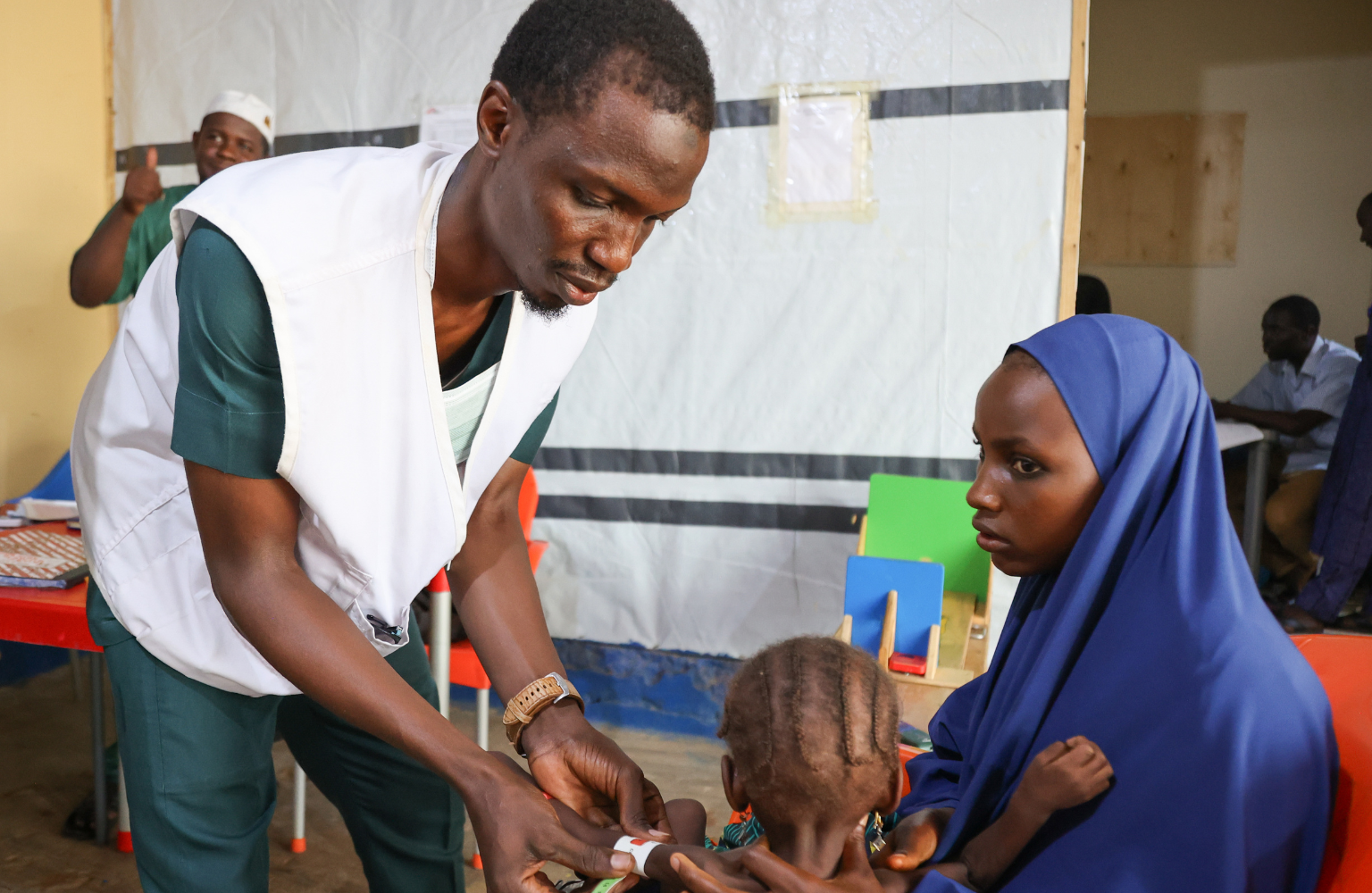
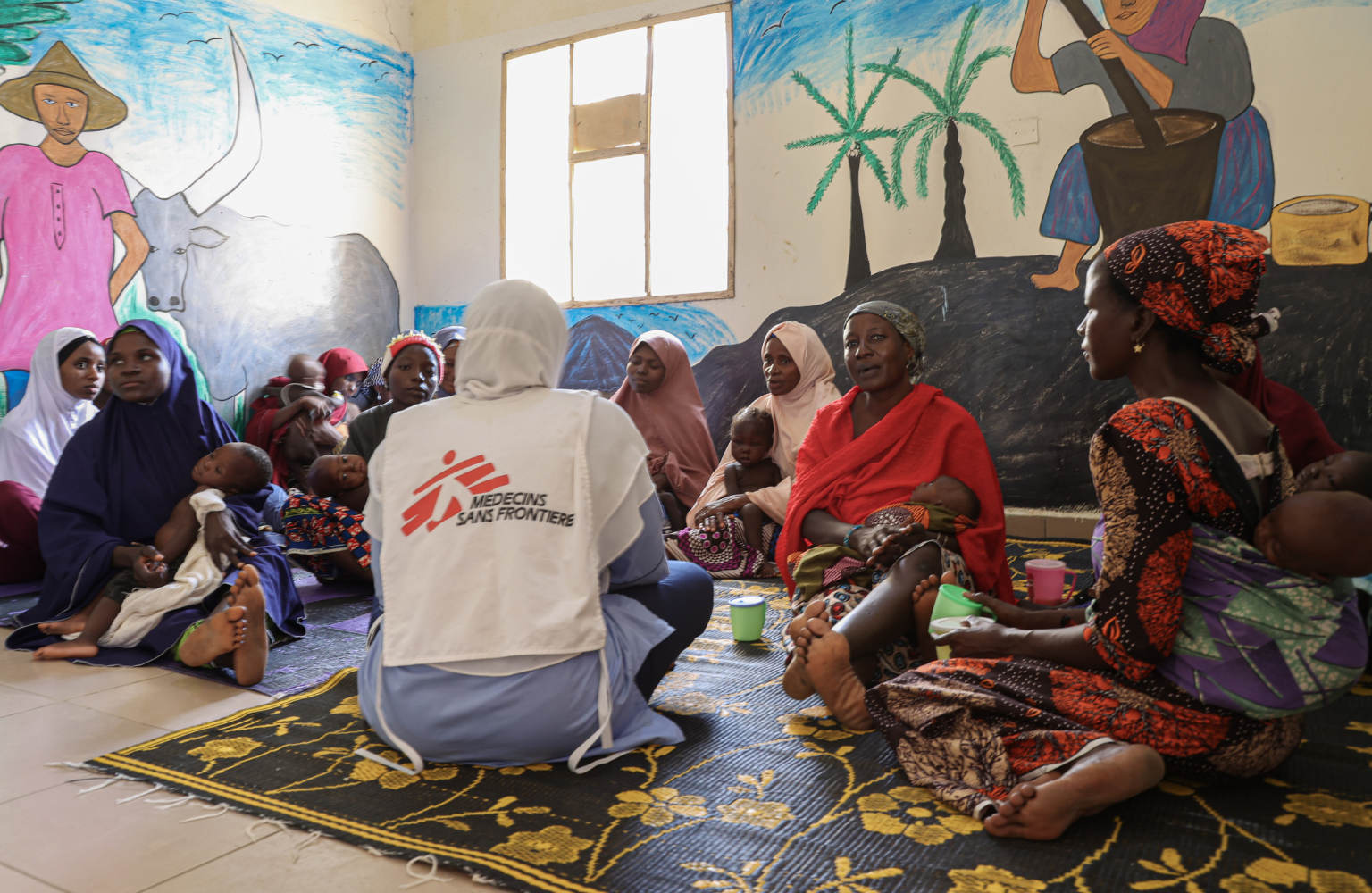
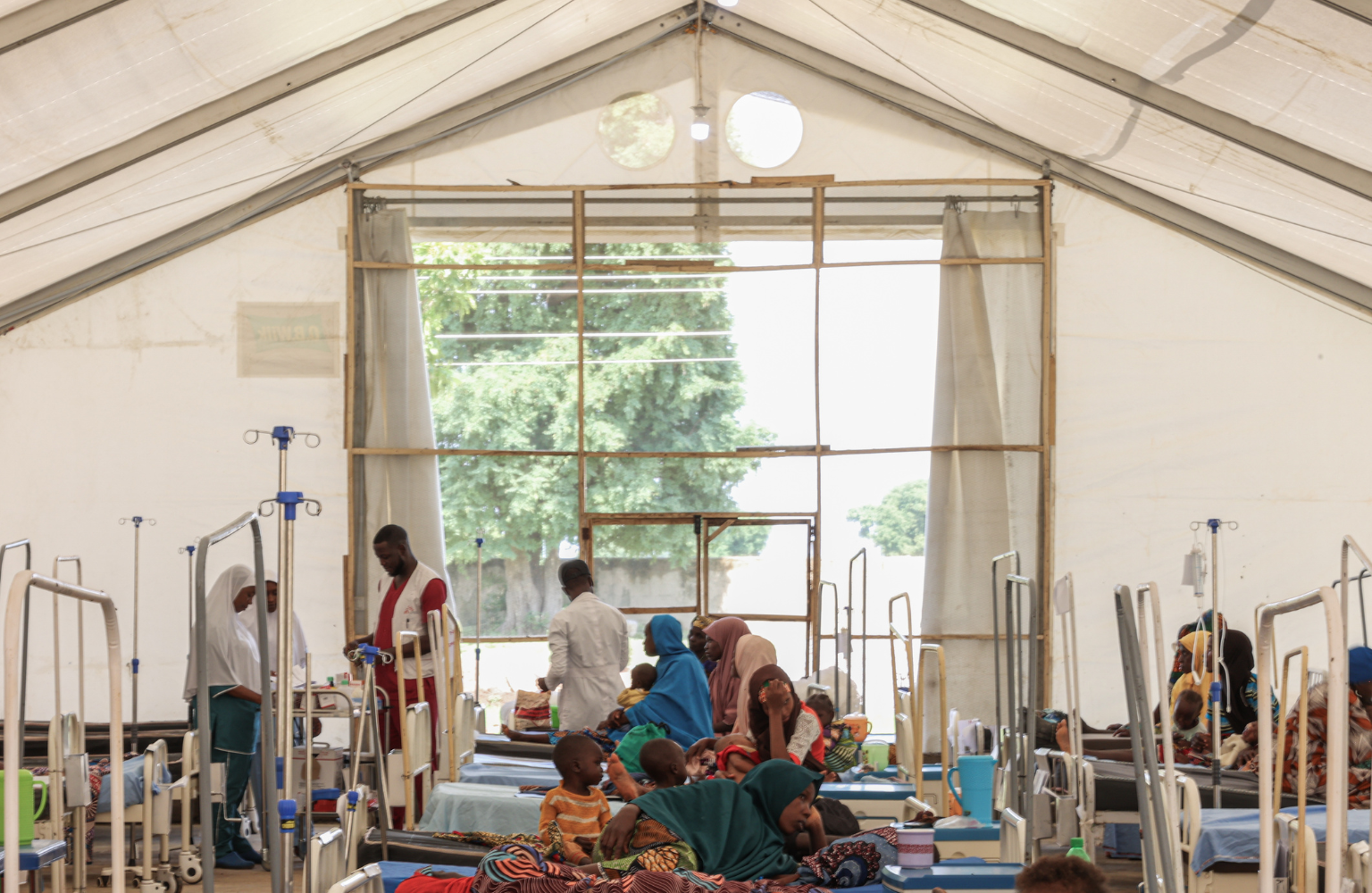
30th July, Bauchi state, Nigeria: In Bauchi state, like other states in northern Nigeria, Médecins Sans Frontières (MSF) teams are witnessing an unprecedent surge in malnutrition cases and are rapidly scaling up our medical response. As well as increasing bed capacity at the inpatient therapeutic feeding centre (ITFC) in Ganjuwa LGA, we are launching a community-integrated program to identify and train people in the community to diagnose and treat malnutrition at an early stage.

Bauchi, along with the majority of northern Nigeria, is facing a malnutrition crisis. Across Nigeria, MSF teams have seen rates of malnutrition admissions rise on average 40 per cent from the same period last year. Between January and June 2024, more than 5,780 children were admitted in our ITFC and more than 17,220 to our three local ambulatory therapeutic feeding centres (ATFCs) in Bauchi. ATFCs support malnourished children before they need to be admitted to an in-patient hospital. The number of admissions is 127 per cent and 123 per cent higher than during the same period in 2023 respectively.

We are very alarmed by the catastrophic increase in malnutrition admissions we have seen in Bauchi in the first half of 2024. Although there may be many factors compounding this increase in admissions, the numbers we are seeing are incredibly high. We are only just entering the peak season for malnutrition and our facilities are over capacity and having to expand.
Rabi Adamou, MSF Project Coordinator for Bauchi

MSF has been supporting the local health system in Bauchi since 2012 by responding to outbreaks of diseases such as cholera, diphtheria, and Lassa fever, providing healthcare, training medical staff, and conducting health promotion activities in communities.

Since 2022, MSF has been responding to the huge numbers of children suffering from malnutrition. Our teams currently run a 250-bed ITFC and an inpatient paediatric department (IPD) in Kafin Madaki General Hospital. We also operate in three ATFCs in Kafin Madaki, Kafin Liman and Miya primary healthcare centres.

In addition, new community-based activities are planned. Integrated community case management (iCCM), which aims to expand the existing community-based approach to include the treatment of malnutrition. This pilot program in eight villages in Miya started in mid-July. To respond to the increasing number of admissions for malnutrition in the region, MSF added malnutrition treatment to the conventional iCCM activities, which include malaria and diarrhoea diagnosis and treatment.

“Given the multifaceted causes of malnutrition, it is imperative the response is equally comprehensive and spans multiple sectors. This includes not only treatment but also preventative measures. Recognising the geographically widespread nature of people’s needs, the response must mirror this extent, ensuring a broad and multidisciplinary approach to help offer children this care”, says Nathalie Avril, MSF nutrition advisor.

The ‘Parent MUAC’ (mid-upper arm circumference) activity will also be implemented in Bauchi. This activity trains parents and caretakers to measure children at home using the MUAC, to monitor and detect malnutrition in children at early stage, before it develops into severe cases.

“Despite the collective efforts, many challenges remain like limited access to healthcare, the lack of qualified medical staff in health facilities, provisions of medications and ready to use therapeutic foods, all of which are essential to treat children with malnutrition. It is crucial that Bauchi state representatives as well as national and international stakeholders work together and expand the response to help deliver this critical care to children and families and prevent further increase in malnutrition numbers in the years to come”, says Rabi Adamou, MSF project coordinator for Bauchi.

Facebook
Twitter
LinkedIn
WhatsApp
Print

SUDAN: Last hospital in El Fasher risks closure during intensive bombardment of the city

SUDAN: Last hospital in El Fasher risks closure during intensive bombardment of the city

Nairobi, Wednesday 14 August – As the fighting escalates in El Fasher once more, its impact on the lives of civilians is becoming increasingly devastating, warns Médecins Sans Frontières (MSF). Multiple attacks on the city have taken place over the past week and since Saturday, at least 15 people have been killed, more than 130 have been injured, and yet another attack on the MSF-supported Saudi hospital – the last remaining public hospital in the city with the capacity to treat the wounded and perform surgery – has occurred, causing extensive damage and leaving the facility only partially functioning.

The attack took place on Sunday 11 August, marking the 11th time a hospital in El Fasher has been hit since the fighting escalated on May 10. The surgical ward was hit during the bombardment, killing the carer of a patient and injuring five others, while the maternity unit was also damaged. In addition, a number of hospital offices were hit, and a nurse sustained injuries while working inside.

Already, Saudi hospital had been inundated with wounded people following heavy fighting on Saturday 10 August. Over 100 people arrived at the facility that day, and 14 passed away from their injuries. At the same time, 15 casualties were brought from El Fasher to MSF’s facilities in Zamzam camp. It is expected that the fighting will become even more intense over the coming days.

For more than three months, people in El Fasher have been under constant bombardment. Shelling from both sides has impacted on the city resulting in over 2,500 casualties arriving at MSF-supported hospitals and more than 370 of these patients passing away from their injuries. The number of victims of the conflict is unknown. Sunday’s attack on Saudi hospital – which is the largest hospital in North Darfur state – makes it crystal clear that the warring parties are making no efforts to protect health facilities or the civilians inside them. Patients fear for their lives as a result of the relentless attacks.
Michel Olivier Lacharité, head of MSF’s emergency operations

“People are moving to Zamzam to flee the fighting in El Fasher, but those already in the camp also fear for their lives – Zamzam was hit by shelling just one week ago and there are very real fears that this will happen again. We are preparing to receive more casualties in Zamzam – especially as the fighting in El Fasher means that people cannot easily reach Saudi hospital. However, our field hospital has been built to treat children with malnutrition and paediatric diseases – it is not currently set up to treat the wounded. There is no operating theatre and no blood bank, which means our team will be under exceptional pressure if casualties continue to arrive. Additionally, people in the camp are already facing life-threatening issues of their own. MSF raised the alarm about the catastrophic malnutrition crisis there over six months ago, and now the Famine Review Committee has declared a state of famine in the camp. We urge the warring parties to let humanitarian supplies pass through without being obstructed, and we also urge them to protect civilians and health structures. Saudi is the last remaining public hospital in North Darfur with the capacity to effectively treat the wounded. If it, or our facilities in Zamzam, are hit again and become non-functional, there will be nowhere left for the injured to seek care and the death toll will soar.”

Facebook
Twitter
LinkedIn
WhatsApp
Print

Bangladesh: MSF sees severe spike in arrivals of war-wounded Rohingya from Myanmar

Bangladesh: MSF sees severe spike in arrivals of war-wounded Rohingya from Myanmar

Dhaka, Bangladesh, 9 August 2024 – Escalating numbers of Rohingya people with violence-related injuries have crossed the border into Bangladesh over the past week, says international medical organisation Médecins Sans Frontières/Doctors Without Borders (MSF), indicating the worsening humanitarian crisis in Myanmar’s Rakhine state.

In the four days leading up to 7 August, MSF teams in Cox’s Bazar, Bangladesh, treated 39 people for violence-related injuries. More than 40 per cent were women and children. Many had  mortar shell injuries and gunshot wounds. Numbers peaked on 6 August when MSF teams treated 21 wounded people. MSF staff at the clinic say this is the first time in a year that they have seen serious injuries on this scale.

“Considering the rise in the number of wounded Rohingya patients crossing from Myanmar in recent days, and the nature of the injuries our teams are treating, we are becoming increasingly concerned about the impact of the conflict on Rohingya people,” says Orla Murphy, MSF’s country representative in Bangladesh. “It is clear that safe space for civilians in Myanmar is shrinking more each day, with people caught up in the ongoing fighting and forced to make perilous journeys to Bangladesh to seek safety.”

Patients have described to MSF staff the desperate situation in Rakhine state. Some reported seeing people bombed while trying to find boats to cross the river into Bangladesh and escape the violence. Others described seeing hundreds of dead bodies on the riverbanks. Many patients spoke of being separated from their families en route to safer areas and of loved ones being killed in the violence. Many people said they were fearful that family members remaining in Myanmar would not survive.

Conflict has been escalating in Rakhine state since October 2023, causing immense suffering to the Rohingya population and crippling the healthcare system. “Our patients tell us that they faced extreme difficulties in accessing medical facilities in Myanmar due to the highly volatile situation there,” says Murphy.

The conflict has also impacted MSF’s ability to run medical activities safely. In June, MSF was forced to suspend its services in Northern Rakhine state because of the violence, depriving people of vital medical care and further deepening the humanitarian crisis.

MSF calls for the immediate protection of civilians caught up in the conflict. “People must not come under indiscriminate attack and should be allowed to leave for safer areas, while all those in need of vital medical care should have unhindered and sustained access to medical facilities,” says Murphy.

Facebook
Twitter
LinkedIn
WhatsApp
Print

Being a Child in a Refugee Camp: “We Too Have Dreams and Talents”

Being a Child in a Refugee Camp: “We Too Have Dreams and Talents”

Medecins Sans Frontieres has been running an emergency response in Eastern Chad for a year to address the medical and humanitarian needs of refugees who fled Sudan after the outbreak of war. Since the conflict began in April 2023 till June this year, over 600,000 Sudanese refugees have arrived in Chad as per the UN data.

As part of our agile response to this displacement, we are providing pediatric support at our clinics in Adré transit camp and Aboutengué camp, offering essential health services for children. Since the beginning of this year till July, we have conducted approximately 43,709 pediatric consultations for children under five years old in these clinics.

In the following testimonies, we share the voices of Sudanese children, aged 7 to 12 years old, as they speak about their life in the camp: their talents, hobbies, needs as children, and their future wishes.

Copyright Thibault Fendler/MSF

Rayan – 7 years old

Rayan’s from Ardamatta, North-East of El-Geneina. She arrived in East Chad one year ago.

“Life is okay here. At least here, we don’t hear gunshots. I like to do pottery, making little pots, cups, teapots, and “mabakhar” (Arabic word for censers used to burn fragrant herbs to perfume the room). I make everything with mud I find in the camp after the rain and let dry in the sun.

I play tea party with other children. Back in Sudan, my favorite moment at school was at the end of the class when they gave us a toy tea set to play with. But since I’m not going to school anymore, I made one on my own so I can keep playing.

My mom came here first with my five sisters and me to set us up in the camp and then went back to Ardamata to find my dad and bring him here on a cart. When people asked me if I would like to go back home, I say, “No”.  I’m fine here.”

Copyright Thibault Fendler/MSF

Mushtaha – 10 years old

“I have four sisters and one brother. My little sister was even born in Adré’s hospital, five months ago. We all live together with our dad and mom. My mother has a little shop in front our shelter where she sells sweets. Life was different before we came here. We lived in El-Geneina, and now we’ve been in these shelters for nine months. Life is hard in the camp.

Here, there’s no electricity, so no watching TV… I loved watching MBC3, a channel for children. I miss sitting on chairs; we have none here, we always sit on the floor.

We are at the middle of the desert, so there are no trees to play under neither. My parents built a shelter with a metal roof to sleep under, and that’s where we stay and where we play…  When fled from El-Geneina, we brought some toys with us: a few dolls and the Talking Tom cat. But Tom, the toy, doesn’t talk anymore because he has no more batteries.

In El-Geneina, I used to go to school. But here, there is no school. Why are there no schools here?  I want to be a doctor, and why not work with MSF. But how and I am out of school?

Copyright Thibault Fendler/MSF

Mazim – 12 Years old

“I am from El-Geneina. I am the oldest of six siblings, with two sisters and three brothers. I have been here for more than a year and also share the shelter with two of my cousins. My aunt, my mom’s sister, went back to Sudan a few weeks ago to try to find her husband, who has been missing for months.

Life here is okay. My days consist of playing football, praying, and playing football again. When playing football, I always have the same position: wing-back. My favorite team is Real Madrid. Look! I have their logo on my sweatpants. And my favorite player remains Cristiano Ronaldo, even though he’s not playing there anymore.

My brother, he’s for Barcelona, he wears their jersey all the time. This is how we play all the time: Madrid against Barcelona.

 At first, we had a ball, but it has worn out over time. So, we stuffed a sock with plastic and play with that now.

There is a football pitch nearby the camp, that’s where we play, always the same 24 kids, enough to assemble two teams. I met some of them in the camp but knew others from El-Geneina already.

Often, neighbors who fled are in contact during the journey from Sudan, so those who arrive first wait at the border to welcome the new arrivals and take them to their block so they can settle there. In that way, we recreate our former neighborhood in the camp and stay surrounded by the ones we know.

Sometimes, I also go around the camp to pick up wood for my mother to cook with. I also have to do some work to support my family. I am a part-time cobbler. I go to the market several times a week to polish shoes and repair others as I learned to sew. The food given by humanitarian organizations is not enough, so I buy a little of vegetables and even meat as these is not provided by the aid.

In the future, I would like to be a doctor, to help and heal people—”all the people.”

Facebook
Twitter
LinkedIn
WhatsApp
Print

Occupied lives: The Risk of Forcible Transfer of Palestinians in Hebron

Occupied lives: The Risk of Forcible Transfer of Palestinians in Hebron

Hebron, West Bank: “You can’t get sick here, it’s not allowed” – Palestinians in Hebron blocked from medical care, says MSF.

 Hebron, Occupied Palestinian Territories, 6 August 2024 – Physical injuries, mental trauma and restricted access to medical care are an everyday reality for many Palestinians living in and around the West Bank city of Hebron, warns international medical organisation Médecins Sans Frontières /Doctors Without Borders (MSF) in a new report published today. In “Occupied lives: the risk of forcible transfer of Palestinians in Hebron”, MSF details the rapidly deteriorating access to medical care for Palestinians in Hebron because of restrictions imposed by Israeli forces and violence perpetrated by Israeli soldiers and settlers.

“The movement restrictions and harassment and violence by Israeli forces and settlers is inflicting immense and unnecessary suffering on Palestinians in Hebron,” says MSF humanitarian affairs manager Frederieke van Dongen. “This is having a disastrous impact on people’s mental and physical health.”

The movement restrictions and harassment and violence by Israeli forces and settlers is inflicting immense and unnecessary suffering on Palestinians in Hebron. This is having a disastrous impact on people’s mental and physical health.
MSF humanitarian affairs manager Frederieke van Dongen

Ministry of Health clinics across Hebron governorate have been forced to close, pharmacies have run short of medications, and ambulances transporting the sick and wounded have been obstructed and attacked. Faced with restrictions on their movements and the threat of violence, many sick people delay seeing a doctor or have no choice but to stop their treatment altogether. In addition, families across Hebron are experiencing severe financial hardship after losing their livelihoods, forcing many to cancel their health insurance, limit their food and go without essential medicines, which they can no longer afford.

Through the testimonies of patients and Palestinian communities supported by MSF, the report sets out the consequences Israeli-imposed movement restrictions and physical violence on Palestinians’ access to medical care and describes its devastating impact on people’s physical and psychological wellbeing.

One of the most restricted areas within the West Bank is known as H2, where 21 permanent checkpoints operated by Israeli forces regulate the movement of Palestinian residents and pose significant barriers to healthcare workers trying to access the area. For two months after 7 October, Ministry of Health clinics inside H2 were closed, and only one clinic was able to open as most of the Ministry of Health staff did not have permissions to cross the Israeli checkpoint into H2.  

“There are no clinics operating within the closed area [H2] currently, and even if there were, residents live in fear of losing their lives for medicine,” said MSF staff member and resident of H2, speaking in November 2023 after Israeli forces blocked access to all Ministry of Health staff in the area forcing them to close their doors to patients. . “You can’t get sick here, it’s not allowed.”

In the months directly following the attacks of 7 October, movement restrictions and violence in the H2 area of Hebron city were so intense that patients resorted to climbing over fences and rooftops, at the risk of their lives, just to access healthcare
MSF humanitarian affairs manager Frederieke van Dongen

The continuous threat of violence places a severe strain on people’s mental health, say MSF staff. “When the soldiers come at night for home incursions my children and wife hide behind me for protection, but I cannot protect them,” says a Palestinian patient in Masafer Yatta, South Hebron Hills. “They have the power; they can do whatever they want.”

MSF’s report also sheds light on the forced displacement in Hebron governorate. Ever-more coercive and violent policies and practices by Israeli authorities and settlers are pushing a growing number of Palestinian families to flee their homes in what may amount to a forcible transfer, says MSF. The report describes how, since October 2023, MSF teams have responded to the urgent needs of more than 1,500 Palestinians across Hebron who were either forcibly displaced from their villages or whose houses were demolished and possessions destroyed. “Despite their responsibilities as an occupying power, Israel authorities’ have failed to meet their obligations to the Palestinian people,” says  Dongen. “

Israeli policies implemented in Hebron are already having far-reaching consequences on Palestinian’s physical and mental health. We call on the Israeli authorities to  guarantee unimpeded access to healthcare and other essential services, to protect Palestinians against forced displacement, and to facilitate the safe return of displaced communities to their homes.”

Facebook
Twitter
LinkedIn
WhatsApp
Print

Nasser hospital must be protected as south Gaza hospitals receive waves of deadly influxes

Nasser hospital must be protected as south Gaza hospitals receive waves of deadly influxes

JERUSALEM – In Khan Younis, southern Gaza, Palestine, fighting is approaching ever closer to Nasser hospital, putting it under threat and jeopardising people’s access to medical care. This comes as Médecins Sans Frontières (MSF) teams at Nasser and Al-Aqsa hospitals have responded to 10 mass influxes of badly injured people in July alone, following bombings in the area. MSF urgently calls on all warring parties to ensure people’s safe access to medical care and to avoid the evacuation of Nasser hospital, which would endanger hundreds of patients.

“Any escalation of fighting near the hospital would obstruct access for patients and medical staff, making it impossible to provide care,” says Jacob Granger, MSF project coordinator in Gaza. “The health system is completely decimated and evacuating hundreds of patients and medical supplies, hastily or not, would be an impossible task.”

“It would have devastating consequences for people in the area, who have nowhere else to go,” says Granger. “Closing Nasser hospital is not an option.”

Any escalation of fighting near the hospital would obstruct access for patients and medical staff, making it impossible to provide care.
Jacob Granger, MSF project coordinator in Gaza

Nasser hospital is providing care for an estimated 550 patients, including people with severe burns and trauma injuries, newborns, and pregnant women. People currently admitted in the hospital need continuous, lifesaving treatment, including those who require a high level of care, oxygen therapy, or close monitoring. As the last main hospital in southern Gaza, Nasser hospital also provides essential support, including oxygen production, to several other health facilities in the surrounding area.

The encroaching war on Nasser hospital comes as MSF teams in Nasser and in Al-Aqsa hospitals have been flooded by massive numbers of wounded patients arriving at the same time. In July alone, this has occurred on 10 separate occasions, following strikes and fighting, often in areas where displaced people are sheltering.

“Every day in July has been one shock after another,” says Dr Javid Abdelmoneim, MSF medical team leader. “[On 24 July] I walked in behind a curtain, and there was a little girl alone, dying by herself. And that’s the outcome of a collapsed health system: a little eight-year-old girl, dying alone on a trolley in the emergency room. In a functioning health system, she would have been saved.”

Hospitals and health facilities should be protected and respected by the warring parties as sanctuaries for the sick and wounded where health workers can safely deliver medical care.
Alice Worsley, MSF Nurse Activity Manager

According to the Ministry of Health, levels of blood in the blood bank at Nasser hospital are critically low after five successive waves of incoming patients, with around 180 people killed and 600 injured. One in 10 people who volunteered to give blood during an MSF supported Ministry of Health blood collection activity, were unfit to donate due to anaemia or malnutrition. In Al-Aqsa hospital, the emergency department hasn’t been able to function properly as it is overwhelmed with patients. Before the war, Al-Aqsa hospital had some 220 patients beds. Currently, the hospital has 550 – 600 patients admitted.

“Al-Aqsa hospital is already several hundred patients over its bed capacity,” says Alice Worsley, MSF nurse activity manager. The overcapacity comes after receiving patients from an Israeli strike on Khadija school in Deir Al-Balah on 27 July. “The situation was desperate: even the most dedicated response can’t always save lives without enough supplies, beds, and medical staff.”

On 22 and 27 July, the Israeli forces issued two evacuation orders in Khan Younis, resulting in yet another mass displacement and further shrinking the space where people can go. According to OCHA, from July 22 to 25, approximately 190,000 Palestinians were displaced in Khan Younis and Deir Al-Balah. Since the start of the war, an estimated 1.7 million people have been advised to move to an area of 48km2, representing 13 percent of the Gaza strip, according to the World Health Organization. 

While the so-called humanitarian zones have proved to be unsafe in Gaza, the existence of such areas does not take away warring parties’ obligations to protect civilians – wherever they are. For nearly 10 months, we have seen that nowhere in Gaza is safe.

MSF calls on all parties to ensure safe access to care and avoid the evacuation of Nasser hospital, which would endanger hundreds of patients.

Facebook
Twitter
LinkedIn
WhatsApp
Print

South Lebanon: Thousands displaced and urgent healthcare needs

South Lebanon: Thousands displaced and urgent healthcare needs

“I won’t forget the sound of the air raid that woke us up that night, and I will wait for the day when I can go back to my old room.” Says Zahra 11 years old, from Aita Al Shaab displaced in Tayr Felsay, south of Lebanon.

The Israel-Gaza conflict has spilled over into neighbouring Lebanon, particularly along its southern borders, where clashes between Israeli forces and Hezbollah have persisted since October 8, 2023. In recent months the conflict have seen an escalation, with heavy Israeli bombardments displacing more than 94 thousand of Lebanese residents and exacerbating the region’s humanitarian crisis.

“At the beginning of the latest conflict in South Lebanon, we thought it would be as usual, for a few days, maybe weeks, and then it would stop. But when the air strikes intensified, we had to leave our house and farm and move immediately to my relatives in Tayr Falsay.” Says Abu Mohammed, 68 years old from Aitaroun displaced in Tayr Felsay, south of Lebanon. “I’m a farmer and I rely on my farm as a source of income. Being a displaced person isn’t new to me. In the 6 decades of my life, I’ve experienced displacement 4 times, in the 80s, 90s, 2006 and now.”

“I’ve always heard my parents’ stories of displacement over the years, and the stories of the previous wars that they witnessed, and I never thought that I would experience them myself. I miss my old room, my house, my friends.” Says Zahra.

To address the urgent healthcare needs of the displaced population, MSF has dispatched mobile medical teams to support primary healthcare centres in 4 locations in south of Lebanon: Al-Merouaniye, Ghassaniyeh, Qaaqaaiyet El Jisr, and Tayr Felsay.

MSF medical mobile teams provided 1333 medical consultations, in addition to medications, and psychosocial support for the displaced people.

“I came to this center after they told us that MSF would be visiting and providing free medical care, so I came here with my wife to follow up on the diabetes and hypertension with the medical doctor and get our medications. Since we arrived here, we haven’t found or received any humanitarian assistance from any organisation, except for the weekly visits of MSF medical teams to this health centre.” Explains Abu Mohammad.

Abu Mohammad adds, “If it weren’t for the solidarity of the people here with us, providing shelter, houses and food, I don’t know where we would end up.”

Facebook
Twitter
LinkedIn
WhatsApp
Print

Al Nasser hospital, sole option for maternity and pediatric care in south of Gaza

Al Nasser hospital, sole option for maternity and pediatric care in south of Gaza

When Hanin first sought care for her malnourished daughter in Khan Younis in southern Gaza, the clock began ticking on her chances of survival. “[My] child was in a critical condition. They referred me to the hospital but there was no means of transportation,” explains Hanin. Finally, they reached the Médecins Sans Frontières (MSF) inpatient therapeutic feeding centre on a cart. “My child was tired. She was resting her head towards me and not moving. She was close to death before we reached the hospital.”

After nine months of relentless war, people’s access to healthcare in Gaza continues to worsen, particularly for those most vulnerable when healthcare is unavailable, such as pregnant women and children. Their vulnerability has been exacerbated by repeated displacement, inadequate living conditions, insecurity, and poor nutritional conditions. As a result, MSF teams are seeing an increase in pre-term deliveries and malnutrition in children in the south of Gaza.

“The main health risks for pregnant women are blood-pressure related complications such as eclampsia, haemorrhage and sepsis – which can become deadly if not treated in time,” says MSF emergency unit health advisor Mercè Rocaspana. “In contexts like Gaza, late access to care is posing a health risk to pregnant women and their children, where the health system has been decimated and collapsed, posing severe risk to the health of pregnant women and their children are tragic – even lethal.”

Sole option for maternity and pediatric care in south of Gaza

Al Nasser Hospital is the last tertiary hospital providing maternal and paediatric care in Khan Younis. In February, after several weeks of intense fighting with Palestinian armed groups in Khan Younis, Israeli forces stormed the facility, which had been under siege. MSF teams were forced to flee the hospital and in May 2024, MSF teams returned to the hospital, and in June, together with the Ministry of Health and other actors reopened the maternity and paediatric wards, including an inpatient therapeutic centre, and started providing support to the paediatric intensive care and neonatal intensive care units.

The needs of women and children are skyrocketing, yet MSF teams at Al Nasser hospital are witnessing a shortage of vital supplies, jeopardising the provision and quality of care. Due to the lack of other functioning healthcare centres, Al Nasser is facing an overwhelming increase in patients every day. Between 29 June and 5 July, the paediatric emergency department alone recorded more than 2,600 consultations, meaning staff attended to more than 300 children each day. As more and more children are admitted for inpatient care they are being forced to share beds, pushing the paediatric services beyond their capacity.

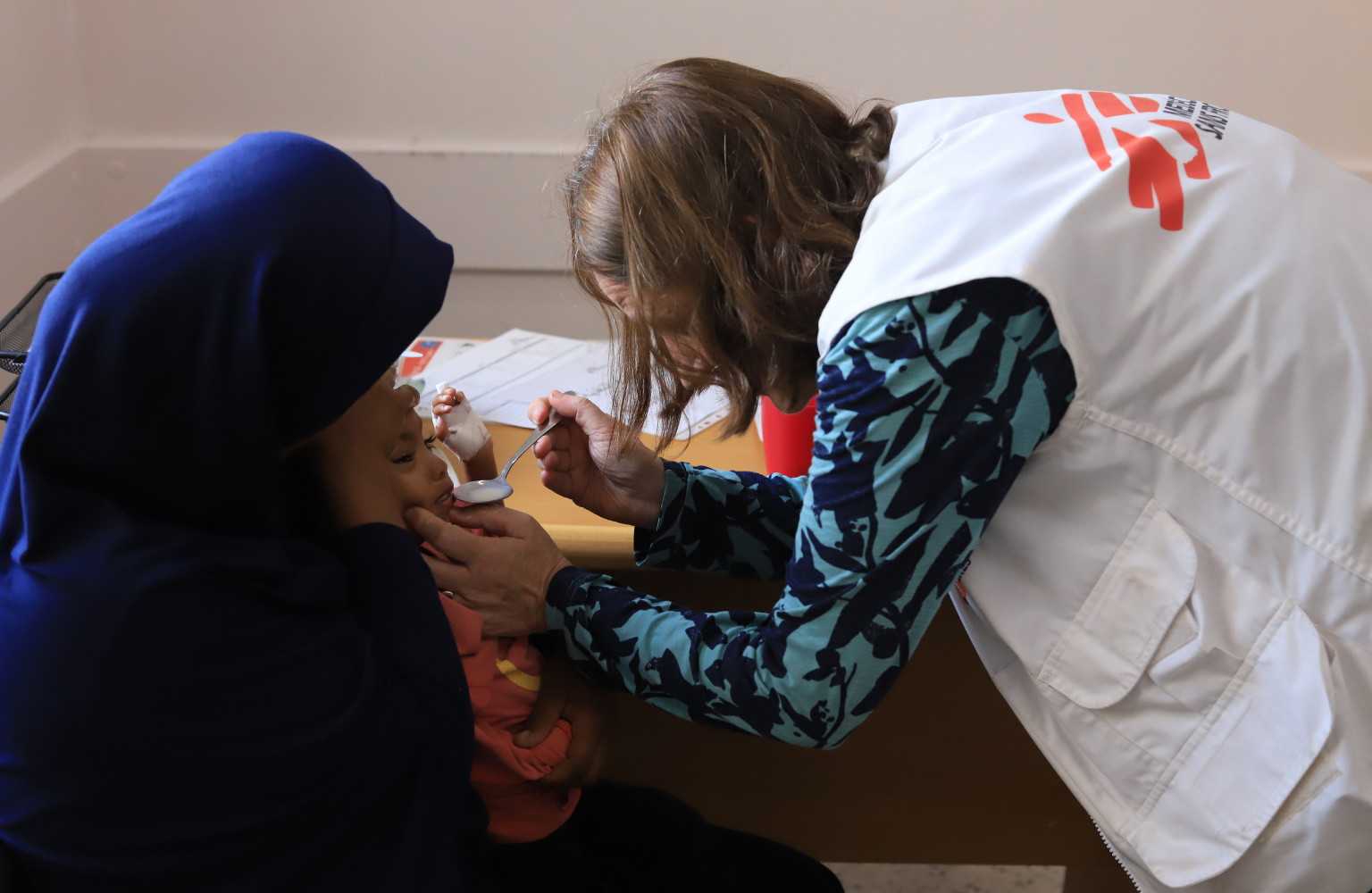
“We are seeing malnourished children, an issue never seen in Gaza before,” says MSF project medical referent Joanne Perry, a member of the MSF team working in Al Nasser hospital. “People are living in tents with minimal access to clean water and abysmal sanitation. Bombing has devastated the sewage and water systems, resulting in diarrhea, dehydration, and hepatitis A and skin infections among children.”

Access to lifesaving maternal care

As the last hospital providing maternity care in Khan Younis, Al Nasser hospital and its medical team is handling from 25 to 30 deliveries a day. In addition to functioning hospitals being destroyed or closed, the decimation of infrastructure has also created severe obstacles for pregnant women to reach medical facilities. Pregnant women are often forced to navigate unsafe routes amidst the fighting and without safe transportation – often delaying access to health care and putting them at higher risk of complications.

“I rode on a donkey-pulled cart to Al Nasser Hospital alone, as my husband couldn’t afford to join due to financial constraints,” says Najwa, an expectant mother in Gaza.

At the same time, once women have given birth, they must quickly return to unsanitary conditions, often in tents, where lack of food and constant stress put them and their newborns at further health risk.

“Some women are delivering prematurely, often with postpartum complications exacerbated by their living conditions,” says MSF nursing team supervisor Mohamad working in the MSF neonatal intensive care unit of Al Nasser hospital.

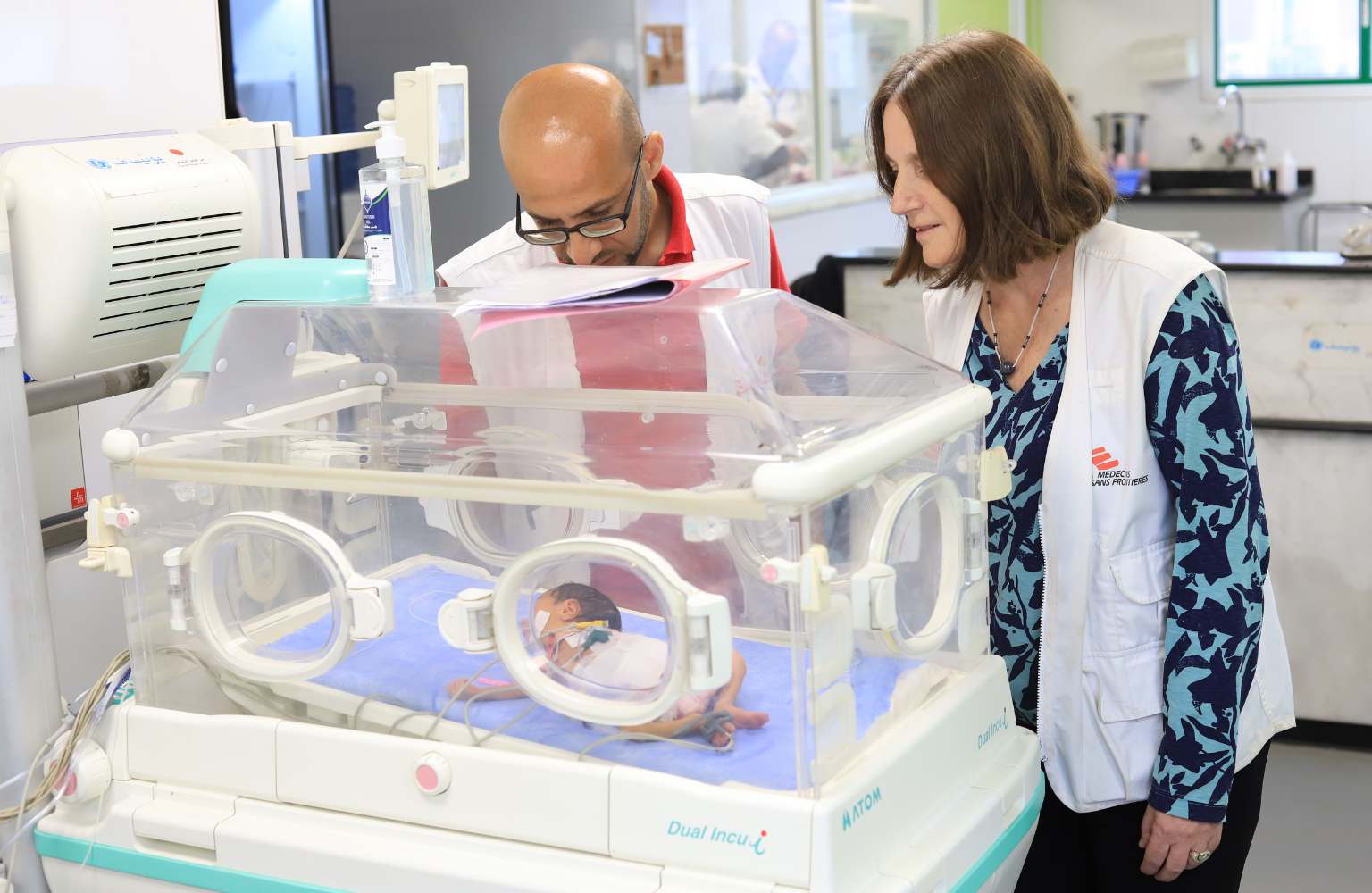
In addition to maternity services, MSF is supporting the neonatal intensive care unit, which is equipped with 29 beds and incubators for high-risk newborns.

 “There’s no […] diapers, or suitable clothing for my baby. Living in a tent exposes them to extreme conditions without even a proper bed,” says Khadra, who gave birth in Al Nasser hospital maternity ward.

As the sole functional maternity in the south of Gaza, Al Nasser hospital will continue to face challenges with capacity.  Reopening the maternity and paediatric wards is one step forward to providing care, but an immediate and sustained ceasefire in Gaza, alongside unhindered humanitarian aid is the only solution to alleviate the suffering of people trapped in the Gaza Strip, including pregnant women and children.  

Al Nasser hospital, Khan Younis: Living conditions and lack of care threatening the lives of pregnant women and newborns
Facebook
Twitter
LinkedIn
WhatsApp
Print

‘A war on people’ – MSF report reveals catastrophic toll of violence in Sudan

‘A war on people’ – MSF report reveals catastrophic toll of violence in Sudan

Amsterdam, 22 July 2024 – The war in Sudan has led to a collapse in the protection of civilians with communities facing indiscriminate violence, killings, torture and sexual violence amid persistent attacks on health workers and medical facilities according to a report released by Médecins Sans Frontières / Doctors Without Borders (MSF) today.

The report, ‘A war on people – The human cost of conflict and violence in Sudan’ describes how both the Sudanese Armed Forces (SAF) and the Rapid Support Forces (RSF) and their supporters are inflicting horrendous violence on people across the country. The war has wrought a catastrophic toll since fighting began in April 2023 with hospitals attacked, markets bombed, and houses razed to the ground.  

Estimates for the total number of people injured or killed during the war vary but MSF, which works in eight states across Sudan, revealed that in just one of the hospitals it supports, Al Nao hospital in Omdurman, Khartoum state, 6,776 patients were treated for injuries caused by violence between 15 August 2023 and 30 April 2024, an average of 26 people per day. MSF has treated thousands of patients for conflict related injuries across the country, most for injuries caused by explosions, gunshots and stabbings.  

A healthcare worker in Al Nao hospital describes the aftermath of shelling in a residential area of the city.  

“About 20 people arrived and died straight after, some arrived already dead. Most of them came with already hanging hands or legs, already amputated. Some only with a small part of skin keeping two limbs together. One patient came with an amputated leg, their caregiver followed behind, carrying their missing limb in their hand.” 

The report contains shocking reports of sexual and gender-based violence, especially in Darfur. An MSF survey of 135 survivors of sexual violence treated by MSF teams between July and December 2023 in refugee camps in Chad close to the Sudanese border found 90% were abused by an armed perpetrator, 50% were abused in their own homes and 40% were raped by multiple attackers.  

These findings are consistent with testimonies from survivors still in Sudan, demonstrating how sexual violence is being perpetrated against women in their homes and along displacement routes, a characteristic feature of the conflict.  

An MSF patient, describes events in Gedaref in March 2024. “Two young girls from Sariba, our neighborhood disappeared. Later when my brother was abducted and when he came back home, he said that the two girls were in the same house where he was detained and that the girls had been there for two months. He said that he was hearing bad things done to them, the kind of bad things they do to girls.”  

The report contains testimonies detailing targeted ethnic violence against people in Darfur. In Nyala, South Darfur, people described how, in summer 2023, RSF and aligned militia went house to house, looting, beating, and killing people, targeting Masalit and other people of non-Arab ethnicities. 

A patient in Nyala, South Darfur, told MSF “The men were armed with guns and dressed in RSF camouflage… I was stabbed many times and fell to the ground. As they exited my house they looked at me laying on the ground, I was barely conscious. I could hear them say ‘he will die, don’t waste your bullets’ as one of them pressed his foot on me.” 

Throughout the war hospitals have been routinely looted and attacked. In June the World Health Organization said that in hard to reach areas only 20 to 30 per cent of health facilities remain functional, and even then at minimal levels. MSF has itself documented at least 60 incidents of violence and attacks on MSF staff, assets and infrastructure. The MSF supported Al Nao hospital in Omdurman has been shelled on three separate occasions, while a blast caused by an airstrike in May killed two children after the ICU roof collapsed at the MSF supported Baker Nahar Paediatric hospital in El Fasher. The hospital was forced to close. 

Despite the health system struggling to adequately meet the population’s needs, humanitarian and medical organisations have frequently been blocked from providing support.  Although authorities have begun issuing visas for humanitarian staff more readily, attempts to provide essential medical care are still regularly impeded through bureaucratic blockages such as refusals to issue travel permits to allow the passage of people and essential supplies. 

Vickie Hawkins, MSF General Director, said: “The violence of the warring parties is compounded by obstructions: by blocking, interfering and choking services when people need them most, stamps and signatures can be just as deadly as bullets and bombs in Sudan.” 

“We call on all warring parties to facilitate the scale up of humanitarian aid and, above all, to stop this senseless war on people by immediately ceasing attacks on civilians, civilian infrastructure and residential areas.” 
Facebook
Twitter
LinkedIn
WhatsApp
Print

MSF suspends delivery of care in Khartoum’s Turkish hospital

MSF suspends delivery of care in Khartoum’s Turkish hospital

Nairobi – After over a year of violent incidents both inside and outside the Médecins Sans Frontières (MSF)-supported Turkish Hospital in Khartoum, Sudan – including threats made against the lives of MSF staff – MSF has taken the decision to evacuate our team from the hospital. This decision has not been taken lightly.

Amidst the ongoing war in Sudan, MSF had managed to provide continuous, hands-on, lifesaving treatment in the facility for almost 14 months, despite many, often deliberate, obstructions from the warring parties. However, as a result of recent events, this hands-on support is now no longer possible.

Hospitals and health facilities should be protected and respected by the warring parties as sanctuaries for the sick and wounded where health workers can safely deliver medical care.
Claire Nicolet, Head of MSF’s Emergency Response in Sudan

“The situation in the Turkish hospital, located in a Rapid Support Forces-controlled area, has become untenable,” says Claire Nicolet, head of MSF’s emergency response in Sudan. “Multiple violent incidents have taken place inside and outside the premises over the past 12 months, and the lives of our staff have been repeatedly threatened.”

“Most-recently, on the nights of 17 and 18 June, dozens of wounded combatants were brought to the Turkish hospital, and our team was aggressively woken up as Kalashnikovs were fired into their bedrooms,” says Nicolet. “This type of violence against our staff is unacceptable.”

“Hospitals and health facilities should be protected and respected by the warring parties as sanctuaries for the sick and wounded where health workers can safely deliver medical care,” continues Nicolet. “They cannot have their lives put at-risk as they try to save the lives of other people.”

Over the past year, MSF staff working at the Turkish hospital have been frequently harassed both inside the facility and on the street going to and from work. Many have been threatened with arrest. At the start of June, one MSF employee was arrested inside the hospital by two armed men, taken to an unknown location, and severely beaten.

The situation in the Turkish hospital, located in a Rapid Support Forces-controlled area, has become untenable.
Claire Nicolet, Head of MSF’s Emergency Response in Sudan

“The team are physically and mentally exhausted. Due to the blockade that has been imposed by the Sudanese authorities since September – forbidding the transportation of medical supplies and humanitarian personnel into Rapid Support Forces-controlled areas – the team in the Turkish hospital have been working without a break for the past 10 months,” Nicolet explains. “The blockade means it has not been possible for us to bring in a new team to replace them, and they have been working tirelessly to keep the hospital open under intense pressure.”

The Turkish hospital remains open thanks to the presence of the Ministry of Health staff.  However, surgery will no longer be possible without the presence of the MSF staff who have been evacuated, and the future of the hospital is uncertain.

Since the start of the war, the Turkish hospital has been a crucial part of the health system, serving patients not only from Khartoum, but also from as far away as Wad Madani in Al-Jazirah state. MSF was also forced to suspend operations there in May 2024, due to repeated security incidents and obstructions to bring in staff and supplies, similar to those impacting Khartoum.

Before MSF established an emergency room and expanded the capacity of the operating theatre in the Turkish hospital in mid-May 2023, it was a specialist women’s and children’s hospital. Almost 80 per cent of all surgical procedures in the hospital over the past year were lifesaving caesarean sections for women experiencing complications during pregnancy and childbirth. As a result of these repeated security incidents, all surgery in the hospital has now stopped.

Our team was aggressively woken up as Kalashnikovs were fired into their bedrooms... This type of violence against our staff is unacceptable.
Claire Nicolet, Head of MSF’s Emergency Response in Sudan

MSF also provided ante-natal care, post-natal care, family planning, ran the paediatric intensive care unit, the inpatient therapeutic feeding centre for children with severe acute malnutrition, and the neonatal unit – the only neonatal unit in the whole of Khartoum. MSF’s hands-on support to these activities has also now been suspended.

Bashair Teaching hospital in Khartoum, also supported by MSF, has faced multiple armed incursions over the past few months as well, and between October 2023 and January 2024, MSF was forced to suspend surgery in the hospital. MSF continues to work in this hospital in spite of these incidents. The security situation across the board has deteriorated significantly, and in Khartoum especially.    
 
MSF urges the warring parties to protect civilians and civilian infrastructure – including hospitals and other health structures. For facilities that are able to remain operational, it is vital that medical supplies and humanitarian workers are provided with the necessary permits to be able to move across frontlines. Due to the ongoing blockade imposed on humanitarian organisations by the Sudanese authorities, many facilities are struggling to remain open and the lives and health of millions of people in Khartoum and other parts of the country are at risk.