Celebrating Midwives: The Unsung Heroes of Maternal Health

Celebrating Midwives: The Unsung Heroes of Maternal Health

Amidst the hustle and bustle of hospitals and clinics, a cadre of diligent workers labour tirelessly to ensure the safe passage of new life into the world. As the world observes International Midwives Day, Médecins Sans Frontières/ Doctors Without Borders (MSF) takes a moment to honor the unsung heroes behind countless safe births and healthy mothers—midwives. Join us as we shine a spotlight on the incredible journey of Nour Al Sayyed, a passionate midwife making a difference in the Baalback-Hermel project.

It was a bright sunny morning when Nour arrived at the MSF-run primary healthcare clinic in Arsal, a border town on the outskirts of the Baalback-Hermel Governorate. As she stepped through the doors, a sense of purpose enveloped her, energizing her for the day ahead. Inside, the clinic hummed with activity. Doctors and nurses attended to the patients while expectant mothers sat patiently in the waiting area, their faces alight with a mixture of excitement and trepidation. For Nour, each day brought with it a new opportunity to make a difference, to be a source of reassurance in the lives of these women. With a smile on her lips and a gleam in her eyes, she embarked on her rounds.

Globally, maternal mortality remains a significant concern, with a death occurring almost every two minutes in 2020 according to the WHO. In Lebanon, the fight against maternal mortality remains a crucial one and midwives like Nour stand at the forefront, offering vital support to women and families during the vulnerable journey of pregnancy and childbirth. In 2023 alone, MSF assisted more than 2,900 expecting mothers to deliver their babies safely under medical supervision.

Nour’s journey into midwifery was driven by a deep-seated desire to make a difference in the lives of others. “What attracted me initially to the field of midwifery was the opportunity to provide support and assistance to women and families during pregnancy and childbirth,” the 28-year-old shares. Her commitment is fueled by the satisfaction of witnessing the surge of happiness on a mother’s face when hearing her baby’s first cry after birth. After starting as a midwife in MSF’s Mother and Child Center in Arsal, Nour became a full-time midwife in the MSF clinics of Arsal and Hermel, where MSF provides primary healthcare services to patients with non-communicable diseases (such as hypertension, diabetes, asthma, epilepsy), sexual and reproductive health services for women, paediatric medical consultations, and mental health services to vulnerable communities in surrounding areas. Throughout the day, Nour’s schedule is packed with everything from counseling women and providing family planning services to conducting clinical examinations, assisting during childbirth, and offering support throughout the pregnancy, childbirth, and postpartum periods. In MSF’s primary healthcare clinics of Arsal and Hermel, Nour provides comprehensive care and health advice for pregnant women. Beyond clinic walls, Nour and her colleagues extend their services, venturing into the many camps of Arsal, where pregnant women cannot easily access health care services. Currently, MSF extends outreach activities to tens of camps and informal tent settlements in and around the Arsal vicinity. A traditional town in the mountainous region on the border with Syria, Arsal is home to 50,000 residents and over 20,000 refugees, according to UNHCR. Our midwives conduct daily educational sessions and offer family planning services to approximately 40-50 women a day within these camps.

MSF midwife Nour surrounded by a group of women during a community outreach session in Arsal, northeast Lebanon. In addition to their clinic duties, MSF's dedicated midwives engage in fieldwork, promoting sexual and reproductive health among vulnerable communities. Copyright MSF/Kholoud Othman

Among the challenges Nour faces in her daily work, there are moments that stand out. “One defining moment that reignited my dedication to midwifery occurred during a night shift at MSF’s Mother and Child Center in Arsal. The mother was severely anaemic and fully dilated. As I prepared to assist her delivery, I discovered a critical situation endangering both the mother and the baby.” With the urgency of the situation pressing upon them, Nour and the nurse on her team had to embark on the delivery. The baby emerged in a critical state, and Nour swiftly began resuscitating, while simultaneously ensuring the mother doesn’t bleed out. After those testing minutes, Nour and the nurse on call stabilized both the mother and the child for eventual referral to a specialized hospital for recovery. “I’ll never forget those few moments, though” reflects Nour. “Witnessing the baby’s eventual recovery and the mother’s relief was both humbling and exhilarating. Especially since the mother had lost two babies immediately after delivery during previous pregnancies… It’s moments like these that remind me why I chose this profession – to bring hope and ensure the well-being of both mothers and babies.”
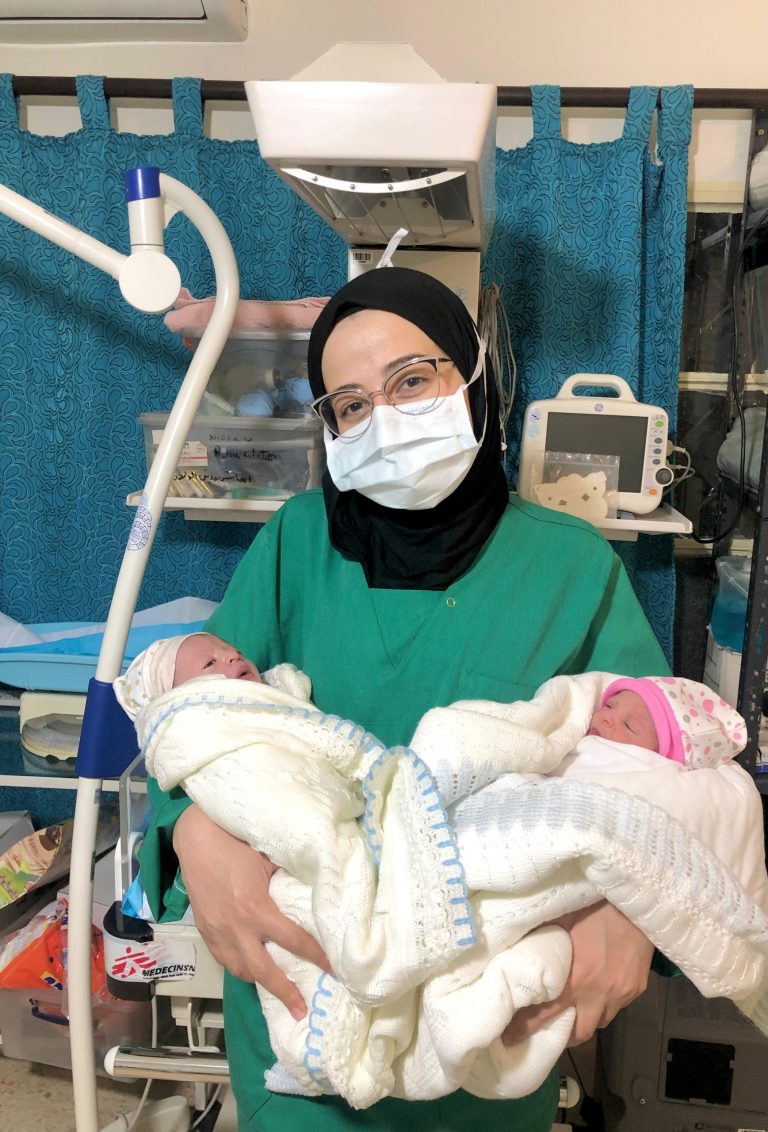
Nour holding a pair of twins she helped deliver during her time at the MSF's Mother and Child Center in Arsal. Copyright MSF

But it’s not just the critical moments that define Nour’s journey; it’s the gratitude that lingers long after. “I love it when mothers come in with their children and refer to them as ‘my’ babies,” Nour shares.

As we celebrate International Midwives Day, MSF acknowledges the invaluable contribution of midwives like Nour. They are not just healthcare providers but pillars of support, guiding women through one of life’s most transformative journeys. To all midwives, MSF extends a message of support and appreciation for their tireless dedication to women’s health and well-being. Your commitment enriches lives and strengthens communities, embodying the essence of compassion and care.
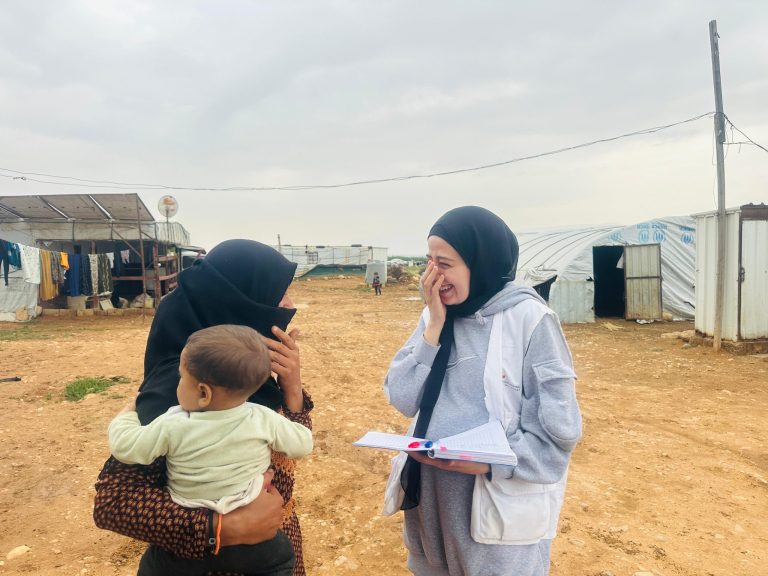
MSF midwife Nour Al Sayyed laughs with a mother and child she is consulting while on a community outreach visit in a camp in Arsal. MSF/Kholoud Othman.
Facebook
Twitter
LinkedIn
WhatsApp
Print

Gaza’s silent killings: The destruction of the healthcare system in Rafah

Gaza’s silent killings: The destruction of the healthcare system in Rafah

Under the threat of aerial bombardment, an estimated 1.7 million men, women and children have been forcibly displaced to Rafah, a tiny sliver of land in the south of the Gaza Strip, in Palestine. However, even in Rafah people have not found safety.

Military operations are ongoing in Rafah and the confirmed threat of a full-scale imminent military incursion by Israeli forces looms over people there, who now face the risk of death by disease or starvation in a place where the healthcare system has been decimated.

On 13 October 2023, our medical teams, alongside civilians, were forced to evacuate from north to south Gaza, where they rapidly established emergency medical responses in Rafah and Deir Al-Balah.

This Médecins Sans Frontières report, Gaza’s Silent Killings: The destruction of the healthcare system and the struggle for survival in Rafah, draws upon medical data and the testimony of patients to demonstrate that even in Rafah, conditions for survival are not in place.

Gaza’s entire healthcare system has been decimated and people are under siege. Without access to medical care, thousands more lives will be lost, beyond those killed in the Israeli bombardments seen in the news – these are Gaza’s“silent killings”.

Facebook
Twitter
LinkedIn
WhatsApp
Print

Sudan: a colossal man-made catastrophe; MSF calls for an urgent, rapid scale-up of the humanitarian response

Sudan: a colossal man-made catastrophe; MSF calls for an urgent, rapid scale-up of the humanitarian response

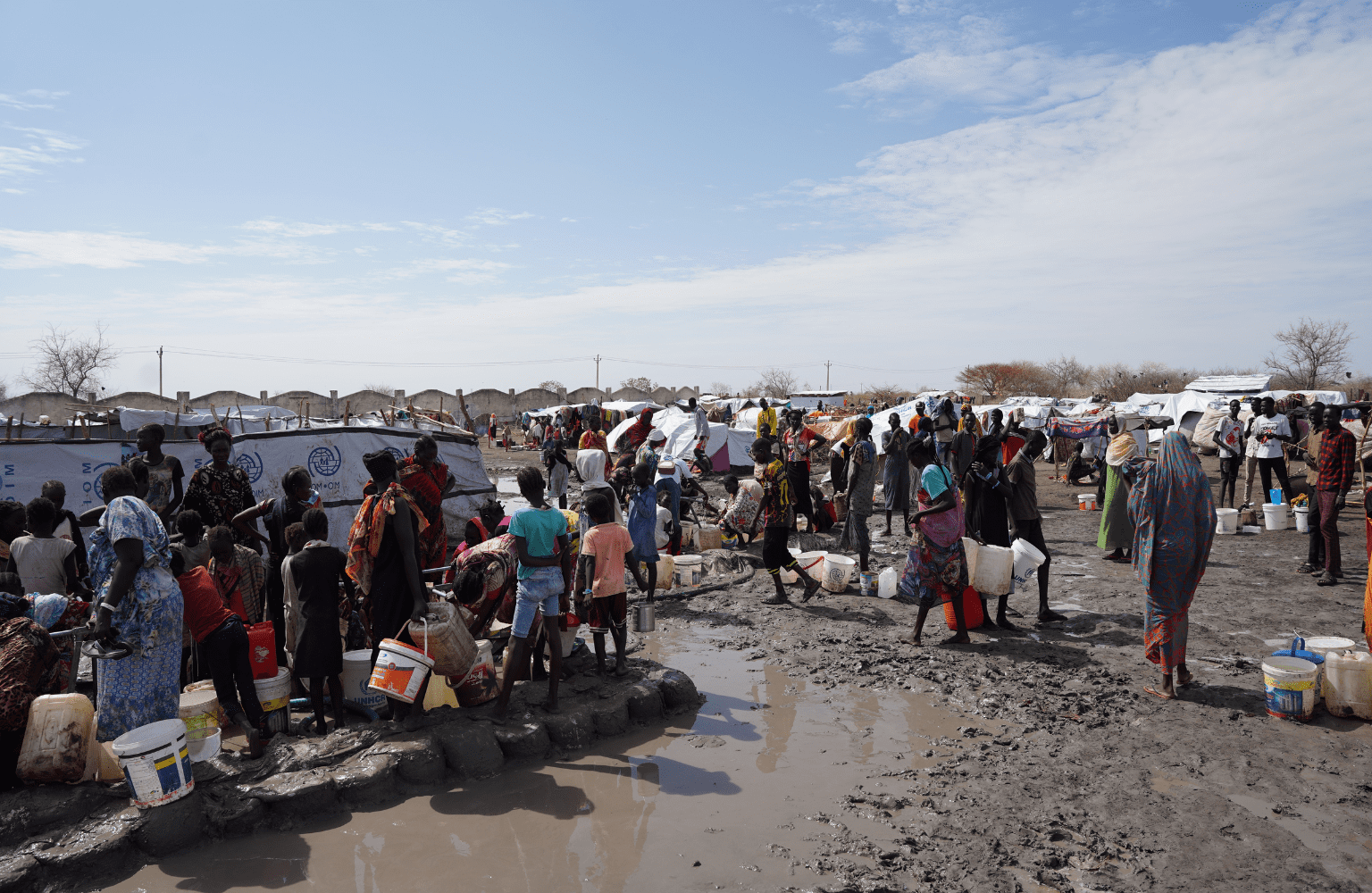
After one year of war, the aid provided to millions of people is a drop in the ocean due to political blockages created by the warring parties and lack of action from the United Nations and international humanitarian organisations.

Port Sudan/Darfur, 12 April 2024 – In one of the world’s worst crises for decades, Sudan is facing a colossal, man-made catastrophe one year after the start of the war between the Government-led Sudanese Armed Forces (SAF) and the paramilitary Rapid Support Forces (RSF). It is a matter of life or death for millions of people to urgently enable safe humanitarian access. As governments and officials, aid organisations and donors meet on 15 April in Paris[1] to discuss ways to improve the delivery of humanitarian aid, Médecins Sans Frontières (MSF) is making an urgent call for them to immediately scale up the humanitarian response.

Millions of people are at risk, yet the world is turning a blind eye as the warring parties intentionally block humanitarian access and the delivery of aid. The United Nations (UN) and member states must redouble their efforts towards negotiating safe and unhindered access and to scale up the humanitarian response to prevent this already desperate situation from deteriorating any further.

People in Sudan are suffering immensely as heavy fighting persists —including bombardments, shelling and ground operations in residential urban areas and in villages—, and the health system and basic services have largely collapsed or been damaged by the warring parties. Only 20 to 30 per cent of health facilities remain functional in Sudan, meaning that there is extremely limited availability of health care for people across the country.
Jean Stowell, MSF head of mission in Sudan

In areas close to hostilities, MSF teams have treated women, men and children directly injured in the fighting, including shrapnel wounds, blast injuries and gunshot injuries, and from stray bullets.  Since April 2023, MSF supported facilities have received more than 22,800 cases of traumatic injuries and performed more than 4,600 surgical interventions, many of them related to the violence which occurred in Khartoum and Darfur. In Wad Madani, a town surrounded by three active frontlines, we see currently 200 patients per month with violence related injuries.

According to the UN, more than eight million people have already been forced to flee their homes and been displaced multiple times, and 25 million – half of the country’s population – are estimated to be in need of humanitarian assistance. “Every day we see patients dying because of violence-related injuries, children perishing due to malnutrition and the lack of vaccines, women with complications after unsafe deliveries, patients who have experienced sexual violence, and people with chronic diseases who cannot access their medicines,” Stowell continues. “Despite all this, there is an extremely disturbing humanitarian void.”

Although MSF works in good cooperation with the Ministry of Health (MoH), the Government of Sudan (GoS) has persistently and deliberately obstructed access to humanitarian aid, especially to areas outside of their control: it has systematically denied travel permits for humanitarian staff and supplies to cross the front lines, restricted the use of border crossings, and established a highly restrictive process for obtaining humanitarian visas.

“Today, our biggest challenge is the scarcity of medical supplies. We’ve run out of surgical equipment, and we are on the brink of stopping all work unless supplies arrive,” says *Ibrahim , an MSF doctor working in Khartoum, a city that has been under a blockade for the past six months. A similar situation has been impacting the city of Wad Madani since January.

Millions of people are at risk, yet the world is turning a blind eye as the warring parties intentionally block humanitarian access and the delivery of aid. The United Nations (UN) and member states must redouble their efforts towards negotiating safe and unhindered access and to scale up the humanitarian response to prevent this already desperate situation from deteriorating any further.

In RSF-controlled areas, where many different militias and armed groups also operate, health facilities and warehouses were frequently looted in the first months of the conflict. Incidents such as carjackings continue on a regular basis and medical workers, particularly from the Ministry of Health, have been harassed and arrested.

In hard-to-reach areas like Darfur, Khartoum or Al Jazirah, MSF often finds itself the sole or one of the few international humanitarian organisations present, while needs far exceed our capacity to respond. Even in more accessible areas such as White Nile, Blue Nile, Kassala and Gedaref states, the overall response is negligible: a drop in the ocean.

One example is the catastrophic malnutrition crisis in Zamzam camp in North Darfur, where there have been no food distributions from WFP since May 2023. Almost a quarter (23 per cent) of children we screened there in a rapid assessment in January were found to be suffering from acute malnutrition – seven percent were severe cases. 40 per cent of pregnant and breastfeeding women were suffering from malnutrition, and there was a devastating mortality rate across the camp of 2.5 deaths per 10,000 people per day.

The situation in Sudan was already very fragile before the war and it has now become catastrophic. In many of the areas where MSF has started emergency activities, we have not seen the return of the international humanitarian organisations that initially evacuated in April.
Ozan Agbas, MSF Emergency Operations Manager for Sudan

Khadija Mohammad Abakkar, who had to flee her home in Zalingei, Central Darfur, in search of safety, recounts how difficult it was to survive without humanitarian assistance: “During the fighting, there was no access to health care or food in the camp. I sold my belongings to earn some money for food.”

While these are difficult conditions in which to operate, the response should have increased, not diminished, especially in the areas where access is possible. Increased efforts are urgently needed by all humanitarian actors and organisations to find solutions to these problems and scale up activities across the country.

“The United Nations and their partners have persisted in self-imposed restrictions on accessing these regions and, as a result, they have not even pre-positioned themselves to intervene or establish teams on the ground when opportunities arise,” Agbas continues.

MSF calls on warring parties to adhere to International Humanitarian Law and the humanitarian resolutions of the Jeddah declaration[1] by putting in place mechanisms to protect civilians and to ensure safe humanitarian access to all areas of Sudan without exception – including stopping blockages. MSF also calls on the UN to show more boldness in the face of this enormous crisis and to focus on clear results related to increasing access so that they actively contribute towards enabling a rapid and massive scale-up of humanitarian assistance. MSF also urges donors to increase funding for the humanitarian response in Sudan.

[1] https://www.state.gov/jeddah-declaration-of-commitment-to-protect-the-civilians-of-sudan/

*Name changed to protect identity

Happy Mother’s Day from MSF Lebanon

Happy Mother’s Day from MSF Lebanon

This mothers day, we're sharing the voices of expecting and new mothers attending our clinic in Wadi Khaled, who've allowed us into their lives during the most precious moments of motherhood. MSF has been present in Wadi Khaled, Akkar since 2016, providing access to primary healthcare for communities in need. In 2023 alone, we have been a part of over 2,000 new beginnings and provided more than 12,000 consultations to ensure the health and happiness of both mothers and babies.

Published on March 21, 2024

Lebanon: Five months into border conflict, displaced people’s needs are on the rise

Lebanon: Five months into border conflict, displaced people’s needs are on the rise

Five months of armed conflict along Lebanon’s southern border have resulted in hundreds of deaths and caused huge disruption to people’s lives, forcing more than 91,000 people from their homes and exacting a significant toll on their financial stability and psychological wellbeing.

Exchanges of fire across the border between Israeli forces and Hezbollah and other groups began on 8 October 2023 and show no signs of abating, while the conflict has recently spread to northeastern Lebanon with Israeli forces bombing Baalbek-Hermel governorate.

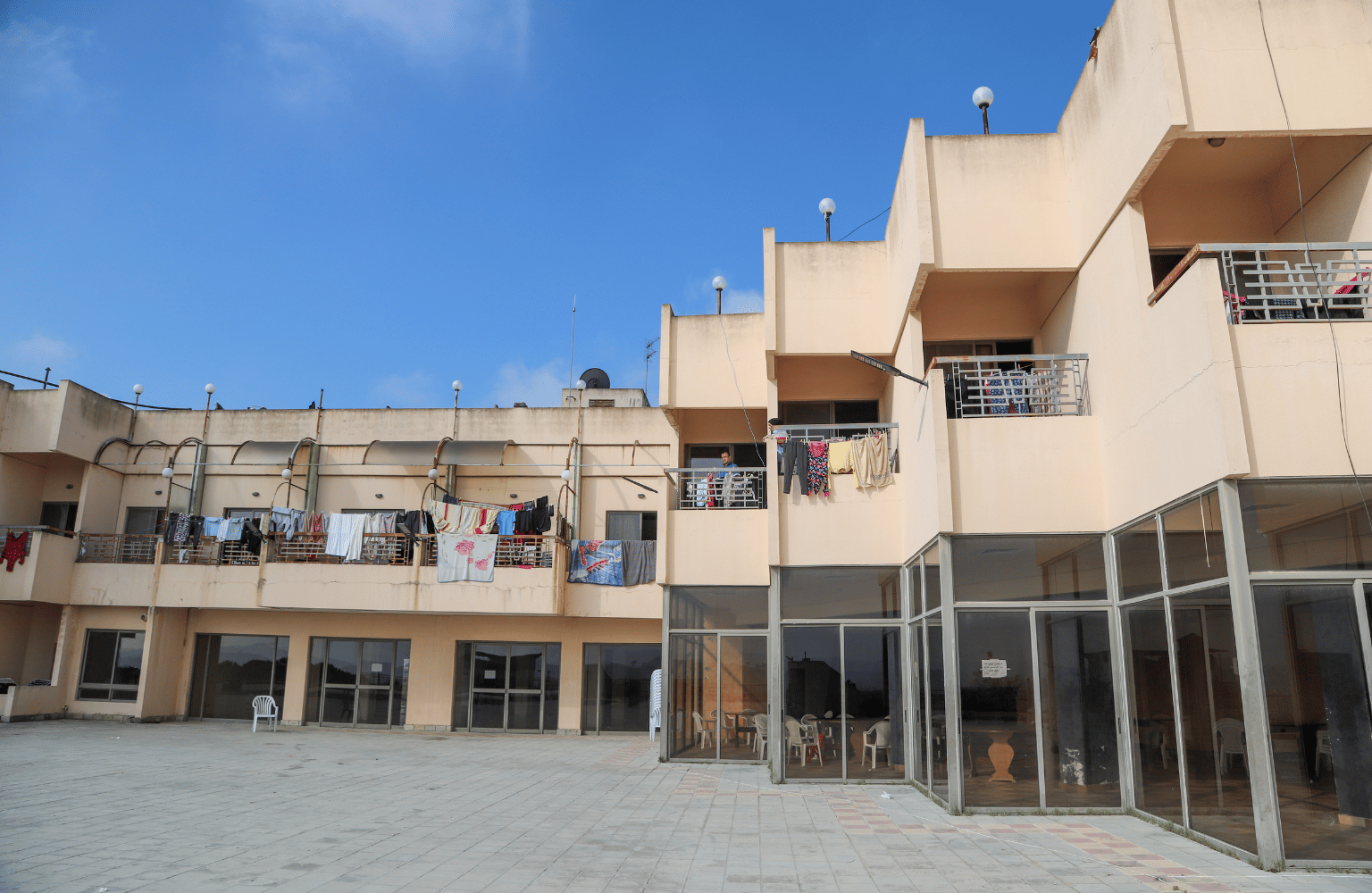
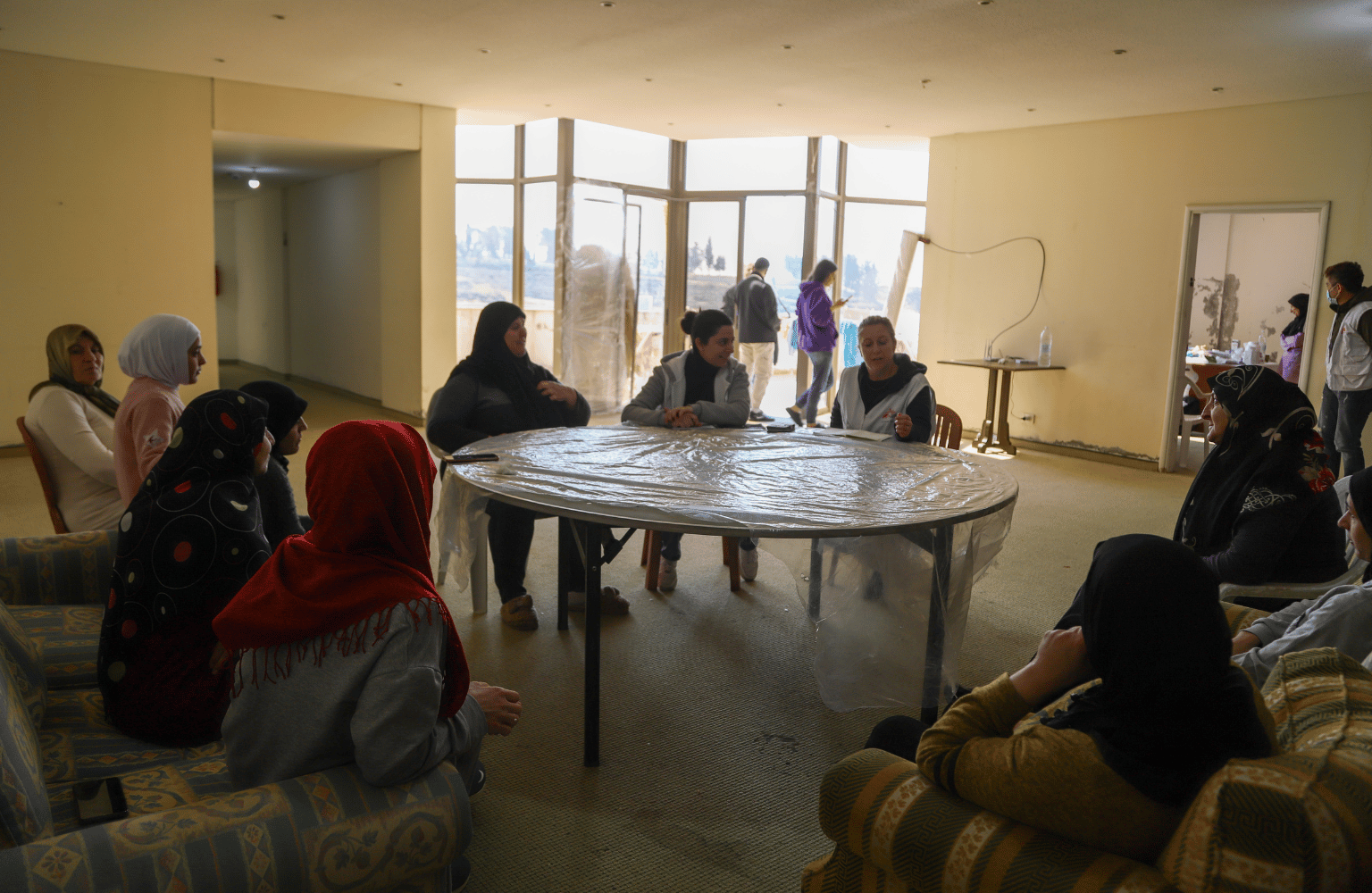
Many of the displaced people left their homes with no possessions and struggle to get hold of basic necessities such as food and blankets. More than 60 families are living in an abandoned hotel repurposed into a shelter in Al-Merouaniye, some 60 km from the border. One of its residents is Ali Hammoud, a barber and a father of three from Rab Al-Thalathine, who fights back tears as he recounts his family’s ordeal.

“My older son has had three mental crises,” he says. “We go to sleep, wake up, and repeat this every day. We are worried that our kids will develop mental problems from this situation. The same routine, day in and day out, is more burdensome to a child than an adult.”

Teams from Médecins Sans Frontières/Doctors Without Borders (MSF) are providing displaced people who fled the border region with psychological first aid. Felicitas Steinhoff, MSF’s mental health activity manager, warns of the psychological toll of prolonged displacement: “We’re seeing an increase in depression and anxiety disorders,” she says. “In terms of mental health, I think people are really good at coping with short-term stress, but what we see here is families who have been displaced from their homes for over five months now and who are living with a lot of uncertainty around when and even if they might be able to go back.”

An MSF mobile medical team also provides people with care for chronic diseases and makes regular visits to a clinic in Nabatiyeh governorate, alongside the border. The team provided 373 consultations since the start of 2024 in both locations.

Manahel Rammel, who fled her home in the border town of Oudaisseh on 8 October, says that children and young people are suffering the most. “Young people aged between 18 and 20 sit around without any idea of what they want to do,” she says. “Their future is gone. The future of youth is gone.” Manahel’s own daughter is fortunate to be studying in Beirut, but Manahel is unable to visit her there due to the high cost of transport. Like many people across Lebanon, Manahel already struggled to make ends meet before the current crisis, but being displaced has exacerbated her financial difficulties.  

Lebanon is grappling with its fourth year of severe economic turmoil, which has seen two-thirds of its population pushed into poverty. The current violence has halted or severely impacted many people’s livelihoods, leaving them unable to meet even basic needs.

Ali, initially sought refuge in Beirut but, after his savings were exhausted, he moved to the shelter in El-Merouaniye. “We left our homes with nothing but the shirts on our backs,” says Ali. During the truce [a four-day truce in November 2023], we went back to pack some essentials and clothes just to warm ourselves… I had some savings, but they all ran out. I stayed in Beirut for two months and I spent all my money before eventually moving to this shelter.”

While the walls of the abandoned hotel offer some safety and warmth to the families sheltering there, they – like thousands of other displaced people across Lebanon – are clearly in need of comprehensive and sustained assistance as they face an uncertain future.

“If I could rub a magic lantern right at this moment, I would wish to be back home in my village,” says Ali Hammoud. “We have no solution, only God knows where we’re headed.”

Gaza: MSF UK Board member killed during Israeli offensive in Khan Younis

Gaza: MSF UK Board member killed during Israeli offensive in Khan Younis

5 March 2024 – Médecins sans Frontières/Doctors Without Borders (MSF) is devastated about the death Reem Abu Lebdeh, an associate trustee of the MSF UK Board and former staff member in Gaza, whom we believe was killed sometime in December 2023.

Though the exact circumstances and date of Reem’s death remain unclear, we believe she was killed along with members of her family at their home in Khan Younis in southern Gaza. Some members of her family remain unaccounted for.

When the Israeli military campaign moved more extensively into Khan Younis over two months ago, we know Reem was sheltering with her parents and siblings. Regrettably, contact with Reem was lost shortly thereafter and all attempts to regain it failed due to telecommunications networks being cut off.

However, news of Reem’s death and that of her family members gradually emerged in the following weeks. To this day, the zone around the house, which was heavily bombarded by Israeli forces, remains too dangerous to approach.

Reem worked as a physiotherapist for MSF in Gaza from 2018 until 2022, and last year was appointed as an associate trustee of the MSF UK Board.

Reem is the fifth MSF colleague killed in Gaza since the beginning of the war and several members of our staff remain unaccounted for. We are still mourning the loss of lab technician Mohammed Al Ahel, killed in an airstrike with members of his family; volunteer nurse Alaa Al-Shawa shot in the head during a planned evacuation MSF convoy; doctors Mahmoud Abu Nujaila and Ahmad Al Sahar, killed following a strike on Al Awda hospital. All these MSF colleagues were killed in November 2023.

Thousands of people in Gaza are losing their families, their homes and their lives. Gaza’s Ministry of Health has reported over 29,000 people have been killed and over 69,000 wounded.

MSF teams continue to provide medical care in various locations in southern Gaza, including in Rafah where 1.5 million forcibly displaced people are living in dire conditions with extremely limited access to medical care and humanitarian aid. 

We reiterate our urgent call for an immediate and sustained ceasefire to spare the lives of civilians and allow for substantial aid to enter the enclave. 

Facebook
Twitter
LinkedIn
WhatsApp
Print

MSF strongly condemns Israeli attack on Al-Mawasi shelter, killing two family members of an MSF colleague and injuring six

MSF strongly condemns Israeli attack on Al-Mawasi shelter, killing two family members of an MSF colleague and injuring six

21 February 2024 —Médecins Sans Frontières/Doctors Without Borders (MSF) condemns in the strongest possible terms the killing of two MSF staff family members during an Israeli offensive on Al-Mawasi, Khan Younis, Gaza. Six other people were injured in the attack.

Late on the evening of 20 February, Israeli forces conducted a military operation in Al-Mawasi, located on Gaza’s coastline, during which an Israeli tank fired on a house sheltering MSF colleagues and their families. The attack killed the daughter-in-law and wife of one of our colleagues, and injured six people, five of whom were women or children. Bullets were also fired at the clearly marked MSF building, hitting the front gate, the building’s exterior, and the interior of the ground floor.

Ambulance teams were delayed for more than two hours by the shelling in the area but were later able to reach the site and bring the wounded, some sustaining burn injuries, to the International Medical Corps Field hospital in Rafah.

“We are outraged and deeply saddened by these killings,” says Meinie Nicolai, MSF General Director, who is currently coordinating MSF medical activities in Gaza. “On the same day the United States chose to veto an immediate ceasefire, two daughters saw their mother and sister-in-law killed by an Israeli tank shell.”

“These killings underscore the grim reality that nowhere in Gaza is safe, that promises of safe areas are empty and deconfliction mechanisms unreliable,” says Nicolai. “The amount of force being used in densely populated urban environments is staggering, and targeting a building knowing it is full of humanitarian workers and their families is unconscionable.”

At the time of the attack, 64 people were sheltering in the house. All parties to the war, including Israeli forces, are regularly informed of the whereabouts, and have acknowledged the presence, of MSF teams in specific locations. Israeli forces have been clearly informed of the precise location of this MSF shelter in Al-Mawasi. In addition to this, a two by three metre MSF flag was draped on the outside of the building. No evacuation orders were issued by the Israeli forces before the strike. MSF has since contacted Israeli authorities and is seeking further explanation.

Some of our colleagues and their family members who were living in the MSF shelter before the attack in Al-Mawasi had already survived the 8 January strike on another MSF shelter in Rafah, which killed the five-year-old daughter of an MSF staff member. This demonstrates, once again, that Israeli forces are not ensuring the safety of civilians in their military operations and shows a complete disregard for human life and lack of respect for the medical mission. This makes it almost impossible to sustain medical humanitarian activities in Gaza. 
 
MSF teams are supporting our colleagues and their family members who survived yesterday’s attack, as well as the loved ones of those who were killed. Five MSF staff have been killed since the beginning of the war, in addition to numerous family members.
 
We reiterate our call for an immediate and sustained ceasefire in Gaza. The violence against civilians must end now.

Facebook
Twitter
LinkedIn
WhatsApp
Print

Gaza: MSF calls for the protection and safe evacuation of patients from Nasser hospital

Gaza: MSF calls for the protection and safe evacuation of patients from Nasser hospital

Médecins Sans Frontières / Doctors Without Borders (MSF) is outraged that medical staff and patients are still trapped after Israeli forces attacked and raided Nasser hospital in Khan Younis, Gaza, on 15 February.

Some 130 patients and at least 15 healthcare workers are still in the hospital with no electricity or running water and limited food, according to the United Nations, who say they have managed to transfer 32 patients in critical condition and are trying to evacuate the rest in the coming days. MSF is deeply concerned for the well-being of these patients and calls for their safe evacuation. Our teams at al-Aqsa hospital and Rafah Indonesian Field hospital are prepared to treat them if need be.

In the early hours of 15 February, a shell struck the orthopedic department of the facility causing chaos and killing and wounding an undetermined number of people. Fearing for their lives, MSF staff members had to flee the compound leaving behind several patients in severe condition. We have very little information about the remaining medical staff and patients and their condition.

This comes following weeks of heavy fighting near the hospital, where medical staff, patients and displaced people found themselves trapped inside the compound with very little access to essential supplies. Many people who were wounded by the intense bombing in Khan Younis were also unable to reach the hospital for emergency care.

Four days after the attack, MSF has still not heard from two of our staff members who were in the hospital at the time of the attack. One who has been unaccounted for since the attack and another who was detained at a checkpoint by Israeli forces while trying to leave Nasser hospital. We ask Israeli authorities to share information about their whereabouts and we call for their safety and protection of his dignity.

“The situation in Nasser hospital is yet another example of the way healthcare facilities are being dismantled one by one in this war. Even though they were initially told they could stay inside the facility, medical staff and patients were put in danger in a place where they should have been protected. We are outraged that once again they have had to pay a heavy price,” says Guillemette Thomas, MSF medical coordinator for Palestine.

On 13 February, Israeli forces ordered the evacuation of the thousands of displaced people sheltering in Nasser hospital and told medical staff and patients they could remain in the building with one caretaker per patient. Many civilians were afraid to leave the hospital because shots had been directly fired at the building and at people trying to leave the hospital’s compound.

Once the largest healthcare facility in southern Gaza, Nasser hospital no longer has the capacity to treat patients. What is left of Gaza’s health system is barely functioning due to its main hospitals being constantly affected by military operations and heavy fighting in their immediate vicinity. Tens of thousands of people have not only been injured but maimed for life and there is currently no possibility for proper treatment or continuation of care.

Attacks on medical facilities, their staff and patients must stop. MSF reiterates its urgent call for an immediate and sustained ceasefire to allow spare civilians’ lives and for substantial aid to enter the enclave.

Lebanon: MSF helps to bridge gaps in struggling healthcare system in Tripoli

Lebanon: MSF helps to bridge gaps in struggling healthcare system in Tripoli

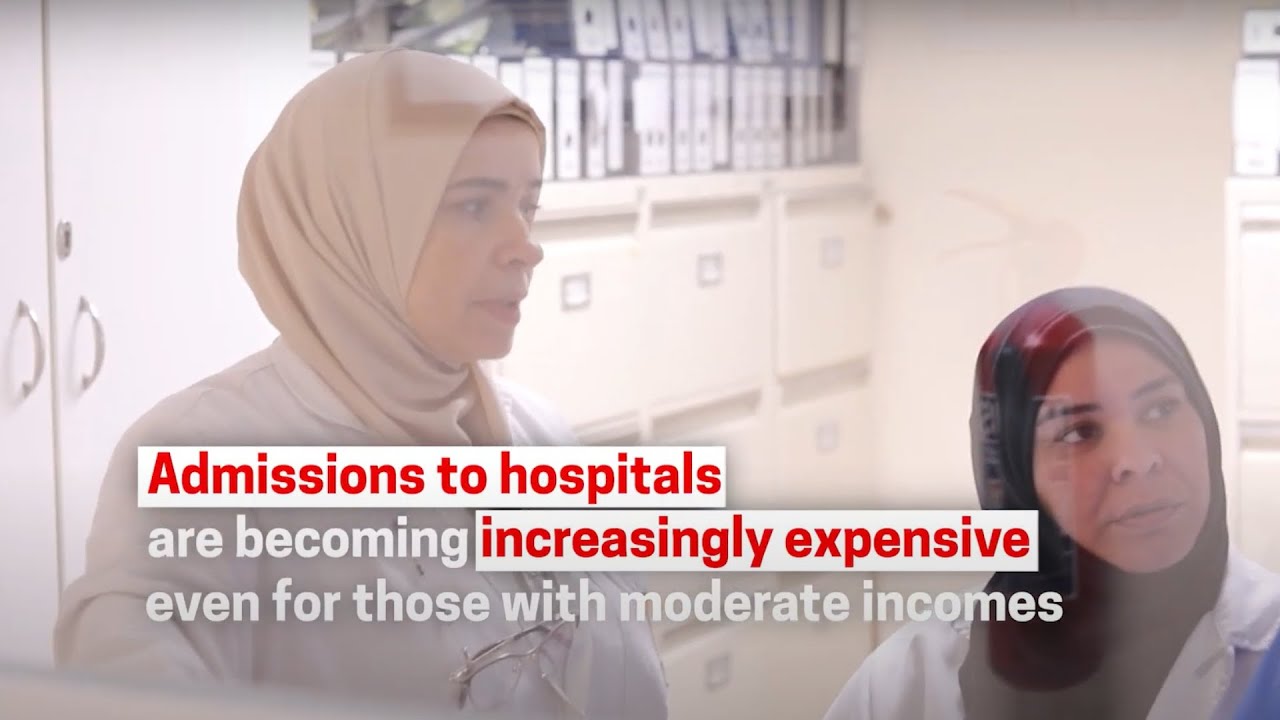
Ataa is a 23-year-old patient at the Médecins Sans Frontières (MSF) supported primary healthcare centre in Tripoli Governmental Hospital, in Lebanon’s second largest city. She visits the health centre with her husband Adnan for her routine antenatal check-up. Lebanon’s deep economic crisis makes it very difficult for them to afford daily necessities. “The crisis is affecting everyone,” said Adnan, 26 who takes whatever work he can find each day—but his earnings aren’t always sufficient to cover his family’s needs. “Our income is in Lebanese pounds, but everything is priced in US dollars. Nowadays, we have to travel long distances—sometimes outside of the city—just to buy something for a lower price.”

Twenty-five year old Rima is also a patient at the health centre. She described the barriers she faces to access quality healthcare. “If you don’t have enough money or can’t pay immediately, you won’t have access to health services. Plus, the national social security fund now covers very little, with the currency decline. One has to pay a lot of money for hospitalization.”

Ataa and Rima are like many others who struggle to access healthcare in Tripoli, Lebanon. Living conditions have deteriorated over recent years due to limited housing, depleted infrastructure, lack of clean water and sanitation, and inadequate access to social services. The unemployment rate exceeds 35 percent and half of the city’s residents live below the poverty line[1]. The escalating financial challenges have made it increasingly difficult for individuals to access essentials such as food, water, and medical supplies.

These factors take a severe toll on people’s mental well-being and cause significant stress, trauma, and depression. Many of Tripoli’s healthcare centres are struggling to provide residents with the medical care and medications they need due to a lack of staff and supplies. The high cost of care also puts healthcare centres out of reach for many. On top of that, the economic crisis has increased the cost of services in private clinics and a shortage of many essential medicines.

Recognizing the urgent need for accessible and equitable healthcare in Tripoli, in June 2022, MSF launched a project to support the city’s primary healthcare system. The project supports four primary healthcare centres in different areas in Tripoli, focusing on non-communicable diseases, such as diabetes and heart disease, and mental health services. This support includes providing technical guidance to local health workers, subsidizing the cost of non-communicable diseases consultations for patients at the supported facilities, capacity-building, social work, and donating medicines.

Lebanon: MSF helps to bridge gaps in struggling healthcare system

Through the activities, MSF helping to provide holistic and patient-centred healthcare. “We put the patient at the core of healthcare,” said MSF project coordinator Ivan Sinaga. “This means that our teams prioritize the needs, preferences, and well-being of each patient, tailoring medical care to address their specific circumstances, as a treatment should be comprehensive and not just medical.”

In a patient-centred approach, the focus is on fostering a collaborative and respectful relationship between healthcare providers and patients, ensuring that medical decisions consider the patient’s values and input. 

“We prioritise empathy, inclusivity and responsiveness to people’s individual needs,” said Sinaga. 

From June 2022 to December 2023, MSF staff in Tripoli supported 1,554 non-communicable disease consultations, 1,843 mental health consultations, 3,175 health promotion sessions for 28,717 participants, donated three tons of medications, conducted 116 training sessions for health workers, and paid stipend of 28 local health staff.

“We are collaborating with partners, including the Ministry of Public Health and the primary healthcare facilities in Tripoli, to implement a patient-centred approach and increase access to primary healthcare,” said Sinaga. “Given the current situation and challenges, an increasing number of people will seek care at primary healthcare centres. This necessitates collective efforts from everyone to make it more accessible.”

About MSF

MSF is an independent international medical humanitarian organisation providing free healthcare to people in need, without discrimination. MSF first began work in Lebanon in 1976 and its teams have worked in the country without interruption since 2008.

MSF teams currently work in seven locations across Lebanon, providing free medical care for vulnerable communities, including Lebanese citizens, refugees, and migrant workers. MSF’s services include mental healthcare and psychosocial support, sexual and reproductive healthcare, paediatric care, vaccinations, and treatment for chronic diseases. With more than 700 staff in Lebanon, MSF teams provide around 150,000 medical consultations every year.

Facebook
Twitter
LinkedIn
WhatsApp
Print

Syria: One year after earthquake, mental scars are still raw

Syria: One year after earthquake, mental scars are still raw

“We live in a tent – the children are afraid of houses and buildings,” says Hind, a 36-year-old mother of five in Afrin, in northwest Syria’s Idlib province. “We are very tired.”

Where can you find refuge when your home is no longer safe? How can you comfort your children when they live in fear of the ground rocking beneath their feet? These are some of the questions in the minds of people in northwest Syria, a region grappling with the impact of economic crisis and more than a decade of war, compounded by the aftermath of the devastating earthquakes that struck northwest Syria and south Türkiye on 6 February 2023.

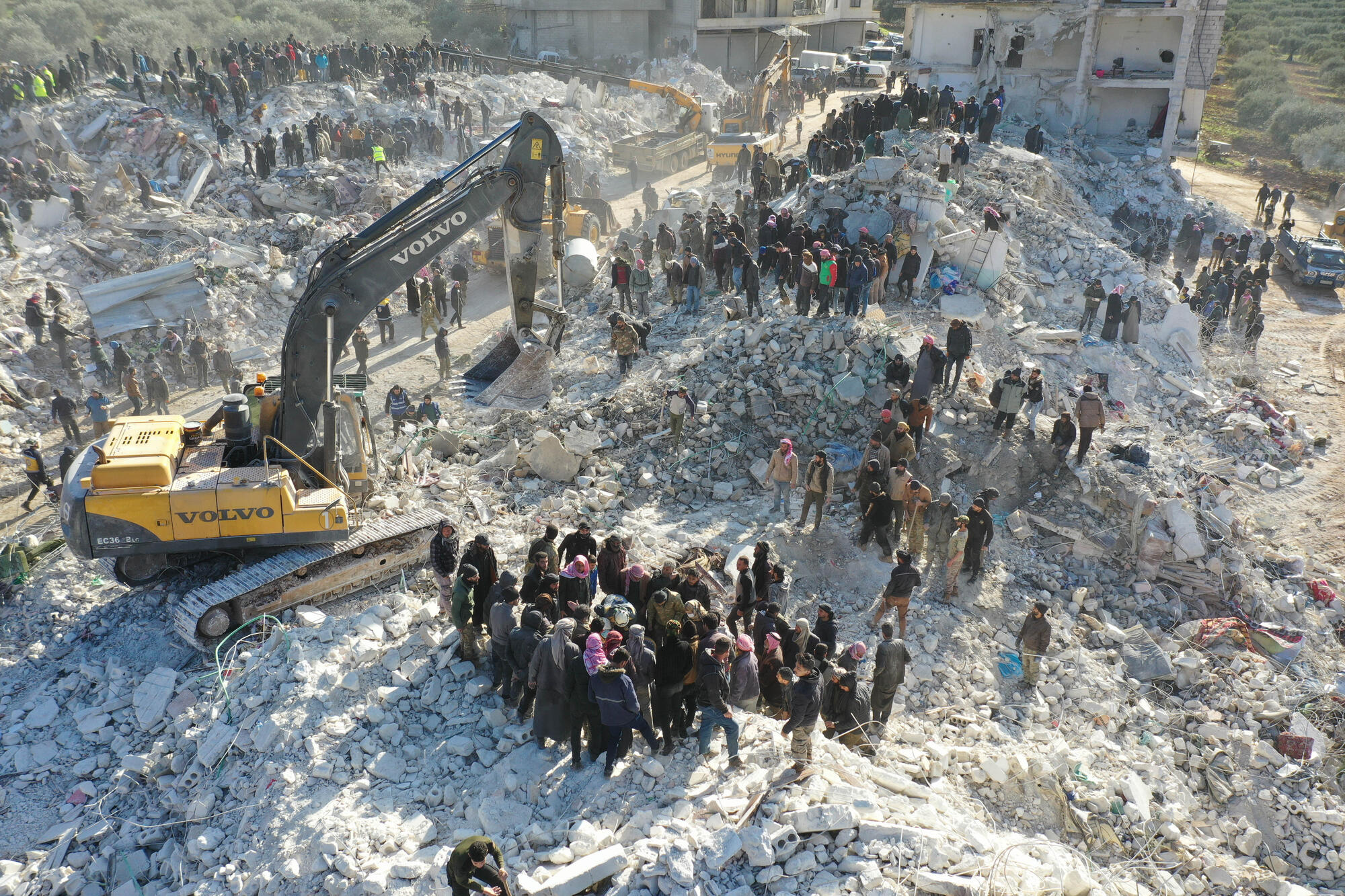
People gather amongst the rubble of destroyed buildings in Idlib province. Northwest Syria, 7 February 2023. OMAR HAJ KADOUR/MSF

“The earthquakes created more poverty, homelessness and displacement, and caused a decline in people’s living conditions, worsening the economic situation and the functioning of the education system and causing damage to infrastructure,” says MSF head of mission Thomas Balivet. “In addition, thousands of children lost caregivers or suffered physical injuries and amputations. All of these factors have exacerbated the mental health situation for thousands of people across the region.”

Before last February, many people in northwest Syria had already been displaced from their homes by the war. In the aftermath of the quakes, they found themselves destitute – without shelter, food, clean water or other basic essentials.

“We left our hometown in Saraqib, east of Idlib, because of the war and constant shelling, and after years of being displaced and looking for safety, we settled in Afrin, further north,” says Hind. “The house we stayed in had no walls – we hung up blankets for shade and privacy. My husband used to work but we barely had enough to eat. Then the earthquake happened and we lost everything again.”  

The first quake, of magnitude 7.8, left a swathe of destruction reminiscent of the war damage that already scarred northwest Syria.

Omar Al-Omar, MSF mental health supervisor in Idlib, remembers the first hours after the earthquake. “At the break of dawn, I went down to Salqin, a town in Idlib province. I saw entire buildings collapsed and turned into rubble. What hurt me the most was hearing the voices of people under the rubble asking for help, while I was unable to provide assistance. Then I went to Salqin hospital, which is co-managed by MSF. When I entered, I was shocked by the sight of the wounded and corpses in the rooms and corridors of the hospital. I was no longer able to stand – I sat on the ground and burst into tears. In the hospital, we could feel the aftershocks, and every moment large numbers of wounded and injured people entered the hospital. It was a night that will remain engraved in my memory until the last day of my life.”

Even before last February, the healthcare system in northwest Syria was struggling, with underfunded medical facilities and limited services. The earthquakes damaged 55 health facilities, leaving them unable to function fully. As well as medical assistance, people across the region needed toilets, showers, heating systems, winter clothing, generators, blankets, hygiene kits and cleaning products. 

In the hours following the first quake, MSF teams provided emergency medical care and immediately started distributing MSF’s existing stocks of essential relief items. In the following days, MSF sent 40 trucks loaded with medical and non-medical items to the area, including food and shelter materials. Meanwhile MSF water and sanitation experts constructed toilets and showers for earthquake survivors and provided them with clean drinking water.

“Following the acute phase of the emergency response, our focus shifted towards providing shelter, food and relief items, ensuring access to healthcare as well as water and sanitation services,” says Balivet. “The lack of these basic necessities has had a profound impact on people’s mental health.”

One year on, the physical destruction caused by the quakes is less visible than before, but the impact on people’s mental health is stark.

“Since the earthquake, cases of post-traumatic stress disorder and behavioural problems have surged, especially among children,” says Omar, “in addition to panic attacks, various types of phobias and psychosomatic symptoms.”

Addressing people’s mental health needs

MSF has provided mental health services to people in northwest Syria since 2013. After the earthquakes, MSF launched a comprehensive mental health initiative as part of its emergency response. Mobile teams of mental health counsellors were deployed to provide psychological first aid, as well as specialist counselling for moderate and high-risk patients, in 80 locations across the region. They also ran sessions to help people deal with both their immediate psychological reactions and the emotions that come later. MSF teams provided a total of 8,026 individual mental health consultations in the aftermath of the earthquakes.

‘Safe spaces’ for women and children

MSF also set up a ‘safe spaces’ programme in four locations in northern Aleppo and Idlib provinces, in collaboration with partner organisations, to provide places where women and children could take a moment of respite from the harsh reality outside. These activities are still running, with three additional sites added in Idlib province. Within these dedicated tents, women and children engage in games and activities, such as drawing, take part in group sessions, or simply sit and rest. Whether engaged in quiet contemplation or lively conversation, the women and children in these spaces find a refuge where they can momentarily disconnect from the weight of their troubles and simply breathe.

Some 25,000 women and children have used the safe spaces; MSF teams also referred 1,900 of the women and children to other organisations to receive follow-up treatment for physical or mental health issues.

Hind, who frequently visits one of MSF’s safe spaces, says: “When I come inside the safe space, I forget everything, I forget the agony and fear. My children come with me and play. We all forget the fear, we all forget what happened after the earthquake.”

Living amidst the rubble of the conflict and the earthquakes, people in northwest Syria still need clean water, food, shelter and access to essential healthcare. “Investment in improving the living conditions of the people of northwest Syria is essential,” says Balivet. “Only by addressing the root causes of suffering can we hope to pave the way towards recovery.”

Facebook
Twitter
LinkedIn
WhatsApp
Print