Lebanon: Five things you need to know

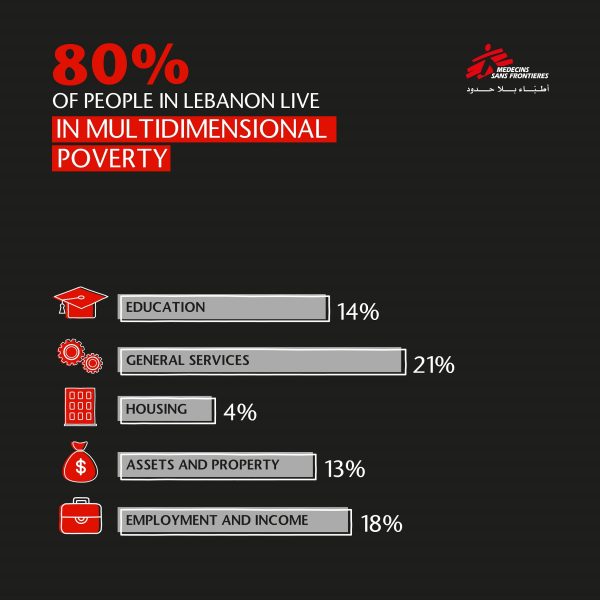
Lebanon is now in its fourth year of a deep economic, political and social crisis. This multifaceted crisis is pushing the country’s population to the brink, with over 80 per cent of people living in multidimensional poverty[1] and 1.4 million people facing acute food insecurity[2]. The crisis is severely impacting healthcare services, as the already frail public health system struggles to respond to the growing needs. Over 30 per cent of households’[3] report being unable to access healthcare, and essential medicines are increasingly scarce.

Lebanon Eco Crisis Pic 1

Lebanon is also home to 1.5 million Syrian refugees[4], the world’s highest per capita refugee population, Palestinian refugees[5] and migrant workers[6]. These communities faced difficulties before the crisis, but the ongoing turmoil has worsened their situation.

1. What is the current situation?

As of January 2023, an estimated four million people in Lebanon are in need of humanitarian assistance.[7]

In 2019, Lebanon began experiencing the initial signs of economic decline, marked by increasing unemployment, inflation and deteriorating infrastructure.

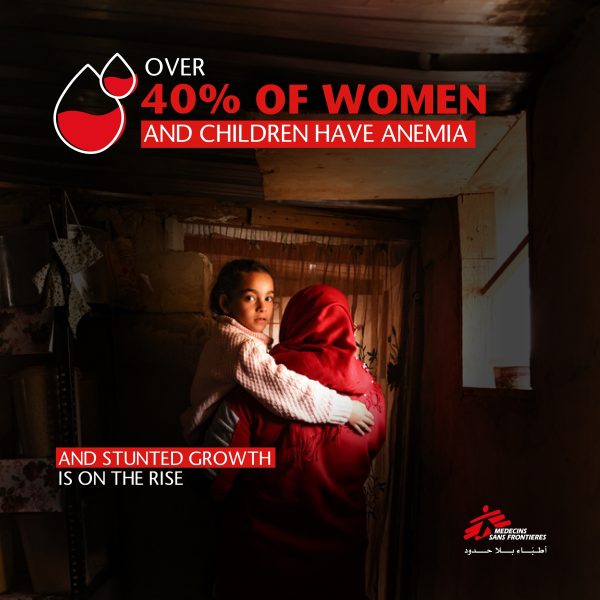
In subsequent years, the economic crisis has continued to worsen, with the country’s annual inflation reaching 190 per cent in February 2023. The minimum amount of money required to cover essential needs has risen by a staggering 19,000 percent since 2019. This dramatic increase in inflation has severely affected people’s ability to afford basic goods and services, including food and healthcare leaving more than 40 per cent of children and women grappling with anaemia, while stunted growth is on the rise. [8]

Lebanon Eco Crisis Pic 2
A mother holding her daughter who just recovered from cholera in Arsal, Bekaa Valley, Lebanon. Taken on November 24th, 2022 (Carmen Yahchouchi/MSF)

This is further complicated by the persistent political deadlock in the country, stemming from Lebanon’s social and political landscape.

2. What are the impacts of the crisis on healthcare services in Lebanon?

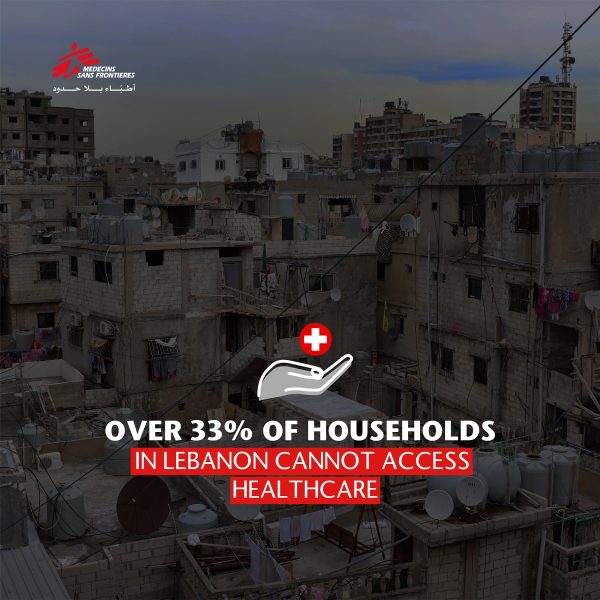
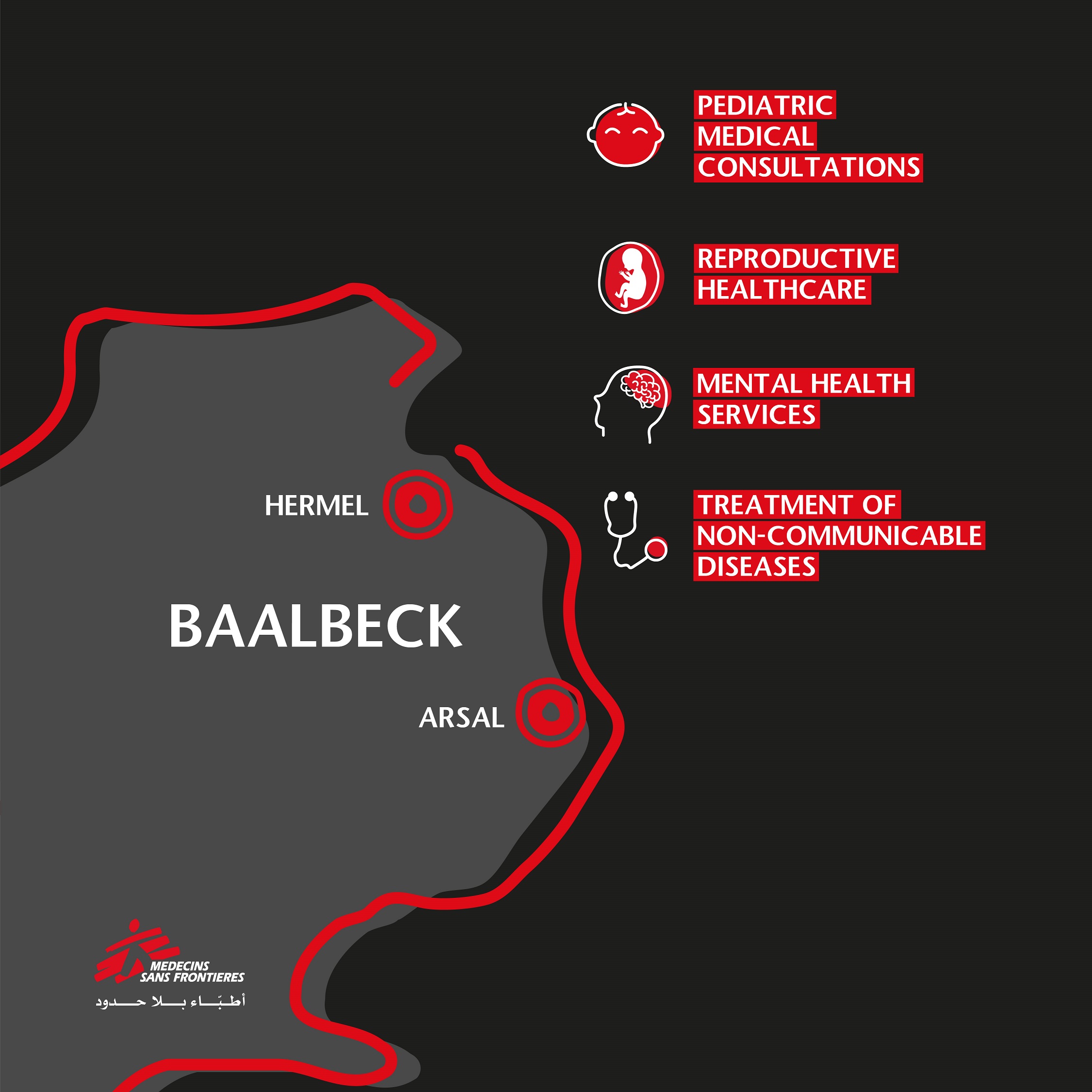
Lebanon’s healthcare system is predominantly privatised. Although a public health system does exist, it remains fragile and with limited capacity due to years of neglect and lack of proper funding, making it categorically inadequate to handle the increasing healthcare demands. As a result, a growing number of individuals are relying mainly on humanitarian aid for medical care. Importantly, 33 per cent of households[9] report being unable to access healthcare, and more than half of the population struggles to obtain essential medicines. In the northeast regions of Arsal and Hermel, where Médecins Sans Frontières (MSF) offers primary healthcare, the teams have observed a 67 per cent increase in the influx of non-communicable disease patients seeking care in our clinics, rising from 2,890 in 2019 to 4,828 patients by early 2023.

MSF teams have observed a concerning trend where some patients are choosing to forgo seeking medical care altogether because they cannot afford it, particularly when hospitalisation is needed. While MSF primarily provides primary healthcare services in our facilities, we are witnessing a growing number of patients with complex medical conditions coming to us in search of alternative solutions to hospitalisation, driven by the fear of exorbitant hospital expenses. In some cases, patients decline referrals to hospitals even when it is medically necessary.

At the same time, a significant number of doctors and nurses have either emigrated or opted for part-time work abroad, significantly diminishing the quality of secondary healthcare.

Lebanon Eco Crisis Pic 3
Shatila refugee camp that runs only 4 kilometers away from downtown Beirut on February 5th, 2018 (Elisa Fourt/MSF)

3. What is the impact of the economic crisis on refugees and migrants?  

The economic crisis in Lebanon has disproportionately affected refugees and migrant workers residing in the country. These communities were already living in challenging conditions, and the crisis has only exacerbated their vulnerability.

View from an alley in Rif Al Sham informal tented settlement (ITS) in Arsal, northeast Lebanon. Taken on December 8th, 2020 (Karine Pierre/Hans Lucas for MSF)

Syrian families, who initially sought stability and security in Lebanon, now struggle to meet even their basic needs, with nine out of 10 relying on humanitarian assistance to survive. While humanitarian aid is needed more than ever, funding of aid targeting Syrian refugees’ population has dwindled in recent years. A striking example of this was UNICEF decreasing its supply of clean water from 30L to 7L (back to 20L recently) per person just weeks before the cholera outbreak in Lebanon. Consequently, MSF teams have witnessed a troubling surge in skin infections since the beginning of the year, highlighting the dire living conditions.

Simultaneously, Lebanon’s economic and political impasse have brought about a concerning rise in anti-refugee sentiment. Discriminatory measures, heightened surveillance, and restricted human rights have become commonplace for Syrian refugees.

4. What about the recent cholera outbreak?

Lebanon had been free of cholera for three decades until the recent outbreak in 2022, making its resurgence a clear signal of deteriorating living conditions.

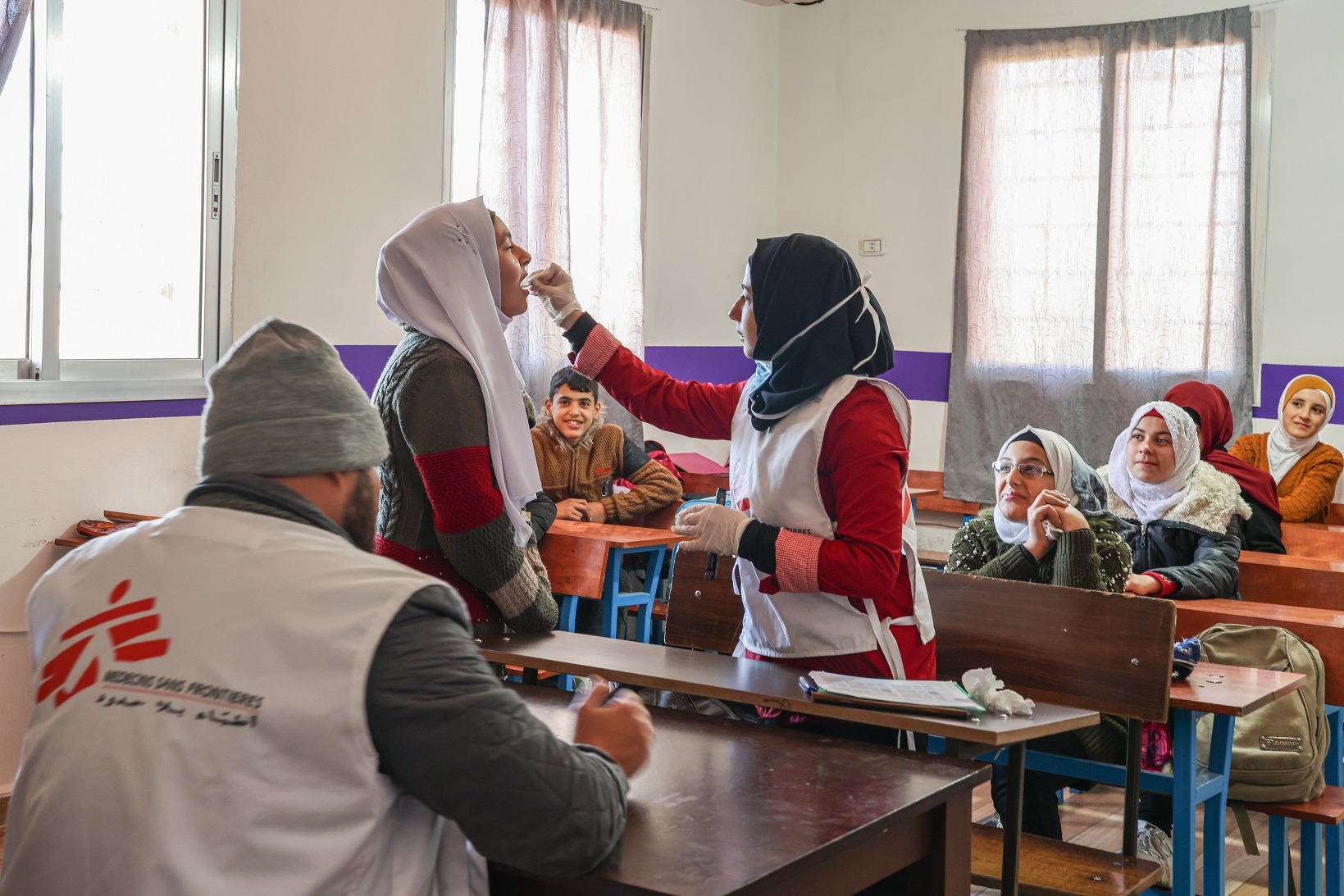
MSF teams vaccinating against cholera in a school in Arsal, Lebanon. Photo taken on November 23rd, 2022 (Carmen Yahchouchi/MSF)

Cholera is a disease that spreads primarily due to the lack of clean water and proper sanitation. Its resurgence in Lebanon after decades of being non-endemic is a stark indicator of the failing infrastructure within the country.

5. How is MSF responding?

MSF has maintained a continuous presence in Lebanon since 2008, ensuring access to free healthcare for the most vulnerable communities, including Lebanese citizens, displaced populations, and migrant workers.

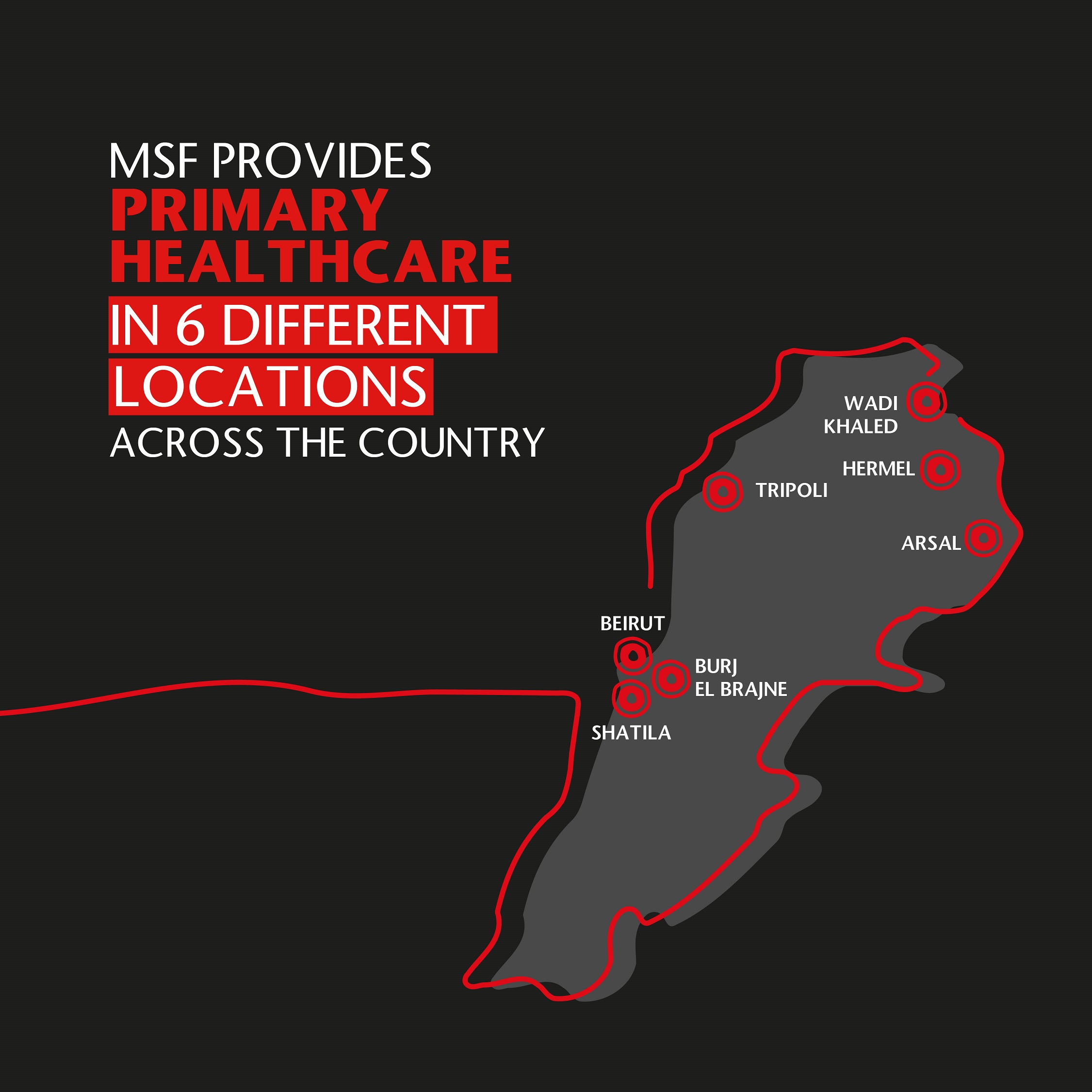
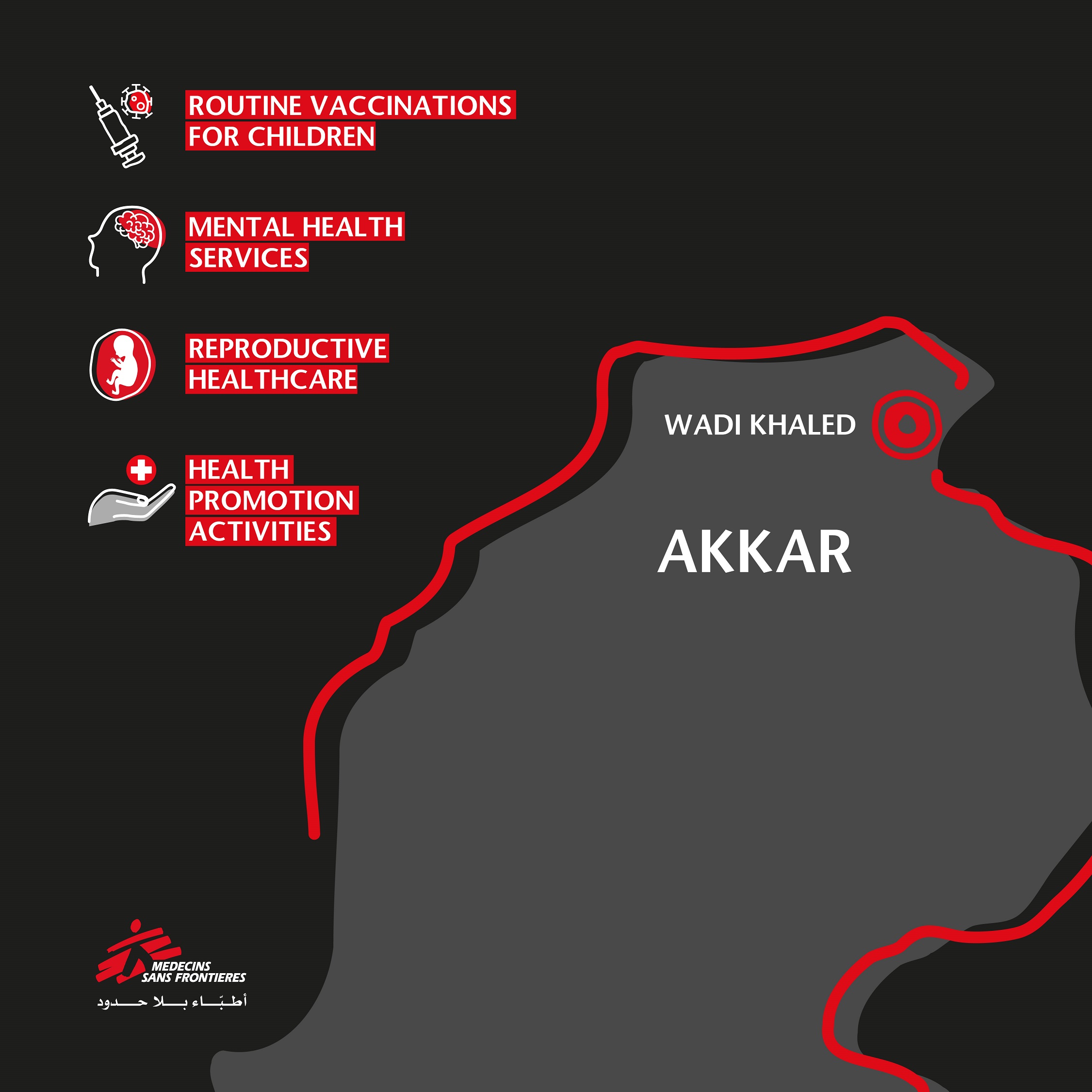
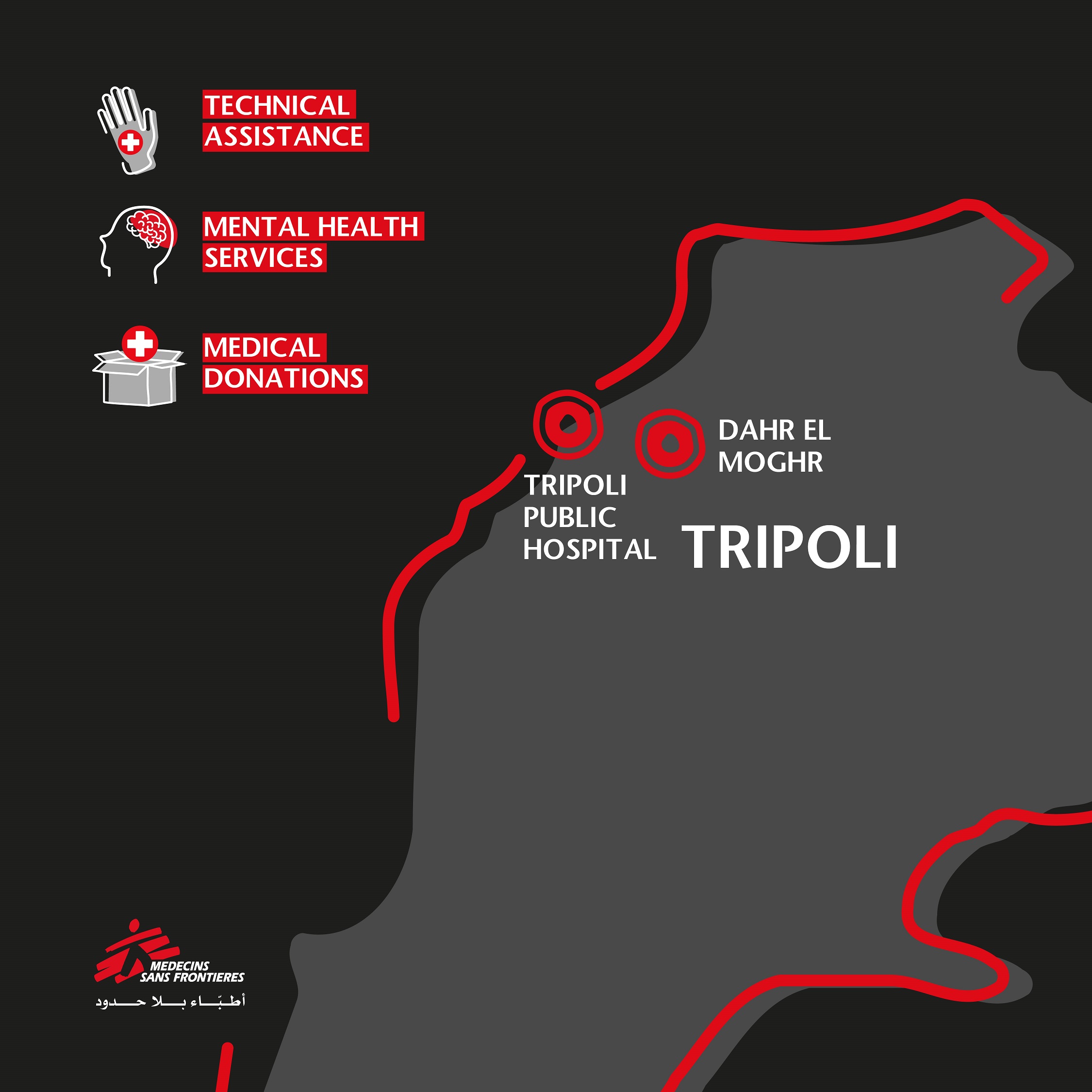
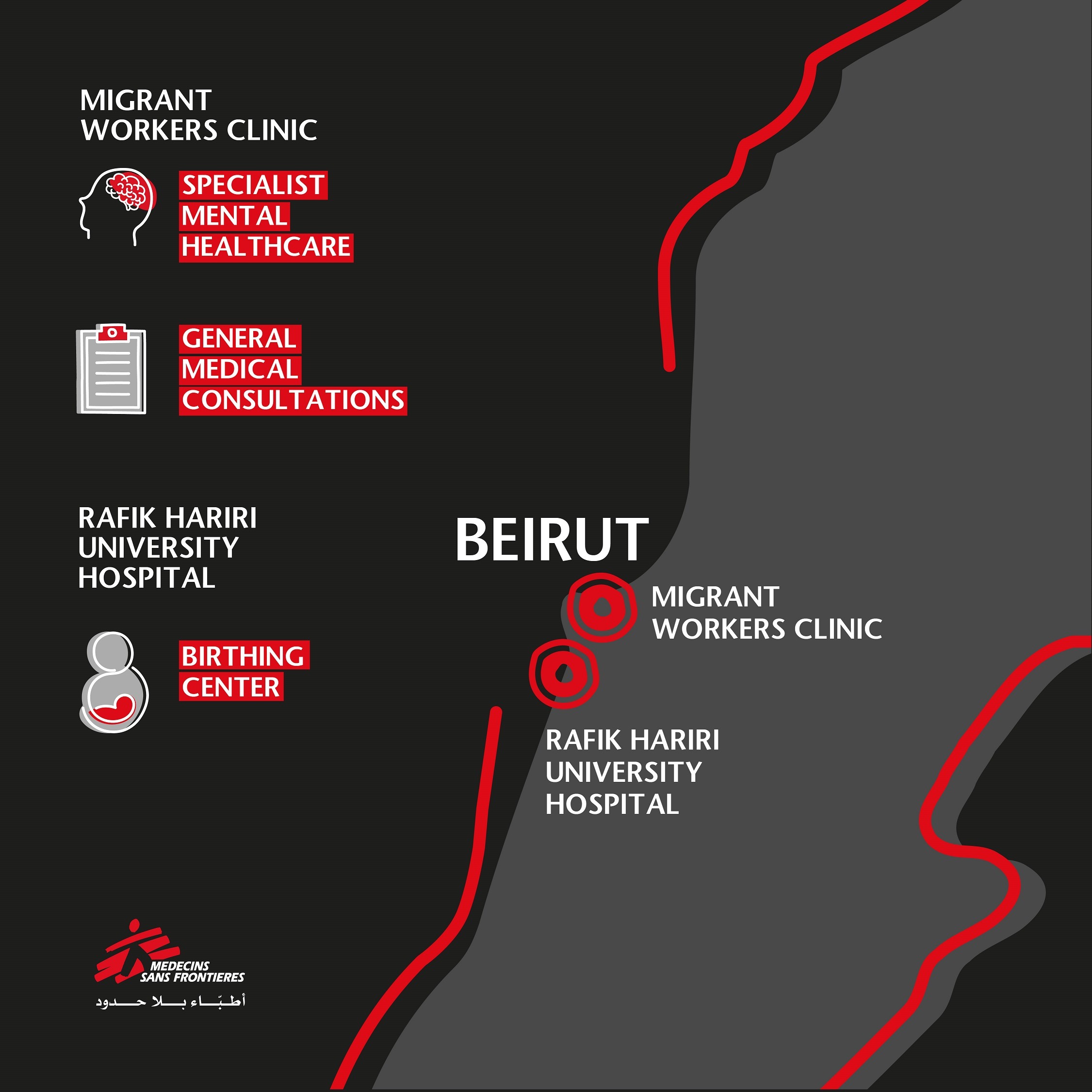
MSF has a total of six primary healthcare clinics across the north, northeast of the country, and Beirut including a birth centre in Rafik Hariri University Hospital (RHUH) in Beirut. Healthcare services span from reproductive health support and mental health services to the treatment of non-communicable diseases and routine vaccinations for children.

In addition, our strategy involves strengthening the capacities of healthcare providers at both local and national levels, aligning with our vision of fostering a sustainable, long-term response. This entails extensive staff training, the donation of vital medicines, incorporating mental health and social work services into these healthcare facilities, medical supplies, and the initiation of capacity-building programs for a diverse range of healthcare facilities throughout Lebanon. Additionally, we are partnering with local organization to amplify community-led initiatives to address the rapidly evolving needs.

Four Years of Unraveling: Exploring the Depths of Lebanon's Protracted Economic Crisis
Facebook
Twitter
LinkedIn
WhatsApp
Print

At COP28, more failure is not an option for vulnerable communities

At COP28, more failure is not an option for vulnerable communities

Geneva, 23 November 2023 – Too little is being done to protect the most vulnerable people against the negative impacts of climate change, warns international medical organisation Médecins Sans Frontières (MSF). World leaders gathering in Dubai for COP28 must take urgent measures to protect the health of the most affected communities.

The world’s most vulnerable people are paying with their health and their lives for a problem they did not create. It is both absurd and tragic that those who are the least responsible for the emissions that generate the climate emergency are left to suffer the consequences. This shows that we are not just in a crisis of climate, but also in a crisis of humanity and solidarity.
Dr Christos Christou, MSF International President
The health impacts of the climate crisis

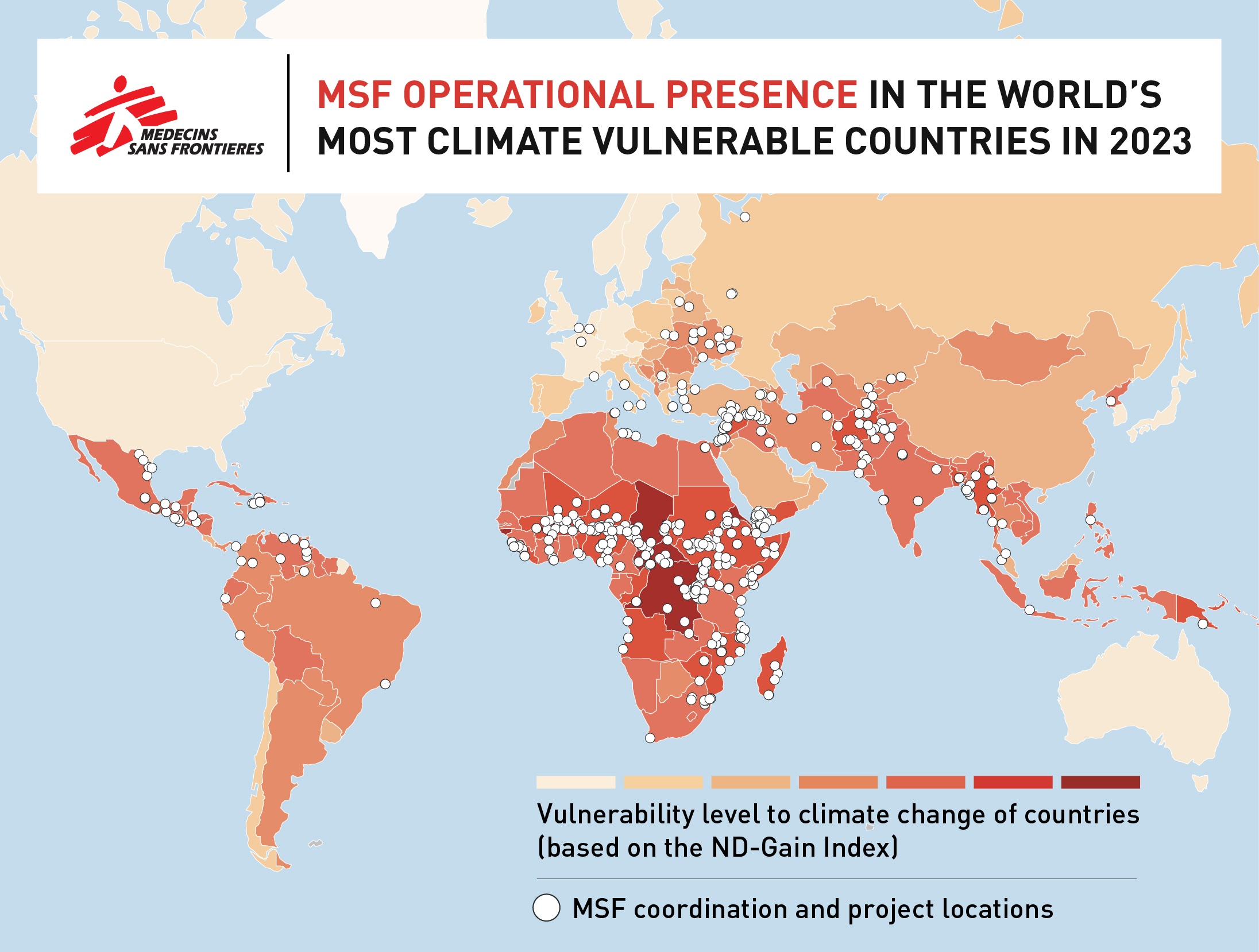
The climate emergency is a health and humanitarian emergency. Severe health impacts of climate change are already affecting people across the globe and are projected to increase over time as the planet heats up. MSF works in many of the world’s most climate-vulnerable settings and treats patients experiencing the health impacts of climate change first-hand.

In 2023, we have continued to witness and respond to the consequences of such events, including widespread flooding in South Sudan, severe cyclones in Myanmar, Madagascar and Mozambique, and relentless heat and extended droughts that have driven millions to the edge of starvation throughout the Horn of Africa. We have also responded to multiple concurrent cholera outbreaks in several countries and alarmingly high rates of dengue across the Americas. The deadly mix of malaria and malnutrition has kept our paediatric wards full across the Sahel, including in eastern Chad, where people fled to from gruesome conflict in Sudan.

This is not a future problem; it is happening now. We see it in our waiting rooms, and it is happening because global political leadership has failed to deliver on commitments to curb emissions and deliver on their promises to support the most affected countries to adapt.
Dr Christos Christou, MSF International President

As the Parties to the Conference take stock of the progress to meet climate goals, it is already clear that lack of climate action has put people’s health at great risk. Failing to cap global heating at 1.5  degrees Celsius is an existential threat for many people in the humanitarian contexts where MSF works.

The most affected communities and countries have repeatedly asked for, but are not receiving, the support they need to deal with the consequences of climate change. They need real commitment to reduce greenhouse gas emissions and they need concrete financial and technical support. These communities need to see climate action that equals the scale of the climate emergency. The world cannot continue to look on as humanitarian crises become more severe, and the world’s most vulnerable people continue to bear the consequences.

We cannot afford another failure, how many more years will go by, how many more COPs, and how many more lives will be affected – or lost – before concrete measures are decided and acted upon?
Dr Christos Christou, MSF International President
Nelson Domingos Nuvunga - MSF nurse, Nampula province, Mozambique
Adamo Armando Palame, health promotion supervisor in Mozambique
Climate change in Madagascar
Ana León - MSF doctor in San Pedro Sula
Facebook
Twitter
LinkedIn
WhatsApp
Print

MSF doctors killed in strike on Al Awda hospital in Northern Gaza

MSF doctors killed in strike on Al Awda hospital in Northern Gaza

November 21, 2023 – Médecins sans Frontières/Doctors Without Borders (MSF) is horrified by the killing of two MSF doctors, Dr Mahmoud Abu Nujaila and Dr Ahmad Al Sahar, and a third doctor working with Al Awda, Dr. Ziad Al-Tatari, following a strike on Al Awda Hospital, one of the last remaining functional hospitals in Northern Gaza. Our thoughts are with their families and all colleagues mourning their death.

Dr Abu Nujaila and Dr Al Sahar were in the facility when it was hit on the third and the fourth floors. Other medical staff, including MSF staff were also severely injured. MSF has regularly shared information about Al Awda as a functioning hospital and the presence of its staff in Al Awda to warring parties. GPS coordinates were also shared with Israeli authorities yesterday. 

We condemn this strike in the strongest terms and yet again call for the respect and protection of medical facilities, staff and patients.

At time of writing, more than 200 patients are still in Al Awda and are unable to receive the level of care they need. These patients must be urgently and safely evacuated to other hospitals that are still functioning although all hospitals in Gaza have been working beyond their capacities since October due to ongoing shortages, attacks and extremely high caseload.

This is yet another incident that MSF staff have been subject to in the last few days. Our colleagues who are assisting hundreds of patients in Gaza are facing extremely difficult times in providing the little medical care they can. Seeing doctors killed next to hospital beds is beyond tragic, and this must stop now.

Attacks on medical facilities are a serious violation of International Humanitarian Law, and this has become systematic in the past weeks. We reiterate our call for an immediate ceasefire in Gaza, now more than ever, the lift of the siege, and the protection of medical facilities and medical staff.

MSF has been working in Al Awda since 2018, providing reconstructive surgeries for adults and trauma surgeries for children. We pay tribute to the courage of our colleagues, and we will always remember them.

Facebook
Twitter
LinkedIn
WhatsApp
Print

Gaza: MSF condemns deliberate attack on a convoy transporting staff, resulting in one death and one injury

Gaza: MSF condemns deliberate attack on a convoy transporting staff, resulting in one death and one injury

On 18 November 2023, an MSF staff’s relative died and another one was injured in an attack on an MSF convoy trying to evacuate 137 people – MSF Palestinian staff members and their families. They were trapped for a week in MSF premises located near Al-Shifa hospital in Gaza. MSF condemns in the strongest terms this deliberate attack. 

This morning, at 9:00 am local time, an MSF convoy composed of five cars, all clearly marked with MSF identification, including on the cars’ roofs, with 137 people, composed of MSF Palestinian staff members and families, among them 65 children, left the MSF premises (guesthouse, office, outpatient clinic located near Al-Shifa hospital) heading southern Gaza for a safer place. Since 11 November, they have been trapped under fire because of ongoing fighting and since then, MSF has repeatedly called to safely evacuate them.  

MSF had informed both parties to the conflict of this movement. The convoy went through the itinerary indicated by the Israeli army and reached Salah Al Deen street, along with other civilians trying to leave the area.

The convoy reached the last checkpoint near Wadi Gaza, which was overcrowded at that time due to extensive screenings of Palestinians by Israeli forces. Despite the information shared with the Israeli army, they weren’t allowed to cross the checkpoint for hours. Shots were later heard by our staff, pushing them to turn back out of fear and to head back to MSF premises, located around 7 kms from the checkpoint.

On their way back, between 3:30 pm and 4:00 pm local time, the convoy was attacked in Al-Wehda street near the junction of Said Al A’as Street, near the MSF office. Two of the MSF cars were deliberately hit, killing one MSF staff’s family member and injuring another.

MSF calls again to urgently allow the evacuation of our staff, as well as of thousands of other people, trapped by fighting and living in extremely dire conditions in northern Gaza.

We are calling for an immediate ceasefire, which is the only way for corridors to be implemented in order to safely evacuate trapped civilians.

Facebook
Twitter
LinkedIn
WhatsApp
Print

Gaza: Trapped by days of unrelenting fighting, thousands of civilians are at risk of dying, including over a hundred MSF staff and their families

Gaza: Trapped by days of unrelenting fighting, thousands of civilians are at risk of dying, including over a hundred MSF staff and their families

Intense unabated fighting and shelling in Gaza city continue to prevent thousands of people from safely leaving the area. Over the past six days, MSF has been trying to evacuate some of its staff and their families – 137 people, 65 of them children – currently trapped inside MSF premises located near Al-Shifa hospital. We are urgently calling for a ceasefire which is the only way for corridors to be implemented in order to safely evacuate thousands of civilians, including MSF staff and relatives.

Since last Saturday, MSF staff and families haven’t been able to go outside because of ongoing fighting. On Tuesday 14 November, bullets were fired into the MSF guesthouse, luckily causing no casualties. Yesterday, the office building was hit by shrapnel and the guesthouse’s water tank was shelled. Today, our staff reported high intensity fighting getting very close to them. Thousands of civilians trapped in hospitals and other places in Gaza city currently suffer the same fate and are at risk of dying in the coming days, if not hours.

“Our colleagues hear the constant sounds of gunfire, shelling, and drones. We can hear it when we speak with them on the phone. The evacuation route to southern Gaza remains unsafe,” says Ann Taylor, MSF Head of Mission in the occupied Palestinian territories.

“They are terrified, they ran out of food several days ago and children have now started getting sick from drinking salty water, they must be evacuated now,” added Taylor.

Facebook
Twitter
LinkedIn
WhatsApp
Print

Diabetes Care: Insulin Pens and Stories of Resilience

Diabetes Care: Insulin Pens and Stories of Resilience

People assume I’m 50 years old while I’m only 40. We’ve aged a lot ever since [my daughter’s diagnosis]. I still think about her future. It is exhausting.
Siwar's Father

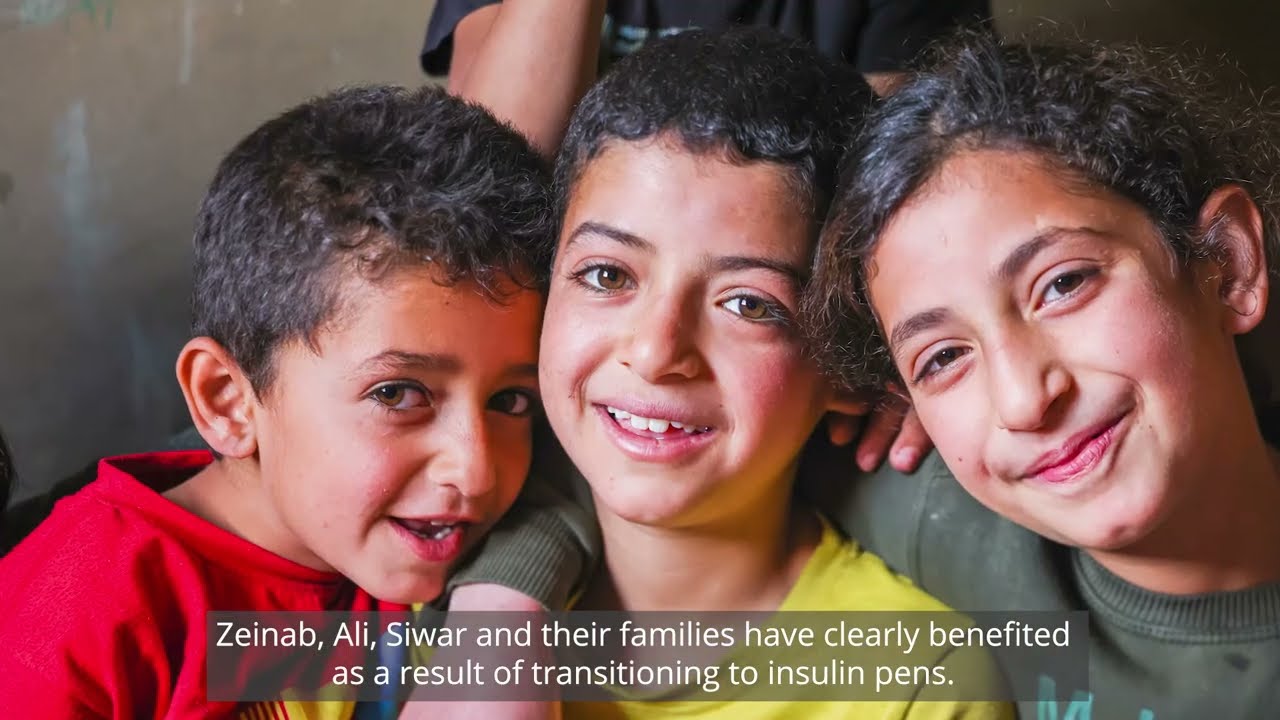
Siwar is a six-year-old girl, is being treated for type 1 diabetes by the Medecins sans Fronteires (MSF) medical team in Arsal, a town in north-eastern Lebanon.   

Siwar is a six-year-old girl, is being treated for type 1 diabetes by the Medecins sans Fronteires (MSF) medical team in Arsal

Living with constant anxiety, Siwar’s father shares the experience of many parents whose children are living with type 1 diabetes and who must, therefore, inject insulin every day simply to stay alive. 

Diabetes is a complicated disease that requires meticulous care. People living with type 1 diabetes need to regularly inject insulin daily to stay alive and healthy for the rest of their lives. Sudden imbalances in blood sugar levels, if not monitored, can have serious complications and long-term side effects. Type 1 disease impacts people of all ages, including infants, children, and adolescents, making it difficult for both parents or caregivers and patients alike to adapt to this lifelong chronic disease. 

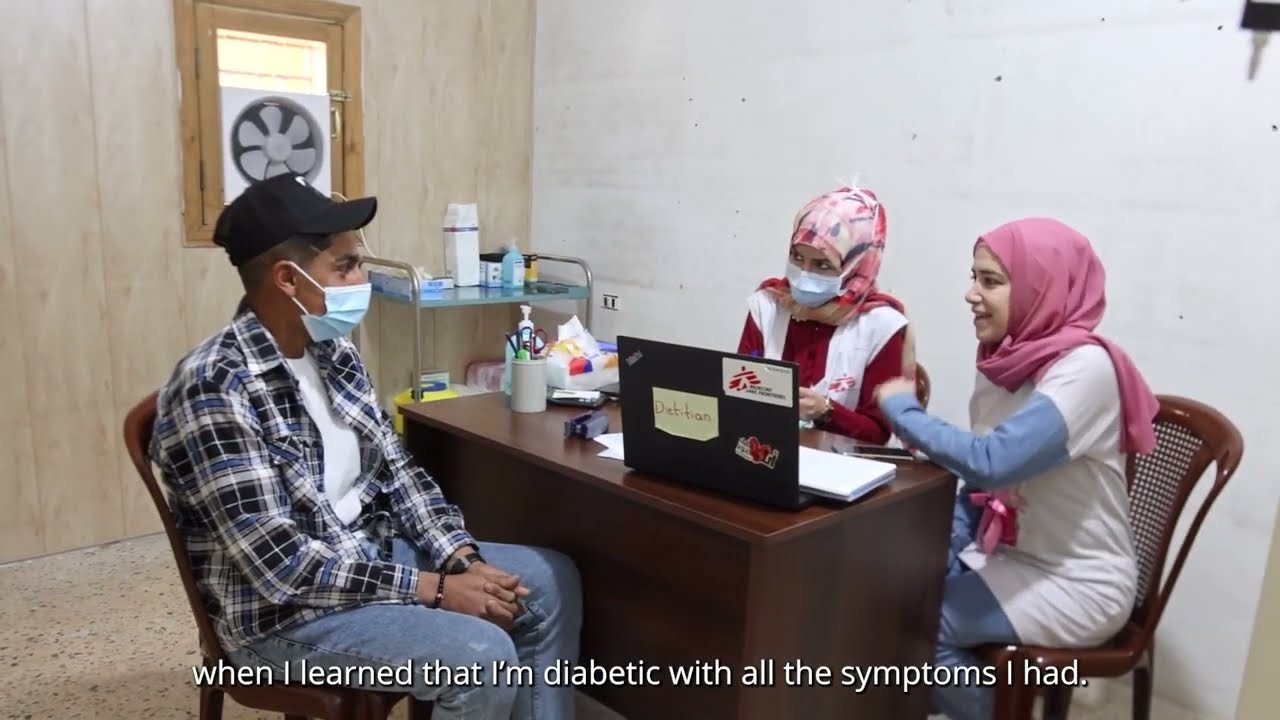
Since 2022, MSF introduced insulin pens as part of the care provided for patients living with diabetes in our clinics in Arsal and Hermel, in the northeast of Lebanon, to ease an aspect of the challenges individuals with diabetes face. Insulin pens, unlike traditional syringes, come pre-filled, eliminating the need to draw insulin from vials and simplifying the process. With a dial or push-button mechanism, precise dose adjustments reduce the risk of inaccurate dosing and potential complications. The compact, robust, and portable nature of insulin pens benefits individuals on the go, like displaced populations or refugees, enhancing adherence to treatment plans. Their use improves adherence and quality of life, especially for challenging cases such as children and adolescents managing diabetes. 

Life with diabetes is a challenge at baseline for any of us, no matter how privileged or underprivileged we are… but for people who lack a safe space or proper housing, food security, refrigeration, access to electricity… these kinds of things… really facilitate an ease in their daily lives, the logistics of being able to stay alive because that’s what insulin is for a type 1 diabetic.
Dr. Beverly Prater, MSF chronic disease doctor
In MSF clinics in Arsal and Hermel, northeast of Lebanon, all people with type 1 diabetes have switched from vials & syringes to insulin pens.

Explore more stories from patients and staff about how these changes have not only improved medical outcomes but also enhanced the quality of life for those living with chronic conditions. 

Ali, 16, from northeastern Lebanon, was 7 when he was diagnosed w/ type 1 #diabetes. It was hard to adapt to #insulin injections w/ syringes, 5 times daily. But: “When I started using insulin pens, I also started going outside again and seeing friends.”
For fun-loving Moussa, 10, diagnosed w/ #diabetes at age 3, insulin pens allow him to take charge of his treatment and live a ‘normal’ life. “I have been using insulin pens for the last year...I take it at home or at school & even when there’s a party. I’m used to it now."
Facebook
Twitter
LinkedIn
WhatsApp
Print

Patients and medical staff in Gaza trapped in hospitals under fire – Attacks must stop now

Patients and medical staff in Gaza trapped in hospitals under fire – Attacks must stop now

Over the past 24 hours, hospitals in Gaza have been under relentless bombardment. Al-Shifa hospital complex, the biggest health facility where MSF staff are still working, has been hit several times, including the maternity and outpatient departments, resulting in multiple deaths and injuries. The hostilities around the hospital have not stopped. MSF teams and hundreds of patients are still inside Al-Shifa hospital. MSF urgently reiterates its calls to stop the attacks against hospitals, for an immediate ceasefire and for the protection of medical facilities, medical staff and patients. 

“We are being killed here, please do something” texted one of MSF nurse from Al-Shifa hospital basement this morning, where he and his family were sheltering from the incessant bombing. ​​“four or five families are sheltering now in the basement, the shelling is so close, my kids are crying and screaming in fear.”

“The situation in al-Shifa is truly catastrophic. We call on the Israeli Government to cease this unrelenting assault on Gaza’s health system. Our staff and patients are inside Al-Shifa hospital where the heavy bombing has not stopped since yesterday”, says Ann Taylor, MSF’s Head of Mission in the Occupied Palestinian Territories. 

Al-Shifa hospital is the principal hospital complex in Gaza Strip, with 700 beds, providing emergency and surgical care. There are currently no other facilities in the Strip able to admit and treat as many patients with complex, sometimes life-threatening injuries. Despite regular attacks and shortages, the staff has managed to keep the hospital operational. Yesterday, Al-Shifa hospital lost electrical power. The ambulances can no longer move to collect the injured, and non-stop bombardment prevents patients and staff from evacuating. At the time of writing, our staff are witnessing people being shot at as they attempt to flee the hospital. 

“There are a lot of patients already operated on and they cannot walk. They cannot evacuate, said Dr Mohammed Obeid, MSF surgeon at Al-Shifa hospital. We need an ambulance to move them, we don’t have ambulances to evacuate all of these patients”.

“We cannot leave because from [yesterday] morning until now, we operated on about 25 patients. If I am not here or the other surgeon, who will take care of the patients? asked Obeid. There is a patient who needs surgery, another one is already sleeping [under anesthesia].”

MSF denounces the death warrant of civilians currently trapped in Al-Shifa hospital signed by the Israeli military. There needs to be an urgent and unconditional ceasefire from all warring parties; humanitarian aid must be supplied to the entirety of the Gaza Strip now.

MSF has lost contact with a surgeon, working and sheltering in Al-Quds hospital with his family. Other health facilities, including Al Rantisi hospital which MSF has also supported in the past, were reportedly surrounded by Israeli tanks. 

We urge the US, UK, Canada, Member states of the League of Arab States, Member states of the Organisation of the Islamic Cooperation and the European Union who have repeatedly called for the respect of International Humanitarian Law (IHL) to take action to ensure a ceasefire now. The horrors unfolding before our eyes in Gaza clearly show that calls for restraint and adherence to IHL have gone unheeded. Working purposefully to reach a ceasefire is the most effective way to ensure the protection of civilians.

Thousands of people have been wounded since October 7, many of whom are in critical condition and will require complex surgeries and sustained treatment for weeks, if not months. This can only be done with a total ceasefire and the unconditional supply of humanitarian aid including access to food, fuel and water; the survival of people in Gaza depends on this.

Facebook
Twitter
LinkedIn
WhatsApp
Print

Israeli forces and settlers ramp up violence against Palestinians in West Bank

Israeli forces and settlers ramp up violence against Palestinians in West Bank

It’s 2.30 am and doctors are huddling outside the entrance to Jenin hospital in the West Bank in the occupied Palestinian territories. A brief lull in the ricocheting gunfire is followed by the sound of men shouting and the screeching of tyres as a three-wheeled auto-rickshaw, or tuk-tuk, turns into the gates of the hospital. Soon, the bundle of bloody bodies on the back starts to take shape.

Young men with bullet holes in their abdomens and lower thighs are laid on stretchers and pushed to the emergency room, where they are examined, bandaged and rushed to the operating theatre.

Most of the patients we receive have been shot in the abdomen and the legs, Ssome have had their liver and spleen shattered while others have severe vascular injuries.
Dr Pedro Serrano, MSF intensive care unit doctor
We had one very sad case of a guy who was walking just outside the hospital entrance when he was shot in the head by a sniper. The violence is ongoing and most patients we receive have life-threatening injuries.
Dr Pedro Serrano, MSF intensive care unit doctor

Since the deadly war on Gaza began on 7 October, there has been an overspill of violence across the West Bank. In Jenin, MSF emergency doctors have been called to the public hospital nearly every night, as Israeli incursions with tanks and ground troops batter the city. Over the past month, Israeli forces have killed 30 people and injured at least 162 more in Jenin city alone.*

Local paramedics in Jenin refugee camp have to use a tuk-tuk, donated by MSF, to weave through the narrow alleyways of the camp to collect the wounded. Israeli forces often block the entrance of the camp, making it near impossible for ambulances to get in and out with the critically wounded in time to save their lives.

Outside the hospital, an ambulance pierced by bullet holes is surrounded by a group of paramedics who stare blankly into the buzzing night. One says they were shot at while attempting to reach wounded people in the camp, forcing them to evacuate the ambulance and take cover on the ground for 20 minutes until the Israeli forces left.

The trail of destruction can be seen not only through the people with gunshot and shrapnel wounds at Jenin hospital, but also in the city itself, where infrastructure and symbolic Palestinian buildings have been torn up and destroyed by bulldozers and tanks.

Violent incursions and incidents are not unique to Jenin. Across the West Bank, 165 Palestinians have been killed since 7 October and more than 2,400 have been injured, according to the Palestinian authorities.

In addition, as many as 6,000 Gazans who had jobs in Israel before the war, but whose work permits have since been cancelled, now find themselves living in displacement centres across the West Bank, according to the Palestinian Ministry of Labour.

MSF teams visit these displacement centres to donate medical supplies, including medications for non-communicable diseases, and offer mental health support. Some patients have told MSF staff that they were beaten, humiliated and abused while being detained by Israeli forces in the weeks since 7 October.

We have treated some patients who showed signs of being tied up and beaten, reportedly by Israeli forces. They report being tormented for several hours before being left at the West Bank border.
Yanis Anagnostou, MSF mental health activity manager in Jenin

Violence and forced displacement 

In Hebron governorate, in the south of the West Bank, violence involving Israeli forces and settlers, forcible displacement and restrictions on people’s movements have impacted every aspect of Palestinians’ everyday lives. Local people have told MSF teams, who have worked in the area since 2001, how they feel unsafe even walking down their own streets and how their access to basic services, including food markets and healthcare, is heavily restricted.

Since 7 October, at least 111 Palestinian families, comprising around 905 people, have had no choice but to leave their homes in the West Bank due to violence and intimidation by Israeli forces and settlers, according to the UN.

In South Hebron Hills, among the dozens of families displaced from their homes, two families were forced to leave after settlers burnt their home, stole solar panels and water barrels, and cut water pipes. Our teams responded by providing mental healthcare and displacement kits to those affected.

MSF teams based in Hebron are also providing families with essential relief items, including blankets, mattresses and heaters, as well as offering mental health support to people who have been exposed to violence or forcibly displaced from their homes.

“One woman, whose home was burned to the ground, told me how unsafe, afraid and insecure she still feels. She told me: ‘I never thought of leaving my land or house like this, but I cannot risk my sons and my family. I cannot see the future; I feel helpless and powerless. These are completely normal reactions to such abnormal circumstances, where people are facing intense violence and insecurity.
Mariam Qabas, MSF health promotion supervisor in Hebron

MSF urges Israeli authorities to show restraint in the West Bank, to put an end to the violence and forced displacements of Palestinians and to stop implementing restrictive measures that impede the ability of Palestinians to access basic services, including medical care.

As the bombardments and collective punishment of people in Gaza continue unabated, and the lawlessness and bloodshed spills over to the West Bank, the need for a ceasefire and humanitarian truce is more desperate than ever.

Zouhir, like many other Gazans displaced across the West Bank, has been following the events in Gaza from a crowded sports hall in Jenin, where he and hundreds of other displaced workers sleep.

“Today, our suffering is that we are away from our children and our families,” he says. “We speak to our children back in Gaza and we cry. I wish they would send me back to Gaza, where my children and grandchildren are. Our suffering is that we are powerless, and we can’t do anything.”

*Numbers from the Palestinian Ministry of Health

Facebook
Twitter
LinkedIn
WhatsApp
Print

Syria: As winter approaches, people in camps report burning shoes for warmth.

Syria: As winter approaches, people in camps report burning shoes for warmth.

MSF teams visiting 23 camps in the Dana, Atma and Maarat Misrin areas of Idlib province found that more than 4,400 households lacked the basic means of protecting themselves from the cold.
Published on November 7, 2023
Last winter, we had to use scraps of plastic and shoes for heating because there were no safe heating materials available, Life in the camp is hard and winters here are harsh.
Ahmed Al-Mohammed - lives in a camp for displaced people in Dana, in northwest Syria’s Idlib province

Some two million people live in camps in northwest Syria after being displaced from their homes by the country’s 12-year-long conflict. The camps are overcrowded, and their infrastructure is basic or even non-existent: many lack roads, electricity, running water, toilets, shower blocks and storm drains. Often, they are situated in remote, flood-prone areas, far from towns and essential services such as schools, markets, and health centres. Poor roads and insecurity as a result of the ongoing conflict combine to make camp residents even more isolated.

Living conditions in the camps have deteriorated further since the devastating earthquakes which struck the region in February 2023, while a recent escalation in violence, which began on 5 October, has seen a further 40,000 people in the region displaced from their homes.

Now winter is approaching. Temperatures in this region frequently drop as low as 5 degrees centigrade, often accompanied by strong winds and heavy rains, causing flooding, and destroying the fragile tents in which camp residents live. Meanwhile, a shortfall in aid funding has resulted in a limited provision of assistance.

MSF teams visiting 23 camps in the Dana, Atma and Maarat Misrin areas of Idlib province found that more than 4,400 households lacked the basic means of protecting themselves from the cold. Many people’s tents were only intended to be temporary shelters and are unable to withstand strong winds or heavy rains.

Displaced people resorted to using temporary tents to protect themselves, which later turned into permanent shelters, despite lacking the basic necessities of life and being exposed to harsh weather conditions in the winter. Most tents in the camps in northwest Syria have not been replaced for a long time and are in desperate need of thermal insulation, external insulation with plastic fabric, as well as basic furnishings like mattresses and blankets.
Marwan Al-Samao, MSF logistics supervisor in Idlib province

A shortage of fuel for stoves is also a major issue. Many people resort to lighting open fires inside their tents in an effort to keep warm. This presents a serious fire risk as tents are often made of flammable materials and are pitched close together in the overcrowded camps. In 2022, more than 180 fires were reported in camps in northwest Syria.

Living conditions such as these expose already vulnerable people, particularly children and the elderly, to the risks of cold-related diseases, respiratory diseases, infections and frostbite, say MSF medics.

“The plastic fabric covering our tent is completely worn out and has not been replaced for four years,” says Al-Mohammed. “This camp is located in a rugged mountainous area which is prone to flooding and water flow. In winter, we struggle to reach nearby towns due to the condition of the roads.”

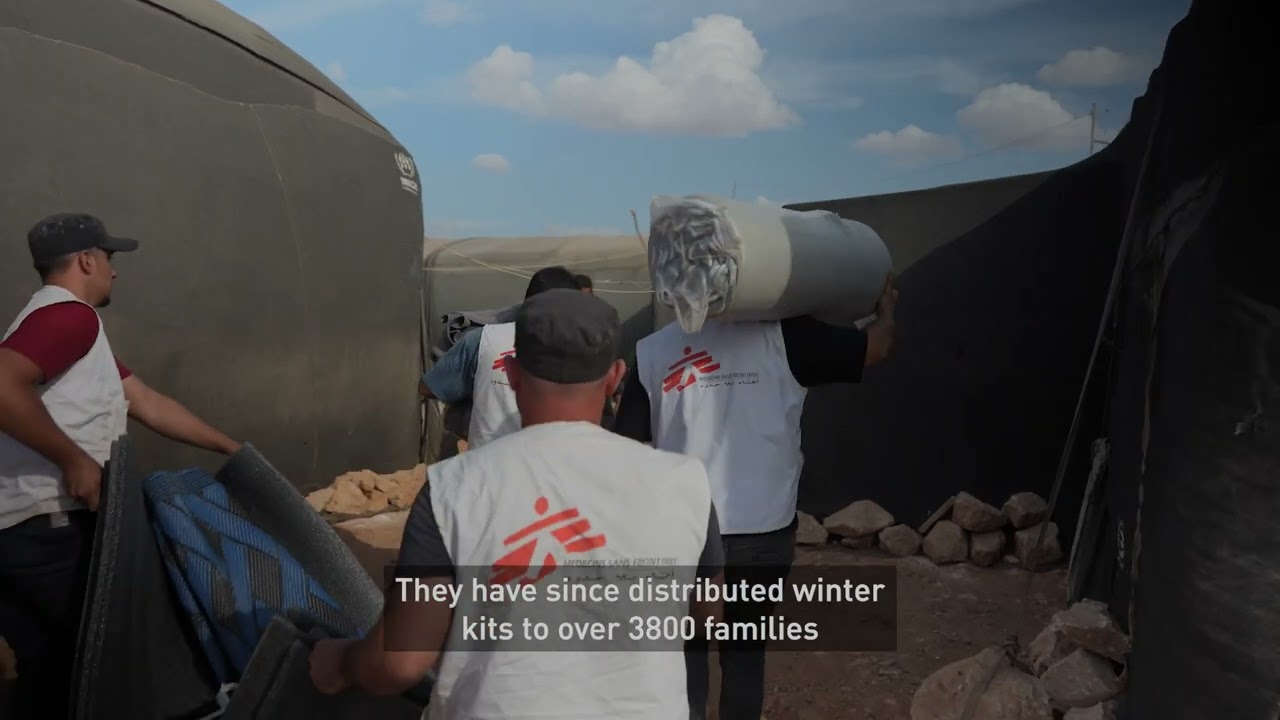
MSF runs seven mobile clinics providing basic healthcare at 23 camps for displaced people in Idlib province. In October, MSF teams distributed winter kits to more than 3,800 families in these camps. Each kit contained thermal insulation, plastic fabric, mattresses, blankets, ground insulation and winter clothing. However, there are still thousands of families in need of extra supplies to get them through the winter months.

“Providing winter-related support for people in camps can have a significant impact on reducing winter-related diseases and contribute to better living conditions for families in need,” says Al-Samao. “However, we can cover only a small portion of the needs in the region. Since , the number of displaced people has increased notably, exacerbating their suffering and escalating people’s needs, including for protection and medical care.”

Facebook
Twitter
LinkedIn
WhatsApp
Print

Thousands of Gazans working in Israel had their permits cancelled after 7 October 2023.  

Thousands of Gazans working in Israel had their permits cancelled after 7 October 2023.  

Following the attacks carried out by Hamas on 7 October, thousands of Gazans working in Israel had their permits cancelled. According to the Palestinian Ministry of Labour, around 6,000 are now displaced in the West Bank, some living in deplorable conditions. Our teams support them through donations, including medications for non-communicable diseases, and also offer mental health support.  

“Before 7 October, everything was OK for me” says Hussein*, 62, who lives in Gaza but had worked in Israel for 37 years before the current war in the Strip. “I would go to work in Ashdod. Sometimes I would sleep there, and sometimes I would return to Gaza to visit my family and stay with them.”  

To make a living for his family, Hussein painted houses and worked in farms in Ashdod, a city in Israel about 35 to 40 kilometres north of Gaza. 

“I was treated well, and I have a lot of Israeli friends,” he says. “The day before the 7 October attacks, I was drinking coffee with my best friend at the place where I lived. He’s Israeli, and I met him while buying vegetables in the market. I used to bring him and his family some fruits and vegetables from Gaza. Our families quickly became friends, too.”  

But on 7 October everything changed for Hussein. “I was sleeping when my friend and another man entered my room and started beating me with sticks. They shouted, ‘your people are killing us here and you are sleeping in our houses!’ They unleashed their dogs on me. They bit and ripped my stomach and torso.”  

After 10 minutes, Hussein managed to run away, but it took him 30 minutes to reach a safe place.  

“I called an Israeli friend of mine, who came to pick me up. He took me to another friend’s house, and I hid there for 10 days without seeing the sun. On 18 October, I got a taxi and came here to the West Bank.”  

Hussein arrived in Ramallah, West Bank’s main city, and decided to head north to Jenin, where many centres run by the Palestinian Authorities are hosting hundreds of displaced Gazans.  

MSF teams travel to these centres to provide medical donations, including medications for non-communicable diseases, and offer mental health support. Some patients have reported to our teams that they were beaten, humiliated and abused while being detained by Israeli forces since 7 October.  

“The people here are truly kind. I was not expecting it,” says Hussein. “But my family is in Gaza City. My wife and children live there. Sometimes I manage to reach them by phone. They tell me how the situation is over there. It’s terrible.

I just want to live in peace. We do not want to bother anyone, and we hope no one bothers us. To live in peace within our families, our children and grandchildren. Palestine is my country, wherever I am, it is my country. I long to see my family in Gaza.” 

Today, Hussein believes that he will never be able to go back to Ashdod, the city where he used to work.   

“The situation can never be the same,” he says.  

*Name has been changed for confidentiality. 

Facebook
Twitter
LinkedIn
WhatsApp
Print